Photo credit: Steve Oehlenschlager/Shutterstock.com
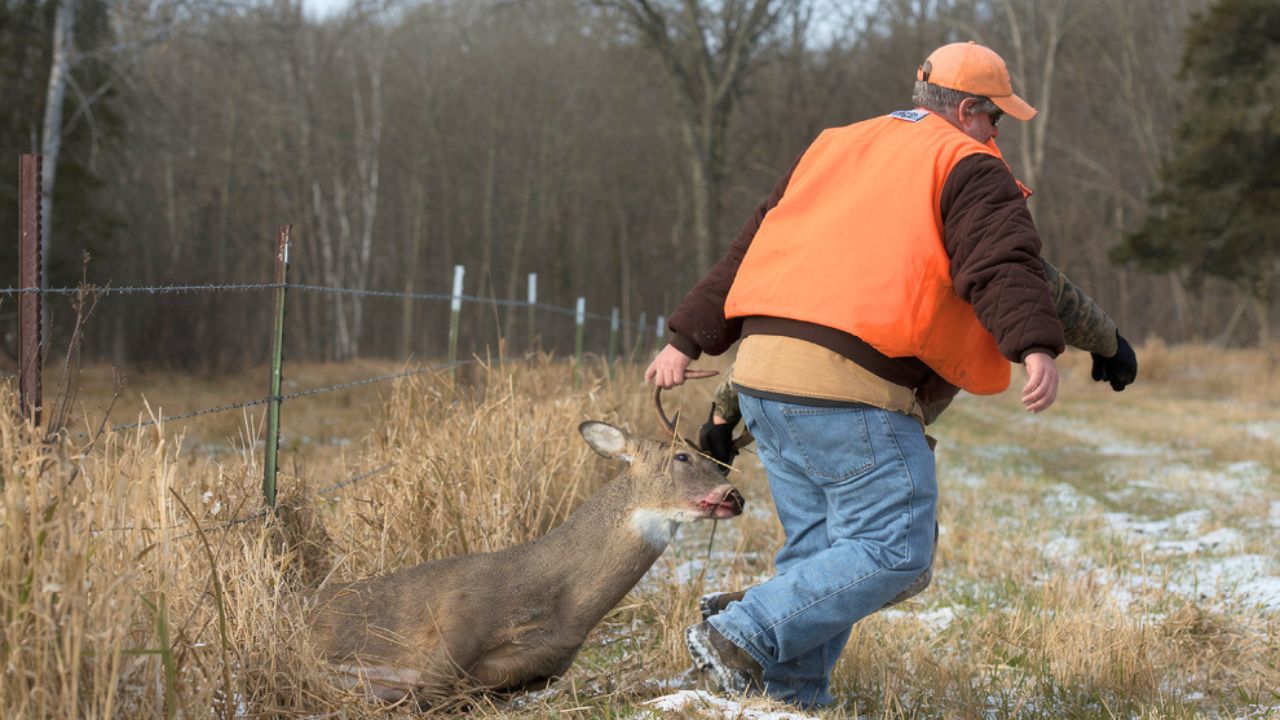
Recovering game is where a lot of good hunts go sideways. The shot felt right, the animal is hit, and now everything comes down to what you do next. When you’re close to a property line, small decisions matter more than people realize. This is where hunters either handle things clean or create problems they didn’t need to have.
A lot of mistakes here don’t come from bad intentions. They come from rushing, assuming, or letting the moment take over instead of thinking it through.
Rushing the track without thinking about the line
One of the most common mistakes is taking off after the animal immediately without stopping to consider where it’s headed. When adrenaline is high, it’s easy to forget how close you are to a boundary. Then before you realize it, you’re tracking across land you don’t have permission to be on.
Experienced hunters slow down first. They mark last blood, take a look at direction of travel, and figure out where that animal is likely to go. That pause can be the difference between a clean recovery and a situation that gets complicated fast.
Assuming recovery gives you automatic access
A lot of hunters still believe that if they shot the animal, they have the right to go get it no matter where it ends up. That’s not how it works in many places. Once that animal crosses onto private property, permission usually matters just as much as it did before the shot.
This is where people get themselves in trouble. They step over the line thinking they’re doing the right thing, and now they’ve turned a legal hunt into a trespass issue.
Not knowing exactly where the boundary is
This one causes more problems than people want to admit. Hunters think they know where the line is, but they’re off by more than they realize. In thick cover or low light, it doesn’t take much to cross onto the wrong side without noticing.
Good hunters don’t guess. If they’re hunting near a line, they already know where it runs. If there’s any doubt, they stop and verify before continuing. That habit alone avoids a lot of headaches.
Pushing the animal too soon
This isn’t just a recovery mistake—it’s a property-line mistake too. If you push a wounded animal too quickly, there’s a good chance it’s going farther than it needed to. And if you’re near a boundary, that often means it’s crossing onto land you don’t have access to.
Giving the animal time, especially on marginal hits, can keep the recovery shorter and more controlled. It’s not just about ethics—it’s about keeping the situation manageable.
Getting emotional when things don’t go your way
This is where problems really start. The animal crosses the line, the landowner isn’t available, or permission gets denied, and now frustration takes over. That’s when hunters make bad decisions—crossing anyway, arguing, or pushing a situation that doesn’t need to escalate.
The better move is staying controlled. It may not feel fair in the moment, but handling it clean is always better than creating a second problem.
Not having a plan before the shot
Most of these situations could be avoided by thinking ahead. If you’re hunting near a property line, you should already be asking yourself where that animal is likely to run if hit. If the answer is “onto land I can’t access,” that’s something to factor in before you take the shot.
Experienced hunters think about recovery before they ever pull the trigger. That mindset saves a lot of trouble later.
Ignoring the long-term consequences
Crossing a line without permission or handling a recovery the wrong way might seem like a small decision in the moment. But it can affect future access, relationships with neighbors, and even legal standing if it turns into a complaint.
Hunters who stay in good standing year after year are the ones who think past the moment. They know one bad call can follow them longer than the hunt itself.
The hunters who do this well think ahead
Recovering game near property lines isn’t just about tracking skill. It’s about awareness, patience, and knowing when to stop. The hunters who handle it best aren’t the ones who move fastest—they’re the ones who think the clearest when things get uncertain.
Slow down, know where you are, and don’t let one recovery turn into something bigger than it needs to be.
Like The Avid Outdoorsman’s content? Subscribe to our newsletter so you never miss an article.
Here’s more from us: