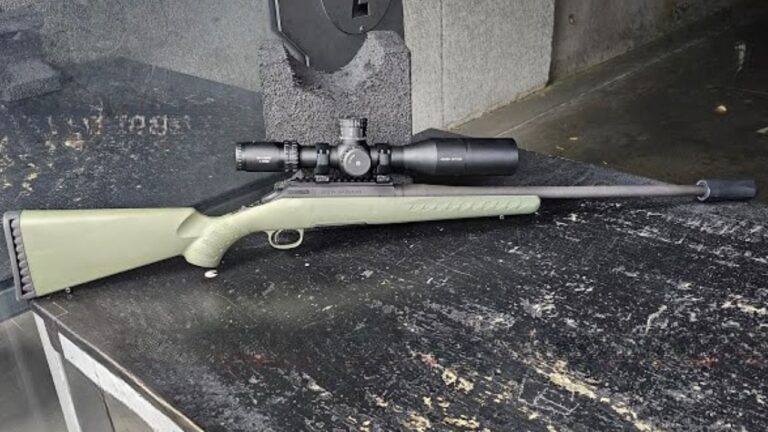
Photo credit: dr.D/Shutterstock.com
Cartridge trends come and go the same way rifle trends do. Every few years, something new gets marketed as flatter, faster, cleaner, or more efficient than what came before. Some of those newer rounds are genuinely useful. A lot of them also end up chasing advantages that matter more in ads and spec sheets than they do on an ordinary hunt. When you spend enough time around hunters who actually fill tags, you notice many of them keep circling back to cartridges that have already proven what they can do.
That staying power is not an accident. The rounds that last tend to offer practical recoil, available ammunition, dependable terminal performance, and enough flexibility to cover real hunting situations without drama. They may not be trendy, and they may not dominate every online debate, but they still make sense when you are buying ammo, checking zero, and heading into the woods with a rifle you know well. A cartridge does not survive for decades by luck alone. It survives because it keeps doing useful work.
.30-06 Springfield
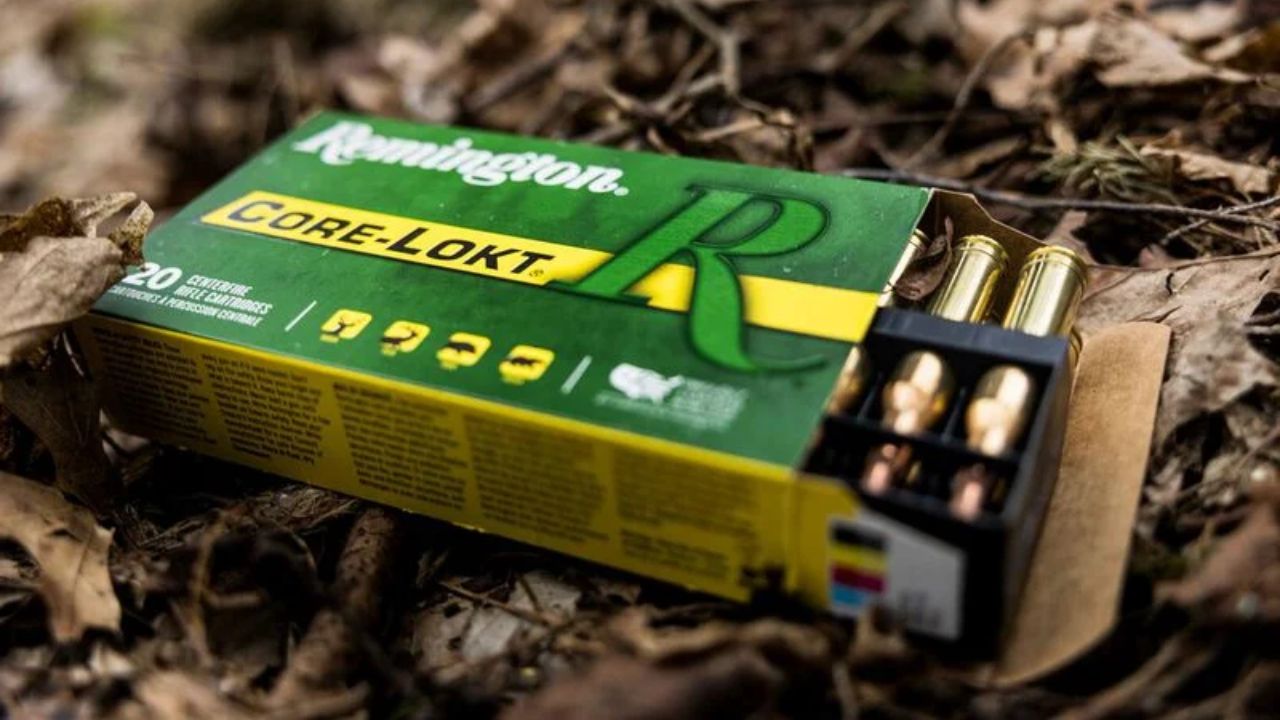
The .30-06 still makes sense because it covers so much ground without becoming overly specialized. It can handle deer, hogs, black bear, elk, and a lot more with the right bullet, and it does it from a platform nearly every hunter understands. You are rarely stuck hunting for rifle options, and you are rarely left wondering whether factory ammo will be on the shelf. That kind of flexibility matters more now, not less.
It also remains one of the easiest cartridges to trust when conditions are not perfect. Recoil is real but manageable for most shooters, and performance has been proven across generations of hunting. Plenty of newer cartridges promise cleaner numbers on paper, but the .30-06 keeps offering the kind of all-around usefulness that makes a hunter’s life easier. That is why it still belongs in the conversation.
.308 Winchester
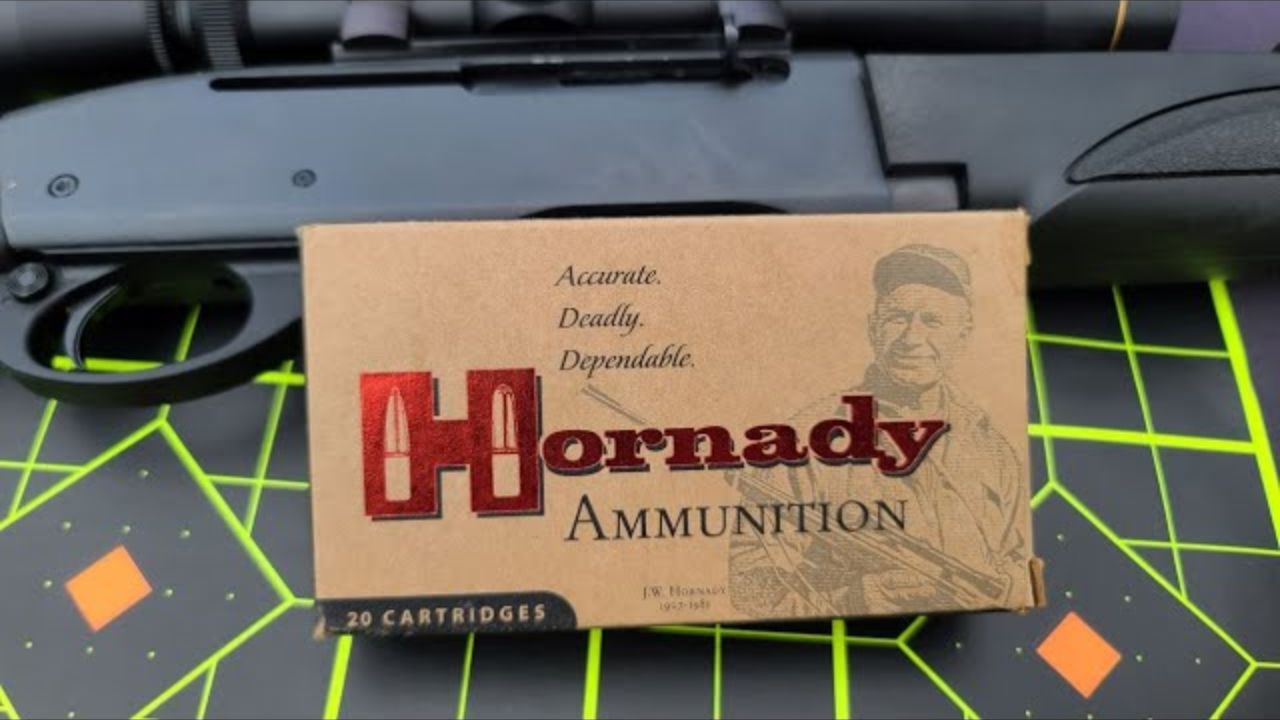
The .308 Winchester keeps earning its place because it does a lot of the same practical work as the .30-06 in a shorter-action package that many shooters find efficient and easy to live with. It has enough power for deer and hogs without feeling excessive, and with proper bullet selection it is fully capable of handling larger game. It is also one of those cartridges that tends to show up in a wide range of rifles at almost every price point.
That matters because a cartridge only stays relevant if people can actually use it without hassle. The .308 is common, familiar, and supported by years of proven hunting performance. It is not the flattest round you can buy, and it is not trying to be. What it offers is balance. When a hunter wants a cartridge that is available, manageable, and still fully serious, the .308 keeps making an easy case for itself.
.30-30 Winchester

The .30-30 still makes sense because most deer are not taken at extreme distance. In woods hunting, thick cover, and normal ranges where quick shots matter more than benchrest bragging rights, it continues to do exactly what it has always done well. It hits hard enough, carries easily in a lever gun, and keeps the whole hunting setup trim and practical. That kind of usefulness has not gone out of style.
A lot of people dismiss the .30-30 because they compare it to modern cartridges built for longer shots and higher velocity. That misses the point. The .30-30 was never supposed to win a numbers contest at 400 yards. It was built for real field use at ordinary distances, and it still fills that role very well. If your hunting actually matches that environment, it remains one of the smartest cartridges you can carry.
.270 Winchester

The .270 Winchester continues to make sense because it offers a blend of flat-enough trajectory, practical recoil, and hunting performance that still works for a huge number of people. Deer, antelope, hogs, and even elk in the right hands all remain squarely within its lane. It has been around long enough to survive trends, arguments, and newer challengers that were supposed to push it aside.
What keeps the .270 alive is that it does not ask much from the shooter while still giving a lot back. Recoil is moderate enough for many hunters to shoot it well, and field performance remains strong with modern bullets. It may not carry the same trendy image as newer long-range rounds, but that has never really hurt it. The .270 still makes sense because it remains effective where most hunters actually hunt.
.243 Winchester

The .243 Winchester keeps hanging on because it fills an important role that never disappears. It offers light recoil, useful accuracy, and enough performance for deer-sized game when the shooter places bullets where they belong. That makes it especially attractive for newer hunters, smaller-framed shooters, or anyone who values being able to practice comfortably without getting beat up by a harder-kicking rifle.
It also remains one of the cleaner examples of a cartridge that works because it stays inside its lane. Nobody should treat it like a do-everything answer for every size of game, but within its intended role it still makes a lot of sense. The .243 is easy to shoot, easy to understand, and supported by years of real hunting success. Those are the kinds of traits that keep an older cartridge alive.
7mm Remington Magnum

The 7mm Remington Magnum still makes sense because it gives hunters real reach and strong downrange energy without stepping all the way into the recoil and bulk that come with some larger magnums. It has long been a favorite for hunters who want more open-country capability while still carrying a rifle they can live with. There is a reason it keeps turning up in elk camps and western hunting conversations.
That does not mean it is perfect for everybody. Recoil is not light, and it can be more cartridge than some deer hunters actually need. But for people who hunt bigger country or want one rifle that feels comfortable stretching things out, it still holds together as a practical choice. A lot of magnum cartridges have come and gone in popularity. The 7mm Rem Mag stuck because it remained useful, not because it stayed fashionable.
.35 Remington

The .35 Remington still makes sense in the kind of hunting country where shots are close, brush is thick, and game often appears suddenly rather than from a distance you have time to calculate. It has never been about speed or flashy ballistics. Its appeal has always been straightforward field performance, especially in lever guns that carry easily and come up fast when a deer slips through cover.
That old-school usefulness is exactly why some hunters still swear by it. If your idea of a hunt involves ridgelines, hardwoods, creek bottoms, and shots well inside 150 yards, the .35 Remington still feels right at home. It is not trying to win internet arguments. It is trying to put game down efficiently in the kind of country where practical handling matters more than a flat trajectory chart.
.45-70 Government
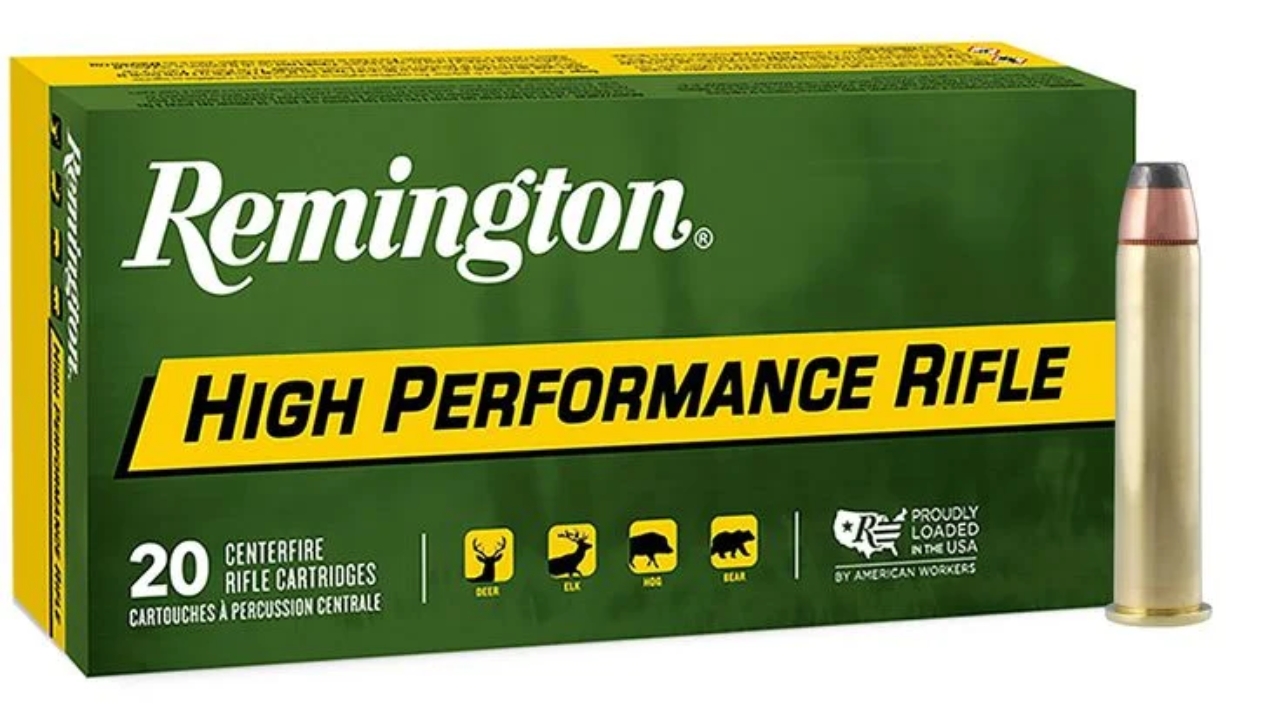
The .45-70 keeps making sense because there are still hunting situations where a big, heavy bullet solves problems in a very direct way. In thick timber, around hogs, black bear, or larger game at moderate distance, it offers a kind of authority that never really stopped being useful. Lever guns chambered for it also remain popular with hunters who want a rifle that carries well and hits with conviction.
Of course, the .45-70 asks for some tradeoffs. Recoil can get serious, trajectory is not forgiving, and it is a specialized tool compared with flatter-shooting cartridges. Even so, it still makes sense for hunters who understand exactly what it is for. A cartridge does not need to be universal to remain relevant. Sometimes it only needs to keep doing one job well enough that nobody really replaces it.
.257 Roberts

The .257 Roberts still makes sense because it represents the kind of efficient hunting cartridge many shooters claim to want but often overlook. It offers mild recoil, useful speed, and a reputation for clean performance on deer-sized game. For hunters who value shootability and practical field use over marketing noise, it still feels like one of those cartridges that deserved more long-term attention than it usually gets.
Part of its staying power comes from how pleasant it is to actually use. Hunters tend to shoot better with cartridges they do not dread practicing with, and the .257 Roberts has always had that advantage. It may not be the easiest round to find compared with more common options, but the reason people still speak well of it is easy to understand. It remains a smart hunting tool with very few bad habits.
.25-06 Remington

The .25-06 keeps making sense because it gives hunters a fast, flat-shooting cartridge without jumping into unpleasant recoil. That has always made it attractive for deer, antelope, and similar game where longer shots may happen but a shooter still wants a rifle that stays comfortable to practice with. It offers speed and reach in a package that often feels easier to handle than many bigger, louder alternatives.
Its continued relevance comes from the fact that it never depended on hype alone. The .25-06 has been proving itself for years with hunters who value practical field performance and clean shot placement. It is not the answer to every kind of hunting, and it does not need to be. What it does offer is a very usable mix of trajectory, recoil, and terminal performance that still holds up well today.
.280 Remington

The .280 Remington still makes sense because it sits in a very useful middle ground that many hunters appreciate once they actually spend time with it. It offers a strong balance of reach, manageable recoil, and real hunting versatility across deer, hogs, black bear, and larger game with proper loads. It has never enjoyed the loudest reputation, but it has quietly kept delivering results for people who know what it is.
That quieter reputation is probably part of why it remains respected. The .280 never needed to dominate store displays to prove its value. It simply kept offering the kind of all-around performance hunters could trust. In many ways, it feels like the sort of cartridge that gets more appreciation from experienced riflemen than casual shoppers. That alone says a lot about why it still deserves space in the field.
.300 Winchester Magnum
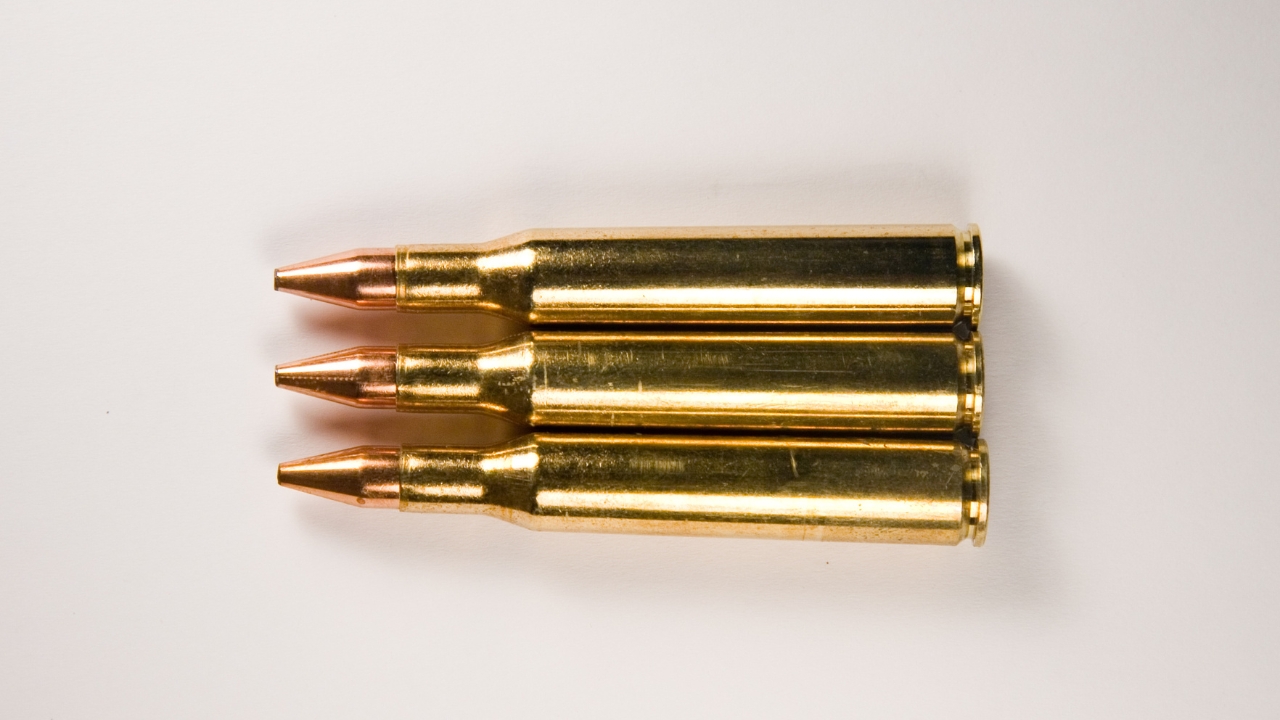
The .300 Winchester Magnum still makes sense because it remains one of the most practical ways to step into serious magnum performance without wandering into oddball territory. Hunters who need reach, energy, and flexibility for larger game have leaned on it for decades, and there is still a strong case for doing so. It carries enough authority for elk, moose, and other bigger animals while remaining common enough to support widespread rifle and ammo availability.
It is not a casual cartridge, and that is part of the trade. Recoil can expose poor shooting habits fast, and plenty of hunters buy more cartridge than they truly need. But when the job actually calls for that level of performance, the .300 Win Mag still stands tall. It survived because it filled a real role and kept filling it long after newer magnums started competing for attention.
Like The Avid Outdoorsman’s content? Subscribe to our newsletter so you never miss an article.
Here’s more from us: