Photo credit: Savage Arms
You don’t need the perfect rifle to hunt well, but the wrong caliber can quietly stack the odds against you. Some cartridges demand tighter shot placement, narrower distance windows, or ideal conditions that real hunts rarely provide. Others look fine on paper but complicate tracking, penetration, or follow-up shots once animals and terrain enter the equation. This isn’t about fringe cases or reckless choices.
These are calibers that technically work, yet make everything harder than it needs to be—especially when adrenaline is high and conditions aren’t perfect. If you’ve hunted long enough, you’ve likely seen at least a few of these create unnecessary stress in moments when you should be focused on the animal, not the limitations of your cartridge.
.223 Remington (for big-bodied deer)
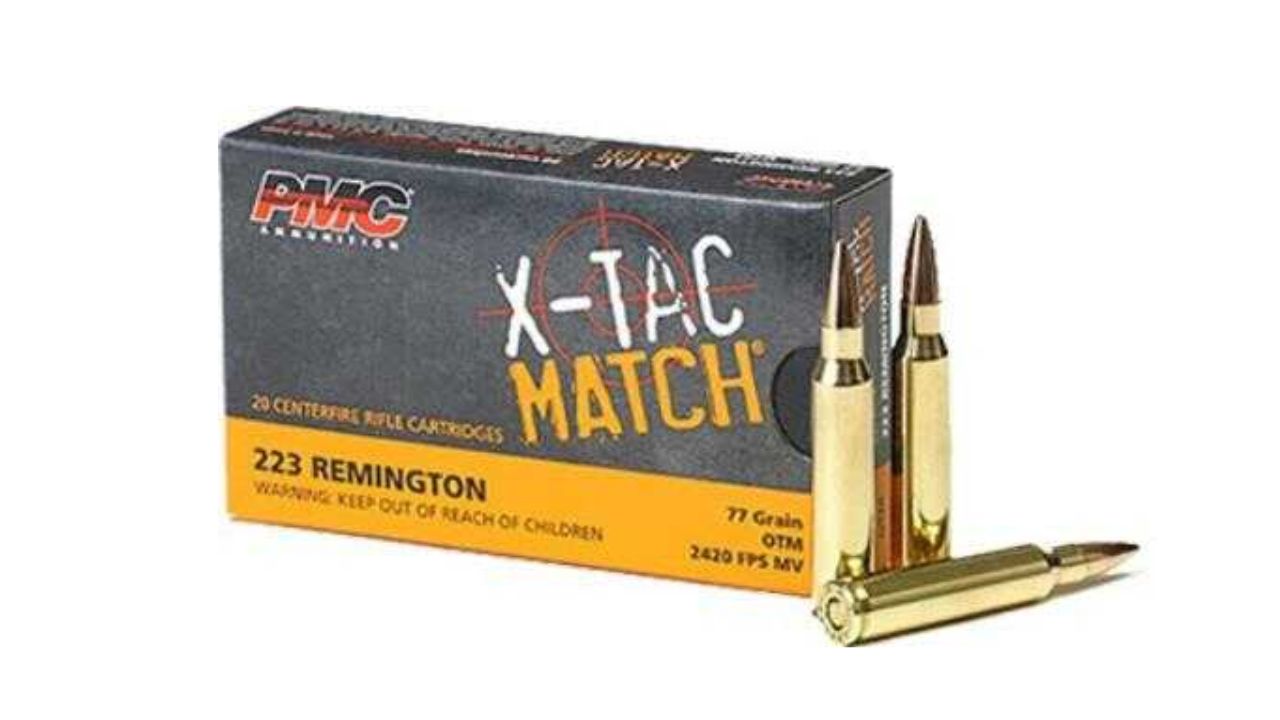
The .223 Remington can take deer, but it often demands near-perfect conditions to do so cleanly. On larger-bodied whitetails or mule deer, penetration becomes heavily dependent on bullet choice and exact shot placement. Slightly poor angles or heavier bone can quickly complicate results.
At typical hunting distances, you’re working with limited margin for error. Blood trails can be sparse, and follow-up shots become more likely. While capable in skilled hands, the .223 often turns routine deer hunts into exercises in restraint and precision rather than confidence.
.243 Winchester (with lightweight bullets)

The .243 Winchester is widely trusted, but lighter bullet selections can make hunting more difficult than expected. At close range, rapid expansion can limit penetration on quartering shots. Stretch things out and wind drift becomes more noticeable than many anticipate.
You end up threading a narrower needle than necessary, especially on larger animals. The cartridge works best when everything lines up, but it doesn’t forgive mistakes. With heavier bullets it improves, but light loads often turn straightforward shots into calculated risks.
.25-06 Remington

The .25-06 Remington looks ideal for open country, yet it can complicate hunts in mixed terrain. At closer ranges, high velocity can lead to excessive tissue damage without consistent penetration. At longer distances, wind drift becomes more influential than many hunters expect.
You’re also dealing with barrel length and recoil that don’t always match the payoff. It demands careful shot selection and good conditions. While effective, it often asks more from the hunter than more balanced calibers covering the same distances.
.224 Valkyrie (hunting loads)

The .224 Valkyrie promises reach, but hunting exposes its sensitivity. Wind quickly becomes a factor, especially with lighter bullets. At closer distances, terminal performance can feel underwhelming for deer-sized game.
You’re left managing drop, drift, and bullet performance more carefully than necessary. It works, but rarely with ease. For hunting, it often feels like a cartridge that complicates decisions rather than simplifying them.
.30-30 Winchester (past 150 yards)
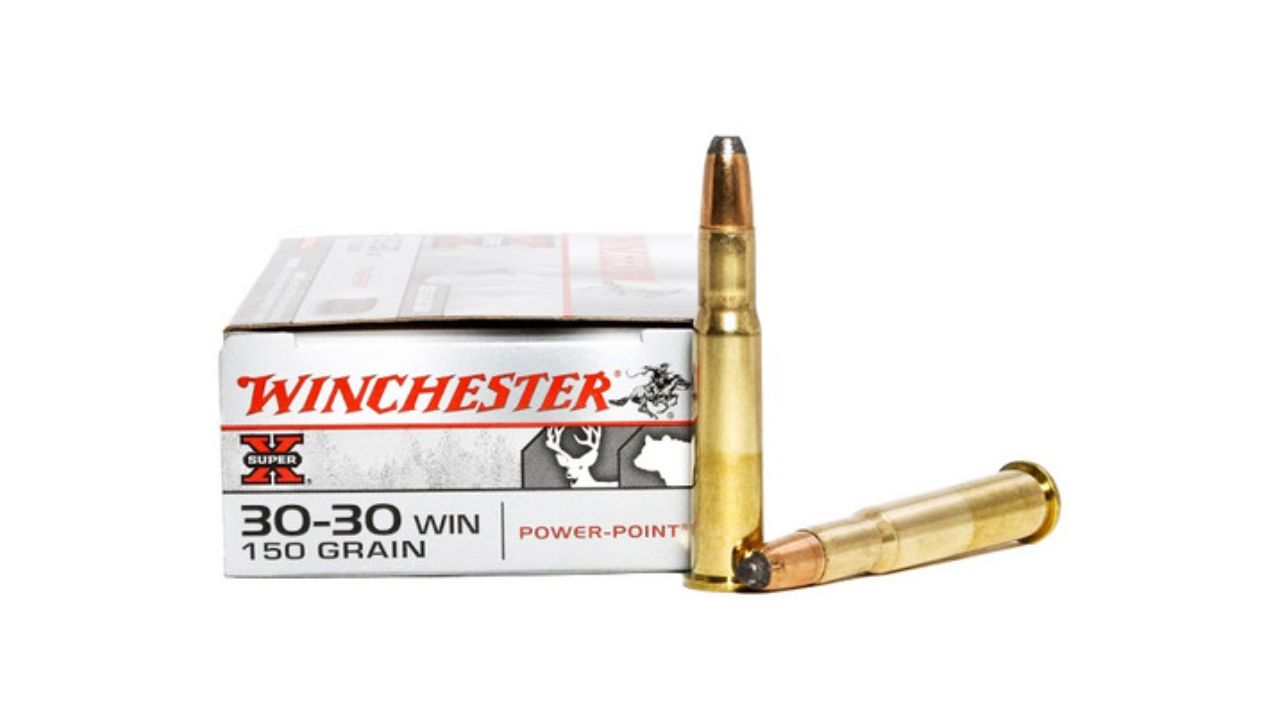
Inside its comfort zone, the .30-30 works well. Push it past 150 yards and hunting becomes more demanding. Drop increases quickly, and retained energy drops faster than many expect.
You’re forced to limit shot opportunities or accept narrower margins. Wind drift and trajectory make precise placement harder at distance. It remains useful, but once ranges stretch, it adds constraints that modern cartridges avoid.
.350 Legend

The .350 Legend does its job inside short ranges, but hunting quickly exposes its limits. Trajectory drops steeply beyond modest distances, shrinking your effective window fast.
You must constantly range, hold carefully, and pass shots you could take with other calibers. It’s effective where it’s designed to be used, but outside that narrow lane it makes every decision more complicated than necessary.
.450 Bushmaster
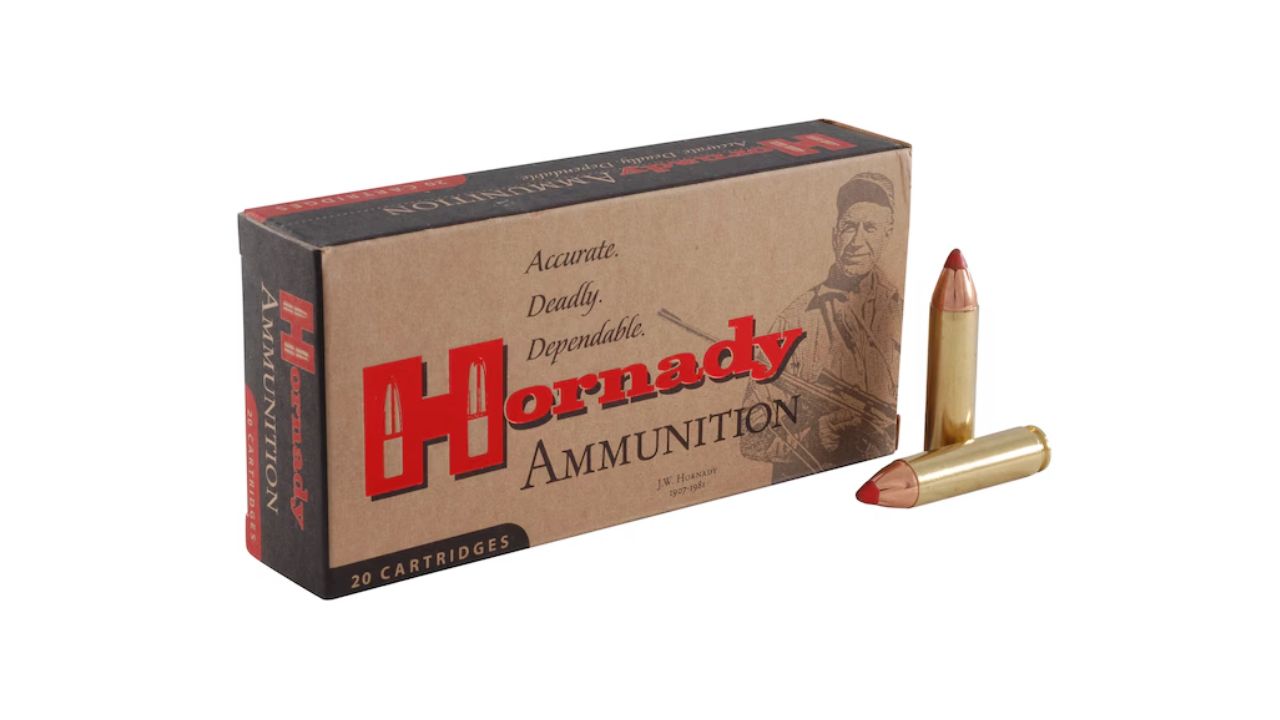
The .450 Bushmaster hits hard, but it brings trade-offs that complicate hunts. Recoil can slow follow-up shots, and trajectory drops aggressively past short distances.
You’re locked into close-range hunting whether conditions call for it or not. While effective on impact, it demands strict distance discipline and careful shot selection, limiting flexibility in real hunting scenarios.
.218 Bee
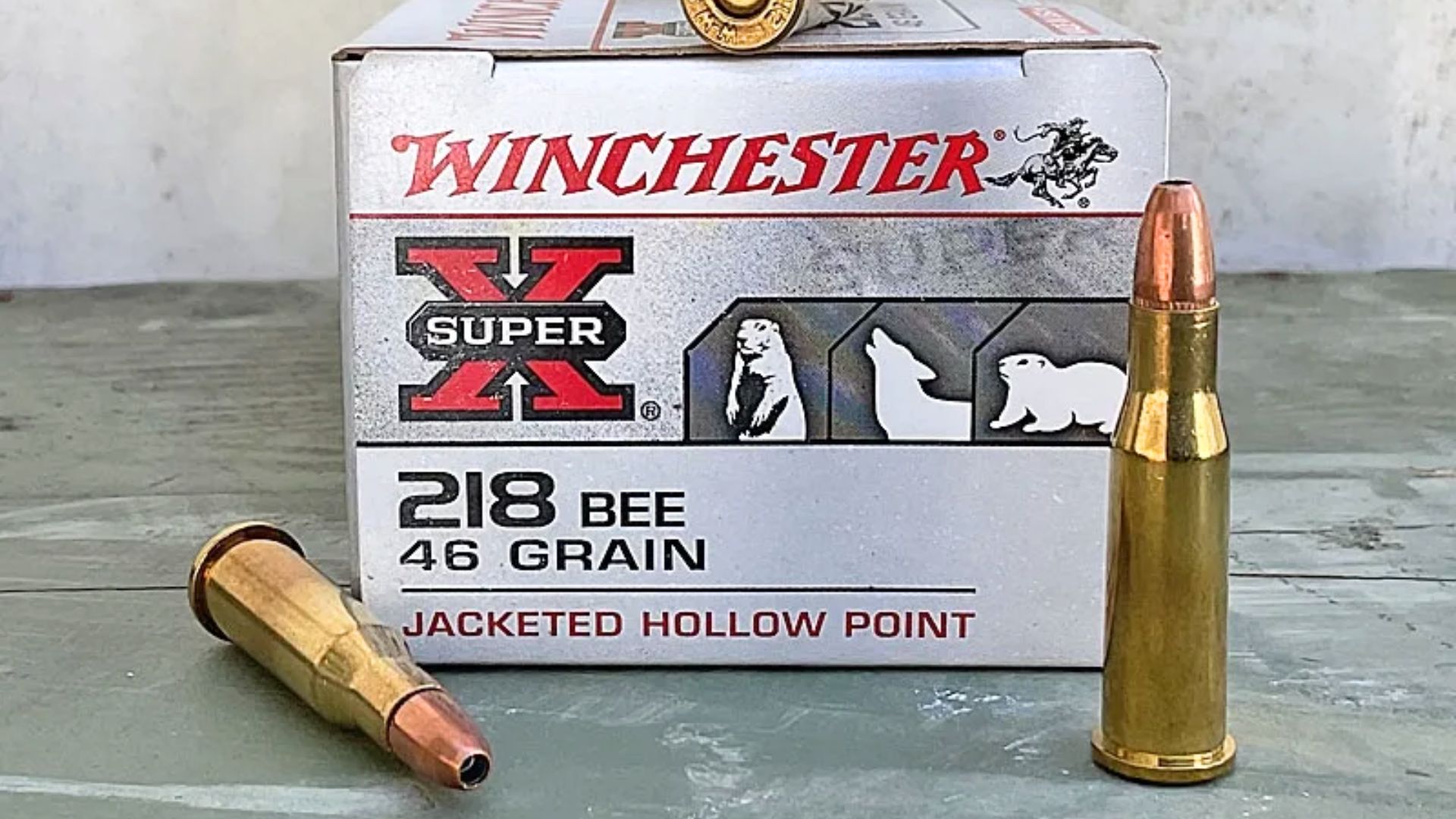
The .218 Bee can take game, but it makes hunting more technical than it needs to be. Limited energy and wind sensitivity restrict usable distances.
Shot placement must be exact, and recovery can be less predictable. It works within narrow limits, but modern cartridges cover the same ground with fewer compromises and more reliable outcomes.
.204 Ruger

The .204 Ruger shoots flat, but hunting exposes its light-bullet limitations. Wind drift becomes a constant concern, and penetration can be shallow on less-than-perfect angles.
It demands calm conditions and careful target selection. When everything aligns, it performs well. When it doesn’t, it complicates hunts that other calibers handle more smoothly.
.277 Wolverine
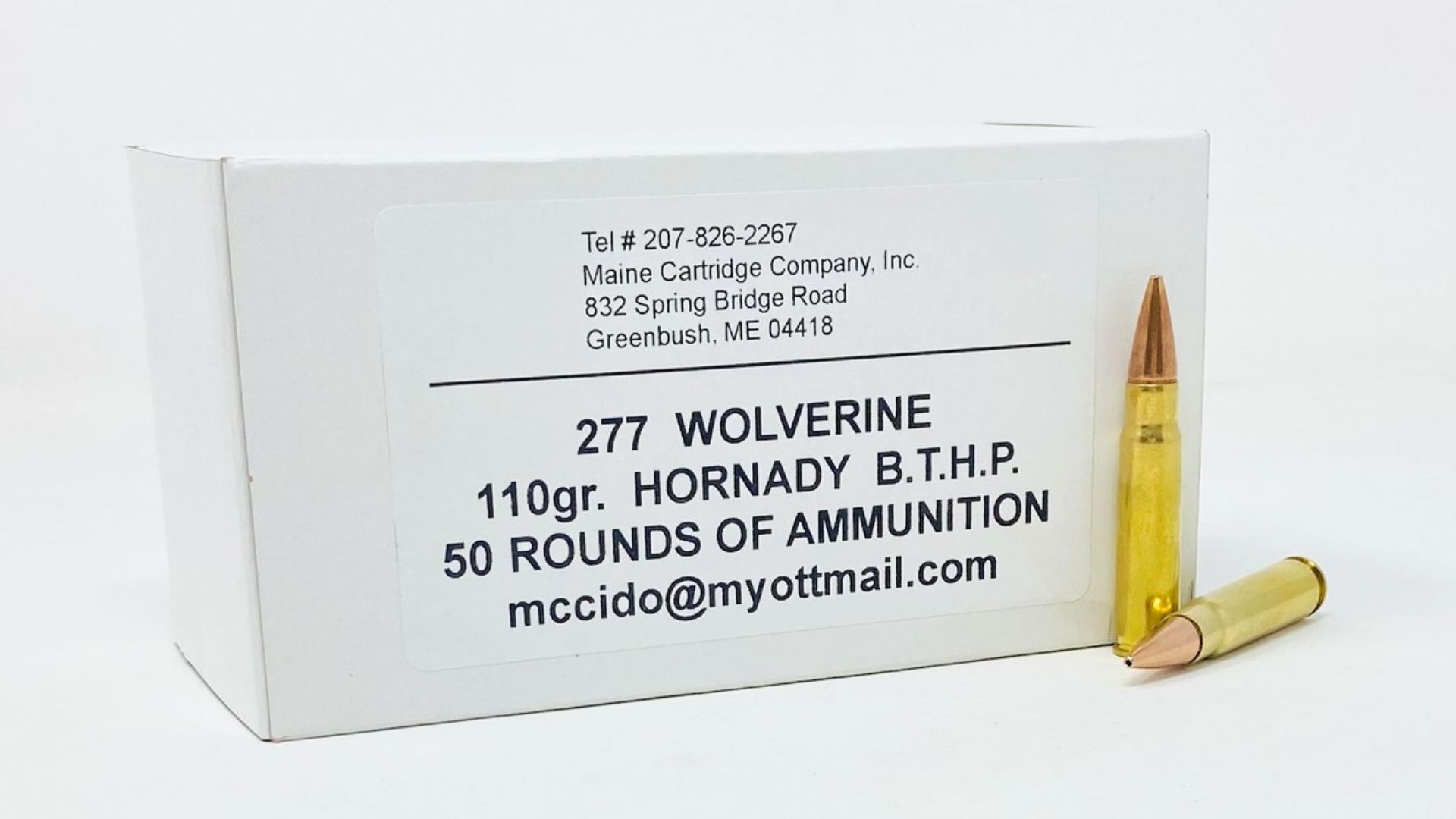
The .277 Wolverine offers efficiency, but hunting reveals a tight performance window. Energy drops faster than expected, and trajectory requires constant attention.
You’re managing limits rather than relying on confidence. It can work, but it rarely feels forgiving. For typical hunting distances, it adds complexity without delivering clear advantages.
.219 Zipper
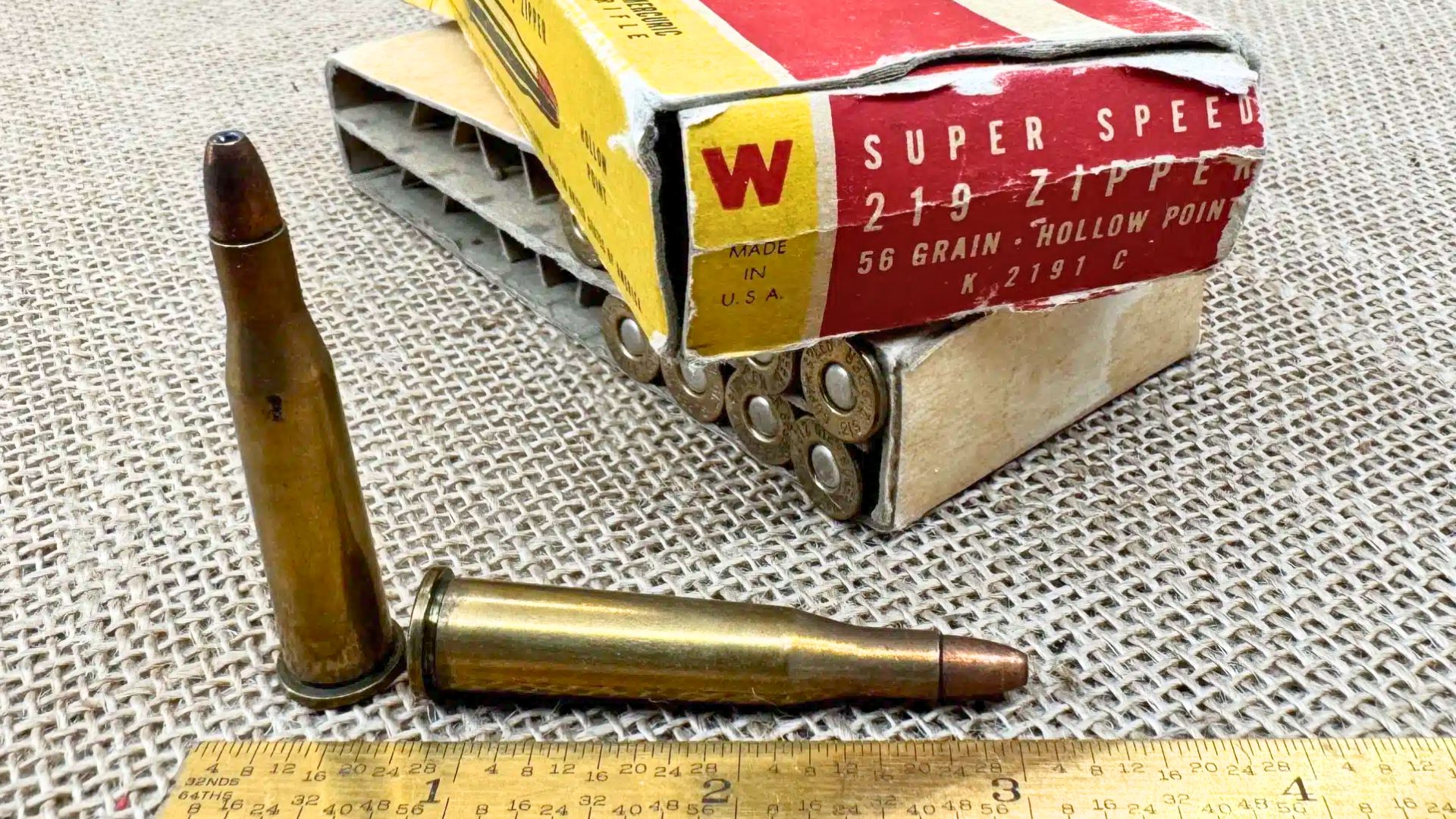
The .219 Zipper carries history, but hunting today reveals its limitations. Ballistics lag behind modern designs, especially in wind and drop.
You spend more time compensating than focusing on the hunt. It works, but it asks more from the hunter than necessary.
.222 Remington Magnum
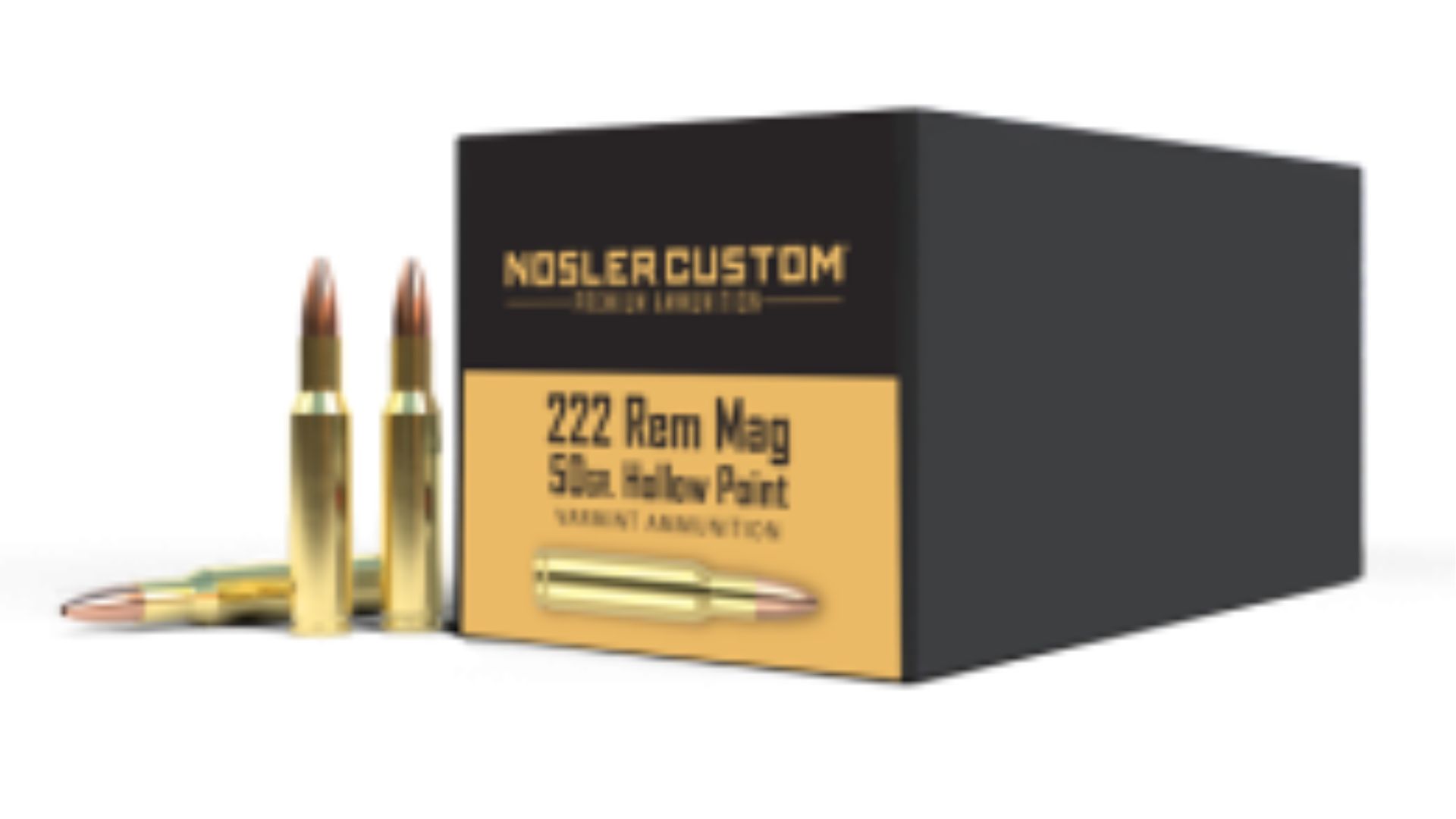
The .222 Remington Magnum sits in an awkward space for hunting. It doesn’t offer meaningful advantages over smaller calibers and falls short of larger ones.
Energy retention and trajectory make shot selection more restrictive. It’s usable, but rarely the easiest or most efficient choice in the field.
Like The Avid Outdoorsman’s content? Subscribe to our newsletter so you never miss an article.
Here’s more from us: