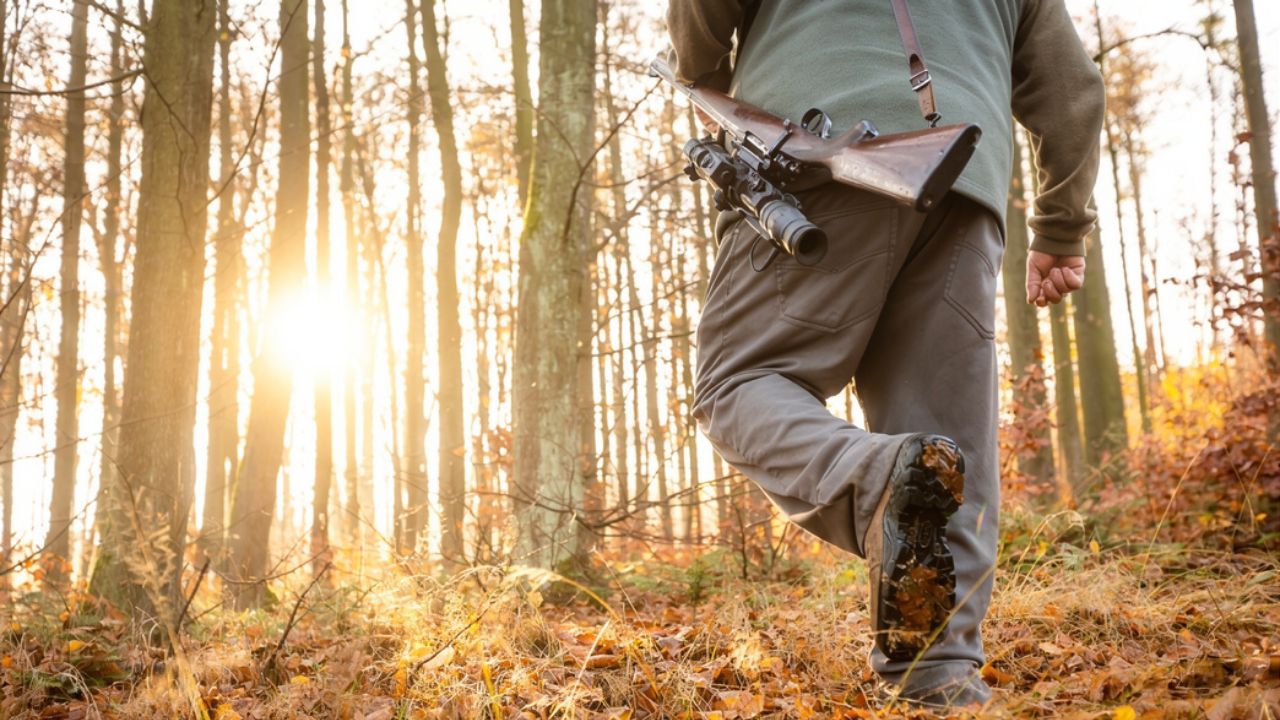
Photo credit: Simon Kadula/Shutterstock.com
Catching someone on your land during hunting season will get your attention fast. Whether it’s a parked truck, fresh tracks, or someone you actually see moving through your property, it puts you in a situation that can turn tense if you handle it the wrong way. The key is not reacting off anger. It’s making sure you stay safe, document what’s happening, and handle it in a way that actually stops the problem instead of making it worse.
Do not rush into a confrontation
If the person is armed—and during hunting season, they usually are—that’s not the time to walk up heated and try to sort it out face-to-face. You don’t know who you’re dealing with or how they’ll respond. The safest move is to keep your distance and avoid turning it into a direct confrontation unless you absolutely have to.
Most wildlife agencies stress that trespassing situations should be handled through proper channels, not personal standoffs. It may not feel satisfying in the moment, but it keeps things from escalating into something dangerous.
Start documenting immediately
As soon as you confirm someone is on your land without permission, start gathering details. Take photos or video if you can do it safely. Get the vehicle, license plate, location, and anything else that helps identify the person. Note the time, where they entered, and what they were doing.
Even small details matter. Direction of travel, type of gear, where they parked—those things make a big difference if you need to report it. A clear record is always stronger than a vague complaint.
Call the right person instead of handling it yourself
Once you have enough information, reach out to your local game warden, conservation officer, or sheriff’s office. Give them clear directions and explain what you’re seeing. Let them handle it from there.
Trying to deal with it yourself might feel quicker, but it usually creates more problems than it solves. Law enforcement can address it properly, and if it turns into a repeat issue, you already have a record started.
Check how they got in
After the situation is handled, take a look at your property and figure out how they accessed it. Most trespassing isn’t random. It happens where entry is easy—open gates, weak fence lines, creek crossings, or quiet back corners that aren’t well marked.
If someone got in once without trouble, they’ll likely try again. Fixing those entry points is one of the most effective ways to prevent repeat problems.
Make your boundaries clear
Clear boundaries stop a lot of “I didn’t know” excuses before they start. Use signage, paint markings, fencing, or whatever your state allows to show where your property begins. Focus on the areas where someone is most likely to enter, not just the spots that are easy to reach.
The goal is to make it obvious enough that nobody can reasonably claim they didn’t realize they crossed onto private land.
The smartest response to trespassing during hunting season is not the loudest one. It’s the one that keeps you safe, builds a clear record, and makes it harder for it to happen again.
You don’t have to win an argument in the moment. You just have to handle it in a way that actually protects your land moving forward.
Like The Avid Outdoorsman’s content? Subscribe to our newsletter so you never miss an article.
Here’s more from us: