Photo credit: Umaruchan4678/Shutterstock.com
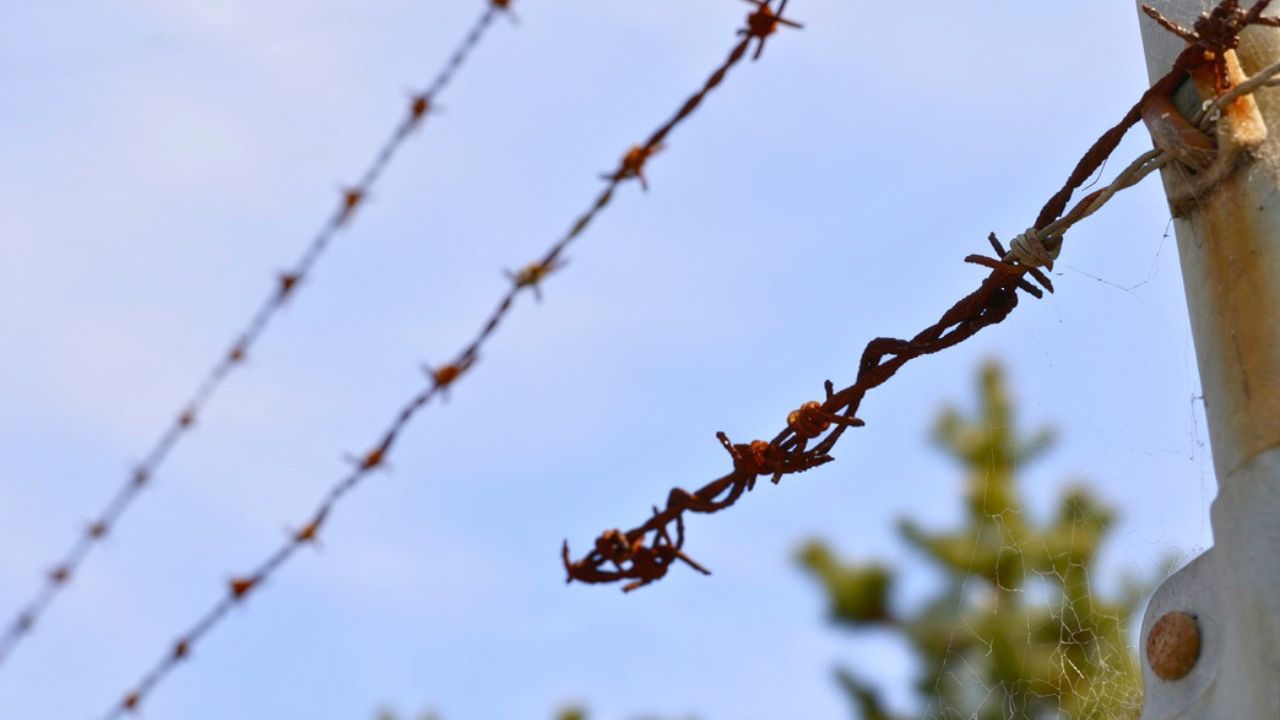
Most fence problems do not start as major ones. They start small enough that a tired landowner can talk himself into waiting a few days, keeping an eye on it, or assuming it was a one-time deal that will not happen again. That is exactly why the first cut fence wire gets ignored so often. A person finds one strand clipped, one section bent down, or one suspicious opening where there should not be one, and it does not always feel big enough to stop everything and treat like a real threat. But out on rural ground, the first cut wire is rarely only about the wire. It is usually about access, testing boundaries, and somebody learning how much they can get away with before anybody pushes back. That is why so many landowners wind up regretting the moment they decided not to take it seriously. Once somebody has crossed the line from looking to entering, and from entering to altering the fence itself, the issue has already moved beyond inconvenience. Now you are dealing with a person who was willing to change your property to fit his plans. That tells you a whole lot more than the size of the damage might suggest.
A cut wire is usually a message before it becomes a bigger problem
A lot of people see the first cut wire as minor damage when they ought to be reading it as a signal. Fences do not just open themselves up in neat little ways that happen to make access easier for people, vehicles, dogs, or livestock movement. When a strand gets cut, especially in a place that creates a usable crossing, what you are often looking at is a test. Somebody wants to know whether the land is watched closely, whether the owner notices details, whether the crossing stays open, and whether there is any real consequence for tampering with it. In other words, the first cut is often not the main event. It is a probe. That is why ignoring it can be such a costly mistake. If the person responsible comes back later and sees the cut still there, still usable, and still unanswered, he learns something valuable. He learns the fence line is not being monitored tightly enough to stop him. He learns the owner may not walk that stretch often. He learns entry might stay easy. That kind of information is worth a lot to trespassers, poachers, dumpers, thieves, and even neighbors who have gotten a little too comfortable treating your place like an extension of theirs.
Small damage has a way of inviting bigger damage fast
People like to imagine bad behavior stays in the same lane where it started, but that is not how rural property problems usually work. Once a cut wire goes ignored, the opening tends to get used more, widened more, and relied on more. A small foot crossing becomes an ATV path. An ATV path becomes a place where a side-by-side starts slipping through. A man who first cut a strand to duck under with a rifle may come back later with feed, a camera, a stand, a buddy, or a cooler in the truck. The problem grows because the first success builds confidence. It also builds familiarity. The person using that opening starts learning your routines, the quiet times on the property, the easiest routes in and out, and what kind of activity happens nearby. Meanwhile the landowner is still telling himself it was probably no big deal. That gap is where regret comes from. It is not only that the damage got worse. It is that the first obvious warning was there, and while the owner was treating it like nuisance damage, somebody else was treating it like an invitation. By the time the issue becomes undeniable, the person on the other side of it often knows more about the weak points of the property than the owner realized he was giving away.
Fence damage is not only about trespassing — it can affect everything else on the place
One reason people regret ignoring that first cut wire is that they tend to think only about unauthorized people coming through, when in reality the fallout can spread across the whole place. Livestock can get through openings that started small and got worse. Dogs can start running routes they were never supposed to learn. Wildlife patterns can change around a crossing that now sees more human scent and more vehicle traffic. Hunting pressure can shift because a hidden route becomes less hidden every day it stays open. Liability concerns can change too, especially if somebody gets hurt entering through a damaged area you knew about and left hanging. Even if no person ever sets foot through that opening again, the fence itself has already stopped doing the job it was built to do. That matters more than people sometimes admit. Good fences are not only barriers. They are boundaries, routines, and control. The second somebody alters that without your permission, the problem becomes bigger than one repair bill. It becomes a sign that the order of the property has been interrupted by somebody else’s choices, and land has a way of getting messy fast when control starts slipping.
The first response usually matters more than the repair itself
Fixing the wire is necessary, but it is not the whole answer. What landowners regret later is usually not only that they delayed the repair. It is that they failed to treat the cut as information. A clipped strand tells you a location was chosen for a reason. Maybe it sits near a road frontage, maybe it is shaded and hidden, maybe it lines up with a game trail, a feeder, a pond, or a shortcut into the back side of the place. The opening did not just appear in random space. It appeared where somebody thought it would help him. That means the smartest response is not merely patching the fence and moving on. It is asking what made that spot attractive in the first place and what should happen now to make it less attractive. Sometimes that means stronger wire, a more visible repair, a posted sign, paint, a camera, a gate change, or more frequent checks of that stretch. Sometimes it means talking to neighbors or lease holders to find out whether there is already a known problem in that area. The landowner who only repairs the wire may solve the surface issue. The landowner who reads the wire as a clue has a better chance of solving the actual one.
Delay gives the other side time to build a routine
Routine is what turns a bad access point into a real headache. If somebody cut a fence and then used that opening more than once, he is already starting to build habits around your place. He learns where to park without being seen, how long it takes to get in and out, what time of day feels safest, whether dogs bark nearby, whether the owner comes through on weekends, and whether there are cameras pointed the wrong direction. The longer that goes on, the more difficult the issue becomes to clean up without friction. That is why ignoring the first cut wire so often leads to regret. Delay gives the other side time to stop improvising and start operating. It gives him time to bring in more people, more equipment, or more nerve. It also makes the eventual confrontation harder because now the opening may have a history, and the person using it may act like the route is established, harmless, or somehow accepted. Nothing about that helps the landowner. Rural problems are usually easier to deal with when they are still fresh, still narrow, and still clearly on one side of the line. Time blurs all three.
A lot of land trouble starts when owners dismiss early disrespect
There is something else going on with a cut wire that matters just as much as the physical damage, and it is this: cutting a fence is an act of disrespect. It says somebody looked at a clearly maintained boundary and decided his convenience mattered more than your ownership, your work, your stock, or your plans for the land. That mindset does not stay neatly contained. A person willing to disrespect the fence may also be willing to disrespect a gate, a posted sign, a trail camera, a stand location, or a conversation later when he gets caught. That is why the “it’s only one wire” mentality costs people so much. It downplays what the act says about the person behind it. A careful landowner understands that early disrespect is usually the cleanest warning you are ever going to get. After that, the same mindset tends to show up again in bigger forms. More access. More damage. More excuses. More entitlement. The regret comes from realizing the first incident was the moment the pattern could have been interrupted while it was still small and easy to define.
Landowners rarely regret taking the first cut seriously
By the time a property problem becomes obvious to everybody, it has usually already been obvious in smaller ways for a while. That is why so many landowners look back and wish they had treated the first cut fence wire like the beginning of something instead of the tail end of nothing. The wire itself may be cheap. The lesson attached to it usually is not. When somebody cuts a fence, he is showing interest in access, confidence in getting away with it, or both. Ignoring that gives him room to learn your place, test your response, and come back stronger the next time. Taking it seriously does not mean overreacting or acting paranoid. It means repairing it quickly, documenting it, checking the surrounding area, tightening the weak point, and treating that section of fence like it just told you something useful. Because it did. Out on rural ground, trouble almost always announces itself before it fully arrives. The first cut wire is one of the clearest announcements you are likely to get. The landowners who regret ignoring it usually are not regretting the repair. They are regretting all the extra trouble that walked through the opening while they were still pretending it was not worth their time.
Like The Avid Outdoorsman’s content? Subscribe to our newsletter so you never miss an article.
Here’s more from us: