
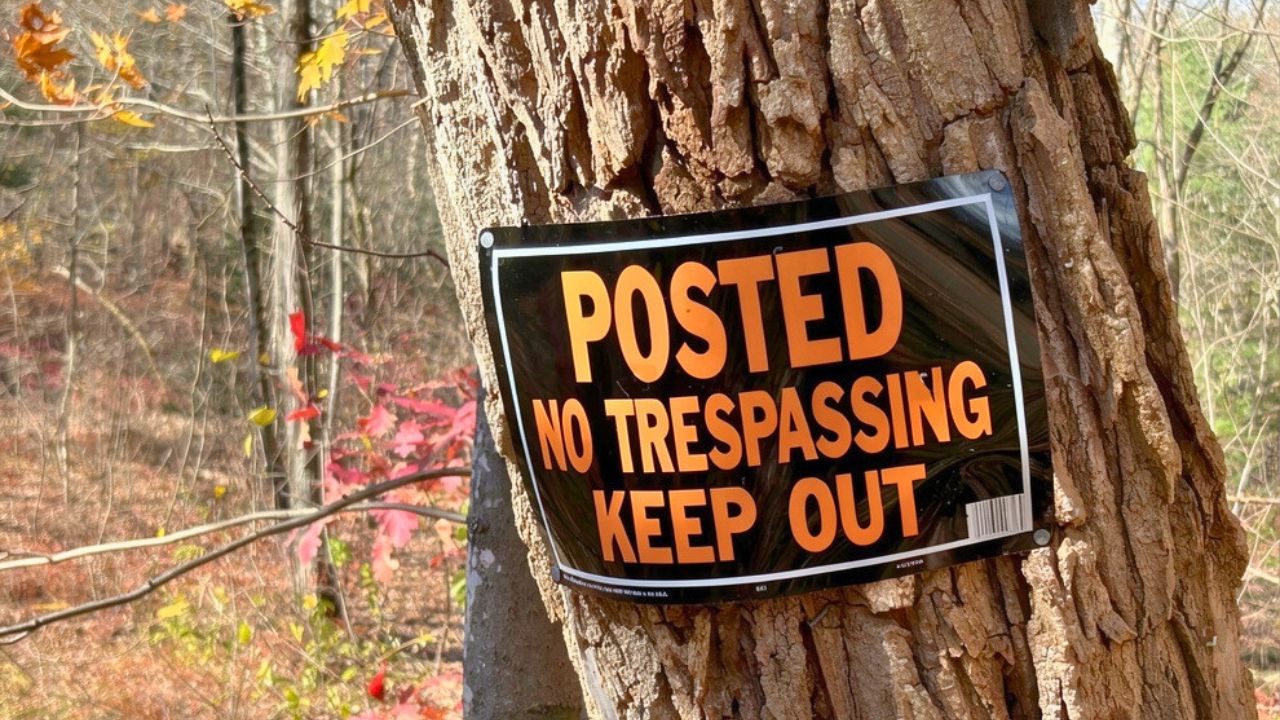
Photo credit: ImprovIzzy/Shutterstock.com
A lot of landowners assume the law is simpler than it really is. They figure if somebody steps onto private ground without permission during hunting season, that is the end of the story. In principle, that sounds right. It is your land, and nobody ought to be using it without asking. But where people get tripped up is in the details. They assume the law works one way, then find out the hard way that enforcement depends on things like proof, notice, boundaries, and what exactly the hunter was doing once he crossed over.
That is why trespass problems drag out more than they should. It is usually not because the landowner is wrong to be mad. It is because the law is one thing, and proving what happened well enough for somebody else to act on it is another.
A lot of people think “I know they were out there” is enough
This is probably the biggest mistake. A landowner hears shots, sees a truck parked along the edge, or notices fresh tracks and immediately jumps to the conclusion that somebody was hunting on his place. Sometimes that is exactly what happened. Other times, it is not as open-and-shut as it first looks. A hunter may have been close to the line instead of over it. A vehicle may have been parked near your property but not tied to the person you think it was. Tracks may be old, or they may angle in from a direction you did not realize.
That does not mean ignore your instincts. It means slow down and get specific. The more exact you can be about where the person was, how they got in, where they parked, and what they were doing, the better your position gets. “Somebody was probably out there” is frustration. “There was a side-by-side at the west gate, boot tracks crossing under the fence, and a ladder stand 80 yards inside the timber” is something useful. A lot of landowners lose ground right here because they react before they gather enough to make the complaint stick.
They think being angry is the same thing as being prepared
I get why people get hot about this. If somebody is walking your land with a gun, setting stands, or scouting your deer without permission, it feels personal because it is personal. But anger does not help much once you are dealing with a real trespass issue. What helps is knowing your lines, knowing your access points, and knowing what you can show afterward.
A lot of folks would rather march out there and handle it face-to-face. Sometimes that works out. Sometimes it does not. And if the trespasser is armed, embarrassed, or just plain foolish, that kind of confrontation can go sideways in a hurry. The smarter move is usually to think like a landowner, not like a guy trying to win an argument in the woods. That means documenting what you found, calling the proper officer if needed, and building a record instead of a shouting match.
Some landowners are too vague about their boundaries
Another thing people get wrong is assuming everyone knows where the line is because they know where the line is. That is not always true. A boundary that seems obvious to you may not be obvious to a hunter easing through timber before daylight. Old fence lines, washed-out corners, missing signs, and unmarked creek bottoms create a lot of room for bad excuses and, sometimes, honest confusion.
That is why good landowners stay ahead of the problem. They do not just know where their boundaries are in their own head. They mark them in ways other people can understand. If a person has to duck under a fence, pass three posted signs, and walk through purple paint to get in, then the situation looks very different than if he wandered through a rough tree line with nothing clear in sight. A lot of trespass issues get easier to stop once the property becomes harder to misunderstand.
They think every trespass case gets handled the same way
This is another one that catches people off guard. Not every trespassing situation is treated alike. There is a difference between somebody stepping across the line once, somebody repeatedly hanging stands and cameras, and somebody using your place as access to other ground. There is also a difference between hunting, scouting, recovering game, and simply crossing through. That does not make any of it acceptable, but it does affect how the situation gets viewed and what kind of response you are likely to get.
That is why details matter so much. If you tell an officer, “Somebody has been on my property,” that is broad. If you can say, “There is a trail camera on my north fence line, a stand in the creek bottom, and fresh ATV tracks cutting in from the back road,” now you are describing a pattern. Patterns are a lot harder to shrug off than gut feelings. Landowners who understand that tend to get farther than the ones who only focus on how aggravated they are.
A lot of people do not fix the reason it keeps happening
This may be the most practical mistake of all. Somebody trespasses once, the landowner gets mad, maybe makes a call, maybe has a talk with a neighbor, and then leaves the property exactly as easy to enter as it was before. Next season, the same thing happens again. That is not bad luck. That is unfinished business.
If people can slip through a weak corner, a washed-out fence, an unmarked creek crossing, or an old gate that never gets checked, some of them are going to keep doing it. The long-term answer is not only catching them. It is making the land harder to misuse in the first place. Better marking, tighter access points, cameras where they actually matter, and regular checks before season do more good than most angry conversations ever will. The hunters who like to cut corners usually keep using the same easy routes until somebody forces them to change.
The law matters, but control matters more
What most landowners get wrong about hunting trespass laws is that they expect the law by itself to solve the problem. The law matters, no doubt about that. But in the real world, the landowner who does best is the one who combines the law with control. He knows his lines. He marks his property. He documents what he finds. He avoids handling armed strangers with emotion. And he fixes the weak spots that made the trespass easy to begin with.
That is really the difference. The people who stay stuck in these problems keep reacting to each new incident like it is the first one. The people who get ahead of them treat trespassing like a property-management issue, not just a personal insult. That mindset is usually what keeps a bad season from turning into a repeated one.
Like The Avid Outdoorsman’s content? Subscribe to our newsletter so you never miss an article.
Here’s more from us:


