Image Credit: Anwarrov/Shutterstock.
As an avid outdoorsman and a gardener with years of digging in the dirt, I’m always on the hunt for natural ways to make gardening easier and more sustainable. One challenge we all face is weeds—they’re relentless. Over the years, I’ve tried everything from mulching with cardboard to the classic vinegar spray. But one of the most effective (and frankly beautiful) solutions I’ve come across is planting blue mistflower. This hardy perennial doesn’t just look good; it earns its spot by being a weed-suppressing powerhouse.
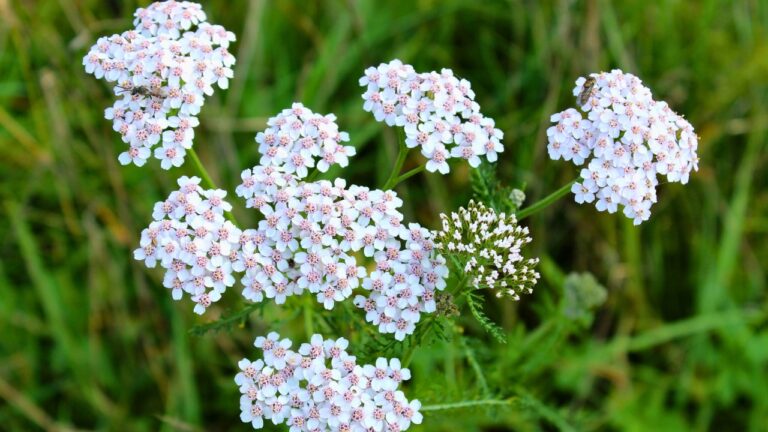
Native to North America, blue mistflower, sometimes called hardy ageratum, thrives in a variety of conditions and requires little fuss. Its clusters of bluish-purple blooms bring a soft, calming hue to your garden while working behind the scenes to outcompete those pesky weeds. If you’re looking for a low-maintenance, eco-friendly way to manage weeds, this plant deserves a spot in your backyard.
Why Blue Mistflower Works So Well
The blue mistflower fights weeds with dense foliage that acts like a living mulch. Once it’s established, it creates a thick carpet that blocks sunlight from reaching the soil, which is key to preventing weed seeds from germinating. For those of us who’d rather spend time enjoying our gardens instead of constantly pulling weeds, this is a game changer.
But here’s where it gets even better: blue mistflower doesn’t just take up space—it outcompetes weeds for water and nutrients, effectively starving them out. Its sprawling nature makes it ideal for filling in problem areas where other plants struggle, like under trees or along borders. As a bonus, this flower blooms in late summer when your garden might need a pop of color.
And let’s not forget the wildlife. This plant is a magnet for pollinators like bees and butterflies, which are essential for keeping your garden thriving. Adding blue mistflower means you’re not just battling weeds; you’re supporting the entire ecosystem in your yard.
Planting and Maintaining Blue Mistflower
Setting yourself up for success with blue mistflower is simple, even if you’re new to gardening. This plant is forgiving—it grows well in full sun or partial shade and adapts to a range of soil types. While it prefers moist, well-drained soil, I’ve seen it hold its own in less-than-ideal conditions, which makes it a reliable choice for tricky spots in your garden.
To maximize its weed-suppressing abilities, plant blue mistflower where weeds are most persistent—along pathways, in open spaces, or around your vegetable patch. Its fast-spreading nature means it’ll quickly dominate these areas, leaving little room for weeds to take root. That said, the same trait can make it a bit aggressive, so regular trimming is key. I like to cut mine back after it flowers to keep it from overrunning the space.
Another pro tip? Pair blue mistflower with other ground-cover plants to create a layered effect that’s both functional and visually appealing. This combo strengthens your weed barrier and brings some diversity to your garden beds.
The Payoff: A Healthier, Low-Maintenance Garden
Blue mistflower isn’t just another pretty face in the garden. Its natural weed-suppressing properties save you time and effort while giving your yard a polished, vibrant look. Plus, with pollinators buzzing around, you’ll have a healthier garden that practically takes care of itself.
For me, gardening is about working with nature, not against it. Blue mistflower fits perfectly into that philosophy. If you’re tired of battling weeds and want a solution that’s as practical as it is beautiful, this plant is worth a try. Just remember to keep it in check, and you’ll have a stunning, low-maintenance garden that you can truly enjoy.
Like The Avid Outdoorsman’s content? Be sure to follow us.
Here’s more from us:
*This article was created with the assistance of AI.