
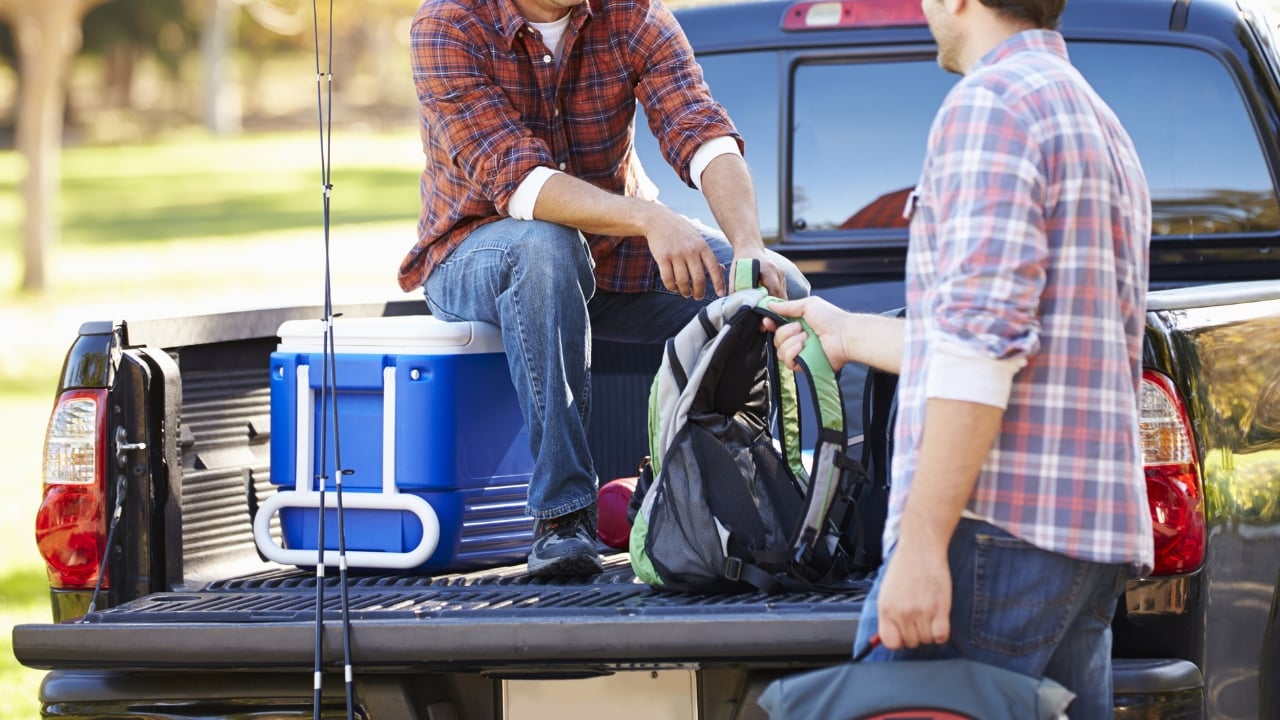
Photo credit: Monkey Business Images/Shutterstock.com
A dark boat ramp parking lot can feel peaceful until you realize how much is happening before the sun comes up. Trucks are rolling in with trailers, headlights are swinging across the lot, people are loading gear, boats are being prepped, and everybody is half-awake while trying to beat the morning rush. That is exactly when small problems get missed.
The parking lot problem every fisherman should watch for before daylight is someone hanging around who does not seem to be launching, fishing, meeting a buddy, or doing anything that makes sense for the place. Maybe they are sitting in a running vehicle near the ramp. Maybe they are walking between trucks. Maybe they keep watching people load gear. It does not always mean something bad is happening, but it is worth noticing before you get distracted by rods, coolers, bait, and boat straps.
Pay attention before you start unloading
A lot of fishermen pull into the lot and immediately get busy. They jump out, drop the tailgate, start moving tackle, check the plug, grab life jackets, and get tunnel vision. That is normal, but it also means you may not notice who is around you until they are too close.
Before you start unloading, take ten seconds and look around. Notice which vehicles are occupied, who is walking, who appears to be with a boat, and who seems out of place. You are not trying to act paranoid. You are getting your bearings. A quick scan gives you a better sense of the lot before your hands are full and your attention is split between the boat and the ramp.
Watch for people who keep drifting closer
Most folks in a boat ramp lot have a reason to be there. They are backing a trailer, helping a buddy, carrying gear, walking to a boat, or headed to the bank to fish. The person worth paying attention to is the one who keeps drifting toward vehicles without an obvious reason.
If someone slowly works closer while you are loading rods or digging through storage compartments, do not ignore it. Keep your distance, close compartments you are not using, and avoid turning your back for long. If they ask for help, directions, gas money, or a jump before daylight, you can answer from space. You do not have to let a stranger step right into your workspace while your gear is scattered and your truck is open.
Don’t leave expensive gear sitting loose
Boat ramp parking lots are full of easy targets. Rods leaned against a tailgate, tackle bags sitting by a tire, electronics in plain view, coolers in the bed, and wallets left in cup holders can disappear fast. Before daylight, it is even easier for someone to grab something and be gone before anybody realizes what happened.
Keep your gear either in your hands, in the boat, or locked up. Do not scatter equipment across the pavement while you get organized. If you are launching with another person, have one of you stay with the boat and gear while the other parks. A little organization keeps honest mistakes from becoming expensive ones, and it makes you less appealing to someone looking for an easy grab.
Keep your truck locked when you leave it
This sounds obvious, but plenty of people forget it at the ramp. They are focused on launching, parking, getting the boat off the trailer, and making sure the motor starts. In the rush, the truck gets left unlocked with phones, bags, pistols, wallets, or tools inside. That is asking for trouble.
Lock the doors every time you walk away, even if you think you will only be gone for a minute. Do not leave valuables visible. If you carry, never leave a firearm loose in the vehicle. Use a secure lockbox where legal and appropriate, or keep it properly on you if that is your plan and you can do so responsibly. A boat ramp lot is not the place to get casual with valuables.
Be careful with strangers asking for help
Some people genuinely need help at the ramp. A dead battery, flat tire, bad trailer light, or stuck boat can happen to anyone. Fishermen tend to help each other, and that is a good thing. But before daylight, you still need to use judgment.
If someone approaches asking for help, keep space and look at the whole situation. Where is their vehicle? Are they alone? Does their story make sense? Are they trying to draw you away from your truck or boat? You can be helpful without being careless. Offer to call someone, shine your headlights from a distance, or get ramp staff if available. You do not have to walk into a dark corner of the lot because a stranger asked you to.
Park under light when you can
If the lot has lights, use them. A well-lit spot makes it easier to see what is happening around your truck and trailer. It also makes your vehicle less attractive to someone trying to break in without being noticed. You may not always get the perfect spot, especially on a busy weekend, but it is worth thinking about.
If there are no lights, park where your vehicle is visible from the ramp or a main traffic path. Avoid the far back corner if you do not need the space. Some fishermen park as far away as possible because it is easier to maneuver with a trailer, and sometimes that makes sense. Just remember that convenience needs to be balanced with visibility, especially before sunrise.
Don’t get boxed in if something feels off
When you pull into a dark ramp lot, think about how you would leave if you needed to. Do not nose into a tight spot with your trailer if you are unsure about the people or vehicles around you. Do not park so close to another vehicle that you cannot move easily. If something feels wrong, keep your truck positioned so you have options.
That does not mean you need to act dramatic. It means you should avoid trapping yourself while you are still figuring out the scene. A trailer makes quick movement harder, and a boat ramp parking lot can clog up fast. Give yourself room, especially if you are alone or launching in a place you do not know well.
Let someone know where you launched
This is one of those habits that sounds small until it matters. If you are fishing alone before daylight, tell someone which ramp you are using and roughly where you plan to be. Send a quick text before you launch. If you move to another ramp, update them.
That helps for more than safety on the water. It also helps if your truck has a problem, if you get delayed, or if someone notices something strange in the parking lot. A lot of fishermen are careful about weather, fuel, and gear but forget basic communication. Letting someone know your plan is easy and worth doing.
Trust your gut without making a scene
If someone gives you a bad feeling in a dark parking lot, you do not need to prove anything. You do not have to confront them, accuse them, or act tough. You can wait in your locked truck until more people arrive. You can move closer to the ramp lights. You can call a buddy. You can leave and launch somewhere else.
That is not being scared. That is using your head. Before daylight, your visibility is limited, your hands are busy, and most people around you are strangers. If the situation feels off, make a quiet adjustment. The best safety decision is usually the one that keeps you from needing a bigger one.
Keep your head up after the trip too
A lot of fishermen watch the lot carefully before sunrise but get sloppy when they come back in. After a long day, you are tired, sunburned, hungry, and focused on loading the boat. That is when gear gets left sitting out, truck doors stay open, and people stop paying attention.
The same rules apply when you return. Look around before you start loading. Keep valuables close. Lock up once the truck is parked. Do not let exhaustion make you careless. Boat ramp parking lots are busy places, and busy places attract both good people and people looking for opportunity.
Before daylight, the ramp lot deserves your attention. Most mornings will be fine, and most people there are trying to do the same thing you are: get on the water and enjoy the day. But one person hanging around for the wrong reason can change the mood fast. Watch the lot, keep your gear tight, leave yourself room, and trust your gut when something does not look right.
Like The Avid Outdoorsman’s content? Be sure to follow us.
Here’s more from us:


