Photo credit: Imagec Credit: Poppy Pix/Shutterstock.com
Walking into your first defensive handgun class is an entirely different experience than a casual day at the range. It’s not about group size or showing off your gear. It’s about learning how to run your gun under pressure—safely, quickly, and with purpose.
If you’ve never done this kind of training before, expect to be pushed. You’ll be learning new skills, unlearning bad habits, and probably feeling a little overwhelmed. That’s all part of the process. Here’s what you can expect.
Expect to Start with the Basics
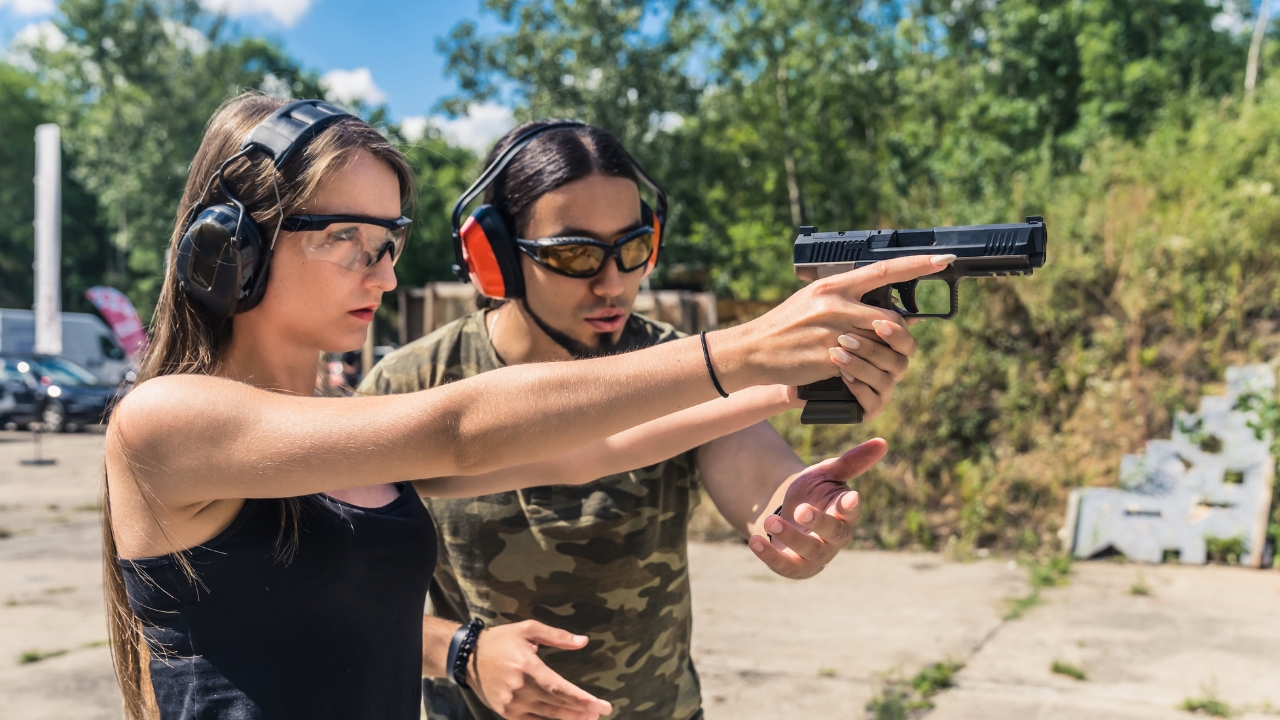
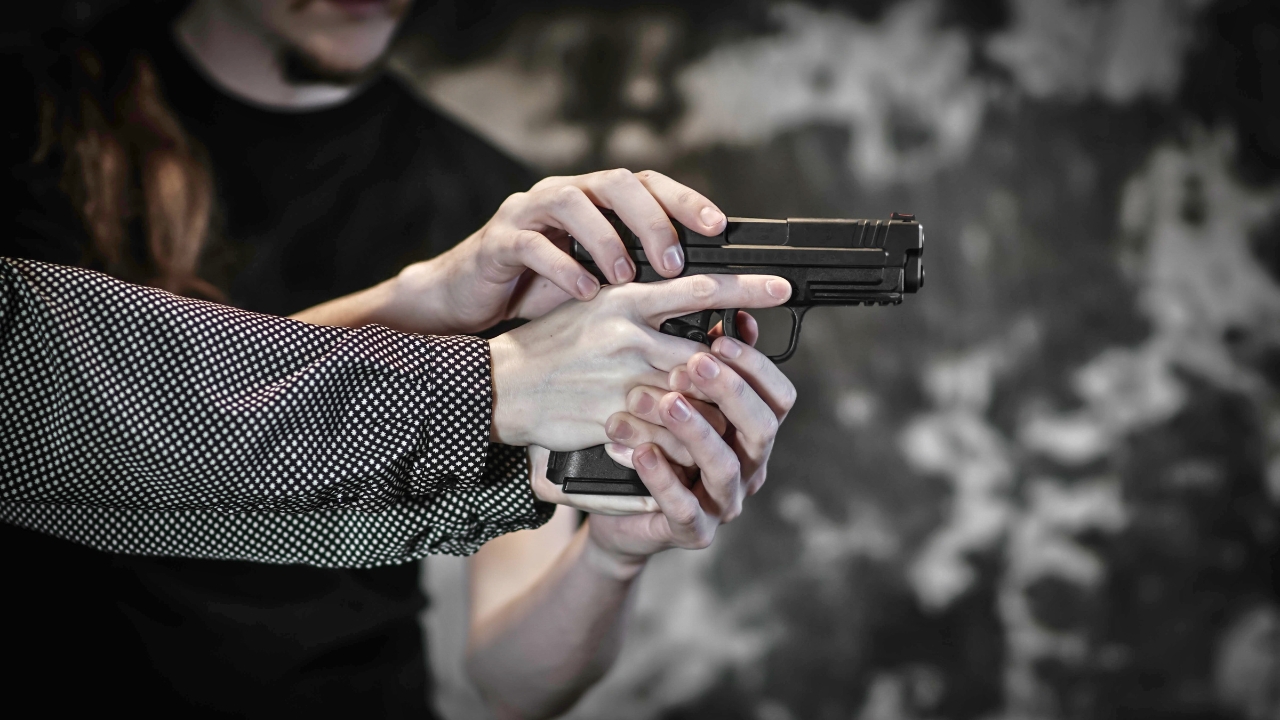
Even if you’ve been shooting for years, expect to begin with the fundamentals. Grip, stance, sight alignment—it all gets covered. Instructors want to make sure everyone’s starting from the same place, and that usually means stripping bad habits and rebuilding clean technique.
It might feel slow at first, but don’t tune it out. The small stuff matters more than most folks realize. You’re learning how to move with purpose, handle your gun safely under stress, and build muscle memory that actually works when it counts.
Safety Will Be the Top Priority
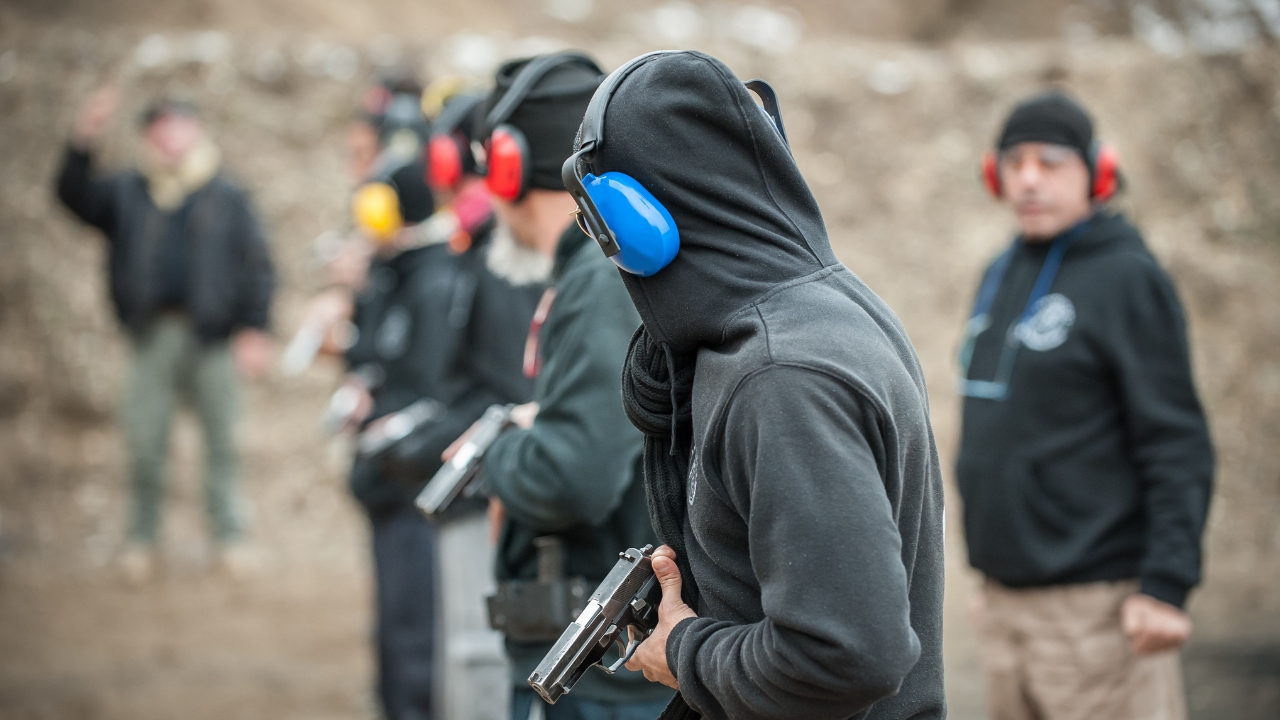
Expect safety rules to be repeated constantly—and enforced hard. You’ll be under a microscope, especially early on. Muzzle awareness, trigger discipline, and clear communication are non-negotiable.
It’s not about being harsh. It’s about making sure no one gets hurt and everyone leaves better than they came. A good class will correct mistakes fast and explain why they matter. Take it seriously. The habits you build here carry over into every situation afterward.
You’ll Do a Lot of Dry Practice
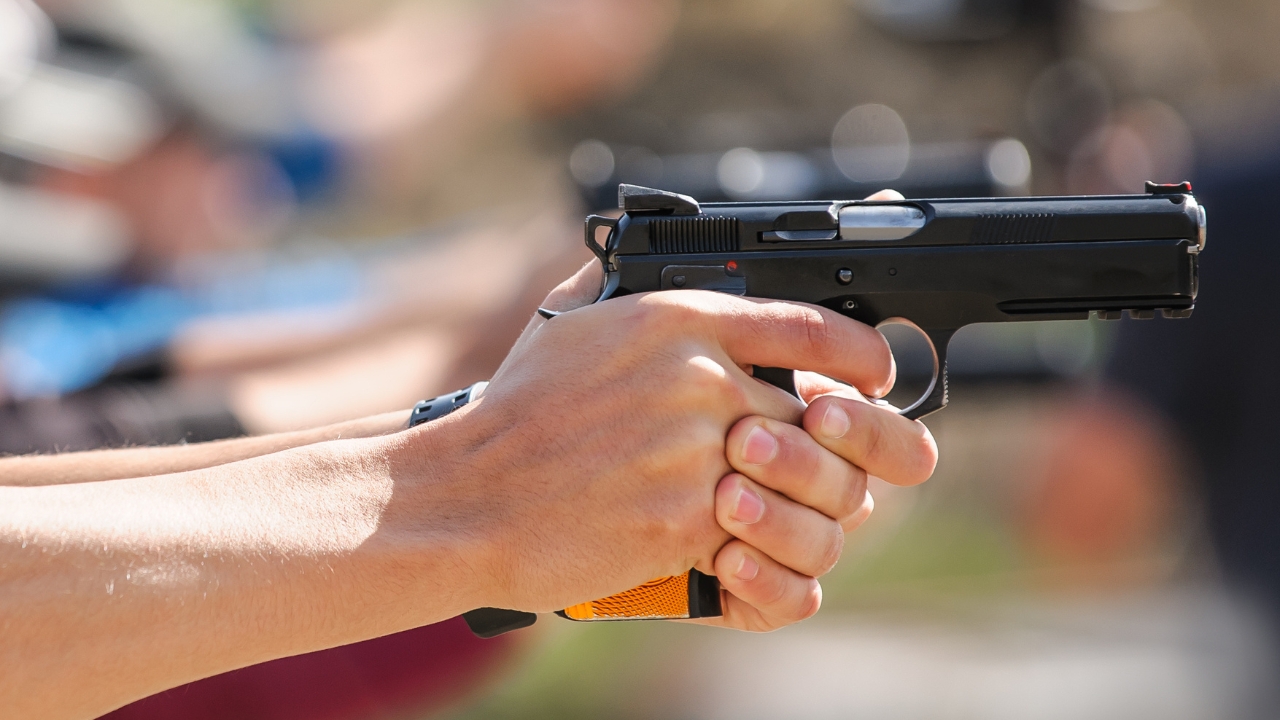
Before you even fire a live round, expect to spend time drawing, presenting, and practicing reloads without ammo. Dry reps are where you build the foundation, and most instructors don’t let you skip it.
Don’t let your ego get in the way. Moving slow and smooth now sets you up to move fast and clean later. These drills are where you iron out hesitations and sharpen your transitions without wasting rounds.
Your Gear Will Get Tested

If you’ve never run your carry setup hard, this is where weaknesses start showing. Cheap holsters shift. Poorly adjusted belts sag. Backup mags fall out. You’ll learn quick what works and what doesn’t under pressure.
It’s better to figure that out on the range than in a real-life situation. Bring a quality holster, plenty of mags, and gear you don’t have to babysit. You’ll appreciate it once things start moving faster.
Expect to Be Mentally Tired
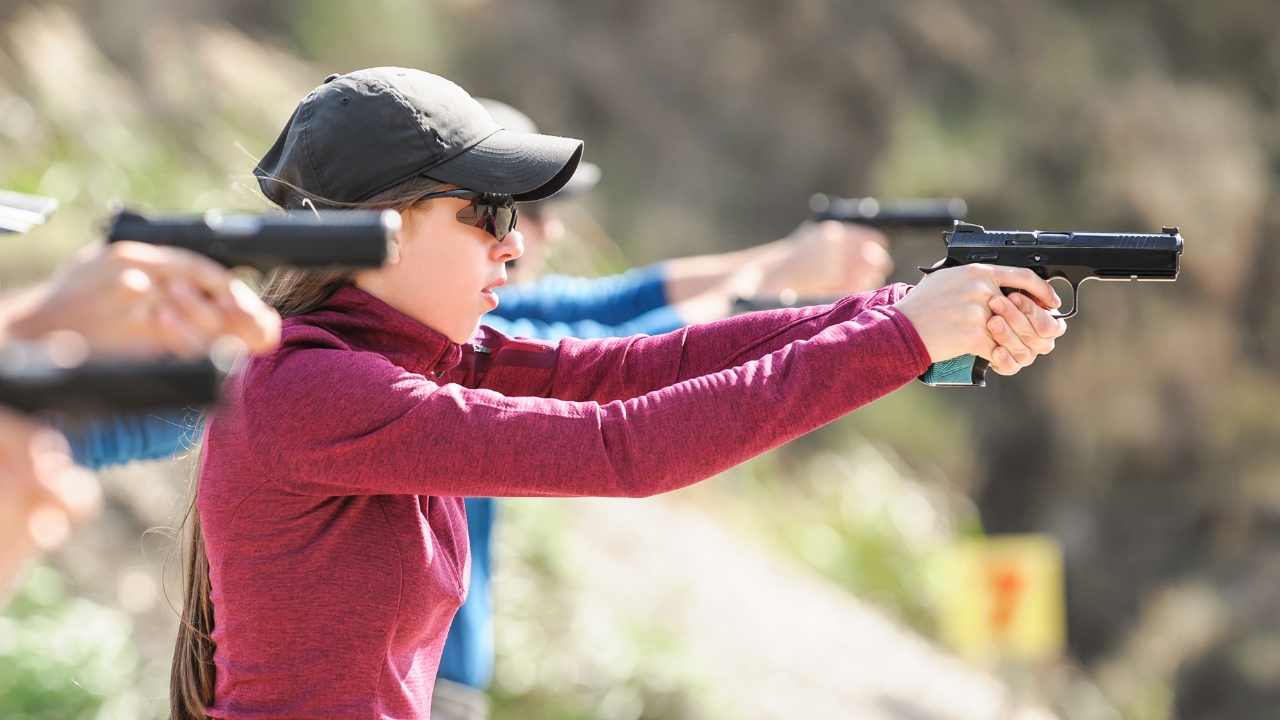
Defensive handgun classes aren’t just about pulling the trigger. You’re making decisions, processing commands, and staying switched on the whole time. That mental load builds fast, especially if this is your first time training this way.
By the end of the day, you’ll be wiped—and that’s normal. It’s part of the process. You’re building awareness, not just accuracy. Stay engaged, ask questions, and keep your focus sharp.
You’ll Learn to Draw Under Pressure
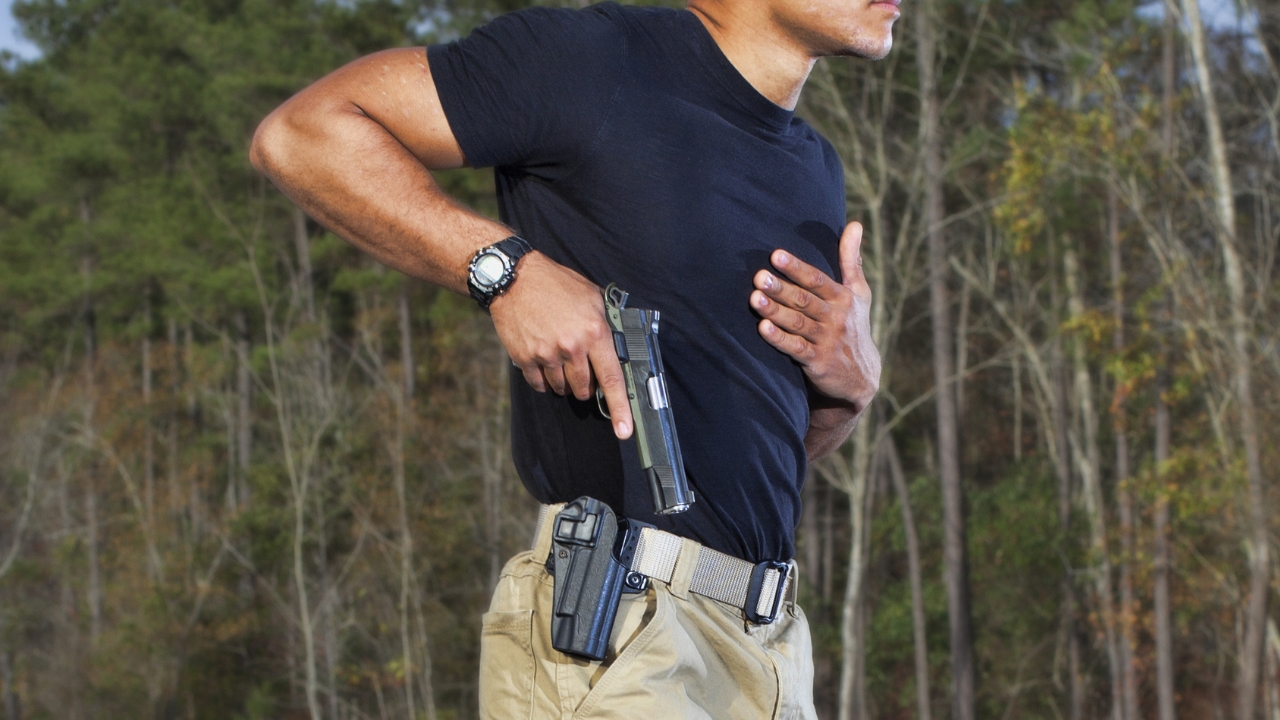
Drawing from concealment is a lot different when you’re being timed or watched. You’ll work through clearing your cover garment, getting a solid grip, and presenting the gun quickly without fumbling.
It’s not about being flashy—it’s about being consistent and safe. Don’t be surprised if your first few draws feel awkward. That’s normal. With coaching and reps, it starts to smooth out. The goal is building clean, repeatable movement you can count on when it matters.
Reloading Drills Will Be Frequent
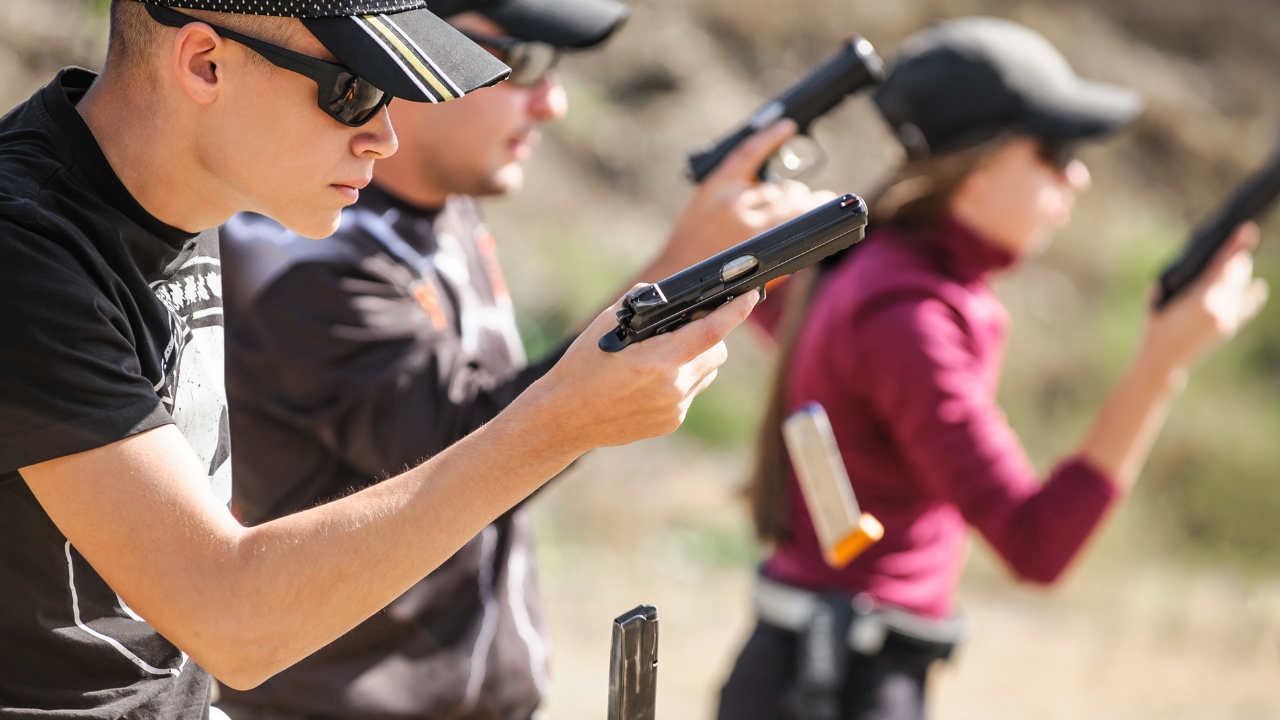
Speed reloads, tactical reloads, emergency reloads—you’re going to run them all. These aren’t just about swapping mags; they’re about doing it under stress without breaking focus.
If you’ve only ever reloaded at the range during casual plinking, this’ll feel different. You’ll be expected to move fast, stay aware, and keep the gun running without hesitation. Bring extra mags and make sure you’ve got solid pouches that actually hold up.
You’ll Get Called Out—And That’s a Good Thing
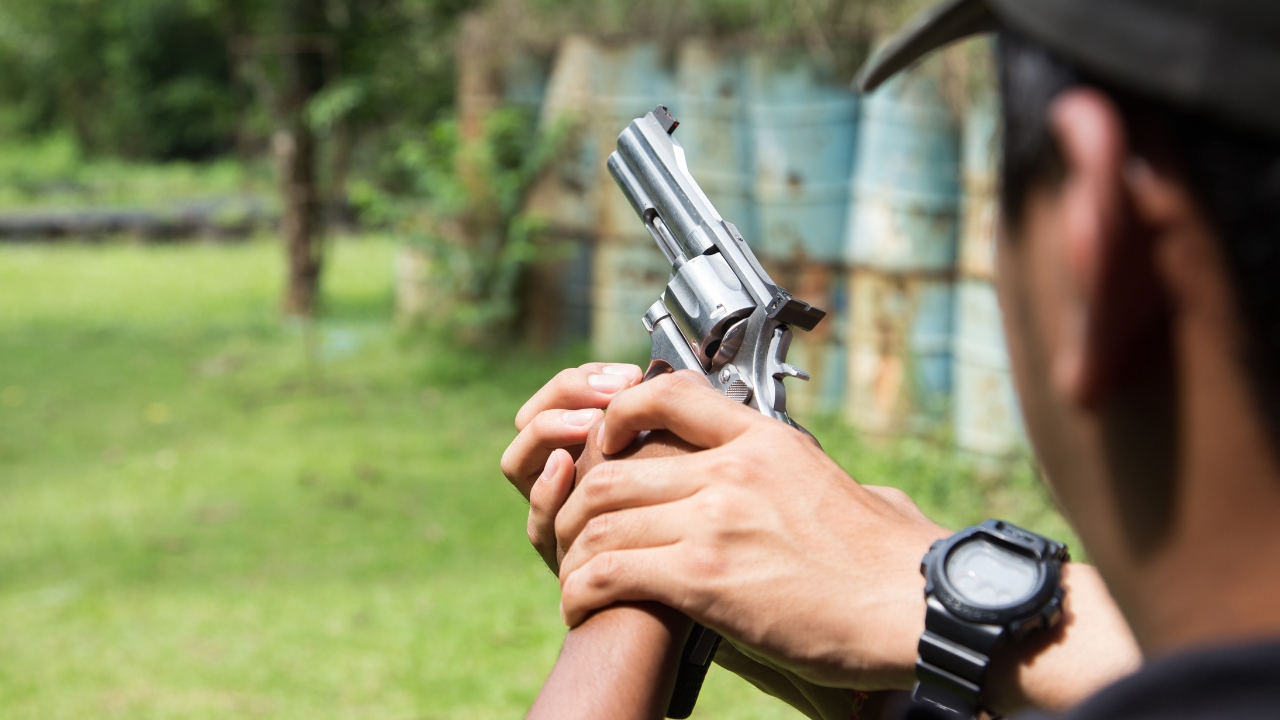
A good instructor won’t let sloppy habits slide. If your trigger finger lingers, your grip’s off, or your draw is sloppy, expect to hear about it. That’s not a knock—it’s how you get better.
The feedback might feel sharp, but it’s never personal. These folks are there to make you safer and more capable. Listen, adjust, and don’t take it to heart. Growth happens when someone’s willing to point out what needs fixing.
You Might Shoot Less Than You Think
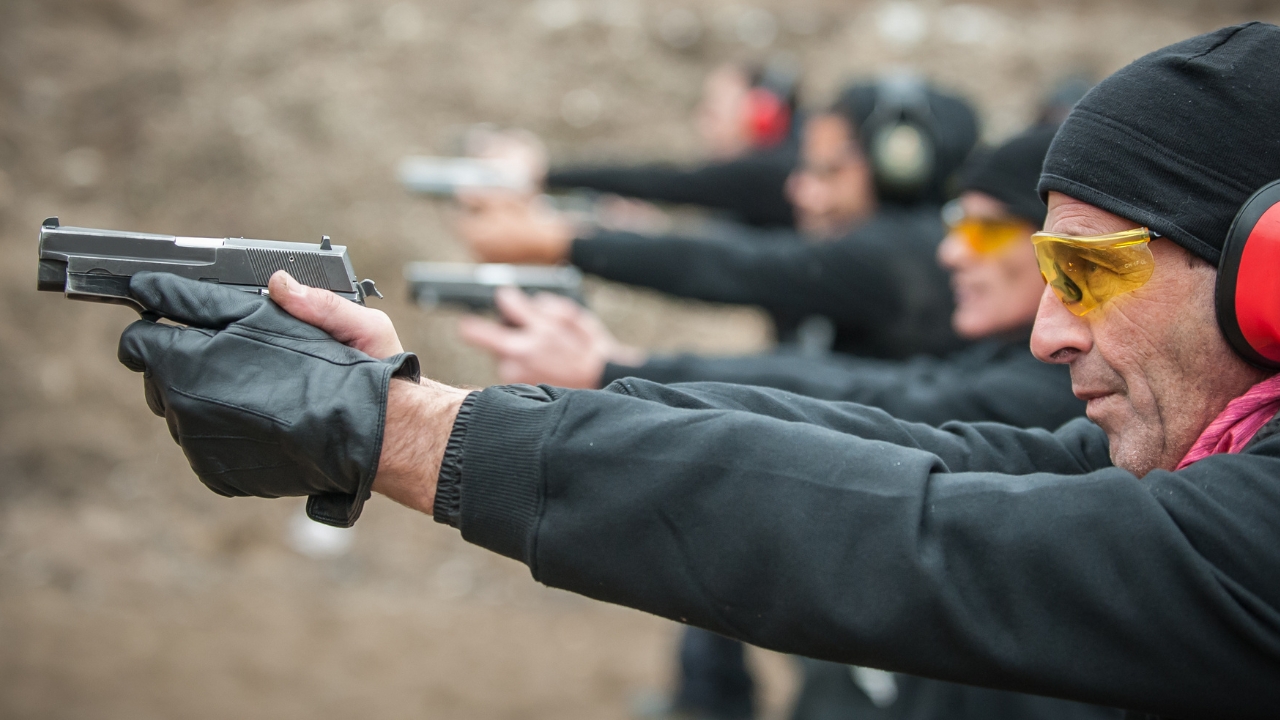
Don’t expect to burn through 500 rounds in one afternoon. Most classes focus more on quality reps than mag dumps. There’s a ton of value in slow, controlled drills with coaching between strings.
You’ll get more out of 200 thoughtful shots than 1,000 sloppy ones. The focus is on making each round count, not just pulling the trigger. And when the live fire starts, it’s going to build off everything you did in dry practice.
You’ll Leave With a Lot to Work On
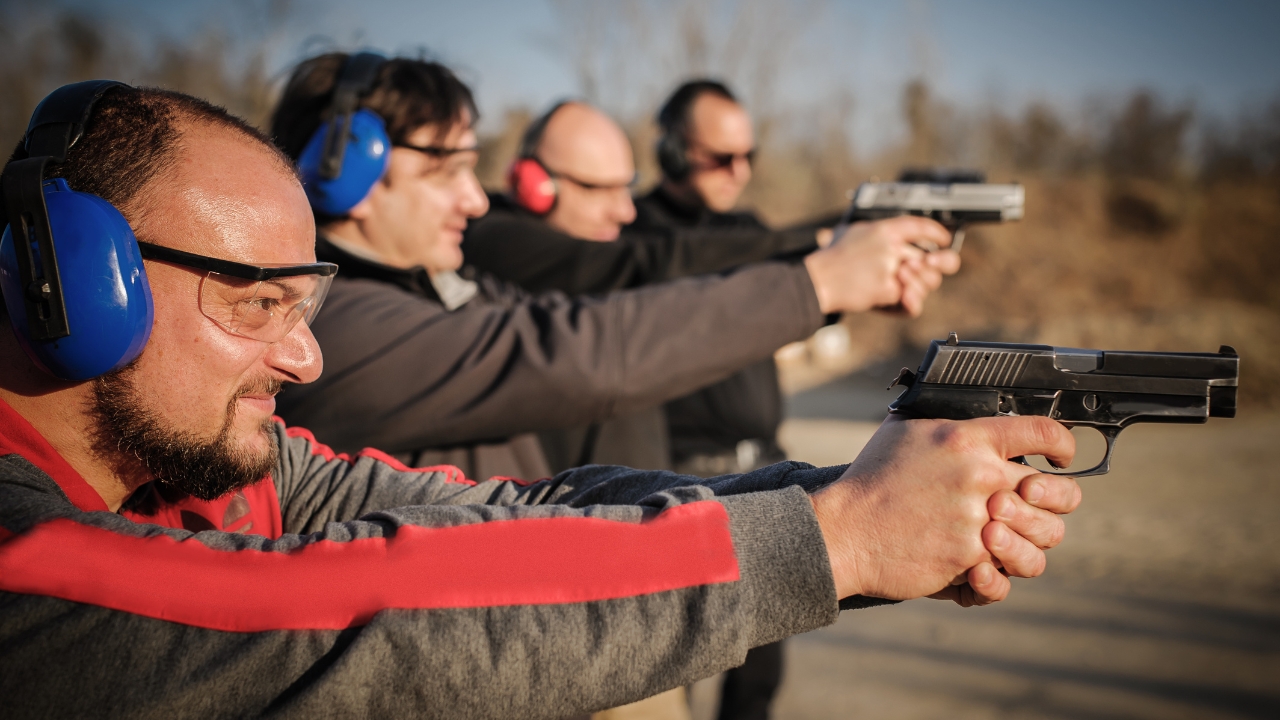
No one walks out of a defensive handgun class a finished product. You’ll leave with a list of things to tighten up—maybe your grip, maybe your reload speed, maybe your mindset. That’s exactly how it should be.
The goal isn’t to master everything in one day. It’s to walk away with better habits, a clearer understanding of what real-world shooting looks like, and a plan to keep training. If you take it seriously, it’s just the start.
*This article was developed with AI-powered tools and has been carefully reviewed by our editors.