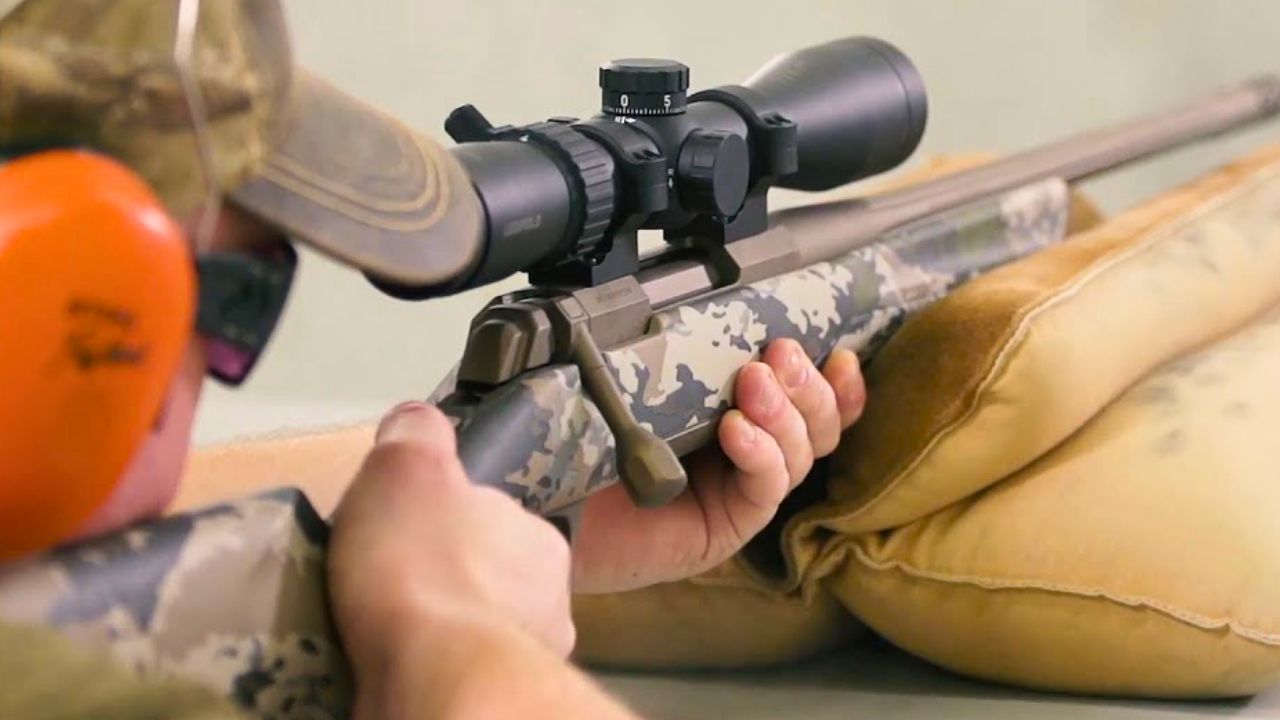
Photo credit: NRApubs/YouTube
Some rifles look flawless on paper—flat trajectories, tight factory test groups, and promises of sub-MOA accuracy. You read the specs, hold one at the gun counter, and think you’ve finally found “the one.” But then you get it on the range or into the woods and realize all that marketing doesn’t translate to real-world consistency. Rifles that seem perfect in theory can fall apart once dirt, temperature, or shooting position enter the equation. It’s not always the shooter—it’s the gun. Some designs are over-tuned, over-marketed, or just too finicky to handle the kind of use hunters and backcountry shooters throw at them. Here are a few rifles that look like heroes on paper but often fall short everywhere else.
Remington Model 783

On paper, the 783 seems like a solid budget rifle—stiff barrel, adjustable trigger, and a reputation for accuracy. But take it into the field and you’ll quickly notice its rough cycling and inconsistent bolt feel. The tolerances are tight enough to make it accurate when clean, but too tight to stay smooth when dust or grit gets involved. Some shooters also report wandering zero after minor bumps, especially with cheaper scope mounts. It’ll shoot small groups on a bench with match ammo, sure—but that doesn’t mean it’s going to hold that accuracy after a few hunts in real weather.
Ruger American Predator
The Ruger American Predator built its name on affordability and accuracy, and in fairness, it can be a tack driver when conditions are right. But its lightweight stock and flexible forend sometimes make consistency tricky. Rest the gun differently from one shot to the next, and your groups can open up fast. Add in rough bolt lift and inconsistent magazine feeding, and you start seeing why “sub-MOA guaranteed” doesn’t always mean field-accurate. It’s a rifle that can be great for the money—but it’s not the magic long-range tool the numbers suggest.
Mossberg Patriot

The Mossberg Patriot looks like it checks all the boxes: fluted barrel, spiral bolt, and a crisp trigger. But under stress, things change. The bolt throw feels sloppy, feeding can be hit or miss, and the plastic magazine tends to wear fast. It’s light enough to carry all day, but that light weight also makes it more sensitive to shooter error and recoil management. On paper, it’s a rifle designed to compete with the big names. In practice, it’s more of a “hope it works this trip” gun.
Savage Axis II XP
Savage rifles have a loyal following for good reason—they’ve produced some of the most accurate factory barrels out there. But the Axis II XP, especially in its scoped combo setup, tends to mislead buyers with expectations it can’t quite meet. The optics are low-end, the trigger feels inconsistent, and the synthetic stock flexes enough to throw shots. You can make it shoot, but you’ll probably end up replacing half the components first. On paper, it’s ready for the field; in reality, it’s a starting point for a project rifle.
Winchester XPR

When Winchester launched the XPR, it was meant to bring the brand’s reputation for reliability into a more affordable platform. It does well in some areas, but the action can feel gritty, and the feeding system isn’t as smooth as you’d expect from a company with that pedigree. Some shooters notice wandering zero after barrel heat or repeated cycling. On paper, it’s a rugged workhorse. In the field, it’s more temperamental than its specs let on—especially when you compare it to older Winchesters that still run flawlessly.
Tikka T3x Lite
The Tikka T3x Lite might be controversial to include here, but hear me out. It’s insanely accurate in controlled environments. But its lightweight build, while great for mountain hunts, makes it twitchy under recoil and inconsistent when shooting from improvised positions. Add in a thin barrel that heats fast, and you’ve got a gun that can shoot cloverleafs—then scatter the next group after a few quick shots. It’s a great rifle, but not the foolproof tack driver its reputation implies.
Browning X-Bolt Hell’s Canyon Speed
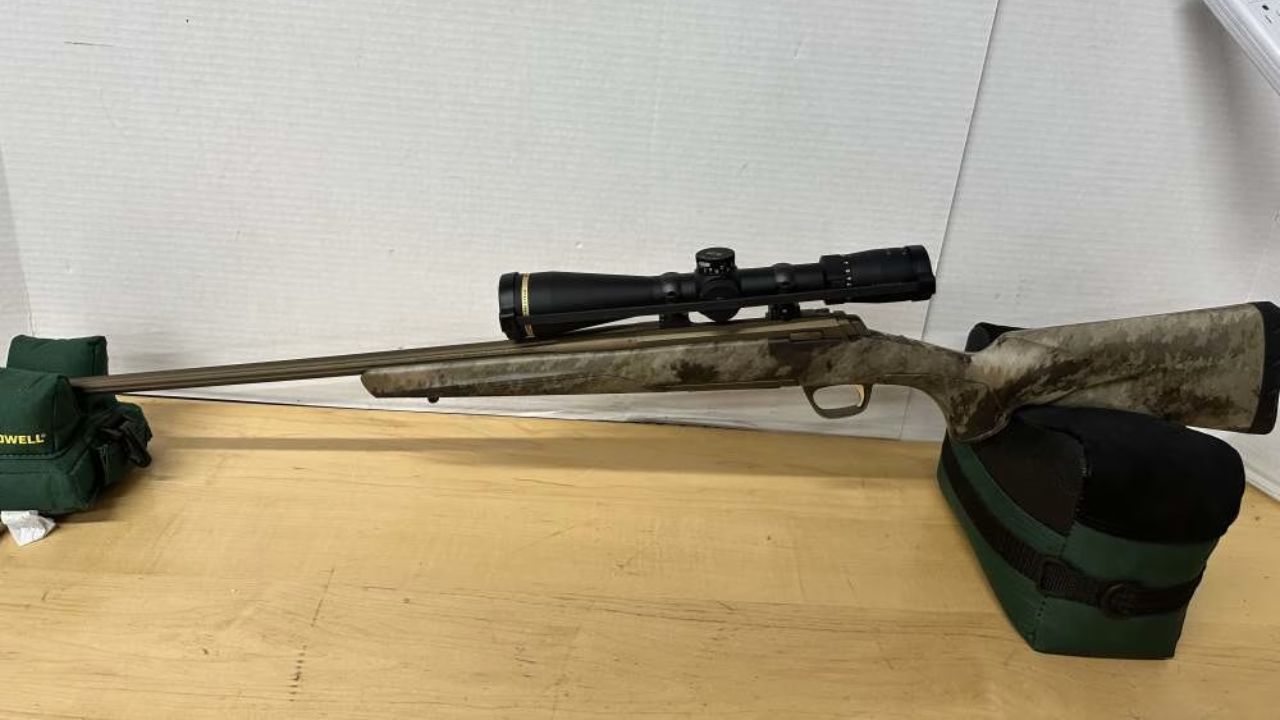
The Hell’s Canyon Speed reads like a dream rifle—great trigger, fluted barrel, Cerakote finish, and an adjustable brake. It looks like it should outperform everything in its price range. But once you start putting rounds through it in rough conditions, its lightweight barrel and tight chamber can get finicky fast. Heat makes it walk groups, and the carbon stock amplifies every twitch. It’s not a bad rifle, but for something that costs that much, it doesn’t forgive small mistakes the way a true field gun should.
Christensen Arms Ridgeline
If you want an example of paper perfection falling short in practice, look no further than the Christensen Arms Ridgeline. The specs scream precision—carbon barrel, sub-MOA guarantee, premium components—but inconsistency between rifles has plagued the model. Some shoot phenomenally. Others string shots and lose zero faster than expected. The ultralight carbon construction looks great, but it can also amplify harmonics and torque issues that show up after a few range trips. You’ll see stellar reviews online—but you’ll also hear plenty of frustration from folks who got the wrong one.
Like The Avid Outdoorsman’s content? Be sure to follow us.
Here’s more from us:
The worst deer rifles money can buy
Sidearms That Belong in the Safe — Not Your Belt
*This article was developed with AI-powered tools and has been carefully reviewed by our editors.