Photo credit: The Hooligan Outdoors/YouTube
We may earn revenue from products featured on this page through affiliate links.
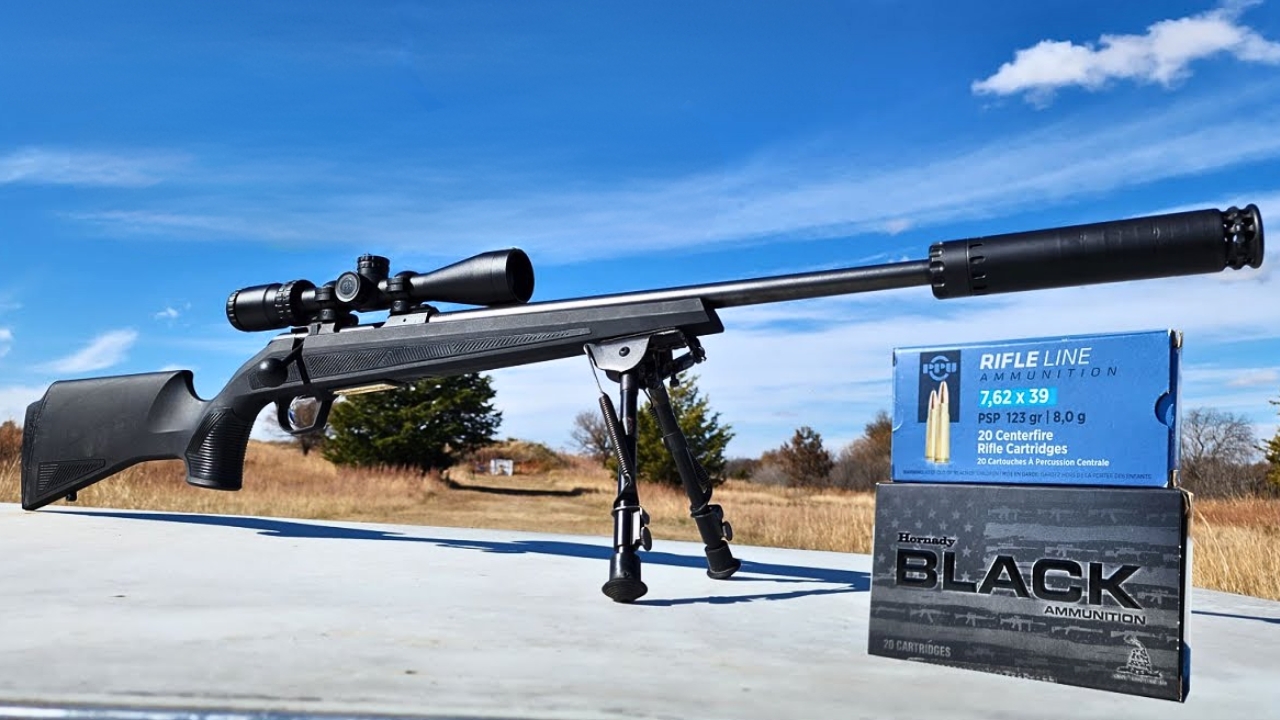
A lot of rifles get attention because they’re new, flashy, or they ride a wave of internet hype for a season. The CZ 600 is different. It’s the kind of rifle that keeps getting picked by hunters who actually shoot, actually hunt, and don’t feel like arguing about it online. That’s usually a good sign, because practical hunters don’t care about a brand’s marketing story nearly as much as they care about whether the rifle shoulders naturally, feeds clean, holds zero, and doesn’t do anything weird when it’s cold, wet, or dusty. The CZ 600 has been steadily earning trust because it checks those boxes in a way that makes sense for real hunting, and it does it without feeling like you need to “learn the rifle” before it will behave.
The other reason it keeps winning people over is that it fits the modern hunter’s reality. Most folks aren’t building a custom rig from scratch. They’re buying a factory rifle, mounting a scope, confirming zero, and going to hunt. They want a rifle that doesn’t require a bunch of tinkering to be dependable, and they don’t want to gamble on feeding issues, magazine problems, or a stock that feels like a toy once you’ve actually carried it and shot it from field positions. The CZ 600 family was clearly designed by people who understand that a hunting rifle should feel like a tool, not a project, and that’s why it keeps landing in the “makes sense” category for guys who spend more time outside than in comment sections.
It feels like a hunting rifle the moment you shoulder it
This is hard to quantify, but it matters. Some rifles can be accurate and still feel awkward in the hands, and that awkwardness shows up at the worst time. The CZ 600 tends to point naturally, and the geometry feels like it was built around real shooting positions, not just a bench. When a rifle shoulders the same way every time, you’re faster to the sight picture and less likely to fight your own setup when the shot is quick. That consistency is a big deal for hunting because you rarely get a perfect stance and a perfect rest. You get a window, a lane, or a gap in brush, and you’re trying to settle the rifle and break a clean shot without overthinking it.
A lot of practical hunters also like that the rifle doesn’t feel overly light and whippy in most configurations. Super light rifles are great until recoil starts punishing your follow-through, or until you realize the rifle never really settles when you’re trying to hold on an animal that won’t stop moving. The CZ 600 hits that middle ground where it carries fine, but it still has enough substance to feel steady. That steadiness makes normal hunting distances feel more repeatable, and repeatable is what you want when you’re shooting one cold shot at a living target instead of five calm shots at a piece of paper.
The action and feeding behavior are the kind you trust in the field
Hunters don’t talk about “feeding” much until they’ve had a rifle that didn’t. One bad jam on a follow-up shot will permanently change how you think about a rifle. The CZ 600 has earned points because the bolt lift and bolt travel feel smooth, and more importantly, it tends to feed like it should. That’s not exciting, but it’s the whole point of a hunting rifle. When you cycle the action, you want it to strip the next round, chamber it, and lock up without drama, even if you’re doing it in a hurry, even if your hands are cold, and even if you’re in an awkward position where you can’t run the bolt perfectly straight.
The practical advantage here is confidence. If you trust the rifle to feed, you don’t rush the first shot out of fear that you won’t get a second chance. You stay patient, you pick the right angle, and you break the shot when it’s there. And if you do need that follow-up because the animal moves or the first shot wasn’t as clean as you wanted, you can run the bolt without the rifle turning into a problem you have to solve. That is exactly the kind of quiet reliability that wins over hunters who have been burned by rifles that shot great on paper but acted different when the hunt got real.
It’s set up for modern optics and practical use without being fussy
A lot of factory rifles now assume you’re going to mount glass, but not all of them make it feel easy or natural. The CZ 600 tends to play well with modern scope setups because it doesn’t force you into weird compromises on mounting height or cheek weld the way some rifles do. A rifle can be accurate and still be a pain to get behind if your face never lands in the same place or if you’re constantly searching for the eyebox. Hunters who shoot a lot notice that immediately, because it turns a “good rifle” into something you don’t enjoy using, and if you don’t enjoy using it, you don’t practice with it.
The CZ 600 also appeals to the “mount it and hunt it” crowd because it doesn’t feel like it requires a bunch of aftermarket changes to be useful. Practical hunters aren’t allergic to upgrades, but they don’t want to be forced into them. If a rifle needs a new stock, a new trigger, and a bunch of tweaks just to feel solid, most people would rather buy something else. The CZ 600 tends to feel like it’s already a complete package in the areas that matter, and that’s a big reason it keeps getting recommended quietly by people who don’t normally recommend anything.
Accuracy is part of it, but the consistency is what people actually notice
Most rifles today are “accurate enough,” so accuracy alone doesn’t explain why one model keeps rising above the noise. What hunters notice with the CZ 600 is that it tends to be consistent. It doesn’t just shoot one great group and then wander. It tends to hold zero, behave predictably, and keep shooting to the same point of impact when conditions change. That’s what matters for hunting, because you don’t get to pick the same temperature, the same rest, and the same calm air every time you shoot. If a rifle is consistent, you can build trust with it, and trust is what lets you focus on the animal instead of second-guessing your equipment.
Consistency also shows up in how the rifle recoils and how it returns to target. A rifle that recoils in a predictable way is easier to shoot well because you can stay in the scope, watch the hit, and make a smart decision right after the shot. That matters for follow-ups and it matters for learning, because seeing what happened teaches you more than guessing. The hunters who like the CZ 600 tend to be the same hunters who care about repeatable performance more than they care about chasing the smallest group they can post online.
Practical hunters care about durability more than features, and that’s where it lands
There’s a difference between “features” and “durability,” and a lot of people confuse the two. Features are what get talked about in reviews. Durability is what gets proven after a couple seasons of real use. The CZ 600 has been winning people over because it feels like it’s built to take normal hunting abuse without turning into a headache. That includes being carried through brush, bumped around in a truck, exposed to rain, and used when your hands are cold and you’re not being gentle. A practical hunting rifle should tolerate real life. It shouldn’t need to be babied, and it shouldn’t punish you for using it like the tool it is.
That durability point matters a lot for guys who hunt hard but don’t want to run “tactical” gear. They want a rifle that looks like a hunting rifle, carries like a hunting rifle, and still holds up under the conditions they actually face. The CZ 600 fits that lane well, and that’s why you see it with people who are serious about hunting but not interested in turning everything into a lifestyle brand.
A sensible setup example that matches how most people really hunt
If you want to run a CZ 600 the way most practical hunters do, you keep it simple. You mount a reliable hunting scope in a reasonable magnification range, confirm your zero, and then you spend your time practicing from positions you’ll actually use. A 3-9x or something in that neighborhood covers most hunting inside sane distances, and the rifle’s job is to put the bullet where you send it without surprises. This is also where good rings, good mounting habits, and a scope that tracks reliably matter more than people want to admit, because a lot of “rifle problems” are really optics problems.
If you want a straightforward optic that’s easy to find at Bass Pro and fits the “practical hunter” mindset without turning the setup into something fussy, a Vortex Viper HS or similar hunting-focused line is the kind of scope people pick because it’s simple, durable, and clear enough in real light. That’s not a sales pitch; it’s just an example of the kind of optic pairing that matches the rifle’s strengths. The point is a setup that works every time, not a setup that looks cool on a bench. The CZ 600’s appeal is that it fits into that practical, repeatable approach without pushing you into a bunch of extra steps.
The bottom line: it wins because it’s predictable, not because it’s flashy
The CZ 600 keeps winning over practical hunters because it does the boring stuff right, and boring is exactly what you want in a hunting rifle. It shoulders naturally, it feeds and cycles clean, it holds zero, and it doesn’t demand that you turn ownership into a tinkering project. It gives you repeatable performance, and that repeatable performance turns into confidence when the shot is real. A lot of rifles can shoot a good group. Fewer rifles build the kind of trust that makes you stop thinking about the rifle and start thinking about the animal, and that’s the whole goal.
If you’re the type who hunts for real and wants a rifle that stays out of your way, the CZ 600 makes sense. It isn’t trying to impress anybody. It’s trying to work. And the reason it keeps getting picked is simple: hunters notice when something works, and they notice even faster when something doesn’t. The CZ 600 has been landing on the right side of that line for a lot of people.
Like The Avid Outdoorsman’s content? Subscribe to our newsletter so you never miss an article.
Here’s more from us: