Photo credit: Bryan_Kayne/Shutterstock.com
Every deer tag you punch comes down to a few inches of shot placement. When you know exactly where to aim, you get a quick, clean kill, a short blood trail, and meat that is not wrecked by bad hits. When you do not, you are suddenly tracking for hours and wondering what went wrong on a shot that felt perfect.
The spot most experienced hunters trust is not a secret, but it does demand that you understand a deer’s anatomy, read the angle, and keep your nerves in check when antlers finally fill your scope or peep. Once you lock in those basics, you can walk into any stand or blind already knowing where you will hold when the moment shows up.
Know the vitals before you ever pull the trigger
If you want a clean kill, your goal is simple: hit the heart and lungs. You are aiming for the vital pocket in the chest, just behind the front shoulder, where a bullet or broadhead can punch through both lungs and, ideally, clip the heart. That vital zone is roughly the size of a small dinner plate, but you are not shooting at a circle on paper, you are shooting at living anatomy that sits a little lower and a little farther forward than many new hunters imagine. Detailed breakdowns of Deer Anatomy 101 and other guides on Where Are The Deer Vitals all land on the same core advice: the heart and Lung combo is the fastest, most reliable way to put a deer down.
Once you picture what sits under the hide, your aiming point gets a lot more precise. The heart rides low in the chest, tucked just behind the front leg, with the lungs ballooning up and back from there. Anatomy-focused pieces on vital organs for a fast kill and on Deer Anatomy explain that a solid chest hit lets a deer travel only a short distance, often within 50 to 200 yards, before it expires. That is the standard you are aiming for every time you settle your pin or crosshairs.
The broadside shot most hunters trust
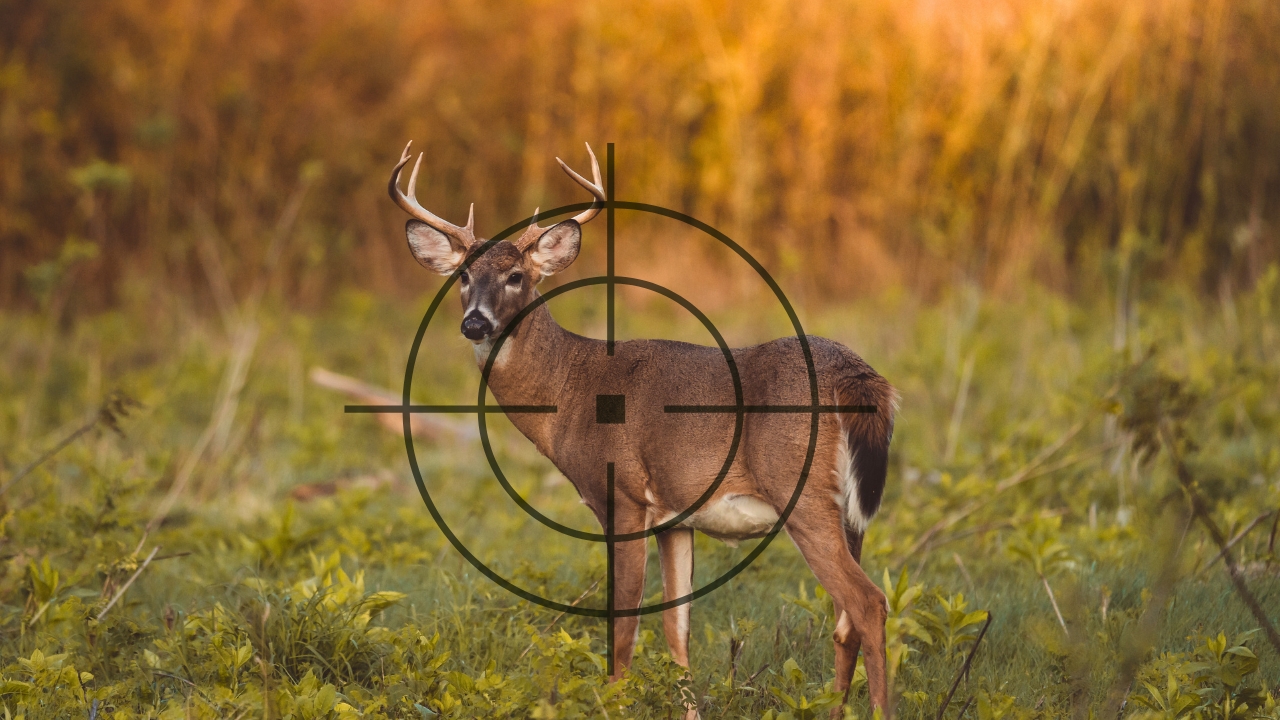
When hunters talk about the “perfect” opportunity, they are usually talking about a broadside deer. With the animal standing perpendicular to you, both lungs and the heart are exposed behind the shoulder, and you have a wide margin for error compared with other angles. A simple rule that shows up in multiple guides is to follow the front leg straight up and hold just below the halfway point of the chest, which lines your projectile up with that heart and lung pocket described in detailed “Where to Shoot a Deer” breakdowns. Training material on Shot Angles calls the Broadside angle the preferred option for both gun and bow because it exposes the largest target in the shoulder and chest area.
When you are broadside, you do not need to overthink it. You are not trying to “aim small” at the crease itself so much as drive your bullet or arrow through the center of the vitals. Modern shot placement guides, including those that walk through Where to Shoot a Deer: The Basics and newer breakdowns on Where To Shoot a Deer, keep coming back to that same hold: just behind the shoulder, slightly low in the chest. Get that picture burned into your mind and you will know exactly where to settle when a buck steps into your lane.
Quartering-away vs. quartering-to: pick your angles
Real deer rarely pose like 3D targets, so you need a plan for anything that is not perfectly broadside. A slight quartering-away angle is the next best thing, and many bowhunters actually prefer it. With the deer’s front end turned just a bit away, you can tuck your shot in behind the near-side shoulder and drive it forward into the far-side lung. Expert advice on quartering away shots explains that you should aim at the exit, not the entry, so you mentally draw a line from your impact point to the heart and lungs and adjust your hold so the path of the arrow or bullet crosses those vitals.
Quartering-to is a different story. When a deer is facing you at an angle, the near-side shoulder bone and heavy muscle can block the vitals, especially for archery gear. That is why bow-focused pieces that stress Bowhunting and Ethical shot choices urge you to wait until the deer turns broadside or slightly away. Rifle hunters have more penetration to work with, but even then, the safest bet for a quick, ethical kill is to pass on steep quartering-to angles and hold out for a shot that lets you reach both lungs instead of gambling on a single-lung or shoulder-hit animal that is hard to recover.
Guns vs. bows: same target, different margins
Whether you are shooting a .270 or a 60 pound compound, your aiming point on a deer’s chest does not really change. You are still trying to punch that heart and lung pocket behind the shoulder. What does change is your margin for error. A rifle bullet that hits a little high or a little back can still cause massive trauma and drop a deer quickly, while a broadhead that lands in the same spot might only clip one lung or slide into the liver. That is why bow-centric advice that ranks shot placement as a top priority, including pieces that tell you to Find the lungs, pushes you to be pickier about angles and distance than you might be with a centerfire rifle.
For rifle hunters, the temptation is to stretch shots or aim for flashy neck or spine hits. The problem is that those targets are tiny and easy to miss under real-world pressure. Guides that walk through Where the Best Place to Aim for Fast, Ethical Kills is located keep steering you back to the chest, because a double-lung or heart hit almost always means a short track and no need to shoot it again. Bowhunters see the same logic in resources that break down best shot placement for archers and in detailed Lethal Shot anatomy charts. Different weapons, same vital zone, just tighter standards when you are flinging an arrow instead of a bullet.
Calm your brain and commit to ethical shots
Knowing where to aim is only half the battle. The other half is keeping your head when a big-bodied buck suddenly appears and your heart rate spikes. Veteran hunters talk about “buck fever” for a reason. When a deer looks huge in the scope, your brain wants to rush, and that is when you slap the trigger, forget your aiming point, or shoot at the whole animal instead of the vitals. A practical five point plan on handling big deer reminds you that any target that seems too big to miss is a mental trick, and that you absolutely can miss it or do much worse if you do not slow down, pick a specific spot, and execute your shot. That advice, shared in a Dec post that stresses Always aiming small, lines up perfectly with the anatomy-driven guidance you see in more technical shot placement breakdowns.
Ethical hunting is not just about what happens after the shot, it starts with the decision to shoot at all. Modern resources that walk through Key Takeaways on Deer Anatomy and that focus on Ethical shot placement all hammer the same point: if you do not have a clear path to the vitals, you do not shoot. That might mean passing on a deer that is sharply quartering-to, waiting for a doe to step out from behind brush, or letting a buck walk because the distance is beyond what you can honestly handle. When you combine that discipline with a clear mental picture of the heart and lungs, and the confidence to hold that spot even when your adrenaline spikes, you give yourself the best odds of the clean, quick kills that experienced hunters trust and respect.
Like The Avid Outdoorsman’s content? Be sure to follow us.
Here’s more from us: