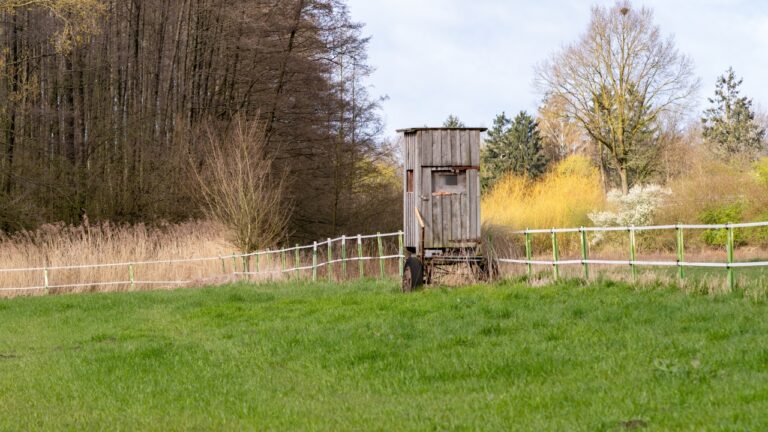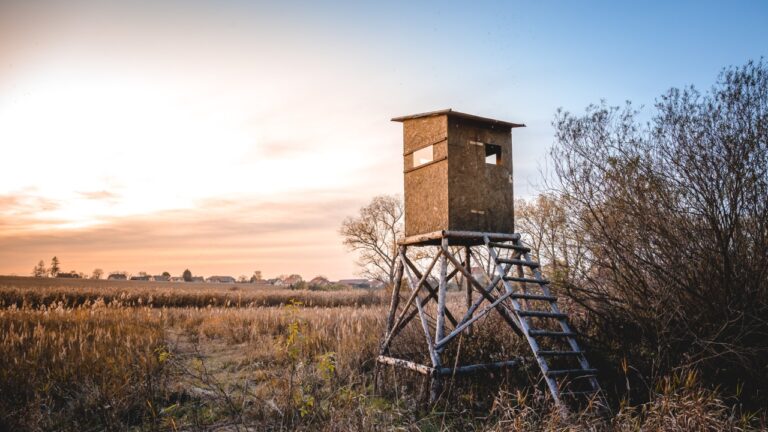
Photo credit: Mikhail Zvyagintsev/Shutterstock.com
Texas has pushed hard into digital hunting tools, but game wardens keep stressing a simple point: a license on your phone is not the same thing as a legally tagged animal. You can scroll through apps and confirmation numbers all day, yet if there is no physical tag on that deer or turkey when a truck pulls up behind your blind, you are the one on the hook. The state’s rules are written so that the animal itself carries the proof, not just your device.
Why digital convenience collides with old‑school tagging rules
You live in a world where nearly everything important, from boarding passes to bank accounts, sits behind a screen, so it feels natural to assume hunting regulations have fully caught up. When you hear that Texas offers digital licenses and harvest reporting, it is easy to believe that the phone in your pocket replaces the paper tags that used to ride in your wallet. That assumption is exactly what trips up hunters who discover, too late, that game wardens still expect a physical tag on the animal, even if every other part of your season has gone digital.
The core tension is that licensing and tagging serve different purposes. A digital license proves that you bought the privilege to hunt, while a tag attached to a carcass proves that a specific animal was taken under that privilege and within the rules. Texas has tried to bridge the gap with digital tools, but the regulations still insist that you, not your phone, create a durable, legible record on the animal itself. That is why wardens keep repeating that digital tags are not a free pass to skip the hands‑on steps that have defined legal hunting for decades.
What a digital license actually does for you
When you opt into a digital license, you are choosing a different way to carry proof of your hunting and fishing privileges, not a different set of harvest rules. Your digital license must be available while you are in the field, and you can pull it up through the official app by using the View and Connect Your Digital License feature on the home screen. That screen is what a game warden will want to see when checking whether you are properly licensed for the species and season you are hunting.
Digital licensing also ties directly into electronic harvest reporting, which lets you log a deer or turkey on your phone instead of filling out a paper log. The system is designed so that you can complete the reporting steps quickly after a shot, even in rough country, as long as your device is working. What it does not do is magically attach itself to the animal. The law still expects you to take the information from that digital record and turn it into something that physically rides with the carcass from the field to the processor or your driveway.
Paper license tags versus digital records
If you stick with a traditional paper license, you are handed a familiar toolkit: printed tags that you tear off and attach to each harvested animal. Under the state’s own Paper License Requirements, customers who buy this option at a retailer or online receive physical tags, and harvested animals must be tagged immediately after they are taken. The tag itself carries the key details, so once you fill it out and secure it, the animal is properly documented for transport and inspection.
Digital licenses replace that sheet of tear‑off tags with electronic entries, but they do not erase the tagging obligation. Instead of peeling a sticker, you complete a harvest report on your device, then you are responsible for turning that report into a physical marker that can survive blood, rain, and a bumpy ride in the bed of a truck. The difference is that with paper, the state hands you the tag; with digital, you create it yourself, and game wardens will judge your compliance by what is attached to the animal, not by what sits in your account history.
The physical tag Texas still expects you to make
Once you log a deer or turkey through the digital system, the rules do not stop at the last tap on your screen. You must then write the required information on a durable material, attach it to the harvest, and keep it legible for as long as the carcass is in transit or storage. The state’s own digital tagging instructions spell out that you, personally, are responsible for creating this field tag, and that a simple piece of sturdy paper, plastic, or similar material with the correct details is all that is required. The key is that the tag must stay with the animal, not in your pocket.
That physical tag has to carry enough information for a warden to match the animal to your digital record, including your identifying details and the harvest data you entered. The expectation is that if someone else is hauling your deer to a processor or back to camp, they can show that tag even if you and your phone are miles away. By forcing you to bridge the gap between digital and physical, Texas keeps the enforcement standard the same for every hunter, regardless of whether you chose a paper license or a smartphone screen.
How turkey tagging rules show the standard
Nowhere is the state’s insistence on physical tagging clearer than in the way it treats wild turkeys. The regulations spell out that the hunter must use the specific type of turkey tag, have the month and date of kill clearly cut out on the tag by notching the correct boxes, and attach it to the bird before it is moved. Official guidance on tagging wild turkey even explains where to attach the tag to the harvested turkey so that it stays secure and readable.
Those turkey rules apply regardless of whether your underlying license is paper or digital. If you are using a digital license, you still have to mirror the same level of clarity and permanence that a preprinted turkey tag provides. That means your handwritten tag must show the date and other required information in a way that is just as obvious as a notched paper tag. Game wardens are not interested in how you bought your license; they are interested in whether the bird in your truck bed carries a tag that meets the same standard they have enforced for years.
When your phone has no signal and the report is “Unsubmitted”
Texas knows that you do not always have a cell tower in sight when you drop a buck or a gobbler, so the digital system is built to work offline. If data service is not available, the harvest report will be saved by your device in an Unsubmitted status until you regain coverage. The rules then put the burden back on you: even while the report sits as Unsubmitted, you must still write out a tag and attach it to the deer or turkey as the person who harvested the animal.
That offline scenario is where many hunters get tripped up, because it feels like the job is done once the app shows a pending report. In the eyes of a game warden, though, an untagged carcass is a violation, even if your phone is full of unsent data. The expectation is that you will complete the physical tagging step immediately, then submit the digital report as soon as your device can connect. The sequence matters: tag first, upload later, so that the animal is always legal to transport, no matter what your signal bars say.
What game wardens keep seeing in the field
On the ground, wardens are encountering hunters who treat digital tools as a replacement for tagging instead of a supplement. You might have watched a short explainer where a host notes that Texas has now implemented a fully digital license for hunting and talks through how the system works, as in a clip posted in Sep that highlights how Texas moved more of its process into apps and online forms. That kind of overview, which you can see in a Texas hunting digital license video, often focuses on convenience and speed, not on the old‑fashioned step of tying a tag to a leg or antler.
Wardens, by contrast, are focused on what they find when they walk up to a truck or a cleaning station. They are seeing deer and turkeys with no physical tag, even though the hunter proudly displays a digital license and a completed harvest report on a phone. From their perspective, that is the same violation they would have written ten years ago for a missing paper tag. The message they keep repeating is simple: if the animal is not tagged in a way that survives a dead battery, a lost phone, or a no‑service canyon, you have not met the legal requirement.
How to keep yourself on the right side of the rule
To stay clear of trouble, you need a simple routine that treats digital tools as the first step, not the last. As soon as you recover a deer or turkey, complete the harvest report on your phone while the details are fresh. Then, before you load the animal or even start field dressing, pull out a piece of durable material and write down the required information in clear, legible handwriting. Punch a hole, tie it on with a zip tie or cord, and make sure it is secure enough to survive the trip back to camp or town.
It helps to build a small tagging kit into your pack: a permanent marker, a handful of pre‑cut plastic tags or heavy card stock, and a few zip ties or lengths of paracord. Treat that kit the same way you treat extra ammunition or a headlamp. If someone else will ever transport your animal, double‑check that the tag is attached and readable before you hand it off. When a warden stops that vehicle, the tag on the carcass should tell the story without anyone needing to scroll through an app or explain what went wrong with a signal.
Why the distinction matters for the future of digital hunting
The way you handle tagging now will shape how far Texas can push digital tools in the future. If hunters consistently confuse digital licenses with physical tagging, it gives regulators a reason to slow down or add more layers of instruction and enforcement. On the other hand, if you and your peers show that you can use apps responsibly while still honoring the requirement to tag the animal itself, it strengthens the case for more flexible, tech‑friendly options that still protect wildlife resources.
At its core, the rule that digital tags are not the same as tagging is about accountability that survives bad weather, dead batteries, and long drives. A phone screen can prove that you bought the right license, but only a tag on the carcass can prove that a specific deer or turkey was taken legally and is being transported within the law. If you treat that distinction as a non‑negotiable part of your hunt, you will be in a much better position the next time a game warden steps out of a truck and walks toward your tailgate.
Supporting sources: Digital Licenses and Tagging — Texas Parks & Wildlife …, Digital Licenses and Tagging — Texas Parks & Wildlife …, Texas Hunting Goes Digital: Licenses & Harvest Reporting …, Choosing Between Paper and Digital Licenses, Tagging Wild Turkey – Texas Parks and Wildlife, Digital Licenses and Tagging — Texas Parks \u0026 Wildlife Department.
Like The Avid Outdoorsman’s content? Be sure to follow us.
Here’s more from us: