
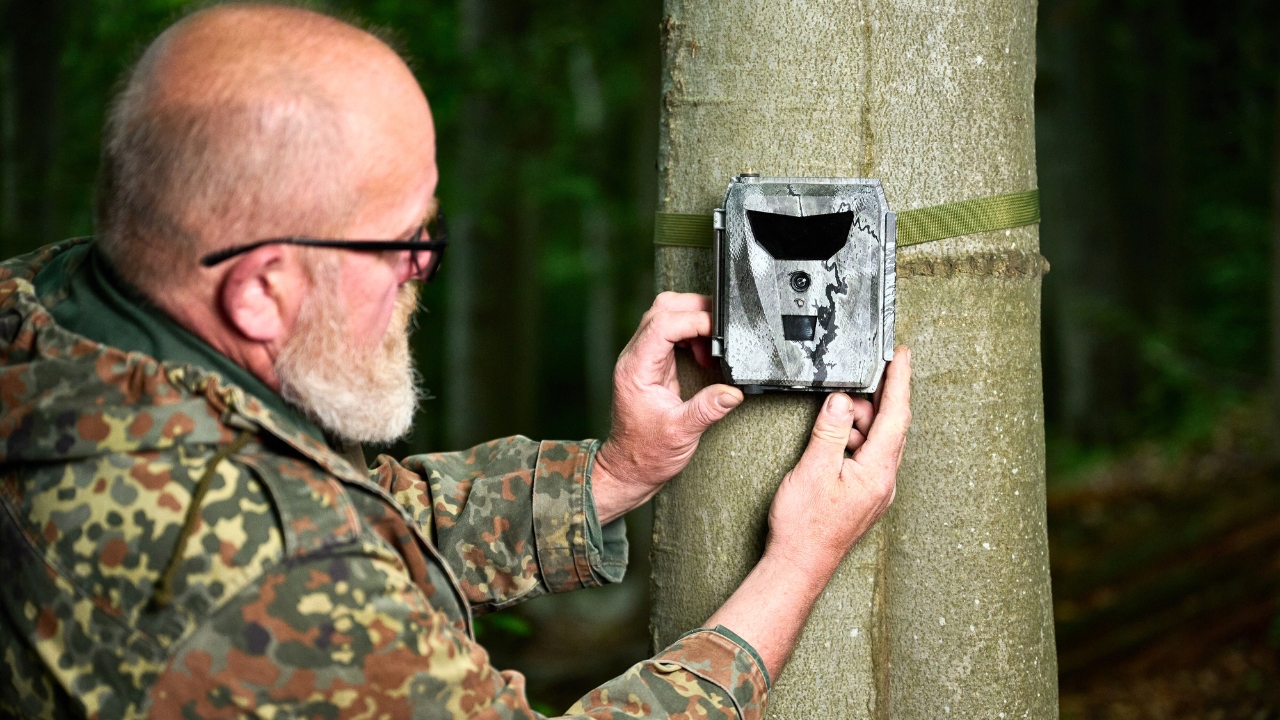
Photo credit: dr.D/Shutterstock.com
You can have all the latest gear and apps, but some lessons only come with time in the woods. The old-timers didn’t grow up with trail cams or scent blockers—they learned how deer think by watching, waiting, and sometimes freezing their tails off. And they picked up a few tricks that still work today. If you’re wondering why they always seem to tag out while you’re still scratching your head, here are seven things they know that might change how you hunt.
Deer Rarely Do the Same Thing Twice

Old-school hunters don’t count on deer to repeat a pattern just because it happened once. They know deer change their routes the moment they feel pressure. If you’re setting up based on what happened last weekend, you’re already behind.
Instead of banking on routines, they hunt based on wind, fresh sign, and gut instinct. That flexibility comes from years of watching plans fall apart and learning to adapt on the fly.
Bucks Move More Than You Think—Just Not Where You’re Looking

Many hunters assume mid-morning and midday are dead zones. Old-timers will tell you that’s often when smart bucks slip through. The key? They’re not cruising open fields—they’re skirting ridges, staying in cover, and using terrain to stay hidden.
They’ve spent enough seasons in the woods to stop believing deer only move at dawn and dusk. That’s why they’re still sitting when everyone else is heading home.
The Wind Is Everything

It’s not just about keeping it in your face. The older guys know how deer use the wind too—and it’s not always straight upwind. Deer like to travel with a crosswind or even quartering wind to scent-check their surroundings.
While newer hunters obsess over scent control, old-timers obsess over wind direction and terrain. They choose stands not just to stay hidden from the deer, but to stay hidden from a deer’s nose.
You Can’t Fool a Doe Twice

Everyone wants the big buck, but veteran hunters pay just as much attention to does. They’ve learned that mature does are often sharper than bucks and will bust you in a heartbeat.
Old-timers know that if you blow out a smart doe, she’s taking every other deer with her. That’s why they take wind, noise, and movement seriously every time they’re in the woods—because one wrong move ruins everything.
Sign Tells a Story—If You Slow Down and Listen

Tracks, rubs, droppings—it’s all a language, and the old guys speak it fluently. They don’t just look for big rubs or scrapes. They look for how fresh it is, where it’s pointing, and what direction the deer were likely moving.
They know that figuring out a buck’s route isn’t about one piece of sign—it’s about connecting the dots across the landscape. That takes patience, not gadgets.
Deer Hear You Long Before You See Them
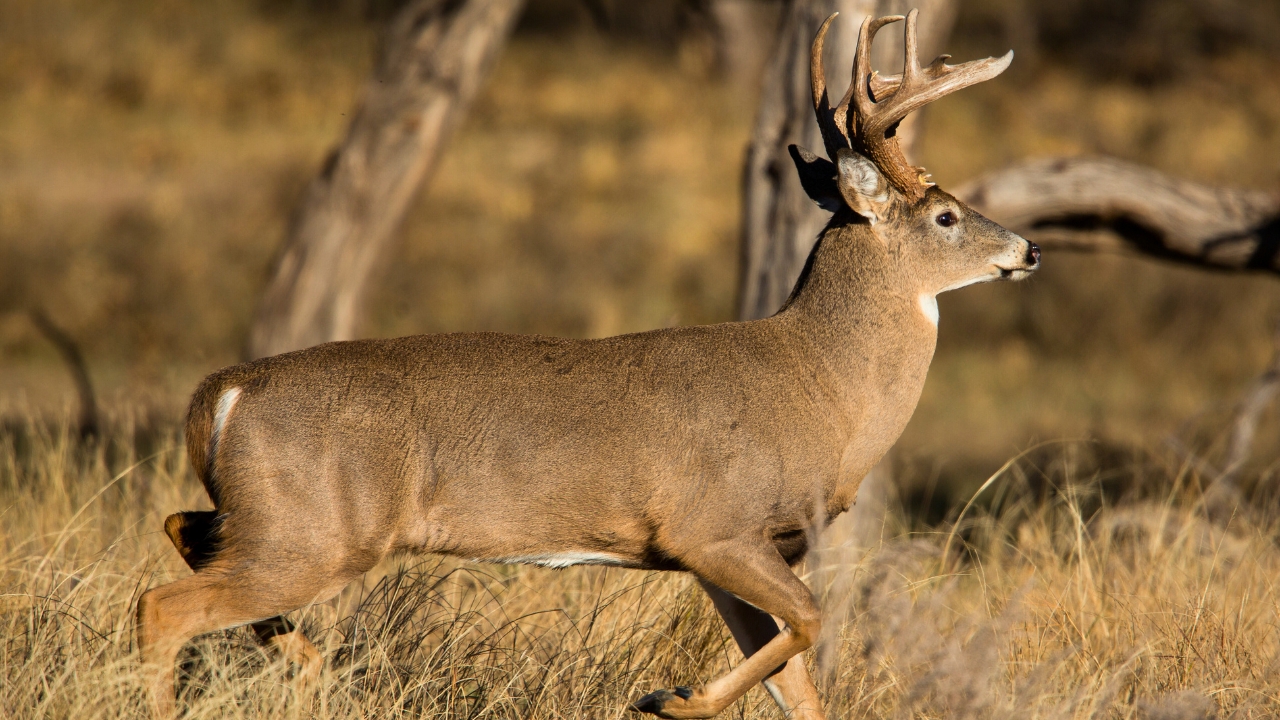
Old-timers move through the woods like they’re walking on eggshells. No busted sticks, no loud zippers, no casual conversations. They understand that deer don’t just hear—you break one branch in dry leaves, and the woods go quiet.
That level of stealth doesn’t come from watching YouTube videos. It comes from messing it up a hundred times and finally learning to shut up and slow down.
The Best Spot Usually Isn’t the Most Comfortable

While most folks are setting up right on field edges or cutting lanes for perfect views, the seasoned guys tuck into thickets, sit on stumps, and crouch in the wind if that’s what the hunt calls for.
They’re not trying to be cozy—they’re trying to be invisible. And they’ll take a crummy seat with a real shot over a ladder stand in the wide open any day.
*This article was developed with AI-powered tools and has been carefully reviewed by our editors.


