Photo credit: BearFotos/Shutterstock.com
America’s gun debate usually sticks to laws and politics, but the part most people never look at is the supply side: who’s actually building the hardware. When you zoom out, you find something most shooters don’t expect at first—production is heavily concentrated. A relatively small group of companies turns out an outsized share of the rifles, pistols, revolvers, and shotguns that end up on gun-shop racks, in patrol cars, and in safes across the country. The list below reflects the biggest U.S. producers in the most recent ATF manufacturing tallies available, and one quick note matters: those reports also track a “miscellaneous” category (frames, receivers, and similar items), which can move the order around depending on how a company does business. Either way, the same names keep showing up for one reason—volume.
Ruger
Ruger is what “scale” looks like in American gunmaking, and you feel it in how often their stuff shows up in everyday hands. They don’t live off one hero model; they win by covering nearly every mainstream lane and keeping prices in a range regular people will actually pay. From rimfire plinkers and budget bolt guns to revolvers, hunting rifles, and carry pistols, Ruger has a knack for putting out “good enough to trust” guns in huge numbers, year after year. Their catalog is broad, their production is steady, and their distribution is everywhere, which is why Ruger keeps landing near the top when you rank makers by units built instead of by internet hype.
SIG Sauer
SIG’s climb is what happens when a brand nails both the institutional side and the civilian side at the same time. They’ve built a modern identity around duty-capable pistols and modular platforms, and they’ve pushed hard into rifles and carbines that appeal to the same buyer who wants a serious handgun and a matching long gun. SIG also understands the current market: optics-ready slides, variations that make sense for carry, and “one platform, many roles” thinking that keeps buyers in the ecosystem. When you look at who’s producing at true scale in the U.S., SIG isn’t there because of nostalgia—it’s there because they moved a ton of product when demand was hottest and kept the pedal down.
Smith & Wesson
Smith & Wesson is the classic American handgun brand that never stayed “classic” for long. Yes, the revolver history is real, and that legacy still sells, but the modern production story is polymer pistols and practical defensive handguns that move fast at retail. They’ve managed to keep one foot in tradition and one foot in the current market without getting stuck in either place. The result is a company that can sell to collectors, first-time buyers, and serious shooters all at once, which is exactly how you rack up high unit counts. When you think “biggest,” this is the kind of mix that keeps a manufacturer near the top.
Savage Arms
Savage is a quiet giant because a lot of their volume comes from a category that doesn’t trend on social media: affordable rifles that actually get used. They’ve lived for years in that sweet spot where a working guy can buy a hunting rifle, mount a scope, and go put meat in the freezer without treating it like a luxury purchase. Savage also benefits from the way Americans buy rifles—one for deer, one for varmints, one for a new caliber you want to try—because their pricing and lineup make that kind of “practical collecting” easy. They don’t need to be flashy to be big; they just need to keep shipping rifles that do what you bought them for.
Palmetto State Armory
PSA is a modern-volume story, and it’s tied to the AR market whether people want to admit it or not. A lot of their footprint is built around giving buyers a low-cost path into AR-style rifles and the parts ecosystem that goes with them, and that adds up fast in production reporting—especially when receivers and similar components are counted. PSA’s bigger point is what they did to the market: they normalized the idea that a “regular person” can buy a rifle, a pistol, and spare components without taking out a loan, and they scaled that business model aggressively. Love them or hate them, they’re one of the reasons the entry-level end of the market looks the way it does right now.
Henry Repeating Arms
Henry is proof that old-school still sells when it’s done right and kept available. Lever guns aren’t a niche anymore; they’re mainstream again, and Henry has been positioned perfectly for that wave. Their appeal is simple: they make rifles people actually want to pick up, shoulder, and carry, whether that’s for woods walking, deer season, or the satisfaction of running a lever the way your granddad did. Henry also benefits from being a brand that’s easy to buy and easy to like—clean designs, recognizable styling, and a reputation that plays well with both new shooters and longtime hunters. When a category surges in popularity and one company is ready to feed it, production numbers follow.
Mossberg
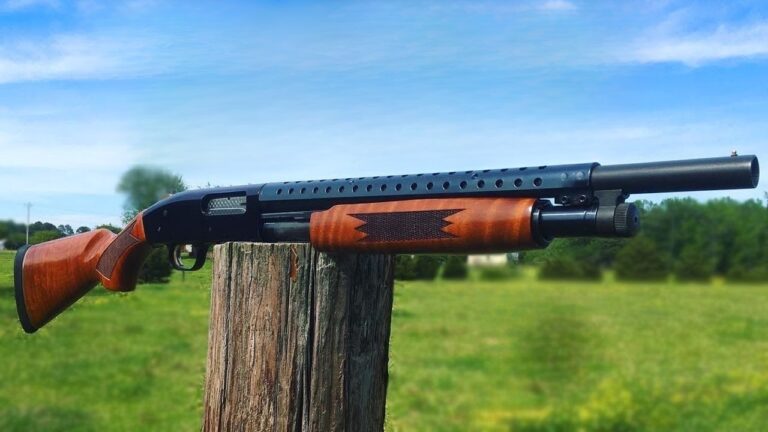
Mossberg is the shotgun workhorse name for a reason, and when you talk about volume in the U.S., shotguns matter. They’ve owned the “reliable and attainable” lane for a long time, and you see their products everywhere: behind truck seats, in duck blinds, in closets, and on the range. Mossberg also isn’t only pump guns; they’ve built out semi-auto options and practical long guns that keep them in the conversation even when trends swing back and forth. Another piece people forget is the family-owned angle—Mossberg has managed to stay big without turning into a faceless brand, and that goodwill helps keep units moving in a category where trust matters.
Glock
Even though Glock’s roots aren’t American, their U.S. manufacturing output puts them in the “biggest” conversation because so many pistols are built here for the domestic market. Glock’s formula is boring in the best way: simple, consistent, and predictable across models, which is exactly what agencies and everyday carriers want when they’re buying at scale. They’re also one of the few handgun makers where the aftermarket, training culture, and resale market all reinforce the same thing—if you buy one, you can support it forever. That kind of momentum creates volume, and volume keeps a company high on any production-based list.
Anderson Manufacturing
Anderson is a good reminder that “big” doesn’t always mean famous. Their production strength is tied to AR-style rifles and components, and they’ve made a business out of doing the basics at a price point that keeps demand steady. If the market is leaning toward budget builds and modular rifles, specialists like Anderson can rack up serious numbers without ever becoming a lifestyle brand. They also benefit from how the AR world works: once people start buying parts, they tend to keep buying parts, and the companies positioned to supply that churn don’t need flashy marketing to stay busy. In production terms, a steady stream of AR-related output can be enough to put you in the top tier.
Springfield Armory
Springfield’s spot in the big-manufacturer conversation comes from doing what a lot of companies struggle with: offering mainstream-friendly guns that feel “ready” right out of the box. Their pistols and rifles often hit that middle ground where a buyer wants something a little nicer than the cheapest option, but still within reach, and that’s a huge slice of the market. Springfield has also been smart about keeping models relevant—practical sizes, modern features people expect, and broad availability—so they don’t rely on one product cycle to carry the whole brand. When a company stays visible in stores and keeps its lineup aligned with what buyers are actually purchasing, the production totals take care of themselves.
Like The Avid Outdoorsman’s content? Be sure to follow us.
Here’s more from us: