Photo credit: By Staff Sgt. Jaccob Hearn /Wikimedia Commons
Some rifles were built in an era when precision wasn’t a feature—it was an expectation. These weren’t mass-produced plastic rifles meant to last through a single deployment or hunting season. They were built of walnut and steel, machined to tolerances that modern factories rarely bother with.
Many of them saw mud, snow, and battlefields long before most of us were born, yet they still print tighter groups than rifles fresh off the shelf. If you’ve ever spent time behind one of these classics, you know exactly why old soldiers still swear by them.
M1 Garand

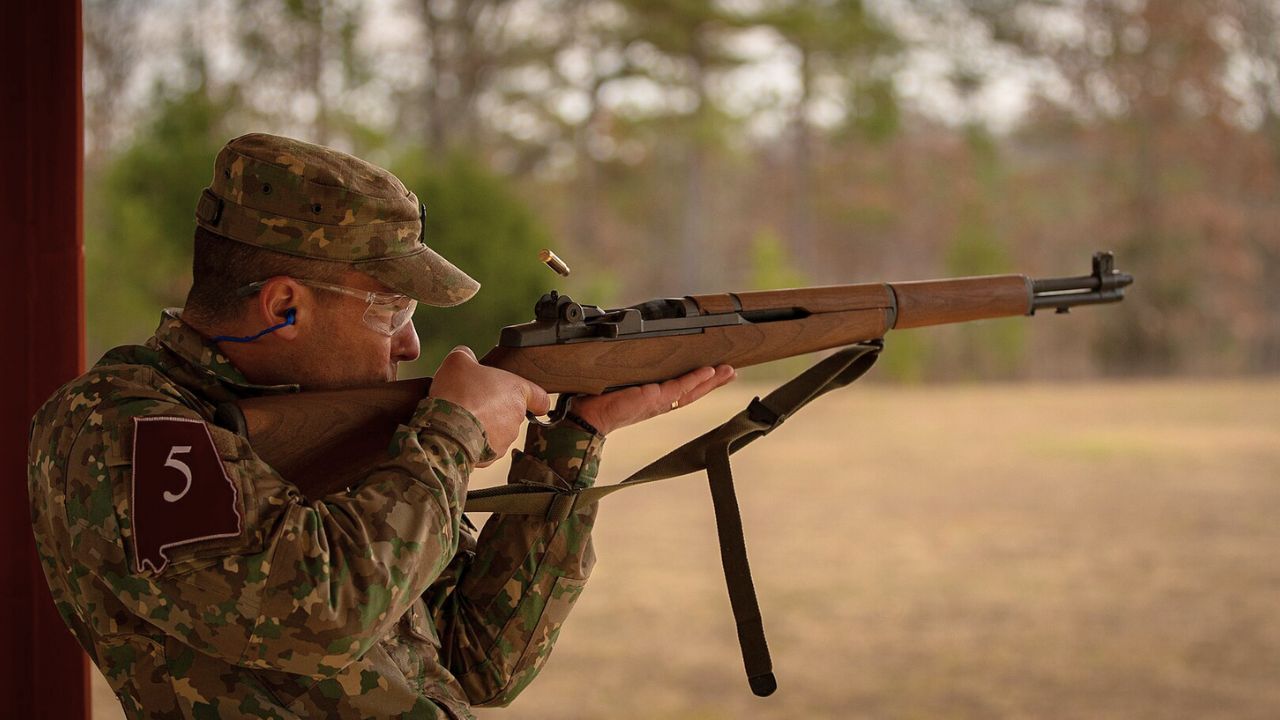
The M1 Garand earned its reputation through hard use, not advertising. Issued in World War II and Korea, it proved capable of accuracy and reliability under conditions that would make most modern rifles seize up. The eight-round en bloc clip system might seem dated today, but its semi-auto action could stay on target shot after shot.
Even with iron sights, well-maintained Garands consistently group under two inches at 100 yards. Modern shooters who bed the stock or tune the gas system regularly achieve near-match precision. You can talk up polymer stocks and free-floated barrels all you want, but there’s a reason many service rifle competitions still make room for the M1—it can still flat-out shoot.
Lee-Enfield No. 4 Mk I

The Lee-Enfield No. 4 Mk I has one of the smoothest bolt throws ever made. Chambered in .303 British, it was designed for fast cycling and accuracy under fire. Its rear-locking lugs make for a quick action, and its aperture sights are among the best ever issued on a battle rifle.
While it’s not a precision rifle by today’s standards, plenty of Enfields still hold sub-2 MOA groups with surplus ammo. In trained hands, they were accurate, quick to reload, and deadly effective at long range. Many sporterized versions have taken deer and elk for decades since the war ended, still proving that good steel and smart design don’t go out of style.
Swiss K31
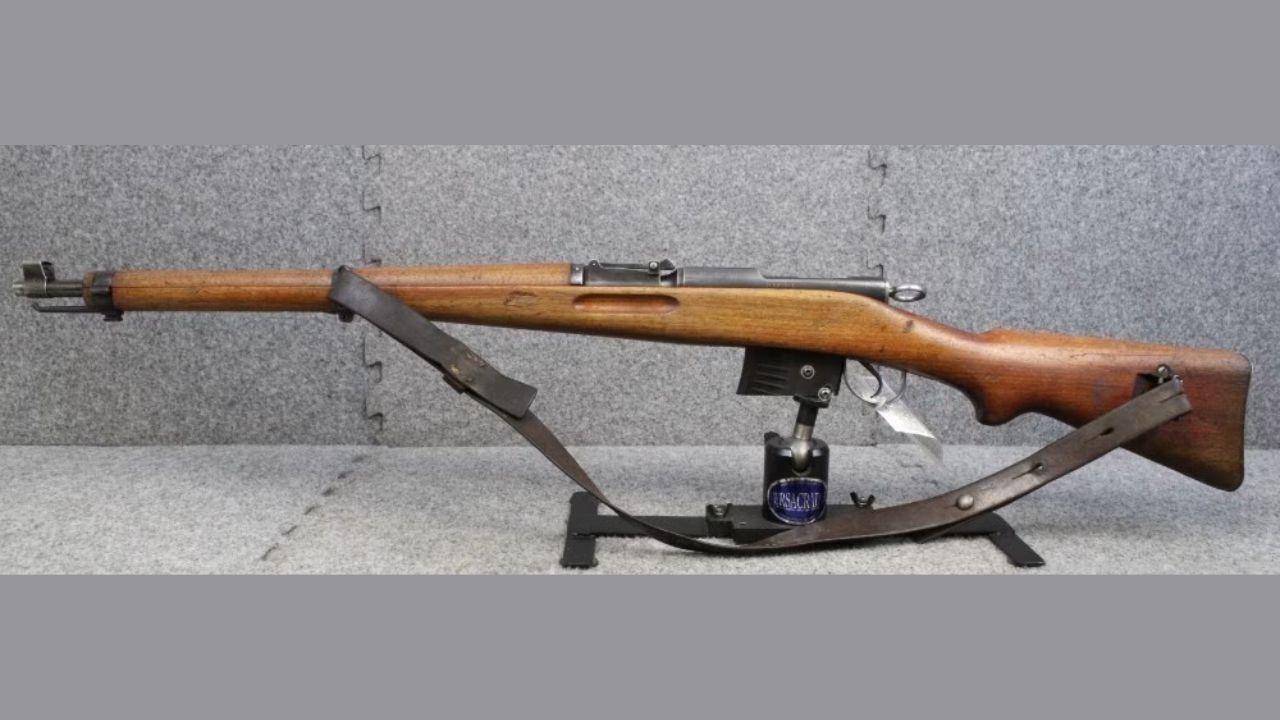
If you’ve ever shot a Swiss K31, you understand why it’s held in such high regard. Built by craftsmen in an era of military precision, it’s as close to a factory match rifle as any issued weapon ever came. The straight-pull action is buttery smooth, and the barrels were machined with care that borders on obsessive.
These rifles regularly group under an inch at 100 yards with quality 7.5×55 Swiss ammo. Many were stored meticulously by the Swiss citizen-soldiers who trained with them, meaning you can still buy one today that looks and shoots like new. The K31 is proof that when a country never cuts corners on quality, its rifles never go obsolete.
Springfield M1903A3

The M1903A3 is one of those rifles that instantly feels right when you shoulder it. The smooth bolt, crisp trigger, and excellent peep sights made it a marksman’s favorite through two world wars. Chambered in .30-06, it delivered precision and power well beyond typical battle ranges.
Even today, unmodified 1903A3 rifles are capable of 1.5 MOA accuracy with good ammo. Many have been turned into hunting rifles or precision builds because the actions were simply that good. Built during a time when the U.S. prioritized craftsmanship over cost, these rifles still remind you what quality machining feels like.
Mauser K98k
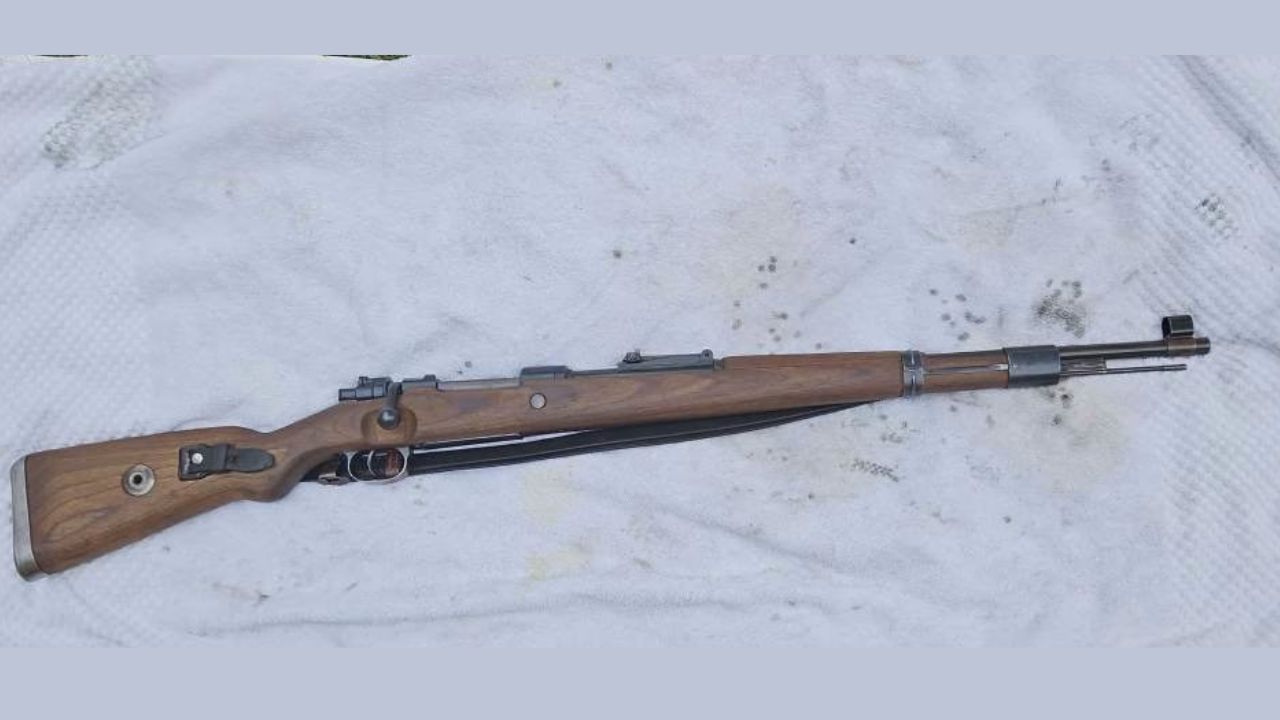
The K98k is the rifle that shaped bolt-action design for the next century. Its controlled-feed action and two-lug bolt are still copied by modern manufacturers because they work—and they’re accurate. Chambered in 8mm Mauser, the K98k was both a battle rifle and a precision tool in the right hands.
Surplus rifles with decent bores still group well under two inches with proper ammunition. Sniper variants were legendary for their consistency, and even worn field rifles remain surprisingly accurate. It’s hard to name a modern rifle that’s both this durable and this precise after nearly a century of service.
Finnish M39 Mosin-Nagant
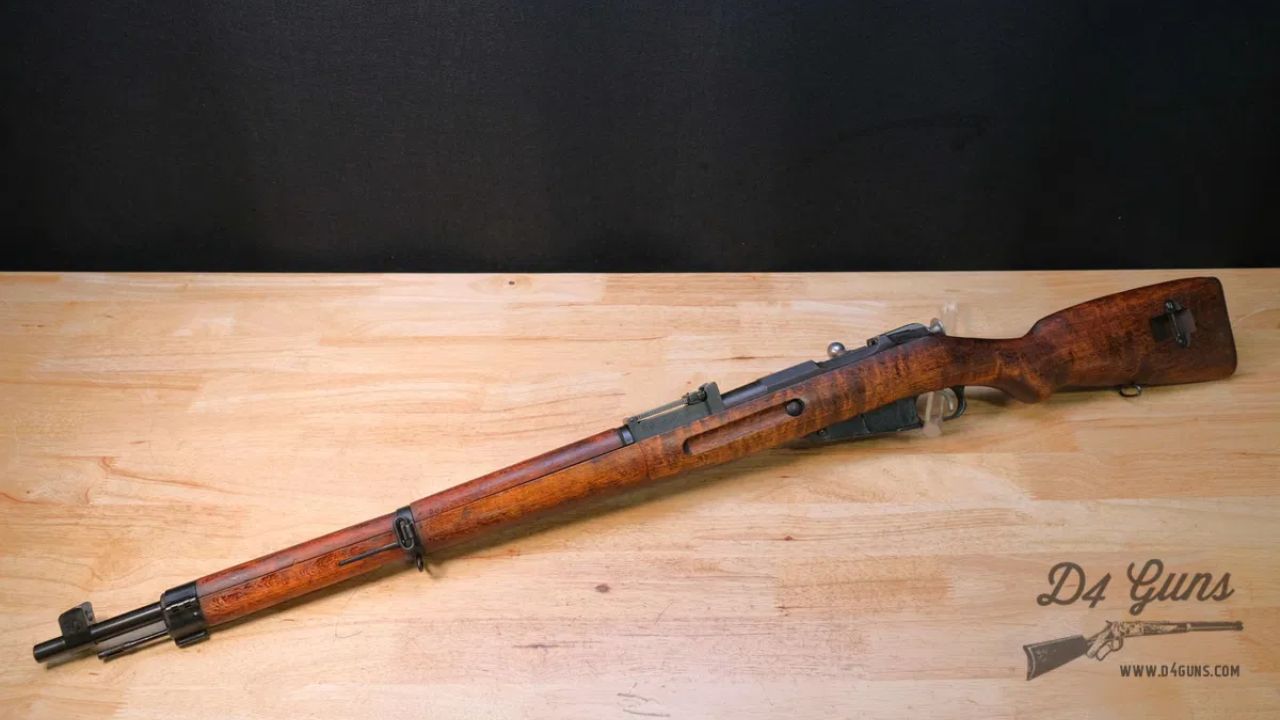
The Finnish M39 took the rough Russian Mosin-Nagant and turned it into something truly accurate. The Finns re-barreled and refined captured actions, improving the trigger and stock fit. The result was a battle rifle that could hold its own against any precision weapon of its era.
M39s often group under 1.5 MOA with surplus 7.62x54R ammo—an incredible feat for a design dating back to the 19th century. The improved sights, heavier barrel, and meticulous Finnish attention to detail made this rifle far superior to the rough Russian originals. In cold weather and mud, they simply refused to miss.
FN FAL (early Belgian models)

The FN FAL was the “right arm of the Free World” for a reason. Early Belgian-made FALs were built with precision machining and tight tolerances before mass production loosened things up. Even as a battle rifle, it offered accuracy and controllability that many modern .308 platforms still chase.
With a good barrel and well-tuned gas system, these rifles can deliver 1.5–2 MOA accuracy with iron sights. The ergonomics are comfortable, and the action cycles smoothly even in adverse conditions. The fact that some of these rifles are still in service across the world says plenty about how well they were made.
Swedish Mauser m/96

The Swedish Mauser m/96 is one of the most accurate surplus rifles ever produced. Chambered in the mild but consistent 6.5×55 Swedish, it benefits from a long barrel, excellent sights, and precision machining that was unmatched for its time.
Many m/96 rifles still shoot sub-MOA groups with surplus ammo that’s decades old. The cartridge itself has outstanding ballistic consistency, and the Swedes built these rifles with the kind of care that modern factories rarely replicate. For a rifle built in the 1890s, it’s astonishing how tight they still shoot today.
M14 (USGI)

Before the M16 took over, the M14 ruled the range. Built on the Garand’s foundation but chambered in 7.62 NATO, it combined proven accuracy with semi-auto fire. The walnut stock and forged receiver gave it a solid feel that still beats the hollow rattle of most modern rifles.
Even the standard-issue M14s were capable of impressive accuracy, and when tuned by armorers for designated marksmen, they became true tack drivers. Many civilian M1A rifles built to original specs can still outshoot much newer battle rifles without breaking a sweat.
Arisaka Type 99
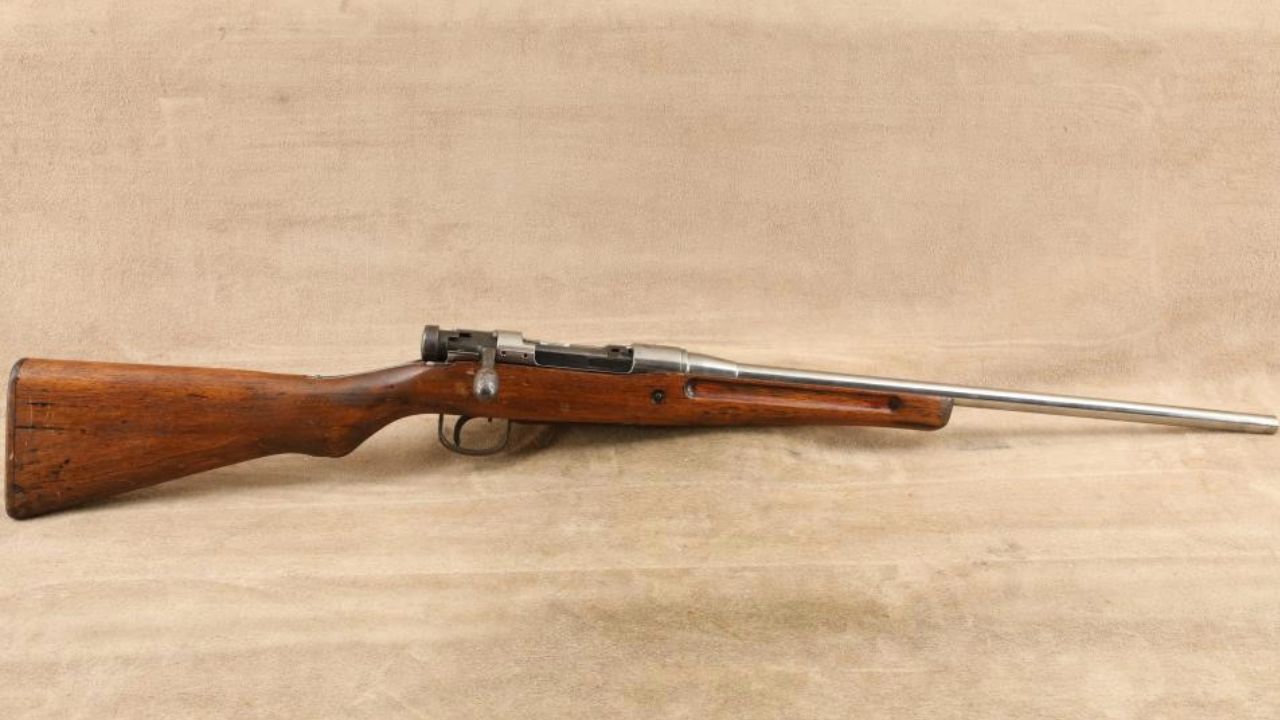
The Japanese Type 99 doesn’t always get the credit it deserves. It was overbuilt to the point of near indestructibility, and when paired with good ammo, it can shoot incredibly well. Its strong action and chrome-lined barrel helped maintain consistency through brutal Pacific conditions.
Collectors who take the time to restore and reload for these rifles often find they’ll rival or beat modern hunting rifles in group size. For a design that saw some of the harshest environments of World War II, that’s impressive staying power.
FN Model 49
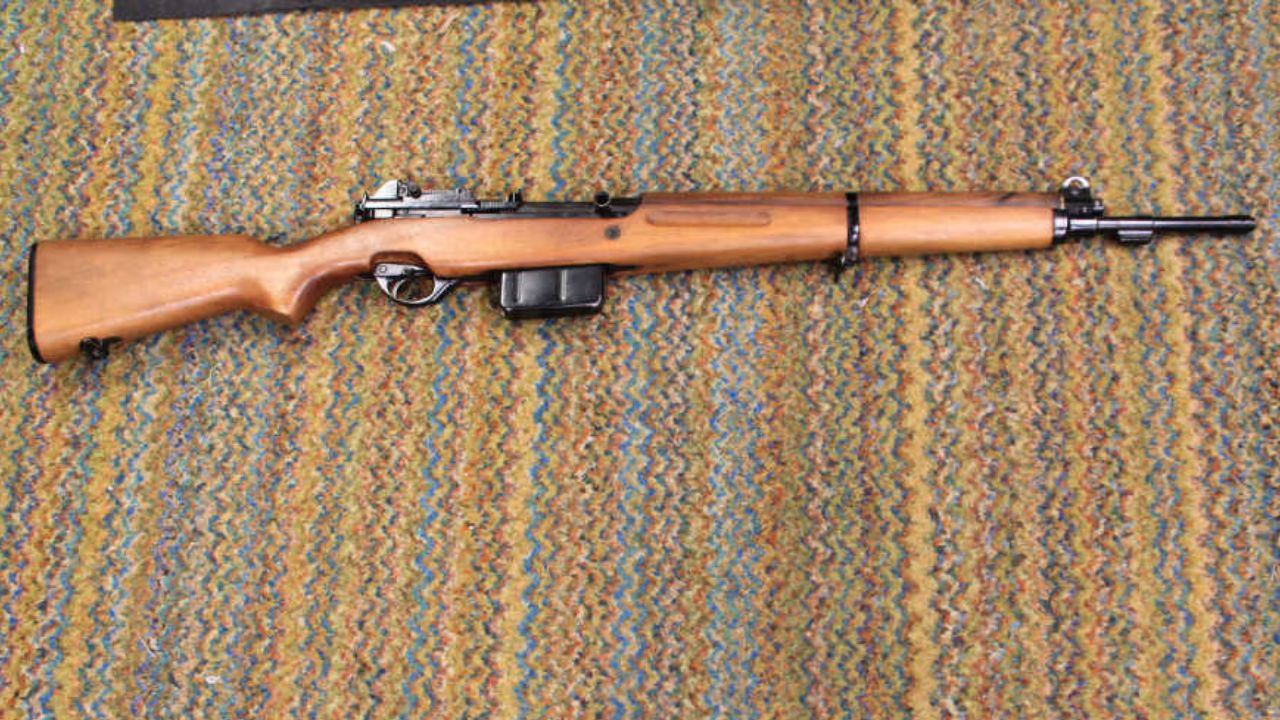
The FN-49 bridged the gap between the bolt-action era and modern semi-autos. Built with Belgian craftsmanship and chambered in full-power cartridges like .30-06 and 7×57, it offered accuracy that few other semi-auto rifles of its time could match.
The FN-49’s adjustable gas system and solid receiver design made it reliable and consistent. Even now, shooters who pick one up are surprised by how tight it groups and how well it balances. It may not have been as famous as the Garand, but in the right hands, it could shoot every bit as straight—and it’s still proving that today.
Like The Avid Outdoorsman’s content? Subscribe to our newsletter so you never miss an article.
Here’s more from us:
*This article was developed with AI-powered tools and has been carefully reviewed by our editors.