Photo credit: ArtistGNDphotography/istock.com
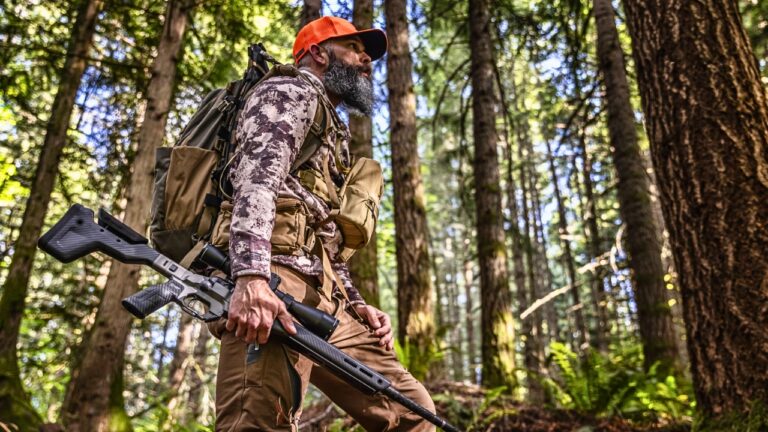
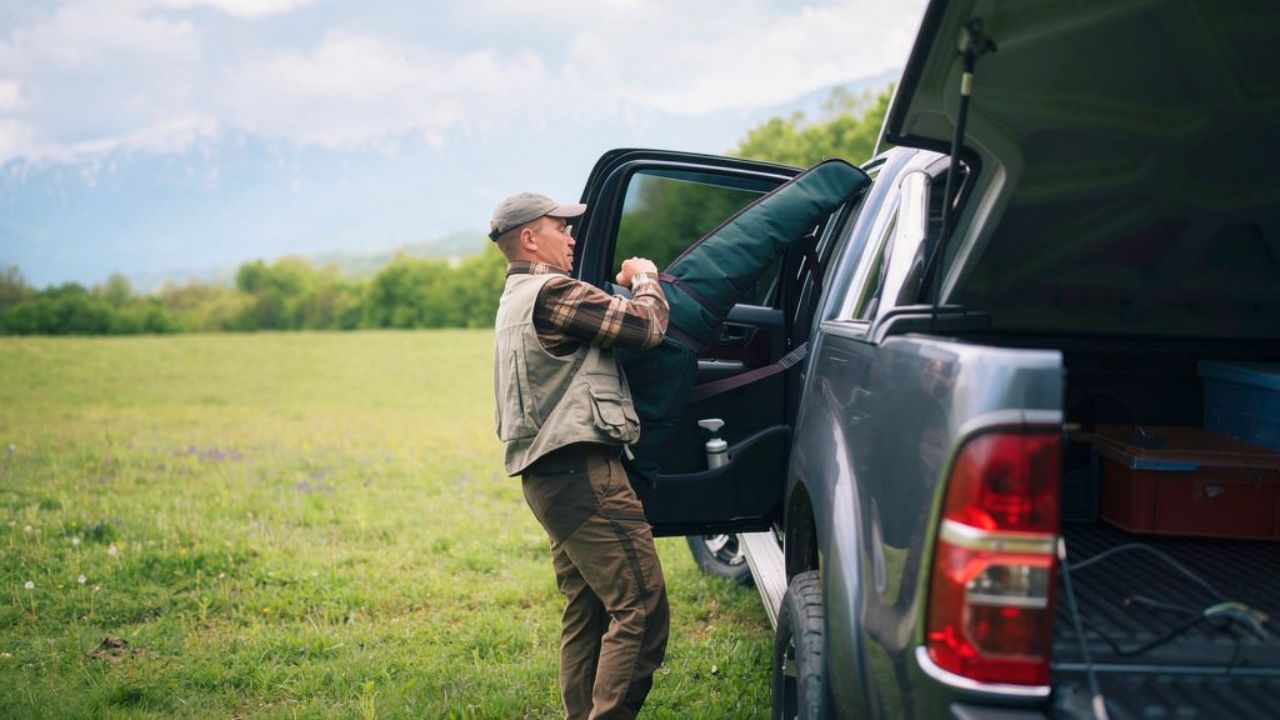
A lot of gun owners still talk themselves into believing a locked truck is good enough, especially when they are only planning to be away from it for a couple of hours. They lock the doors, maybe throw a jacket over the console or slide a case behind the seat, and tell themselves it is fine because the truck is parked at a trailhead full of other hunters, hikers, or folks headed into public ground. That thinking gets people burned all the time. A vehicle is not some kind of vault just because it has power locks and dark tint. At a trailhead, it can actually be one of the easiest places for a thief to work because he already knows the odds are good that the owner is well away from the vehicle, likely out of cell range, and probably not coming back soon. He also knows there is a decent chance that truck holds a rifle, a handgun, a pack full of optics, or all three. That is what makes trailheads so appealing to the wrong kind of people. They are predictable. They are isolated. And they are full of owners who think “locked” means protected when it usually just means the thief has to work a little faster.
A trailhead tells a thief more than most people realize
The problem starts before anybody even touches your door handle. A trailhead is already doing half the advertising for your truck. It tells anybody watching that the owner is not inside grabbing coffee or running into a gas station for two minutes. It tells him the owner is somewhere down a trail, up a ridge, or sitting in a stand with no line of sight to the parking area. If it is hunting season, that truck may as well come with a sign that says there is a fair chance of firearms, ammo, knives, electronics, and other gear inside. Even outside of hunting season, trailheads attract people who carry expensive equipment, which makes every parked vehicle worth a look to somebody who steals for a living or for habit. What gets missed is that most vehicle break-ins are not carefully planned operations with a mastermind studying one truck. They are fast, opportunistic hits. A thief cruises through, checks for what is visible, tests a few door handles, smashes a window if the payoff looks worth it, and is gone before the owner has any clue what happened. The locked truck does not stop that. It just slightly changes the method. If there is a gun inside, especially one that can be reached quickly from a broken window or forced door, then the vehicle was never really secure in the first place.
“Out of sight” is one of the most expensive lies gun owners tell themselves
A lot of folks try to solve this by hiding the gun instead of actually securing it. They shove a pistol under the seat, in the center console, in the glove box, or under a pile of clothes in the back floorboard and figure nobody will know it is there. That works great right up until the truck gets hit by somebody who checks the exact same spots on every vehicle he breaks into. There is nothing clever or uncommon about those hiding places. They are the first places a thief looks because they are the places ordinary gun owners have been using forever. Even long guns get the same treatment. Guys slide a rifle behind the seat in a pickup, leave one in a soft case under a blanket, or set it in the rear of an SUV thinking the tinted glass will do the work for them. It will not. Window tint is not security. A soft case is not security. A locked glove box is barely a speed bump. If somebody can get into the passenger compartment, he has access to almost every casual storage idea people rely on. And once a firearm is stolen, the consequences go a lot farther than replacing a piece of gear. Now you are dealing with a gun out in the world under your name and your serial number history, and you do not get to control where it turns up or what happens before law enforcement traces it back.
The short time you are gone is exactly why the truck gets targeted
One of the most common justifications is that the gun is only going to be in the truck for a short window. Guys say they are just parking long enough to hike in, scout a drainage, check a camera, or meet a buddy. But the short window is not the protection they think it is. It is the reason the vehicle is vulnerable. Trailheads create a perfect schedule for criminals because the comings and goings are easy to read. A truck that pulls in at daylight during deer season, turkey season, or early archery scouting is not there by accident. The same goes for one parked at a popular access point during a weekday when most regular traffic is light. It does not take a criminal mastermind to figure out the owner may be gone for hours. And even if he is not, a smash-and-grab does not need hours. It needs seconds. People imagine theft like it takes some long noisy process, but in reality a side window can be popped, a bag grabbed, a console emptied, or a back seat searched in less time than it takes to walk from your truck to the trail map kiosk. That is the part that gets overlooked. Your truck is most exposed when you are confident it will be fine. The thief is counting on that confidence because it keeps people sloppy.
If you absolutely have to leave a firearm in a vehicle, casual storage is not enough
There are situations where a firearm may have to stay in a vehicle for a stretch. Maybe a posted facility prohibits carry. Maybe you are crossing into a location with different rules. Maybe you are moving between spots and cannot legally or practically keep every gun on your person the whole time. But if that happens, the answer cannot be tossing it in the console and locking the doors. Real vehicle storage means an anchored lockbox or dedicated in-vehicle safe that is built to resist quick theft and is secured to the frame or another hard point in a way that cannot be defeated by one tug and a pair of hands. Even that is still a compromise, not ideal storage, but it is a whole different world from the glove box routine people still treat like common sense. The point is to make the firearm hard to access, hard to remove, and not visible from outside the vehicle. That means no soft cases in plain view, no magazines or ammo boxes left where they signal what is inside, and no half-hidden setups that would fall apart the second somebody breaks glass. If the storage method would fail against a determined thief with one minute and a pry bar, then it is not safe storage. It is wishful thinking dressed up as a plan.
The bigger risk is not only theft — it is what the stolen gun becomes after that
A lot of conversations around truck storage stop at inconvenience. People talk like the worst outcome is having to file a report, eat the cost, and maybe fight with insurance. That is not the real worst outcome. The real worst outcome is that the stolen firearm gets used in a robbery, ends up in the hands of somebody who should never have had it, or disappears long enough that nobody sees it again until it surfaces in an investigation years down the road. That is not melodrama. That is what stolen guns do. They move. They get traded, sold, stashed, and misused. That is why the old “it was locked in my truck” excuse does not land the way some owners think it should. Sure, you may be the victim of a theft, but you still had a duty to think harder than that if you knew the gun was going to stay behind in a place with predictable foot traffic and long gaps in supervision. Responsible gun ownership is not just about carrying legally or shooting safely on the range. It is also about thinking through weak points before somebody else does it for you. A trailhead is one of the most obvious weak points there is because it combines distance, time, and routine in a way that makes theft easier than most people want to admit.
A locked door helps, but it does not change what a truck really is
At the end of the day, a truck is built for transportation, not firearm security. That sounds obvious, but a lot of owners act like factory locks turn it into something it is not. A vehicle has glass everywhere, simple access points, and plenty of compartments that feel private but are actually familiar to every thief who has ever hit a parking area. At a trailhead, all the conditions get worse because isolation works for the criminal, not for you. There are fewer witnesses, fewer cameras, and more time for somebody to test doors or scan interiors without drawing attention. That is why the smart move is to avoid leaving guns in a vehicle at all when you can, and when you truly cannot avoid it, to treat the situation like a security problem that needs an actual security solution. Not a blanket over the back seat. Not a pistol under the console lid. Not a rifle case slid under some gear. A locked truck is better than an unlocked one, sure, but that is a low bar and a dangerous place to stop thinking. If there is a firearm inside at a trailhead, you should assume the vehicle is one weak decision away from becoming a source of stolen guns unless you have taken real steps to prevent it.
Like The Avid Outdoorsman’s content? Subscribe to our newsletter so you never miss an article.
Here’s more from us: