Photo credit: Happy Lenses/Shutterstock.com
Some guns get popular because they truly earn it. Others get popular because momentum takes over and people stop thinking too hard. They see the same model in every shop case, every YouTube thumbnail, every forum thread, and every buddy’s range bag, and eventually it starts feeling like the safe choice by default. That kind of popularity can come from real quality, but it can also come from repetition. A gun does not have to be the best option to become the most copied purchase.
That is where this list comes from. These are the guns people often buy because the decision already feels made for them. They are the models that got so normalized that buyers stop asking whether the gun actually fits their hand, their role, or their budget. Some are still solid. Some absolutely do work well. But they also sell because herd mentality is real in gun culture, just like it is anywhere else. Here are 15 guns people buy because everyone else already did.
Glock 19

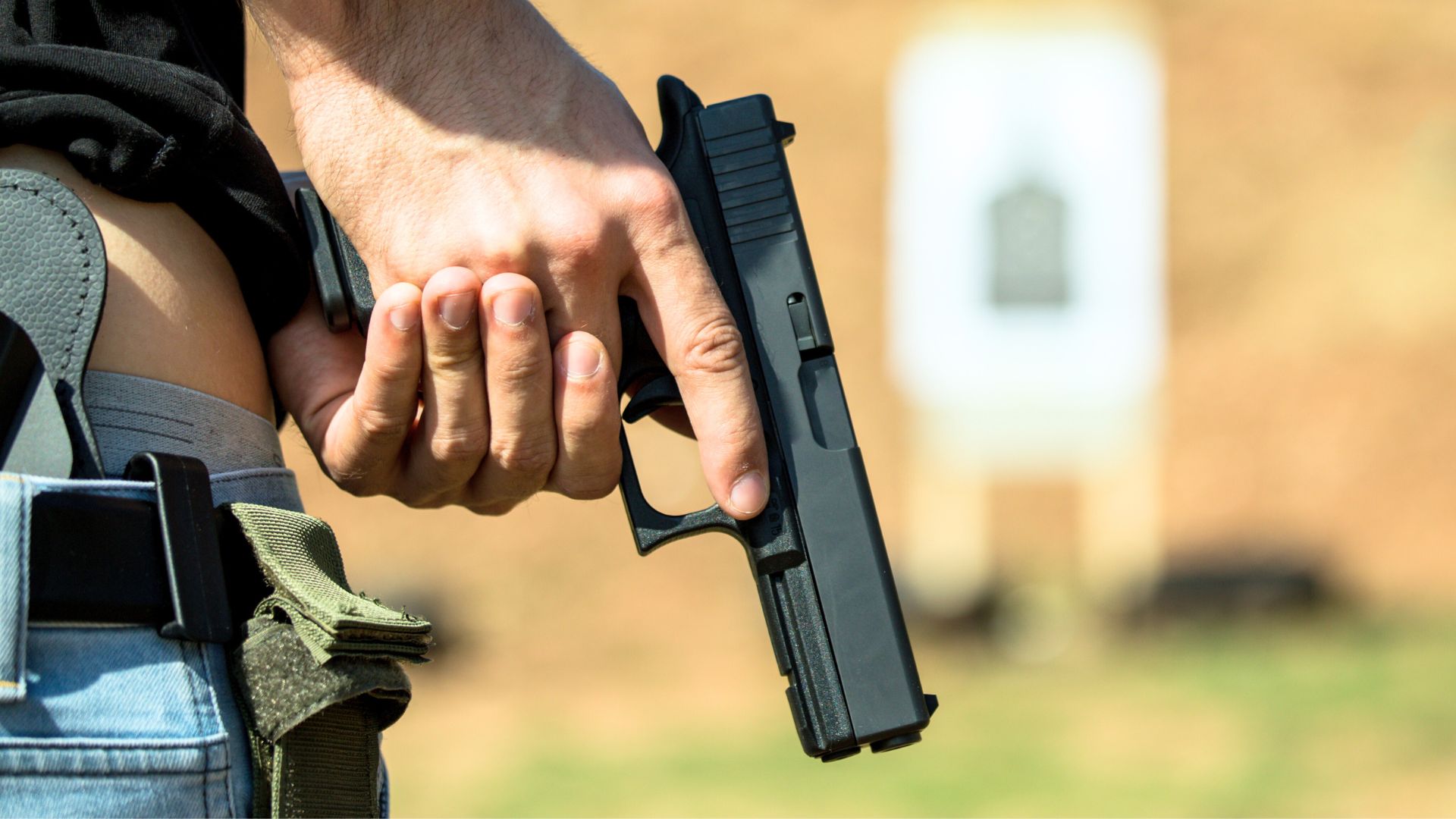
The Glock 19 is probably the clearest example of this in the handgun world. It gets recommended so often that a lot of buyers end up purchasing one before they have even handled enough alternatives to know what they actually prefer. The advice starts early, gets repeated constantly, and eventually makes the Glock 19 feel less like a choice and more like the answer key.
That does not mean it is a bad gun. Far from it. The issue is that a lot of people buy one because they are tired of hearing about it and do not want to feel like they missed the obvious move. It is the handgun equivalent of buying what everybody else already approved for you. Sometimes that works out well. Sometimes it just keeps buyers from exploring what would suit them better.
SIG Sauer P365

The P365 became the default micro-compact answer so quickly that plenty of buyers never really stopped to compare it honestly against the rest of the field. Once it changed the category, it started carrying the kind of momentum that makes people feel almost foolish for looking elsewhere. If you wanted a slim carry gun, the market practically shouted “P365” at you.
That kind of dominance sells a lot of pistols on autopilot. A lot of buyers end up with one because it became the safe social answer, not because they personally landed on it after serious thought. Again, it is a capable gun. But its sales story is no longer just about merit. It is also about the fact that everyone already knows the name and expects you to own one.
Glock 43X

The 43X took the Glock name, added a carry-friendly format, and landed right in the sweet spot for people who wanted a thinner pistol without giving up brand familiarity. Once it caught on, a huge number of buyers seemed to land on it simply because it felt like the least controversial choice possible. It was slim, familiar, and already socially approved.
That makes it a classic herd-purchase gun. People buy it because they see it everywhere and because every conversation about carry pistols eventually circles back to it. Some end up loving it. Others realize later they bought the 43X because it seemed like the answer they were supposed to give, not because it was the best fit in their own hand.
Smith & Wesson M&P Shield
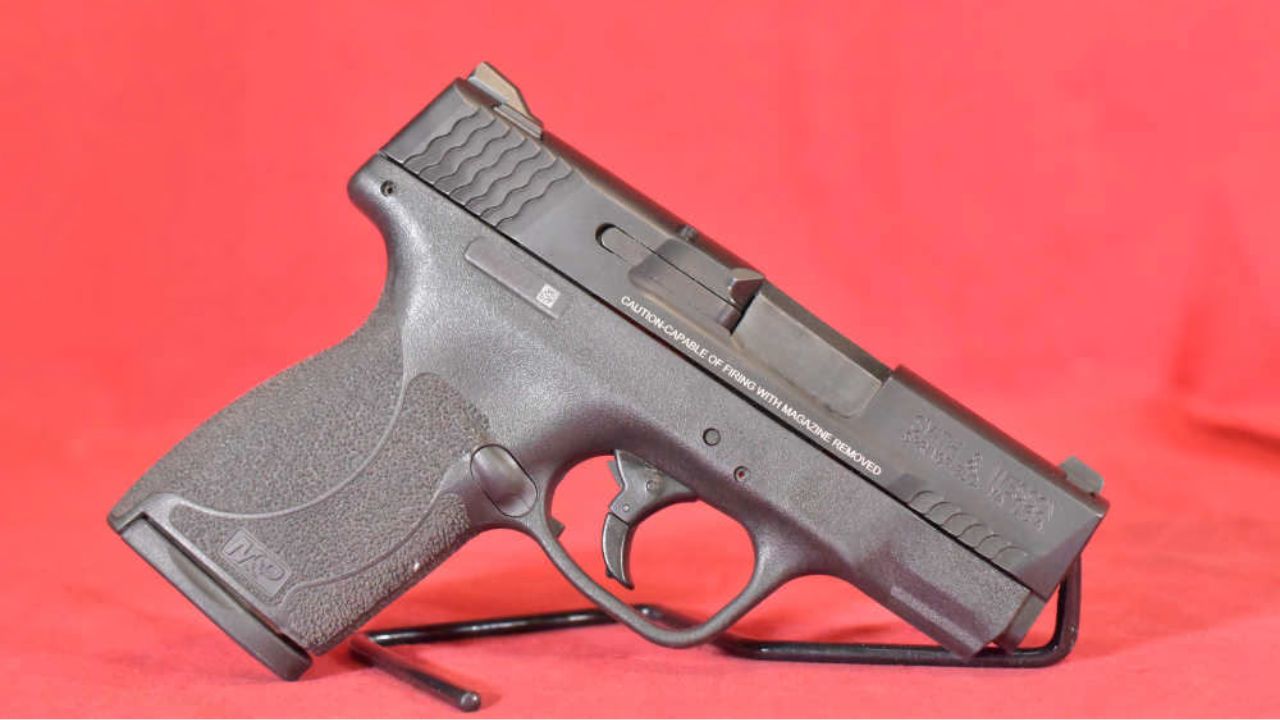
The Shield became one of those pistols that nearly everybody either owned, recommended, or had considered at some point. Once that kind of widespread adoption happens, the pistol starts selling itself. Buyers stop asking if it is still the best answer and start buying it because it feels familiar, validated, and low-risk.
That kind of broad acceptance can be useful, but it also makes buyers lazy. A lot of people ended up with Shields because everybody else already had one tucked into a waistband or glove box somewhere. The pistol earned real popularity, but it also reached the point where sales were coming from social proof as much as from actual fit or performance comparison.
Taurus G3c

The G3c became a herd-buy for a different reason: price. Once enough people started talking about it as the affordable carry answer that “works well enough,” a lot of buyers stopped questioning it. They saw a low price, saw lots of other people owning one, and figured the market had already settled the question for them.
That is how budget guns build their own momentum. Once the Taurus G3c got normalized as the obvious cheap carry pistol, people started buying it because they did not want to overthink a low-dollar decision. Whether that works out depends on the buyer. But there is no question a lot of G3cs get sold because the crowd made the decision feel easy.
Ruger 10/22

The 10/22 is almost a rite of passage at this point. A lot of people buy one not because they carefully worked through every rimfire rifle option, but because owning a 10/22 has become the thing you do when you need a .22. It has been repeated for so long that the recommendation now feels automatic.
That is not a criticism of the rifle’s quality. It is more about how its success has turned it into a default purchase. New shooters, dads buying for kids, longtime gun owners wanting a rimfire again, all of them often land on a 10/22 because the decision has already been socially pre-approved. At a certain point, that kind of popularity becomes self-sustaining.
Mossberg Shockwave

The Shockwave sold huge numbers because people saw other people buying them. That was a massive part of the appeal. It looked different, felt like a loophole gun, and got talked about constantly in shops, videos, and casual gun conversations. A lot of buyers did not even have a clear role for one. They just wanted in on the thing everybody was talking about.
That is exactly how herd buying works. Once enough people grab a gun for novelty and attention, the next wave of buyers starts assuming there must be more practical value there than there really is. The Shockwave absolutely fits that pattern. Many people bought one because the crowd had already turned it into an event.
AR-15 entry-level builds

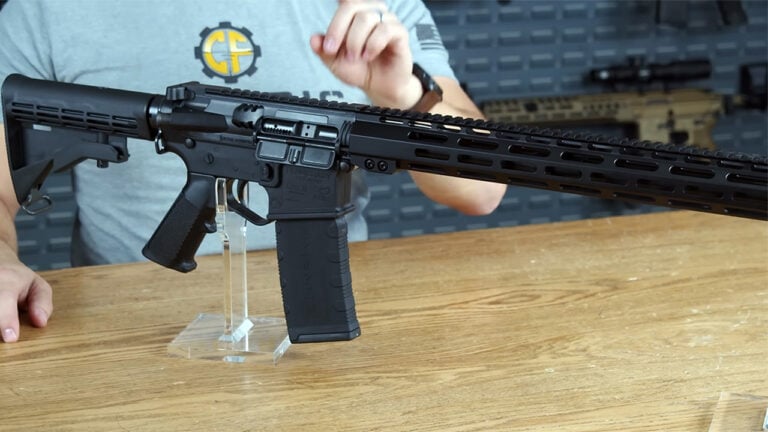
A lot of first AR purchases happen because people look around and decide they need one since everybody else already has one. That can mean a budget M&P Sport, a Ruger AR-556, a PSA build, or any number of similar rifles. The specific brand changes, but the buying psychology is the same. At some point, the AR stopped being a decision and started feeling like a box to check.
That leads plenty of buyers to purchase the most common, broadly accepted starter rifle without putting much real thought into how they will use it. They buy it because it seems like every serious gun owner already has one, so now they should too. Sometimes that works out. Sometimes it means they own an AR mostly because they wanted to catch up.
Remington 870

The 870 became the default pump shotgun in a way that made generations of buyers stop comparing it to anything else. People bought it because dads had them, cops had them, neighbors had them, and the gun shop always had a stack of them leaning in the corner. It was the shotgun people bought when they did not want to think very hard about shotguns.
That kind of long-term market dominance absolutely creates herd behavior. Plenty of buyers ended up with an 870 because it felt like the shotgun you are supposed to buy, not because they made a fresh decision. The 870 earned a lot of that loyalty, but it also got to the point where people were buying the reputation and tradition automatically.
Glock 17

The Glock 17 has long been the “serious pistol” people buy once they decide they want a full-size semiauto with a strong reputation. A lot of buyers land there because it has become the standard answer. They do not necessarily want a Glock 17 specifically. They want the reassurance that comes from buying what everybody already recognizes as safe and proven.
That makes it one of the easiest handguns to buy by social momentum alone. A lot of owners never really compared it against CZs, SIGs, M&Ps, or other full-size pistols with open minds. They bought the Glock because it was the answer already stamped into the culture. That can still be a smart purchase. It is just not always a personal one.
Springfield Hellcat

The Hellcat caught a lot of sales because once it entered the micro-compact race, buyers started treating it like one of the mandatory finalists no matter what. It became one of those guns people bought because everyone else was suddenly talking about it. In a hot category, that kind of momentum matters as much as the actual details of the pistol.
That does not mean people were wrong to look at it. It means some people bought one because they wanted to participate in the category’s biggest conversation, not because it clearly beat every rival for their own needs. In a crowded market, popularity becomes part of the product. The Hellcat benefited from that in a huge way.
Ruger LCP Max

The LCP Max followed a familiar path: a known model line, bigger numbers on paper, and instant attention from buyers who already accepted the older LCP family as the baseline pocket gun answer. Once the buzz started, a lot of people bought one because it felt like the natural update they were expected to make.
That is how momentum works in gun buying. Buyers see the new version of a familiar success and assume the purchase makes sense before they have really lived with the tradeoffs. The LCP Max may fit some people well, but it also sold very heavily on the fact that Ruger already had the crowd and only needed to point them toward the next thing.
Benelli M4
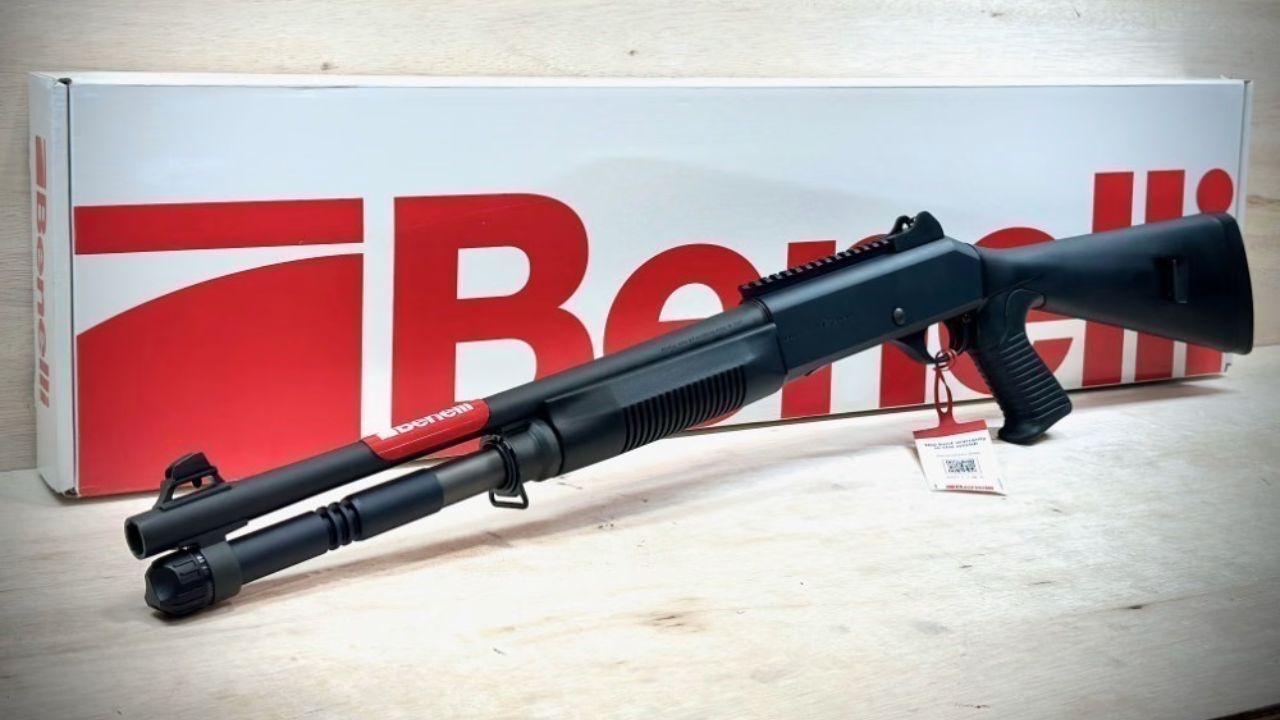
The Benelli M4 is one of those guns people buy because its reputation has become bigger than the buyer’s actual needs. Once enough shooters treat a firearm like the premium answer everyone should aspire to, people start buying it simply because they want to own the gun that gets instant approval from the crowd.
That does not mean the M4 is overrated junk. It means a lot of owners do not buy one because they truly need that shotgun. They buy it because enough people already decided that the M4 is the serious man’s semiauto scattergun. Owning one becomes a way of joining the accepted top shelf. That is herd behavior with a high price tag.
Taurus Judge
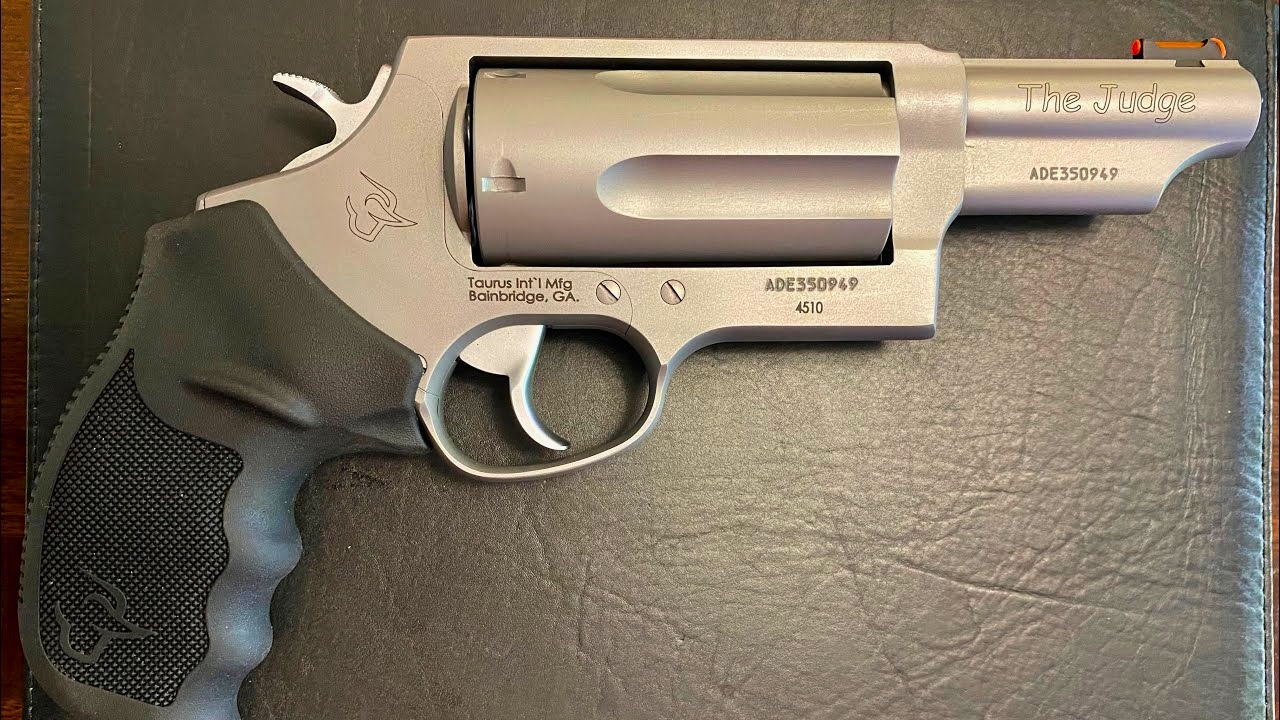
The Judge is a different kind of herd-buy. It became popular not because it was the most respected handgun in serious circles, but because it reached a point where so many casual buyers heard about it that it started selling on name recognition alone. People knew it was “that revolver that shoots shotgun shells,” and that was enough.
That broad popularity created its own momentum. Once enough buyers grabbed one for the novelty and spread the word, new buyers started assuming it must make sense because it was everywhere. That is one of the easiest traps in gun culture. A gun being popular in the wider market does not mean it became popular for the right reasons.
Glock 26

The Glock 26 is another pistol people often buy because the old recommendation never fully died. For years, it was one of the standard concealed-carry answers, and that advice stuck hard enough that buyers kept coming back to it even as the market changed around them. Once a gun reaches that point, people buy it because everybody before them already did.
That is why the 26 still moves the way it does. It benefits from legacy herd buying. People buy one because it used to be the smart answer and because that reputation still echoes in gun stores and range conversations. Whether it is still the best fit for them often becomes a secondary question. The crowd already made the purchase feel safe.
Like The Avid Outdoorsman’s content? Subscribe to our newsletter so you never miss an article.
Here’s more from us: