Photo credit: Margarita Young/Shutterstock.com
Boat ramps can bring out the worst in people faster than almost any other outdoor spot. It’s not because fishermen are naturally looking for trouble. Most folks are there for the same reason: get the boat in, get on the water, and enjoy the morning. But when the ramp is packed, the sun is coming up, and everybody feels like they’re already behind, small mistakes start feeling bigger than they are.
Add in tired people, expensive boats, tight spaces, alcohol later in the day, and the reality that plenty of outdoorsmen carry, and the whole place deserves a little more caution. A boat ramp is not the place to let pride make decisions. It’s one of those spots where being calm and boring is usually the smartest thing you can do.
Everybody is already running on a short fuse
Most boat ramp tension starts before anyone even gets there. People wake up early, load gear in the dark, drive half-asleep, and try to beat the crowd. By the time they pull into the lot, they may already be stressed, under-caffeinated, and worried about missing the best part of the bite. That matters because tired people are not always patient people.
Then one thing goes wrong. Somebody backs in crooked. A motor won’t start. A trailer blocks the lane. A guy takes too long tying up at the dock. None of that should turn into a fight, but when people are already wound tight, it does not take much. The mistake is acting like everyone at the ramp is starting from calm. A lot of them aren’t.
Tight spaces make everything feel personal
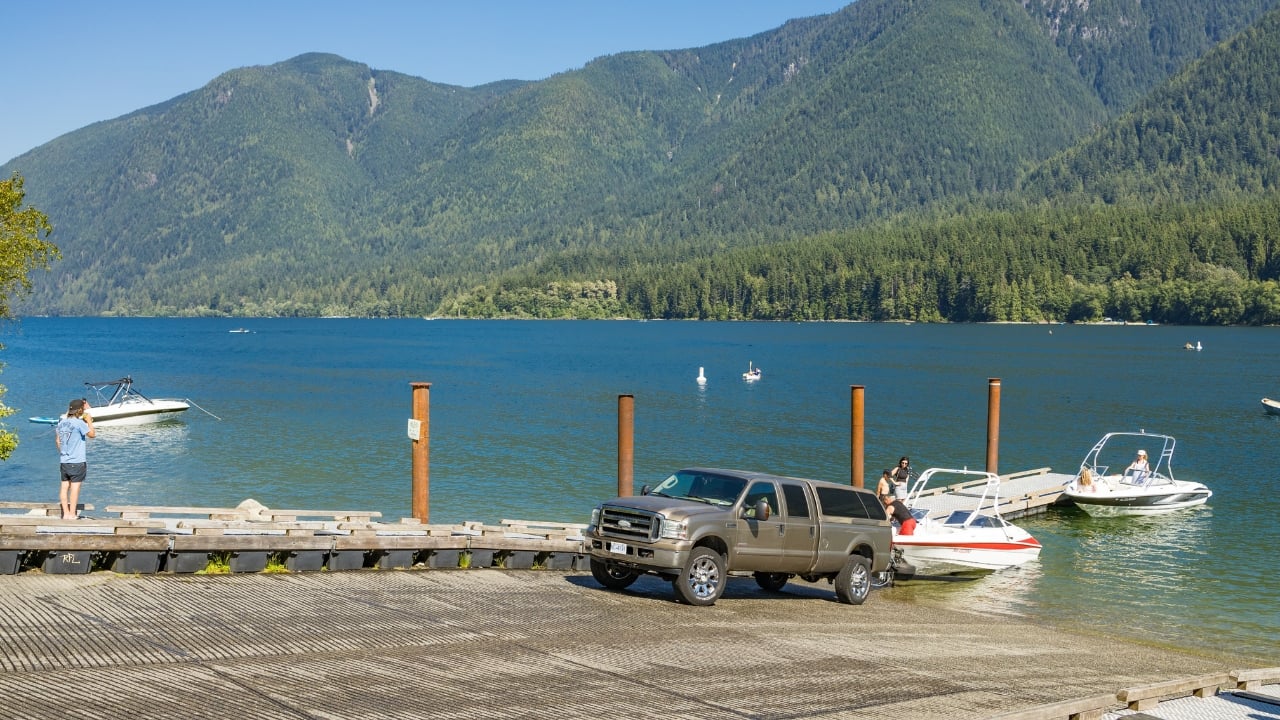
Boat ramps are cramped by nature. Trucks are close. Trailers swing wide. Boats drift. People walk behind vehicles. Everyone is trying to do something that requires room, but there usually isn’t enough room to make it comfortable. That alone can make people snippy.
When someone’s trailer gets too close to your bumper or their boat drifts toward yours, it can feel personal even when it isn’t. Most of the time, it’s just wind, inexperience, bad angles, or poor timing. But when people are already irritated, they read every mistake like disrespect. That is where a calm correction matters. Not everything needs a reaction, and not every bad move is an insult.
The ramp exposes inexperience fast
There are plenty of places where a new boater can learn quietly. A crowded public ramp is not one of them. If someone does not know how to back a trailer, prep a boat, handle lines, or clear the lane, everybody sees it. That pressure can make beginners panic, and panic makes them slower.
The experienced guys watching from their trucks may get annoyed, but they should also remember they had a first season too. A little patience can keep things moving better than heckling. On the flip side, new boaters need to understand that the ramp is not the place to figure everything out from scratch. Practice backing somewhere empty. Prep before you launch. Learn the flow before a busy Saturday morning puts you on stage.
Pride turns delays into arguments
A lot of ramp conflict is not really about the delay. It’s about pride. Someone feels embarrassed, so they get defensive. Someone feels disrespected, so they mouth off. Someone thinks they’re being watched, so they double down instead of moving out of the way. That is how a five-minute problem turns into twenty minutes of everyone staring.
The smartest guy at the ramp is usually not the loudest one. He’s the one who can say, “My bad, I’ll move,” or “We’re clearing out now,” and leave it at that. A calm response gives the problem less room to grow. Pride wants a win. Good judgment wants the truck, boat, and family out of the mess.
Being armed raises the standard
A lot of fishermen and boaters carry firearms where it is legal. That does not make them dangerous by itself. Responsible carriers go through life every day without turning normal frustrations into self-defense problems. But being armed does raise the standard for how you handle conflict.
If you carry, you have less room for ego, not more. You should be quicker to walk away, quicker to de-escalate, and slower to argue with strangers. A loudmouth at the ramp is not a reason to touch your holster, mention your gun, flash anything, or stand there trading insults. Carrying should make you more disciplined. If it makes you feel more willing to stay in a stupid argument, something is backwards.
Alcohol changes the ramp later in the day
Early mornings can be tense because people are tired and rushed. Afternoons can be worse because people are tired, sunburned, and sometimes drinking. Loading a boat after a long day already takes focus. Add alcohol to the mix, and patience can disappear fast.
That does not mean everyone coming off the water is a problem. But it does mean you should pay attention to behavior. Slurred words, stumbling, reckless backing, loud threats, or someone who keeps closing distance after being told to stop are all signs to create space. Don’t try to win a debate with someone who is not thinking clearly. Move your people, protect your gear, and get help if needed.
Everyone thinks their schedule matters most
The guy trying to launch before sunrise thinks every minute counts. The family trying to load up after a long day thinks they’re ready to go home. The tournament angler thinks the ramp needs to move like a pit stop. The weekend boater may not even realize how badly he’s holding everyone up. Everybody is operating from their own pressure.
That is why ramps get tense. People stop seeing a line of other folks with the same goal and start seeing obstacles. The best way to avoid being part of that problem is to act like other people’s time matters too. Prep away from the ramp. Launch with purpose. Load and clear the lane. Tie down somewhere else. Those little habits keep other people from feeling ignored.
Public embarrassment fuels bad reactions
Nobody likes messing up in front of a crowd. A boat ramp gives you exactly that. If you back in wrong, forget the plug, stall the motor, or hold up the line, everyone behind you knows it. That embarrassment can make people edgy, especially if someone starts laughing, filming, or making comments.
If you see someone struggling, don’t add heat unless you have to. Offer a quick hand if it makes sense, or stay quiet and let them correct it. If you’re the one struggling, don’t get mad because people noticed. Fix the problem, move out of the lane if needed, and keep going. Most people forget a ramp mistake quickly. They remember the guy who got nasty about it.
A calm sentence can stop a lot
When tension starts building, the right sentence can make a big difference. “We’re moving now.” “Go ahead, I’ll wait.” “Sorry about that.” “You’re good, take your time.” Those are not fancy, but they work because they lower the temperature instead of raising it.
The wrong sentence does the opposite. “What’s your problem?” “You got something to say?” “Learn how to back a trailer.” “You don’t own the ramp.” Even if one of those feels deserved, it can push a situation into a place it did not need to go. At a crowded ramp, your words matter because everybody is already listening.
The best ramp habit is leaving room for people to save face
If someone is blocking the ramp or doing something wrong, you can still give them a way to fix it without humiliating them. That matters more than people think. A direct but calm “There’s a tie-down area up there if you need it” works better than barking at them in front of ten trucks.
People are more likely to cooperate when they don’t feel cornered. That does not mean letting rude people run the ramp. It means correcting the problem without turning it into a public challenge. Give someone a clean exit, and most folks will take it. Trap them with insults, and now you’re dealing with their ego instead of the original problem.
Know when the ramp is not worth it
Sometimes the smartest move is to wait, move, or leave. If the ramp is packed, people are yelling, someone seems drunk, or the whole place feels off, you do not have to launch there. There may be another ramp nearby. There may be a better window later. There may be a day when fishing somewhere else is the better call.
That is not weakness. That is experience. A boat ramp argument can mess up more than a morning. It can damage property, scare your family, involve law enforcement, or put you in a situation you wish you had avoided five minutes earlier. The fish are not worth that.
Boat ramps get tense because they put tired, rushed people into tight spaces with expensive equipment and bruised pride. When some of those people are armed, the need for discipline gets even higher. Stay calm, keep moving, give people space, and do not let somebody else’s bad attitude decide how your day goes.
Like The Avid Outdoorsman’s content? Be sure to follow us.
Here’s more from us: