Photo credit: Muddy River Tactical/YouTube
A pistol can make a strong first impression for all the right reasons. It may feel good in the hand at the counter, come with a big reputation, and get praised online by owners who are still in the honeymoon stage. That kind of early excitement is real, but it does not always last. Once a shooter starts carrying the gun, cleaning it, practicing with it, and living with its quirks, the things that once felt minor can start to matter a lot more.
That is usually where the shine wears off. A pistol may be reliable enough, accurate enough, and still not remain enjoyable or practical over the long haul. Sometimes the issue is snappy recoil. Sometimes it is a bad trigger, awkward ergonomics, poor concealment for its size, or a platform that asks for more upgrades than it should. A lot of popular pistols sell well because they check the right boxes up front. Fewer stay respected once owners put serious time on them.
Springfield XD-S Mod.2
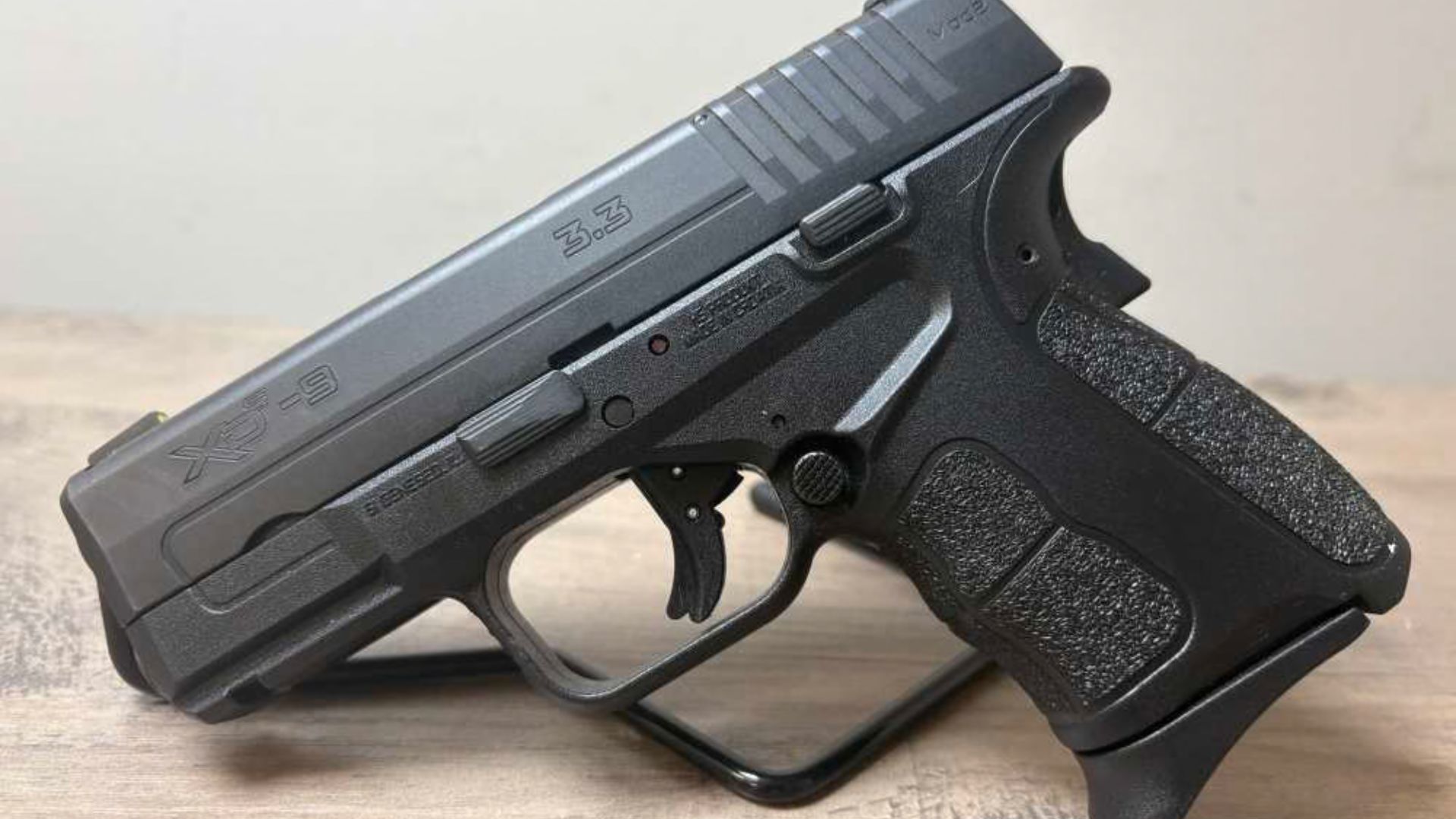
The XD-S Mod.2 often wins people over early because it is slim, easy to conceal, and feels like a practical answer for everyday carry. At first glance, it seems to offer the right formula: enough power, compact dimensions, and a shape that hides well under normal clothing. For shooters moving from larger pistols, that kind of convenience can make a very strong first impression.
Over time, though, many owners start noticing that small size comes with a cost. The gun can feel sharper in recoil than they expected, and longer practice sessions are not always as pleasant as they hoped. A carry pistol can be easy to like in the store and still become less enjoyable after repeated range trips. That is often when the early excitement cools and the search for something easier to run begins.
Ruger LCP Max

The LCP Max gets popular fast because it solves a real problem. It is tiny, light, and easy to carry when a larger pistol feels like too much trouble. A lot of people buy one because they want maximum concealment without dropping all the way back to older, lower-capacity pocket guns. On paper and in the pocket, it makes immediate sense.
What changes for some owners is how the pistol feels once practice becomes regular. Small grip area, brisk recoil, and the general realities of shooting a pistol this light can wear on people over time. It is a useful gun, but useful and enjoyable are not always the same thing. That is why some owners end up respecting what it does while still reaching for something larger when they have a choice.
Glock 26

The Glock 26 earned its popularity because it has the reliability people expect from Glock in a smaller package that still shoots better than many pocket pistols. For years, it was an easy recommendation for concealed carry. It felt like a serious fighting pistol trimmed down enough to hide, and plenty of shooters appreciated that balance when smaller carry options were more limited than they are now.
The appeal can fade today because the market around it changed. Compared with newer slimline pistols, the Glock 26 can feel thick for what it offers. Owners who once accepted that extra bulk because there were few better choices now have more options. It still works, and it still shoots well, but some shooters look at the width, weight, and carry comfort after a few years and decide the trade no longer feels worth it.
SIG Sauer P238

The P238 usually makes a very good first impression because it is small, attractive, and more pleasant to shoot than many people expect from a tiny .380. It has controls and handling that feel more refined than a lot of pistols in its class, and for some shooters it seems like the perfect little carry gun. That early charm is easy to understand once you get one in your hand.
Where the appeal sometimes fades is in the long-term reality of carrying and maintaining a miniature single-action pistol. Some owners eventually decide they do not want the extra manual-of-arms considerations in such a small defensive gun, especially when simpler carry options exist. Others find that while the pistol is enjoyable, it asks for more attention than they want from something meant to be easy. Charm goes a long way, but convenience matters too.
Taurus G3c

The Taurus G3c gets attention because it offers a lot for the money. It is affordable, compact, and loaded with the kind of features buyers like seeing when they compare pistols in the display case. For newer shooters or budget-minded carriers, it can look like one of the smarter deals in the room. That is exactly why it moves so well.
But price-driven appeal can fade when owners start judging the gun by daily use instead of purchase value. Even when the pistol performs acceptably, some shooters begin noticing that the overall feel, trigger quality, or confidence level does not match what they want long term. A gun can seem like a bargain and still fail to become a favorite. That is often what happens when initial value matters more than lasting satisfaction.
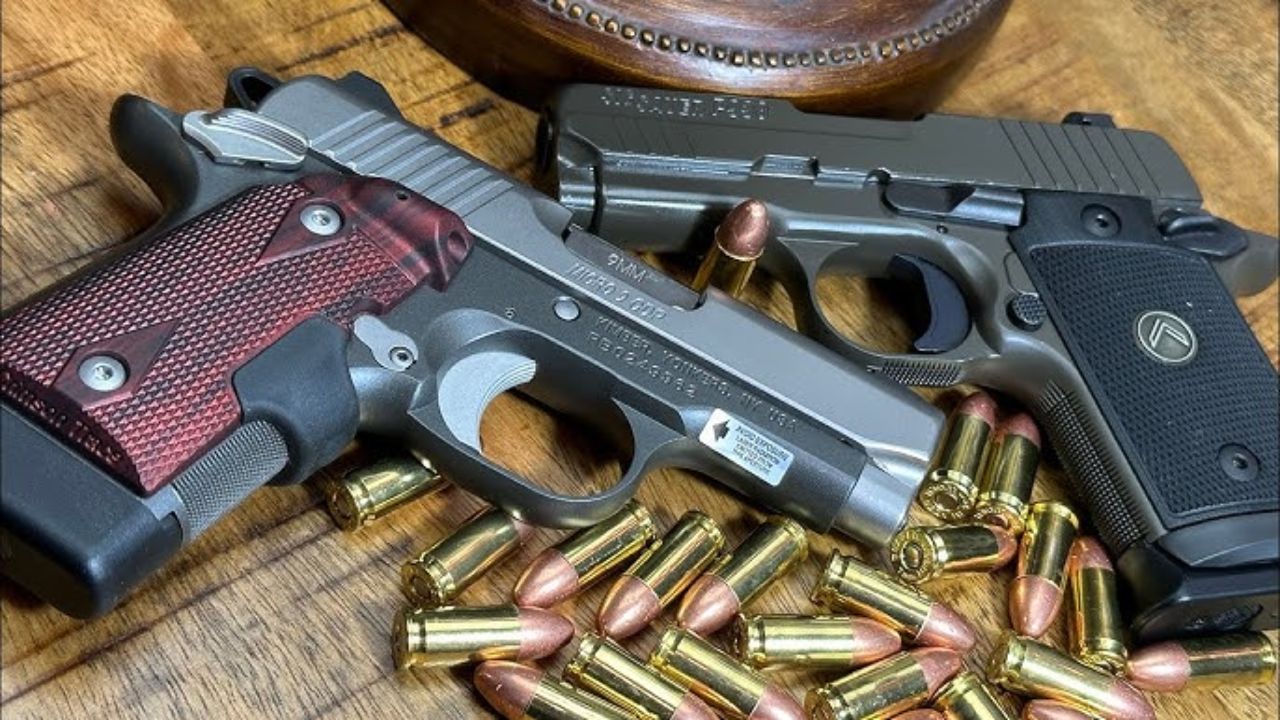
Kimber Micro 9

The Kimber Micro 9 attracts people because it looks sharp, carries small, and offers a familiar metal-gun feel in a very compact package. It appeals to shooters who want something more refined than the average polymer carry gun and who like the idea of a tiny 1911-style pistol in 9mm. In the hand and in photos, it often feels like an easy pistol to admire.
Living with it can be another matter. Small 9mm pistols built around that style can be less forgiving than buyers expect, especially when regular practice enters the picture. Some owners also find that a gun chosen partly for its looks or feel does not always hold the same appeal once carry wear, maintenance, and shooting comfort start weighing in. The result is a pistol people often like at first and question later.
Walther PPK/S
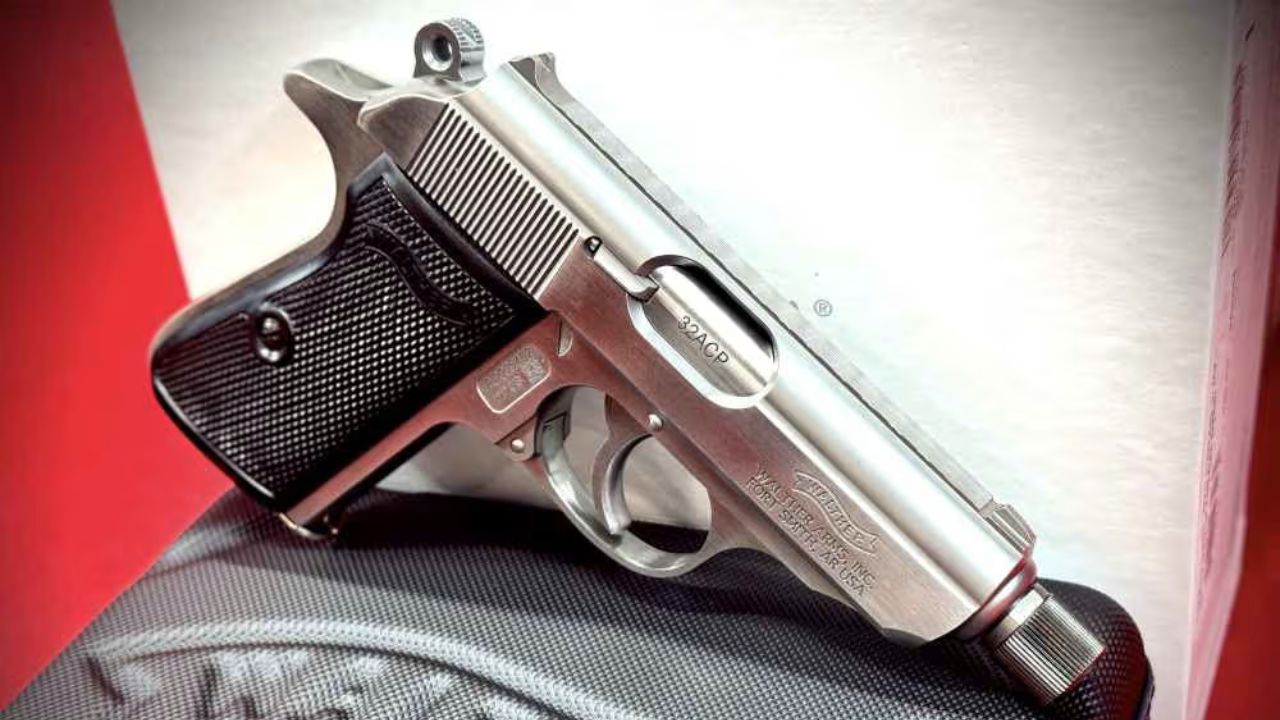
The PPK/S keeps drawing buyers because it has one of the strongest identities in handgun history. It looks classy, feels substantial, and carries a kind of old-world appeal that a lot of modern pistols do not even try to match. For someone wanting a handgun with personality, the attraction is obvious. Few pistols make a first impression quite like it.
That impression can fade once real range time begins. The blowback design, sharper recoil for caliber, and sometimes awkward shooting comfort remind owners that historical charm is not the same as practical ease. It remains respected, but respect and long-term affection are different things. A lot of owners eventually realize they like the idea of the PPK/S more than they like shooting and carrying it on a regular basis.
Smith & Wesson Bodyguard .380

The Bodyguard .380 became popular because it seemed to answer the demand for a tiny pistol that was easy to carry everywhere. For a lot of buyers, that alone made it appealing. It was compact, familiar in brand, and built for the kind of deep concealment many people say they want when they first get serious about carrying daily.
Over time, though, the same traits that made it attractive can make it less enjoyable. Small sights, limited grip area, and a less forgiving shooting experience than larger pistols tend to push some owners toward other options. The gun still fills a role, but it often stops feeling like the ideal answer once a shooter has more experience. Convenience gets attention early. Shootability usually wins later.
Beretta Nano

The Beretta Nano arrived with the kind of features that sounded smart at the time: snag-free profile, deep concealment size, and a modern look that seemed built for discreet carry. It caught interest because it promised a clean, streamlined alternative in a growing market. For a lot of buyers, the concept felt right even before the first magazine went through the gun.
The problem is that some pistols age more quickly in the market than they do mechanically. As better-shooting slim carry guns appeared, the Nano started feeling less compelling. Owners who initially liked the size and shape sometimes moved on because the trigger, handling, or overall feel no longer stood out once newer competitors arrived. Popularity can fade fast when the original appeal depends heavily on timing.
Glock 42

The Glock 42 earned popularity by offering a softer-shooting .380 with familiar Glock simplicity. For many shooters, it felt like a more approachable pocket pistol than harsher, smaller alternatives. That helped it win people over, especially those who wanted an easier-recoiling gun without stepping up to a larger 9mm. It made a lot of sense when comfort and brand trust were leading the decision.
The appeal can fade because it lands in an awkward middle ground for some owners. It is larger than many expect for a .380, yet still not as capable as slim 9mm pistols that are not much harder to carry. That leaves some shooters wondering what they are really gaining after a few years. The answer may still be “quite a bit,” but the market gives them more reasons to question it now.
FN Five-seveN

The Five-seveN has always made a strong impression because it is different. High capacity, low recoil, unusual cartridge, and unmistakable styling make it the kind of pistol people remember immediately. For some buyers, owning something that stands apart from the usual 9mm crowd is part of the appeal. It feels modern, interesting, and unlike almost anything else in the case.
That novelty can wear thin over time if the pistol does not fit how the owner actually shoots or carries. Ammunition cost, size, and the simple reality that it fills a narrower role than more conventional handguns can make the gun feel less practical after the excitement fades. It still has devoted fans, but it also has plenty of owners who eventually decide it was more interesting to own than useful to keep.
Kahr PM9

The PM9 became popular because it offered a very small 9mm carry option before the current wave of micro-compacts changed the market. At the time, that made it look like a smart solution for people wanting serious caliber in a very concealable package. Its dimensions and smooth profile gave it real appeal, and many shooters liked how easy it was to hide.
Long-term appeal can slip because small carry guns are judged harder once better alternatives appear. What once felt impressively compact can start feeling less forgiving, less comfortable, or simply less competitive than newer designs with better capacity and easier handling. That does not erase what the PM9 did well. It only means popularity is often tied to what a pistol offers compared with its moment, not compared with what comes next.
Like The Avid Outdoorsman’s content? Subscribe to our newsletter so you never miss an article.
Here’s more from us: