Photo credit: TURBIAK/YouTube
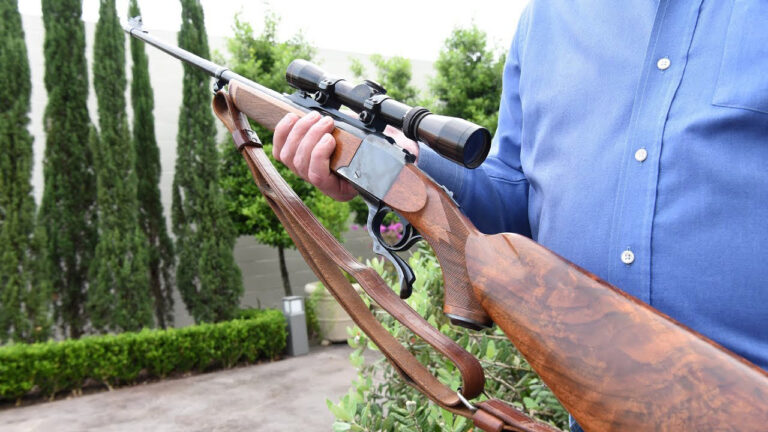
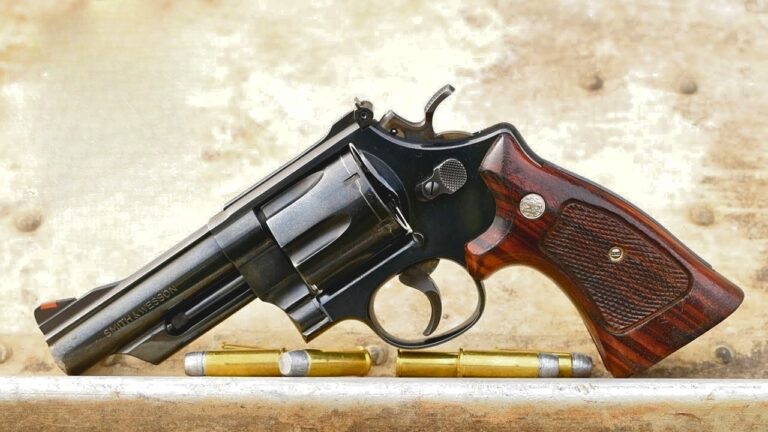
A lot of shooters assume that stainless steel means indestructible—but it doesn’t. Stainless guns resist rust better than blued steel, but they’re not immune to corrosion, pitting, or wear. In fact, under certain conditions, they can be more vulnerable. Saltwater, blood, humidity, and even the oils from your hands can attack stainless finishes over time. The “maintenance-free” myth has cost plenty of hunters and boat owners more than one favorite rifle. Stainless is good, no question, but it isn’t a force field. It trades certain strengths for weaknesses that most people don’t realize until they see that first orange spot or rough patch on the barrel. If you’ve been treating your stainless gun like it can take care of itself, it’s time for a reality check.
Stainless still rusts—just slower
The word “stainless” makes people careless. It doesn’t mean “rustproof”—it means “rust-resistant.” All steels contain iron, and iron reacts with oxygen and moisture. Stainless alloys simply have more chromium, which forms a thin protective layer on the surface. But that layer can be damaged, and once it is, corrosion starts just like it would on blued steel.
In salt-heavy air or wet conditions, stainless guns will spot, pit, and corrode faster than you think. Blood and fingerprints accelerate the process even more. You still have to wipe them down, oil them, and store them properly. Stainless resists neglect—but it can’t fix it.
Polished surfaces hide trouble
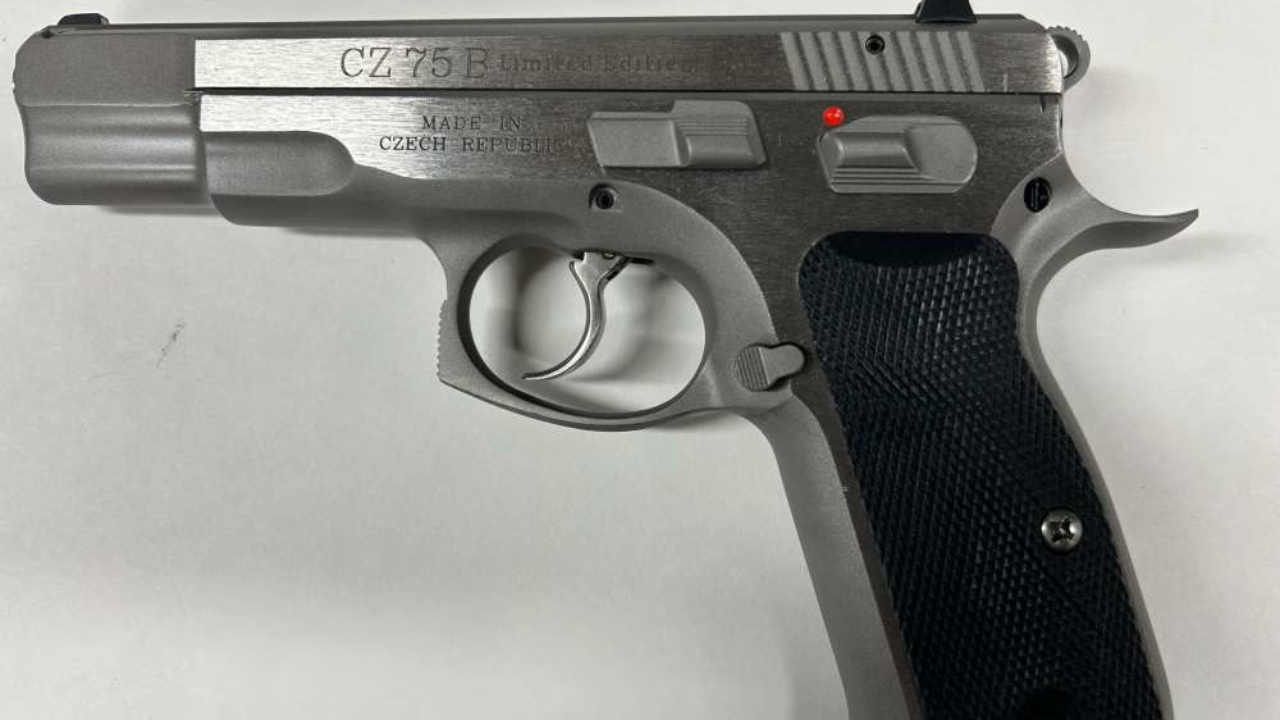
A bright, polished finish might look great, but it hides corrosion better than it prevents it. Fine scratches and microscopic imperfections can trap moisture or salts from your skin, slowly eating into the metal underneath. By the time you notice discoloration or rough texture, the damage is already done.
Matte stainless finishes do a better job at showing early rust spots, but they’re more prone to staining and pitting from rough use. Either way, looks can be deceiving. The mirror shine that makes stainless guns so appealing also makes it easier for small corrosion spots to sneak up on you.
Galvanic corrosion is a real threat
Stainless guns often have parts made from different metals—aluminum frames, carbon steel screws, or coated components. When two different metals come into contact and moisture is involved, galvanic corrosion can start. That’s especially true in marine environments, where saltwater acts as the perfect conductor.
You’ll see it as small bubbles, dark spots, or white powder forming around screw heads or joints. Once that reaction starts, it’s hard to stop without replacing parts. Many shooters assume stainless construction prevents this, but it’s the mix of metals—not the finish—that starts the problem. Stainless won’t save you from chemistry.
Stainless is softer than most think
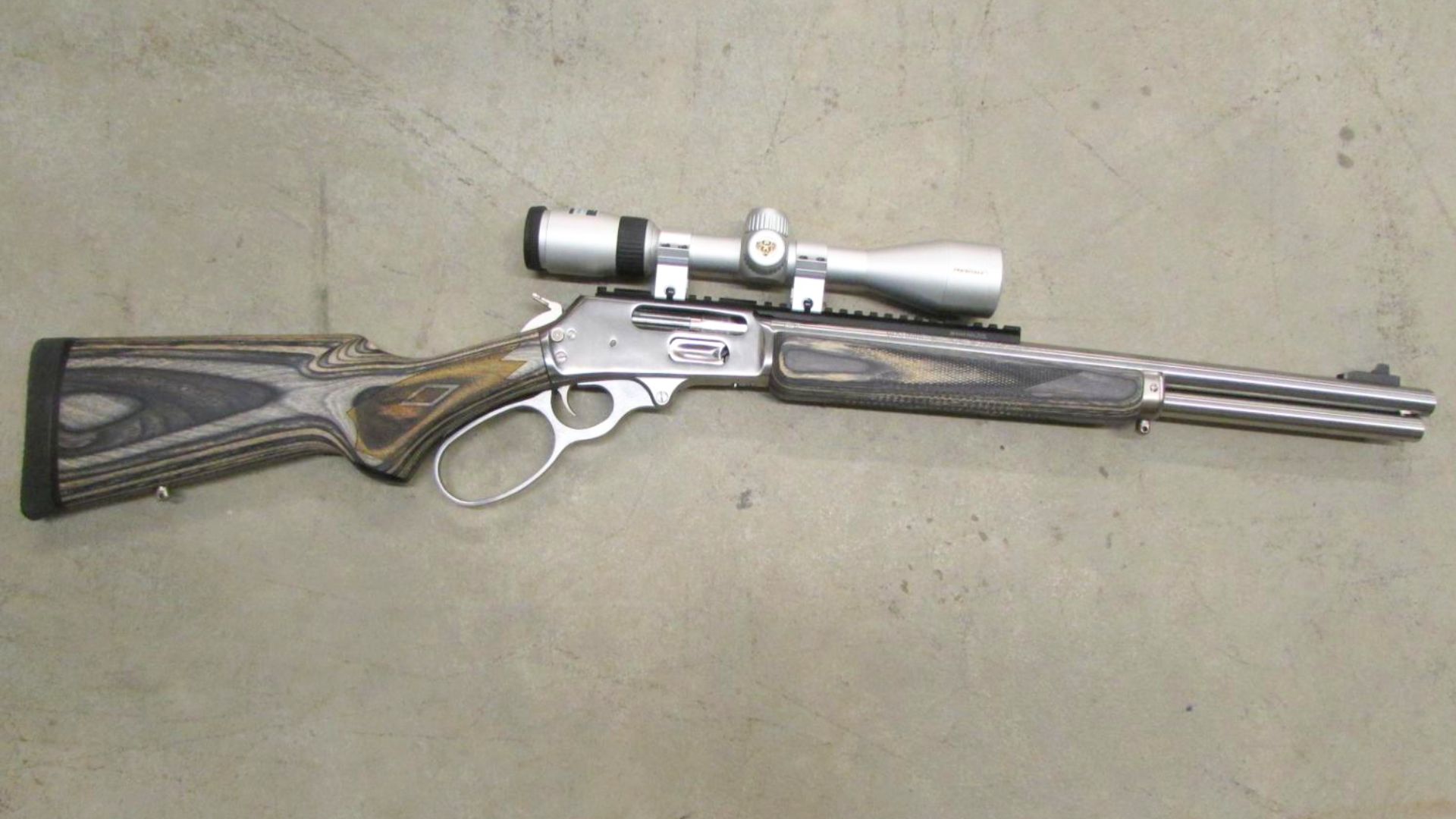
Stainless steel can be surprisingly soft compared to high-carbon gun steels. It’s easier to machine and finish, which keeps production costs down, but it also means the surface is more prone to scratching and galling. Holsters, sling swivels, or even belt buckles can leave permanent marks on a stainless gun faster than on a properly blued one.
That softer surface can also wear faster under repeated use. Revolver cylinders, for instance, often show drag lines sooner. Over time, stainless components can lose their tight fit or polish with hard field use. Stainless looks tough—but it’s not armor-plated.
Temperature swings take a toll
If you’ve hunted in freezing weather with a stainless rifle, you’ve probably noticed how it handles temperature changes. Stainless expands and contracts more dramatically than some other steels. That can affect barrel harmonics, shift zero, and even cause fitment issues in extreme cold or heat.
It’s not catastrophic, but it matters if you’re shooting at longer distances or working in unpredictable climates. Stainless is stable enough for most conditions, but it’s not magic. Every material has limits, and stainless shows its weaknesses when you move between warm trucks and cold ridgelines all day.
Blood and salt are its worst enemies

Many hunters assume stainless guns shrug off blood and salt spray, but those are exactly the conditions that will eat at them. Blood, especially from game like moose or bear, contains salt and organic acids that corrode faster than plain water. Let it sit overnight, and you’ll see dull spots or orange freckles by morning.
Salt spray in coastal regions does the same thing. Even a thin film of sea air can start corrosion if left untreated. Stainless or not, every rifle needs a wipe-down after exposure to those conditions. The old rule still applies—if it gets wet, it gets cleaned.
Field use still beats them up
A stainless rifle might look clean longer, but it takes abuse like any other tool. The finish scratches easily against rocks, brush, or pack straps. Once those scratches cut through the passive layer, corrosion starts there first. Even stainless actions can gall if they run dry or collect grit.
Guides and seasoned hunters will tell you—stainless steel doesn’t make your rifle invincible. You still need grease on the bolt, oil on the metal, and attention after every trip. Treat it like a tool, not a trophy, and it’ll hold up fine. Treat it like it’s indestructible, and you’ll learn otherwise.
Maintenance still matters

The biggest mistake people make with stainless guns is neglect. They assume they can skip the cleaning bench because “it’s stainless.” That mindset ruins more rifles than rain ever could. Stainless guns still need oil, cleaning, and protection from moisture.
If you leave one cased wet, you’ll see surface rust in days. Wipe it down with a protectant after every trip, especially around screw heads, sights, and joints. The good news is that stainless cleans up easier than blued steel—but only if you stay on top of it. Maintenance keeps it stainless.
The finish doesn’t protect the internals
Even if the exterior looks clean, the inside tells a different story. Barrels, chambers, and internal parts often aren’t as corrosion-resistant as the outer finish. Stainless or not, moisture works its way inside. The bore, springs, and trigger assemblies can rust just as easily as any carbon steel part if left unchecked.
A stainless rifle isn’t a “set it and forget it” gun. If you’re in wet country or store it in humid air, you need to protect those inner parts too. A few drops of oil in the right places go a long way toward keeping stainless performance reliable.
Stainless looks good, but that’s it
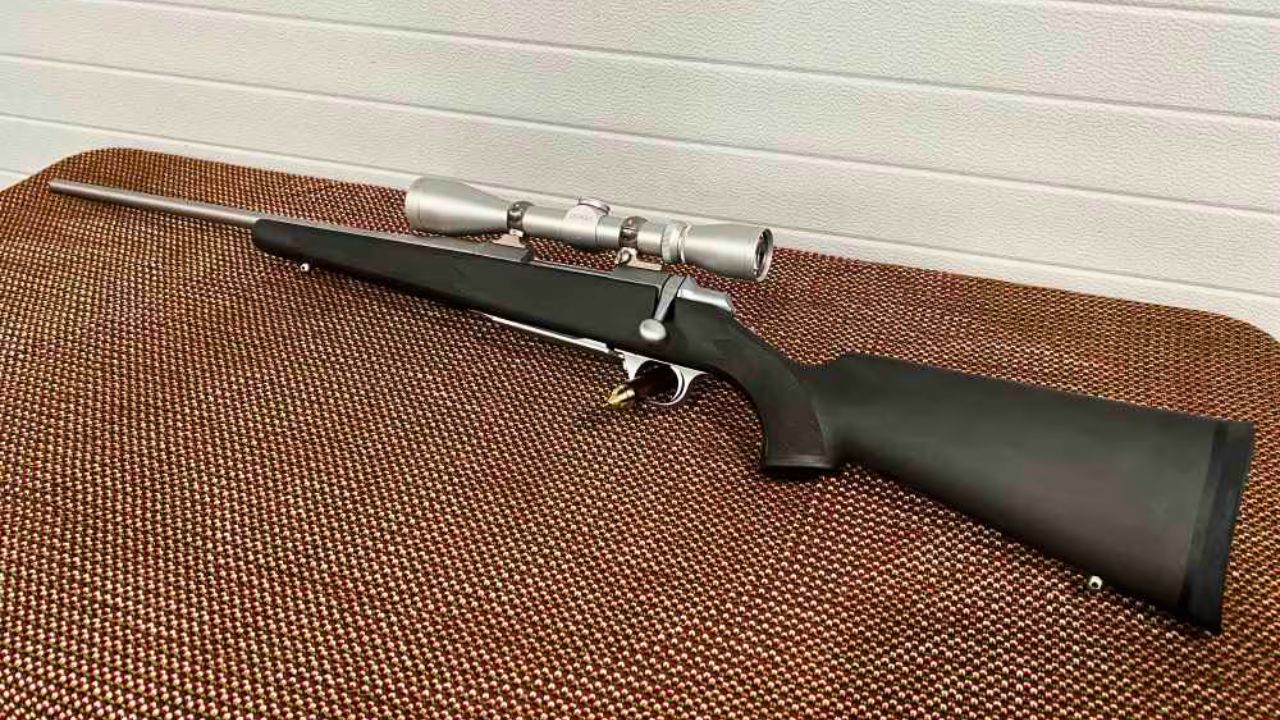
There’s no denying that stainless guns have curb appeal. They photograph well, look sharp at the range, and turn heads in camp. But their toughness is more reputation than reality. They’re easier to maintain and clean, yes—but they still need the same care as anything made of steel.
The myth of the indestructible stainless rifle has stuck around for decades, but anyone who’s carried one long enough knows better. They shine bright and stay pretty longer—but toughness isn’t skin deep. Stainless is still steel, and steel still rusts when you forget it.
Like The Avid Outdoorsman’s content? Be sure to follow us.
Here’s more from us:
The worst deer rifles money can buy
Sidearms That Belong in the Safe — Not Your Belt
*This article was developed with AI-powered tools and has been carefully reviewed by our editors.