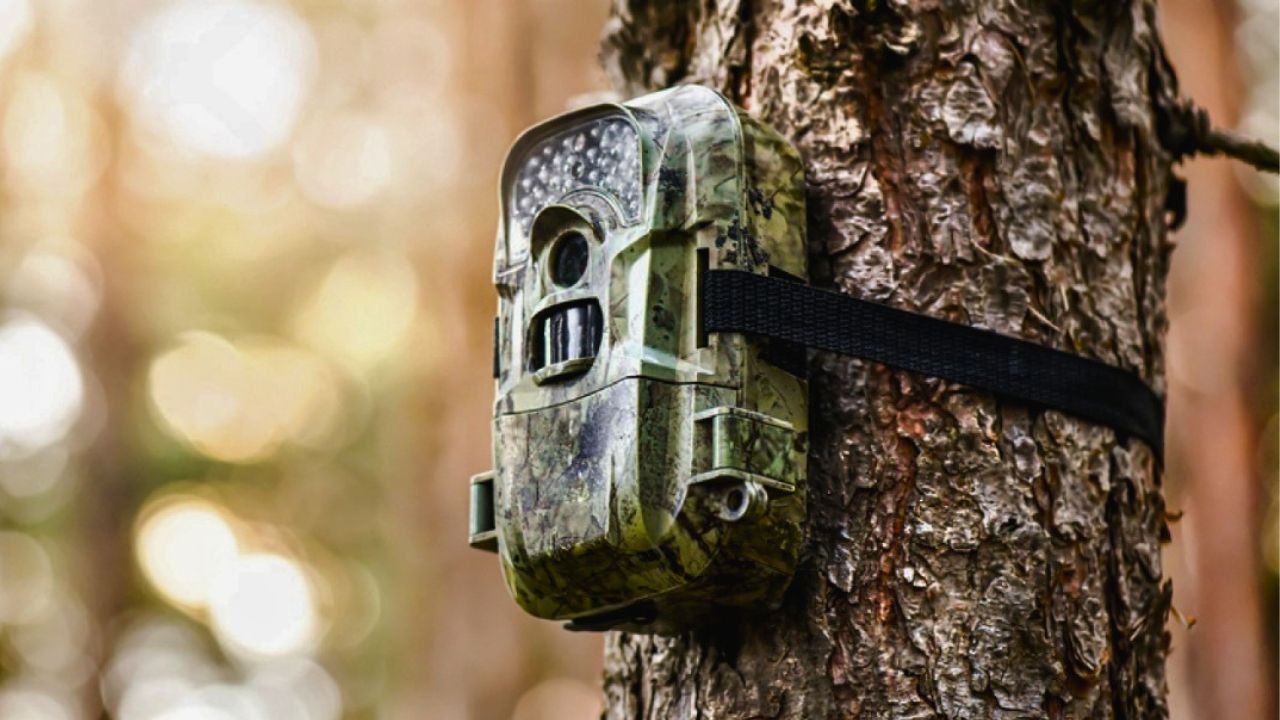
Photo credit: Krasula/Shutterstock.com
A lot of hunters act surprised when a trail camera location stops producing after it looked promising for a week or two, but the truth is those spots usually do not get burned by accident. They get burned because too much attention starts piling onto one small piece of ground. A camera goes up in a place that feels hot, and suddenly that little pocket stops being a quiet observation point and starts becoming the center of too much human activity. The camera gets checked too often, approached from the same route, fussed over every time a picture comes through, and treated like a control panel instead of a passive tool. Before long, the area starts feeling pressured, predictable, and human in a way it did not before. Then the hunter blames the camera, the batteries, the wind, or bad luck, when a lot of the damage actually came from how the spot got handled after the camera went up. Good camera spots do not usually fall apart because the camera exists. They fall apart because people stop acting like the area still needs to hunt naturally once the camera is there.
What makes this worse is how quickly camera information can make a hunter impatient. The moment a spot starts producing useful images, the temptation is to tighten the leash around it. People want to know more, faster. They want better angles, more frequent checks, and a closer read on exactly what is happening. But the more a hunter starts orbiting that location, the more he changes what the location actually is. Deer, hogs, and other game do not need a camera to know when a place starts getting touched too much. They feel the access, the ground disturbance, the repeated approach, and the extra scent left behind by somebody who thinks he is only “checking a camera” when in reality he is changing the whole character of the area. That is why some camera spots seem to cool off almost overnight. The pictures did not scare the animals. The pressure that came with chasing those pictures usually did.
Most camera spots get ruined by overchecking, not by bad placement
A lot of hunters put a camera in a decent location and then wreck the value of it by how often they insist on putting hands on it. That is probably the fastest way a good spot goes bad. A camera that could have quietly told you something over time turns into a reason to keep walking in, keep leaving scent, and keep reminding everything in the area that a human uses that exact route with regularity. The hunter thinks he is gathering information, but what he is really doing is teaching animals when and where human intrusion shows up. Once that lesson gets repeated enough, movement often changes, especially on pressured ground or in places where mature animals already have very little patience for sloppy traffic.
This is where discipline matters a whole lot more than excitement. A camera is supposed to work for the hunt, not drag the hunter into the same spot every time curiosity kicks up. If you cannot leave a camera alone long enough for the location to stay natural, then you are probably getting less useful information than you think. A lot of hunters keep checking because they are afraid of missing something important, when in reality the repeated checks are often the exact reason the best movement starts slipping out of daylight or around the area entirely. The smartest hunters usually are not the ones with the most cameras. They are the ones who know how to let a camera do its job without turning it into a daily excuse to disturb the ground around it.
The route to the camera burns the area as much as the camera itself
Another reason trail camera spots get burned so fast is that hunters focus too much on the tree and not enough on the path leading to it. They may think the location is hidden well, but if the approach cuts through bedding cover, crosses a major trail, brushes a field edge, or uses the same line every single time, the whole setup is already starting to wear out whether the camera placement was good or not. Animals pick up on repeated human movement patterns quickly, especially when that movement keeps showing up without any natural reason from their point of view. If every camera check leaves the same scent line and disturbance in the same lane, then sooner or later the route becomes part of the pressure, and the camera spot starts suffering right along with it.
A lot of hunters miss this because they think of camera pressure only in terms of the exact place where the device is hanging. But the route in and out is often what does the real damage. If you have to tromp through the heart of the area every time you want to swap a card or check batteries, then the camera is costing you more than it is giving you. That does not always mean the spot was bad to start with. It may mean the only practical access to it is too intrusive for how sensitive the area is. Good hunters figure that out early. They do not keep pretending the camera is helping just because the pictures look nice if the access required to keep that camera running is quietly teaching game to move differently.
Some spots get burned because too many people know about them
A trail camera spot can also go bad fast when the information coming out of it starts traveling too freely. The minute one camera turns into camp talk, group-text chatter, or shared excitement between too many hunters, that little location starts attracting more attention than it can handle. Even if nobody means harm, extra interest has a way of creating extra visits, extra ideas, and extra movement. Somebody wants to scout the area. Somebody wants to slip in for a quick sit. Somebody wants to confirm the sign for himself. Before long, the camera is not just a quiet source of information anymore. It has become a magnet. That is how promising little pockets get used up in a hurry.
This is one of the quieter reasons camera spots burn out, but it happens all the time. Not every useful picture needs to become public property among your whole hunting circle. Good information is valuable partly because it stays controlled. The more people who feel invited into the orbit of one productive camera, the more likely it is that the area starts picking up too much traffic from too many angles. Hunters who consistently keep good spots alive usually understand this instinctively. They know a camera does not just need concealment from game. It often needs protection from human enthusiasm too. Once too many people start treating that camera location like a shared opportunity, the spot often stops acting like one.
The best camera spots last when the hunter acts like he is not there
That is really the difference. A camera spot survives when the hunter keeps his curiosity from becoming pressure. He checks it less, approaches it better, talks about it less, and resists the urge to make every good image a reason to tighten his grip on the area. The hunters who keep saying their camera spots “went dead” often are not dealing with mysterious bad luck. They are dealing with the fact that their own habits changed the way the area felt. They made a once-quiet pocket start carrying too much human traffic, too much routine disturbance, or too much outside attention.
If you want a trail camera spot to stay useful, you have to treat it like part of the habitat, not part of your daily entertainment. Let it breathe. Think hard about access. Be honest about whether the route is worth the information. And remember that the goal is not to squeeze every ounce of curiosity out of the camera as fast as possible. The goal is to learn something without teaching the woods around it that you are there more often than you need to be. That is usually what keeps a good camera spot from burning out before it ever really had the chance to help you.
Like The Avid Outdoorsman’s content? Subscribe to our newsletter so you never miss an article.
Here’s more from us: