Image Credit: TheOl1911/YouTube.
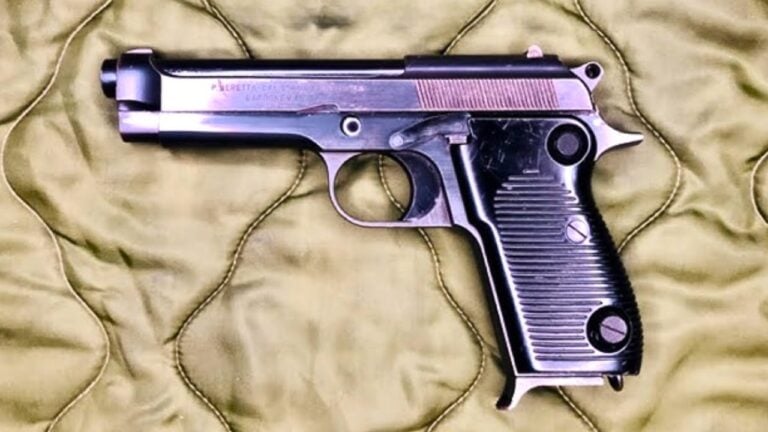
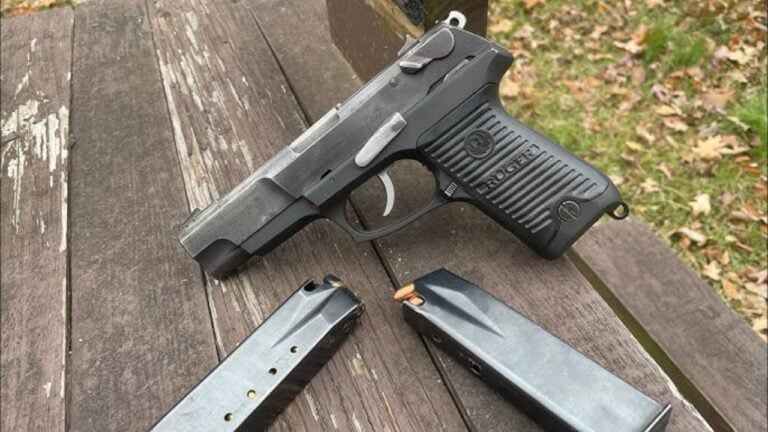
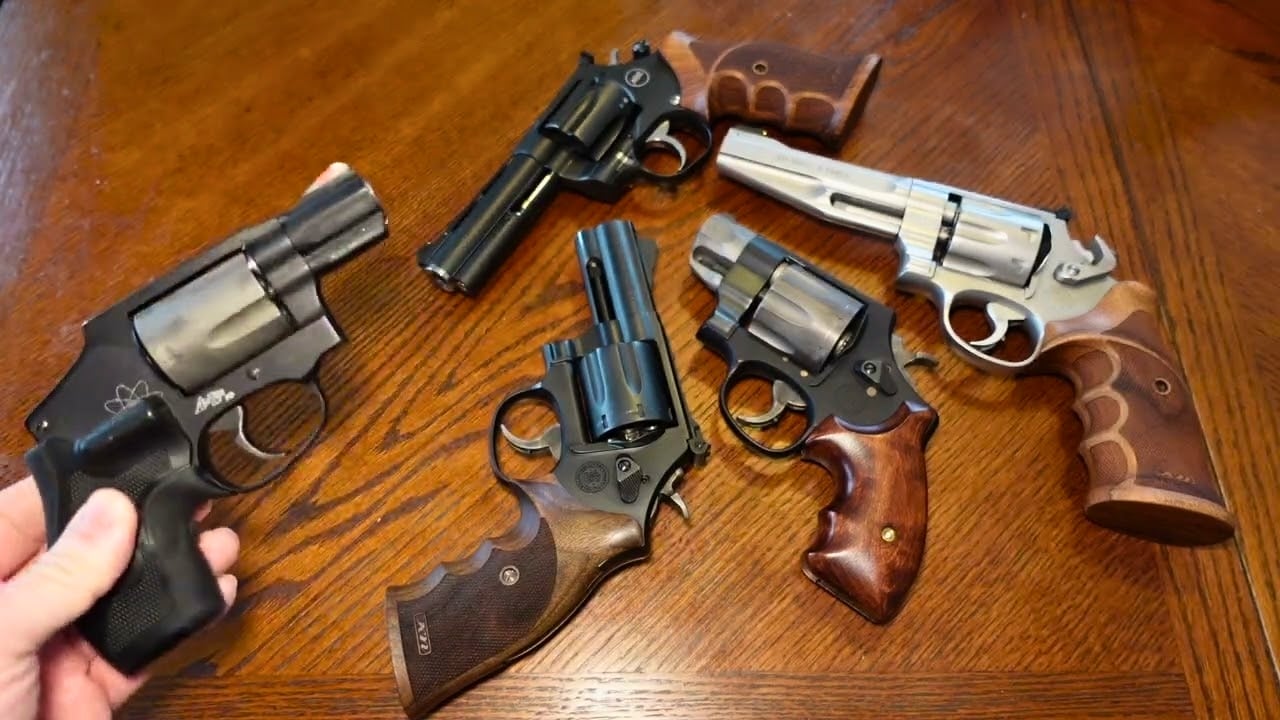
A rifle is the go-to for most hunters, but relying on it alone can be a mistake. A backup sidearm is one of the most overlooked pieces of gear in the field, and it can be the difference between being prepared and being caught off guard.
I’ve spent enough time in the backcountry to know that things don’t always go as planned. Maybe your rifle jams at the worst moment, or an animal doesn’t go down as expected. In any of those situations, reaching for a reliable handgun can mean the difference between staying in control and scrambling for a solution.
A backup sidearm isn’t a luxury—it’s smart preparation. And if you think it’s unnecessary, you probably haven’t been in a situation where you needed one yet.
When Your Rifle Lets You Down

Every hunter’s been there—your rifle jams, you misfire, or something knocks your scope out of alignment. It doesn’t happen often, but when it does, you don’t want to be standing there empty-handed. A sidearm gives you a backup plan when your main gun decides to quit.
It’s not about replacing your rifle, it’s about not getting caught without a working firearm. If you’re deep in the woods and something goes wrong, a good handgun is the difference between staying in the hunt or packing it in early.
When Things Get Too Close for Comfort

A rifle’s great until something’s right on top of you. Whether it’s a wounded buck turning aggressive, a hog deciding to fight instead of run, or an animal you didn’t even see coming, a sidearm is a lifesaver when things get up close and personal.
Trying to maneuver a long gun in tight brush or thick timber isn’t always an option. A sidearm lets you react fast without fumbling with a bolt or trying to shoulder a rifle when you barely have room to move.
Keeping Predators in Check

Most hunters don’t think about predators until they’re looking at one. Whether it’s a bear, a pack of coyotes, or even a big cat watching from the treeline, having a sidearm is peace of mind when you’re in their backyard.
It’s not just about self-defense. Predators know the sound of a rifle shot, and they know it means a free meal if they get to your kill first. A handgun gives you the firepower to protect your downed game when something bigger and meaner comes sniffing around.
Easier to Carry When You Need to Move

There are times when hauling a rifle everywhere is more of a hassle than anything. If you’re setting up camp, quartering an animal, or just moving through thick cover, sometimes you need both hands free. A sidearm gives you security without getting in the way.
A good holster setup keeps your pistol handy without the bulk of a rifle slung over your shoulder. When you’re scouting, climbing, or dressing out a deer, having a sidearm means you’re still armed without constantly managing a full-sized gun.
When You’re Tracking a Wounded Animal

Wounded game can be unpredictable. That buck you thought was down might still have enough fight left to charge, and a cornered hog isn’t going to go down without a fight. A sidearm gives you a faster, more maneuverable option when things don’t go as planned.
If you’re pushing through thick brush, a rifle isn’t always the easiest to swing into action. A handgun lets you react quickly when an animal suddenly gets back on its feet and decides to make a run straight at you.
When You Run Into Two-Legged Threats
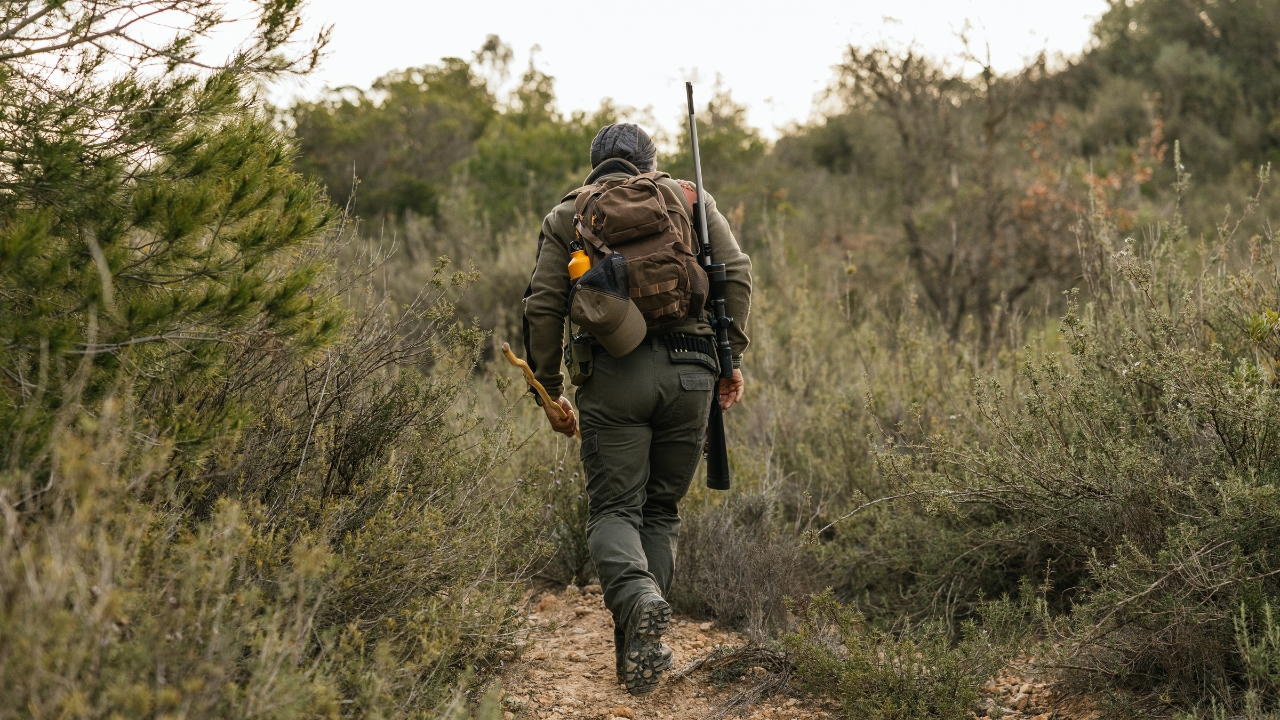
Most hunters think about wildlife threats, but the reality is, people can be a bigger problem. Whether it’s a trespasser who doesn’t take kindly to being caught or some backcountry lowlife looking for trouble, it’s better to be prepared.
Your rifle might not always be within reach, but a sidearm on your hip gives you a fighting chance if things go sideways. You don’t want to need it, but you’ll sure be glad to have it if you ever do.
When You’re Out After Dark
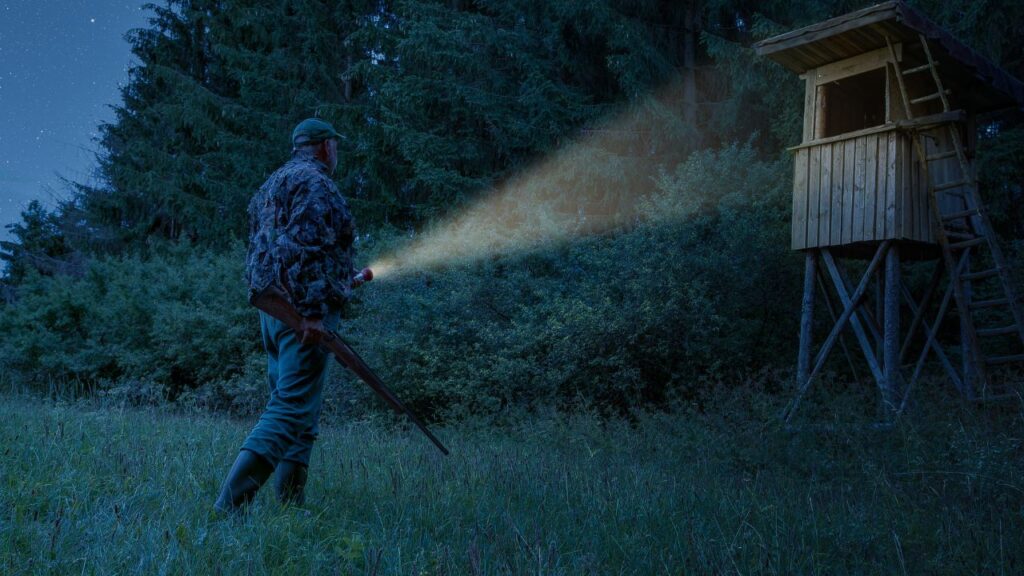
Tracking game, getting back to camp, or walking out after legal shooting hours puts you in the woods at a time when you’re not the only predator moving around. Coyotes, bears, and even the occasional mountain lion know that darkness is when they have the advantage.
A sidearm keeps you from feeling like an easy meal. If you’re dragging out a deer in the dark or coming back from a long sit, knowing you’ve got something reliable on your hip makes all the difference.
When You’re Hunting in Bear Country

If you’ve ever watched a grizzly cover ground at full speed, you know why a sidearm isn’t optional in bear country. Even black bears can turn aggressive, especially if you surprise them or get between a sow and her cubs.
Bear spray works in some situations, but it’s not foolproof. Wind direction, reaction time, and sheer luck all play a part. A big-bore revolver or 10mm semi-auto gives you a last line of defense if things escalate.
When You’re On a Long Pack-Out

Packing out an animal is hard enough without having to manage a rifle the entire time. If you’re miles from the truck, hauling quarters through rough country, a sidearm makes it a lot easier to stay armed without extra weight and hassle.
A rifle slung over your shoulder shifts, catches brush, and slows you down. A handgun stays out of the way but is ready if you run into trouble. When exhaustion sets in and you’re focused on getting out, knowing you still have a reliable weapon within reach is a big deal.
*This article was created with the assistance of AI.