Photo credit: Mystery Tackle Box/YouTube
Early morning topwater fishing feels electric, and when it’s right, the strikes come out of nowhere. But the window is short, and even small mistakes shut the whole bite down fast. Low light, calm water, and feeding fish all work in your favor—but they also make every movement, sound, and lure choice matter.
If you fish topwater long enough, you learn that missed blowups usually come back to something you controlled. Fix a few habits, and those early minutes on the water start producing again.
Working the lure too fast in calm conditions
When the surface is glassy, a fast-moving bait looks out of place. Fish want something that moves like real prey easing across the top, not sprinting away from them. Slowing your cadence down makes the lure look alive instead of panicked.
Pauses are where most early morning blowups happen. If you keep ripping a popper or walking bait too aggressively, fish lose interest or swipe without committing. When the water’s calm and the light is low, subtle movement wins more often than anything loud or frantic.
Setting the hook the moment you see the blowup
Seeing a fish explode on your bait triggers an instinctive reaction, but swinging early pulls the lure straight out of their reach. Topwater strikes often involve a quick miss before the fish fully turns on the bait. If you wait to feel weight, your hookup rate improves instantly.
Give the fish a heartbeat to actually take the lure under. Once you feel pressure, then drive the hook home. This one adjustment helps more anglers land fish than any lure change or retrieve tweak.
Using a rod that’s too stiff for topwater work
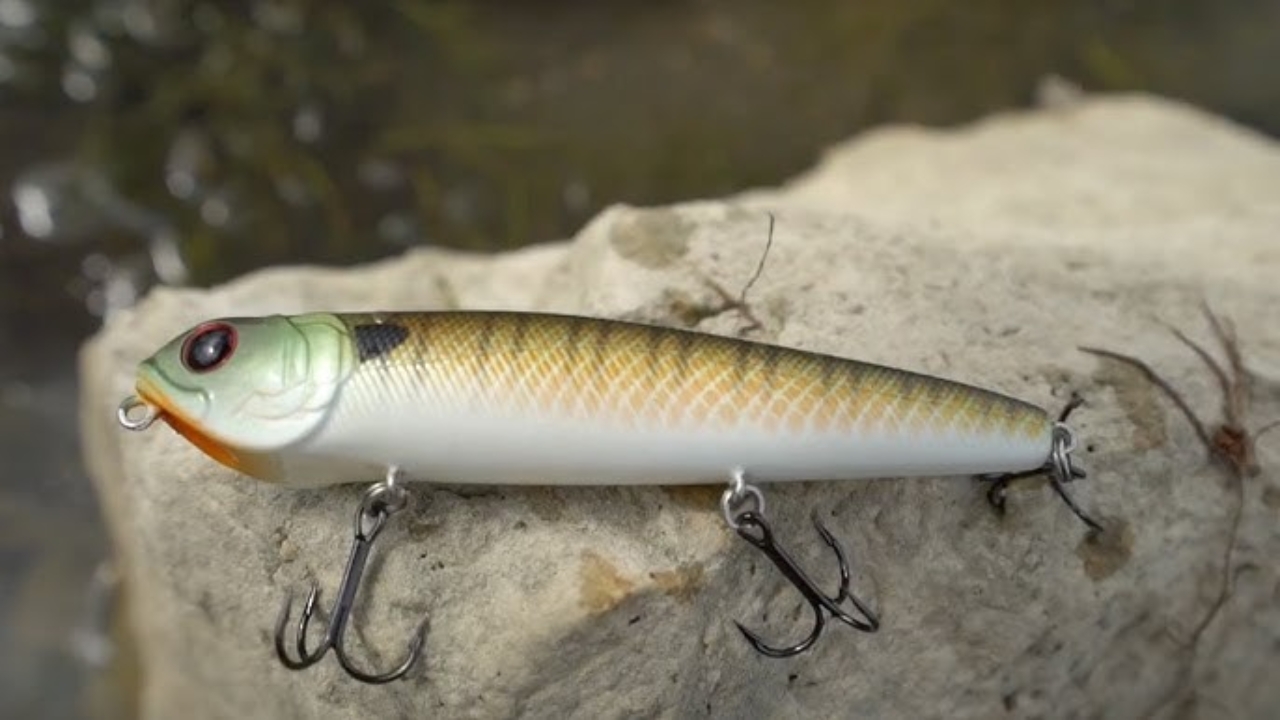
A heavy or extra-fast rod rips hooks away before they can bury, especially with treble-hooked baits. It also kills the natural action of walking baits or poppers by making everything too rigid. A moderate or moderate-fast rod loads deeper and keeps fish pinned longer.
A softer tip lets your bait glide instead of jerk. It also prevents you from overworking your retrieve when adrenaline is high. When your rod matches the technique, you’ll land more fish and work the lure the way it was designed to move.
Fishing loud baits when fish are feeding subtly
Not every morning calls for chugging poppers or rattling walkers. Sometimes bass are feeding on insects or tiny minnows, and a loud bait spooks them instead of pulling them in. If you see gentle dimples or subtle swirls, tone everything down.
Quiet walkers and small prop baits often shine in these conditions. They match the mood of the fish better than something that thrashes water. Paying attention to the type of surface activity tells you whether to go bold or keep it understated.
Letting the boat or kayak drift too close to feeding fish
Early morning fish sit tight to cover, shallow flats, and shade lines. If your boat creeps too close, even by a few feet, the whole school can shut down. Noise carries farther at dawn, and small disturbances matter more in still conditions.
Use your trolling motor sparingly and avoid sudden movements. Position farther away than you think you need to. The more distance you give those fish, the more confidently they’ll hit a topwater worked across their zone.
Ignoring wind direction and letting your bait work unnaturally
Even a slight breeze can change how your lure moves. Working against the wind often creates slack and disrupts cadence. Working with the wind gives your bait a natural drift that fish respond to far better.
Casting at angles instead of straight into the wind helps maintain consistent tension. Your lure will walk, pop, or wake more cleanly. Fish sense when something moves naturally, and they eat it without hesitation.
Choosing the wrong color for the lighting
Low light might make you think darker colors always work, but sky reflection changes everything. Some mornings call for bone or white so fish can silhouette the bait cleanly. Other mornings, especially overcast ones, darker shades give a stronger outline.
Watch how the water reflects the sky. Fish need contrast, not flash, in early light. Matching your color to the overall brightness helps fish home in on the bait instead of swiping and missing.
Not working the lure all the way back to the boat
A huge number of topwater strikes happen within a few feet of your boat or bank position. Fish track a lure a surprisingly long time before committing, especially in low light. If you give up halfway through, you’re missing half the opportunities.
Keep your cadence steady right to the end. Don’t speed up or yank the bait out early. Many anglers miss fish not because the lure failed, but because they ended the retrieve too soon.
Fishing topwater when the surface is too slick after sunup
Once the sun hits the water, that perfect early morning topwater window closes fast. Fish drop deeper or become wary of anything on the surface. Staying committed too long wastes valuable time.
Watch the light. When shadows disappear or the surface loses that soft glow, switch techniques or adjust to subsurface baits. Staying versatile helps you capitalize on feeding windows instead of fishing memories of what worked ten minutes earlier.
Using the wrong size bait for the conditions
Big baits look unnatural when fish are hunting tiny prey at first light. Conversely, small walkers get ignored when fish are on larger forage. Choosing the wrong size puts you out of alignment with what fish expect.
Match the hatch as closely as possible. If baitfish are tiny, downsize. If you see bigger wakes or larger forage flicking, go up a size. Proper sizing makes your bait look like it belongs on the surface at that moment.
Pausing too little when fish are hesitant
Fish often follow a topwater for several feet before deciding whether to strike. If you never pause, you never give nervous fish a moment to commit. Pauses are natural cues—wounded prey stop, flutter, then move again.
Counting a short pause into your rhythm gives fish the window they need. You’ll notice more confident strikes, fewer swipes, and better hookups when you let the bait hesitate at the right times.
Standing too high and casting a long shadow
Visibility changes quickly at dawn, and your shadow can stretch farther across the water than you realize. Fish feeding near the surface spook instantly when something darkens their zone. This kills the bite before you even start working the lure.
Stay low when possible and adjust your position relative to the sun. Shadows matter more in shallow water than most anglers admit. Being aware of your silhouette helps keep those fish comfortable long enough to strike.
Like The Avid Outdoorsman’s content? Subscribe to our newsletter so you never miss an article.
Here’s more from us: