Photo credit: Voit Svitlana/Shutterstock.com
Sometimes it starts so quietly you barely notice it. Your dog follows you into the kitchen, then the bathroom, then waits outside the bedroom door like it has decided personal space is no longer part of the deal. If your dog used to be more independent and now seems glued to you, it can feel sweet at first. Then it starts to feel unusual. In some cases, it even gets a little worrying. That shift usually has a reason, and it is often less mysterious than it looks.
Dogs stay close for a handful of predictable reasons. Some are emotional, some are physical, and some are tied to routine changes you may not think matter much. A dog that suddenly shadows you all day is usually reacting to stress, discomfort, a change in the environment, or a change in you. The important part is paying attention to the timing and the rest of the behavior. A clingy dog is not always a problem, but sudden clinginess is often your first clue that something has changed.
Your dog may be stressed and looking to you for security
One of the most common reasons a dog becomes extra attached is stress. Loud weather, fireworks, visitors, construction noise, a new pet, a new baby, or even furniture getting moved around can make a dog feel unsettled. When that happens, many dogs start using their person as a safe point. Staying close helps them feel grounded. You may not see the trigger as a big deal, but dogs often react strongly to changes that seem small to us.
This is especially true for dogs that already lean a little anxious. If your dog has always been sensitive, a sudden change in routine or environment can flip a switch fast. You may notice it following you more, resting against your legs, or getting up the second you leave the room. That behavior is not stubbornness. It is often your dog saying it feels better when it knows exactly where you are and what is happening around it.
Changes in your routine can make your dog stick closer
Dogs build their world around patterns. They notice when you start waking up at a different time, leaving the house less, working from home more, or acting distracted. If your schedule changes, your dog may change with it. A dog that used to spend part of the day napping alone might start shadowing you simply because you are around more often, moving differently, or giving off a different rhythm than usual.
This can happen even when the change seems harmless. Maybe you have been home sick for a few days. Maybe work has been stressful and your body language is different. Maybe the household has been busier, quieter, or more unpredictable than usual. Dogs are extremely good at reading patterns, and when those patterns shift, many of them respond by staying physically closer. It is their way of keeping tabs on what is going on until things feel normal again.
Pain or illness can make a dog seek more comfort
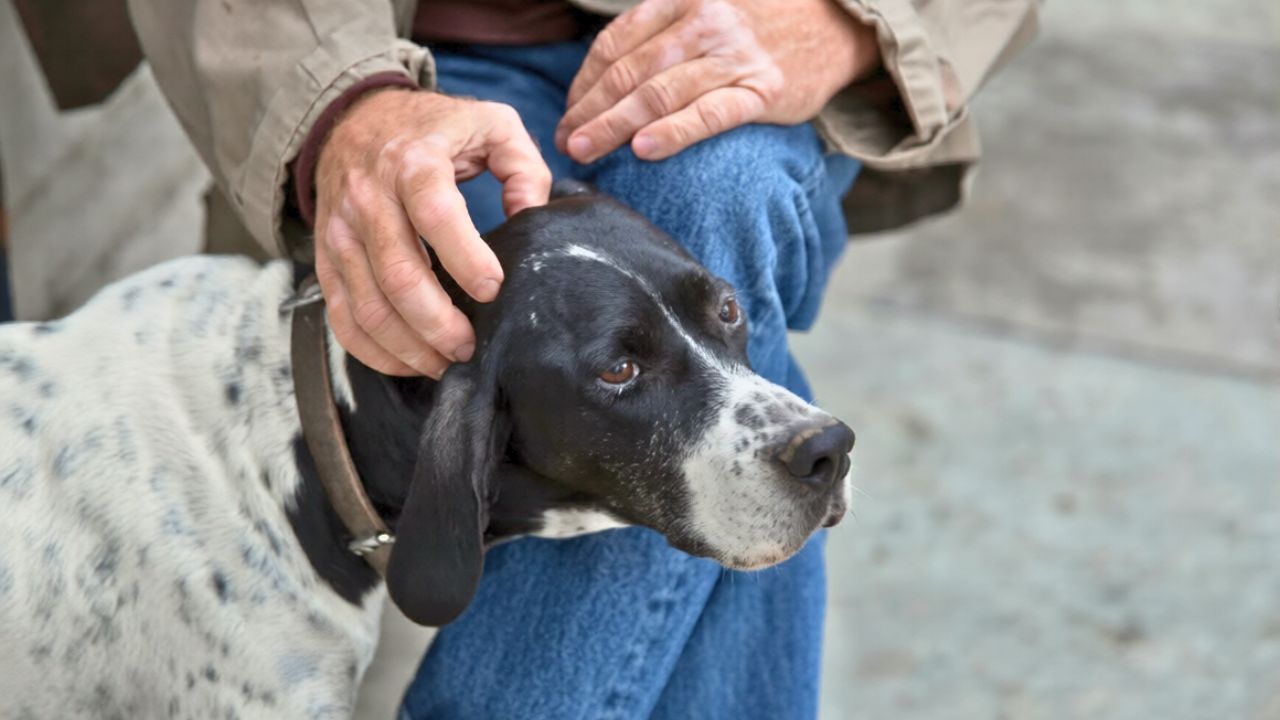
Sometimes a dog that suddenly will not leave your side is not anxious. It is uncomfortable. Dogs dealing with pain, nausea, fatigue, or illness often become clingier because they do not feel right and want reassurance. That can show up as constant following, leaning against you, resting nearby, or seeming unusually needy. A dog that feels vulnerable may not want to be alone, even if it was normally confident before.
This matters even more if the clinginess shows up with other changes. Maybe your dog is sleeping more, eating less, moving stiffly, panting at odd times, or acting quieter than normal. Dogs do not always make pain obvious. Sometimes they hide it well, and the only early sign is that they start acting unusually attached. If the behavior feels sudden and out of character, it is smart to consider a physical issue and not assume it is only emotional.
Your dog may be picking up on something going on with you
Dogs are better at reading people than most people realize. They notice your mood, posture, voice, scent, and daily habits. If you are stressed, sick, sad, pregnant, or just not acting like yourself, your dog may respond by staying close. It does not need to understand the details. It only needs to sense that something about you has changed. For a bonded dog, the natural response is often to monitor you more carefully.
That is why some dogs become shadows during hard seasons. If you have been crying more, spending more time in bed, recovering from an illness, or moving more slowly, your dog may be reacting to those shifts. In its own way, it is checking on you. That does not mean dogs understand every human problem in a deep or magical sense. It means they are excellent at noticing changes and often answer those changes by becoming more present.
Reinforcement can turn a temporary habit into a constant one
Not every clingy phase starts with a big emotional or medical reason. Sometimes it starts small and then gets reinforced. Your dog follows you because of boredom, curiosity, or a brief stressful event. You respond by petting it, talking to it, or giving it treats. None of that is wrong, but dogs learn fast. If staying close consistently earns comfort, attention, or rewards, the behavior can become a daily pattern even after the original reason fades.
This is why sudden clinginess can sometimes stick around longer than expected. The dog learns that following you works. It gets company, reassurance, and maybe a little extra access to the good stuff. Again, that does not make the behavior bad. It only means you should be honest about whether you may be encouraging it without realizing it. Dogs repeat what pays off, and human attention is one of the strongest payoffs there is.
Aging can make dogs less confident on their own
Older dogs often become more dependent in ways that look emotional but are partly practical. Vision changes, hearing loss, joint pain, and cognitive decline can all make a dog want to stay closer to the person it trusts most. If the world feels less predictable than it used to, sticking near you makes sense. You are familiar, comforting, and easier to track than everything else going on around the house.
An older dog that follows you more may not be needy in the way people think. It may simply feel safer when it knows where you are. That is especially true if the dog seems more confused at night, startles more easily, or hesitates in places where it used to move confidently. In those cases, the clinginess is not something to punish or brush off. It is often a sign that your dog needs a little more support, a steadier routine, and closer attention to comfort.
Boredom and lack of stimulation can look like emotional dependence
Sometimes the problem is not fear, pain, or age. Sometimes your dog is simply underworked. A dog with too little exercise, too little mental stimulation, or too little structure may turn you into the main event. If nothing else is going on, following you becomes the activity. This is common with smart, energetic dogs that are not getting enough to do during the day. The behavior can look clingy when it is really restlessness with nowhere useful to go.
You can usually spot this by looking at the overall picture. Does your dog seem bright, healthy, and eager, but also a little too locked in on every movement you make? Does it settle better after a walk, training session, chew, or game? If so, the solution may be less about emotional reassurance and more about giving that dog a job. A dog with its needs met is often much better at relaxing without keeping you under surveillance all day.
When it is time to take the behavior seriously
A dog that wants extra closeness for a day or two is not always a cause for concern. But if the change is sudden, intense, or paired with other unusual behavior, it deserves a closer look. Watch for appetite changes, vomiting, limping, panting, accidents in the house, shaking, hiding, barking more than usual, or trouble settling. Those signs tell you the issue may be bigger than simple attachment.
The biggest thing to trust is your sense of what is normal for your dog. If this behavior feels clearly different, there is usually a reason. That reason might be harmless and temporary, or it might be the first sign of pain, stress, or a bigger shift in the household. Either way, it is worth paying attention. Dogs often speak through behavior long before anything becomes obvious, and staying close can be one of the clearest ways they let you know they need something.
Like The Avid Outdoorsman’s content? Subscribe to our newsletter so you never miss an article.
Here’s more from us: