Photo credit: Deborah Ferrin/Shutterstock.com
A lot of people still picture dangerous wildlife as something you deal with deep in the woods, far off a hiking trail, or way out in the backcountry where human traffic stays light. That picture is getting harder to trust. In plenty of places now, the line between wild habitat and normal daily life has thinned out enough that people are running into serious animals in subdivisions, on walking paths, near schools, and sometimes right in their own yards. It is not always because the animals are becoming bolder in some dramatic way. A lot of the time, people have simply built farther into habitat, left more food sources around, and created the kind of edge zones where wildlife and neighborhoods keep colliding.
That shift matters because everyday routines make people careless. You stay alert in the mountains. You pay attention on a remote trail. But when you are checking the mail, walking the dog, taking out trash, or letting the kids play near a retention pond, your guard is usually down. That is where trouble starts. Dangerous wildlife tends to cause the most problems not when people are fully prepared for it, but when it shows up in places that feel familiar and safe. Once you understand where those overlaps happen most often, a lot of “surprise” encounters stop looking so surprising.
Suburban edges where new neighborhoods cut into old habitat
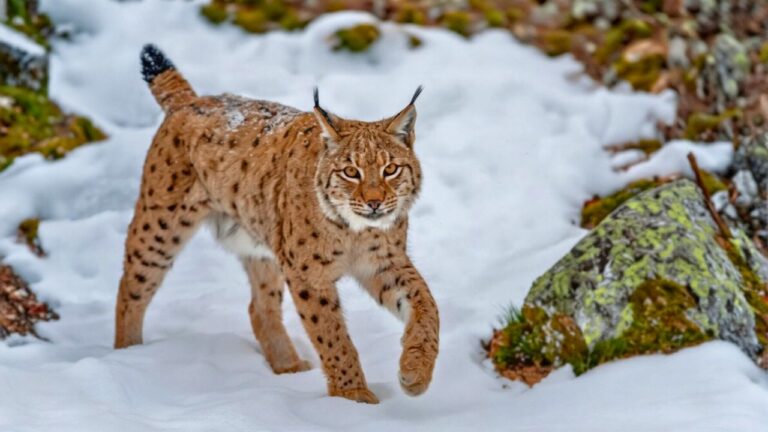
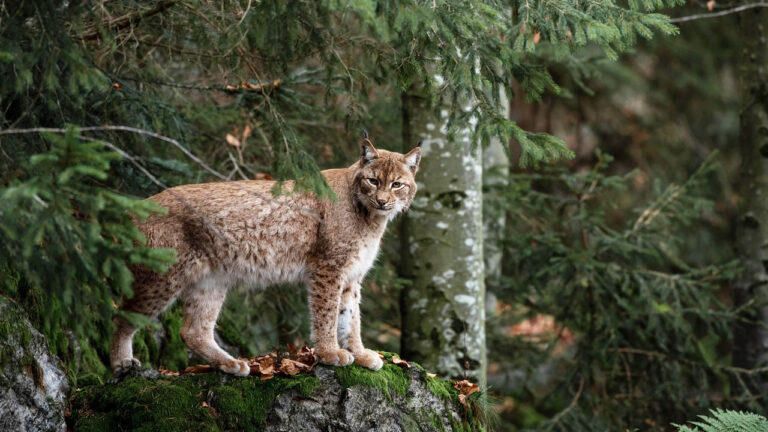
One of the biggest trouble spots is the fast-growing edge where subdivisions meet woods, brush, marsh, desert, or open ranch ground. These places look clean and organized on the human side, but they still sit right on top of travel corridors, bedding cover, denning ground, and feeding areas used by predators, snakes, hogs, and other problem animals. When development pushes into those spaces, wildlife does not always leave. A lot of it adjusts. That is when you start seeing coyotes trotting through cul-de-sacs, bobcats slipping behind fences, feral hogs tearing up common areas, or venomous snakes turning up under patios and landscaping.
The reason these places get risky is because they offer the best of both worlds for wildlife. Animals still have cover nearby, but they also gain easy water, trash, pet food, bird feeders, ornamental plants, and small domestic animals. In practical terms, that means the edge of suburbia becomes a comfortable feeding zone instead of a barrier. People living there often feel like they are removed from the real wild country, but they are usually living right on the seam where wildlife pressure stays highest.
Retention ponds, drainage ditches, and neighborhood water features
People tend to overlook manmade water as a wildlife magnet, especially in newer developments. Retention ponds, drainage channels, golf course ponds, decorative lakes, and runoff ditches can all pull in animals that need water, cover, or prey. In the South, that can mean alligators showing up where people walk dogs or let kids roam too close to the bank. In snake country, thick grass and brush around damp edges can hold cottonmouths and other species people never expect to find in a neighborhood setting. Even in places without reptiles that make headlines, these watered areas attract prey animals, and prey attracts predators.
What makes these spots more dangerous than they look is how ordinary they seem. A retention pond does not feel like wild habitat to most people. It feels like part of the neighborhood. But if it holds fish, frogs, ducks, rodents, or just steady water during hot weather, wildlife sees it differently. It becomes a dependable stop in an otherwise developed area. The cleaner and more maintained the neighborhood looks, the more likely people are to relax around the water, and that false sense of security is where mistakes start piling up.
Greenbelts, bike trails, and walking paths behind neighborhoods
A lot of communities love the idea of green space woven into everyday life, and most of the time that is a good thing. The problem is that greenbelts, creek bottoms, bike trails, and wooded walking paths also give wildlife a quiet route straight through human areas. Coyotes, mountain lions in the right regions, wild hogs, black bears, and snakes all use cover when they move. A narrow ribbon of brush and timber behind houses may not look like much to you, but to an animal, it is a safe lane with shade, food, and enough concealment to stay out of sight until the last second.
These areas get more dangerous when people start treating them like extensions of a city park instead of what they really are. Early morning dog walks, evening jogs, and kids roaming near brush lines all create chances for close encounters. Most wildlife still prefers to avoid direct conflict, but short-distance surprises are a different story. If a predator feels cornered, a sow hog has young nearby, or a snake gets stepped on near a trail edge, the fact that the setting looks civilized does not matter much.
Farm-country transitions where fields meet homes and small towns
Rural edges around small towns have their own version of the same problem. Places where crop fields, cattle pasture, creek bottoms, woodlots, and scattered homes all overlap tend to hold more wildlife movement than people realize. Deer bring in predators. Grain and feed draw rodents, hogs, and other opportunists. Brushy fence lines give cover. Barns and outbuildings create shelter. It does not take true wilderness to hold dangerous wildlife. A patchwork of food, cover, and low disturbance is enough, and that describes a lot of semi-rural America better than most people want to admit.
This is one reason people in country neighborhoods or on a few acres sometimes get too comfortable. The setting feels managed because there are roads, homes, and open fields. But wildlife thrives in that in-between ground. You are likely to see more movement around dawn, dusk, and at night, especially near chicken coops, livestock pens, trash areas, and brush piles. The danger is not always dramatic, but it is steady. These are the places where people suddenly find a big cat on camera, hog sign in the yard, or a rattlesnake under equipment they use every week.
Desert fringe communities where heat and shelter pull animals in
In desert regions, the overlap happens a little differently, but it is still the same basic pattern. As housing spreads into dry country, animals that can survive in rough conditions start using neighborhoods as a source of shade, water, and prey. That is why rattlesnakes, coyotes, javelinas, and even larger predators in some areas keep turning up around homes, garages, dog runs, and landscaped yards. Irrigated lawns and garden beds stand out in dry country. To wildlife, they look like an oasis surrounded by harsher ground.
The danger grows because people underestimate how attractive a developed lot can be in the desert. Rock walls, wood piles, dense shrubs, drip irrigation, pet dishes, and cool concrete create the exact kind of micro-habitat animals need to rest and move safely. Residents may think danger lives out beyond the last road, but in reality, the neighborhood itself can become better wildlife habitat than the surrounding ground. That is especially true when homes back up to washes, foothills, or undeveloped parcels that animals use as regular travel routes.
River corridors and floodplain neighborhoods
Any place built near rivers, creeks, marshes, or floodplains needs a little more respect than people usually give it. Waterways are natural highways for wildlife. Animals use them for drinking, feeding, cover, and movement, and they often continue using those routes even after nearby land gets developed. That means neighborhoods close to rivers can see black bears, gators, snakes, wild hogs, and other animals filtering through with more regularity than residents expect. Add heavy vegetation and limited visibility, and those encounters happen fast.
Floodplain neighborhoods also change over time in ways that work in wildlife’s favor. Seasonal high water, storm runoff, and shifting cover can push animals into yards, outbuildings, and roadside ditches. A place that seemed quiet for months can suddenly start producing sightings because one weather pattern changed the movement. That is why people near creeks and river bottoms should never assume a long stretch without problems means the risk is gone. Those corridors stay active whether you notice them every day or not.
Parks and natural areas boxed in by urban growth
Another place where wildlife keeps turning up is the leftover natural space inside or right beside expanding cities. A large park, wooded preserve, marsh fragment, or undeveloped tract may look isolated on a map, but it can still support a surprising amount of animal activity. When urban growth boxes those areas in, wildlife does not always disappear. Sometimes it concentrates. The animals living there have fewer escape routes, fewer quiet zones, and more reason to circle around the edges where people walk, bike, picnic, and bring pets.
That creates a strange kind of risk because the setting feels public and controlled. Families assume someone is managing the danger. Joggers move with earbuds in. Dog owners let leashes get sloppy. Meanwhile, the wildlife inside those spaces is often adapting to constant human presence without fully losing its instincts. That is when you get repeated reports of coyotes shadowing small dogs, snakes near playground paths, or larger animals being spotted in places people mentally filed under “city” years ago. The map may say urban, but the animals do not care.
The everyday places people stop paying attention
The common thread in all of this is not that dangerous wildlife is suddenly everywhere all at once. It is that the places people think of as ordinary are no longer as separate from wildlife movement as they used to be. The most important shift is mental. Trouble starts when you assume the sidewalk, pond edge, backyard fence line, bike path, or neighborhood greenbelt is too human for real danger. In a lot of regions now, that assumption is outdated. Animals follow food, water, cover, and opportunity, and modern neighborhoods keep offering all four.
You do not need to live scared, and you do not need to act like every bush hides a predator. But you do need to understand that everyday life now overlaps with wildlife more than many people grew up expecting. That means watching pets more carefully, keeping yards cleaner, respecting brushy cover and water edges, and paying attention in those in-between places where development touches habitat. The people who handle these areas best are usually not the ones who panic. They are the ones who stop pretending the wildlife line is farther away than it really is.
Like The Avid Outdoorsman’s content? Subscribe to our newsletter so you never miss an article.
Here’s more from us: