Image Credit: tightlinevideo/YouTube.
If you haven’t tried chasing smallmouth bass with a fly rod, you’re in for a treat. These fish are the perfect mix of power and attitude, and they’ll give you a fight you won’t forget. While largemouth bass have their own charm, smallmouth are in a league of their own. Their aggressive strikes, unrelenting energy, and knack for crushing topwater flies make them one of the most exciting species to target on the fly.
Popper and Diver
If you’ve never had a smallmouth blow up on a topwater fly, you’re missing out—it’s pure adrenaline. Poppers and divers are my go-to for those heart-stopping moments. A popper, with its concave face, spits and gurgles across the surface, imitating a wounded baitfish, frog, or even a clumsy bird. Divers, on the other hand, dip just below the surface on the strip and then slowly rise, adding a little extra intrigue for curious bass.
The secret here? Slow and steady wins the race. Resist the urge to overwork the fly—less is often more. Cast near structure or over a drop-off, let the ripples settle, and then make your move. The commotion these flies create can bring bass in from a distance, and when they hit, it’s always a thrill you won’t forget.
Dave Whitlock’s Near Nuff Crayfish
Smallmouth bass and crayfish go hand in hand—it’s like their version of steak and potatoes. Dave Whitlock’s Near Nuff Crayfish pattern nails the look and movement of these tasty snacks, making it a must-have for any smallmouth angler. When I’m fishing a stream, I stick with a floating line and let the fly tumble naturally along the rocks. In a lake, I swap to a sinking tip line to get it down to where the action is, usually around 6-9 feet deep.
This fly really shines when you work it slowly, imitating a crawdad scuttling backward or hiding in the rocks. Add a few pauses and twitches to your retrieve, and you’re mimicking the real thing perfectly. Smallmouth can’t resist it, especially when they’re hunting around rocky structure or ledges. It’s a classic pattern that’s earned its spot in my fly box time and time again.
the Clouser Minnow
The Clouser Minnow is like the Swiss Army knife of flies for smallmouth bass—it does it all. In chartreuse and white, it mimics a wounded baitfish when stripped back with little pauses, and bass can’t seem to resist. Want to imitate a crawdad? Switch to rust or orange, and bump it along the bottom. For a leech or hellgrammite, go with black and let it drift naturally in the current or crawl it slowly. This fly is a workhorse and a confidence booster when you’re on the water.
The beauty of the Clouser is its simplicity and versatility. It’s a fly you can experiment with and still come out looking like you knew exactly what the fish wanted. Whether you’re fishing a river, a stream, or even a lake, the Clouser Minnow just works. If you’re only packing a few flies, this one better be in there—your bass count will thank you.
The Woolly Bugger
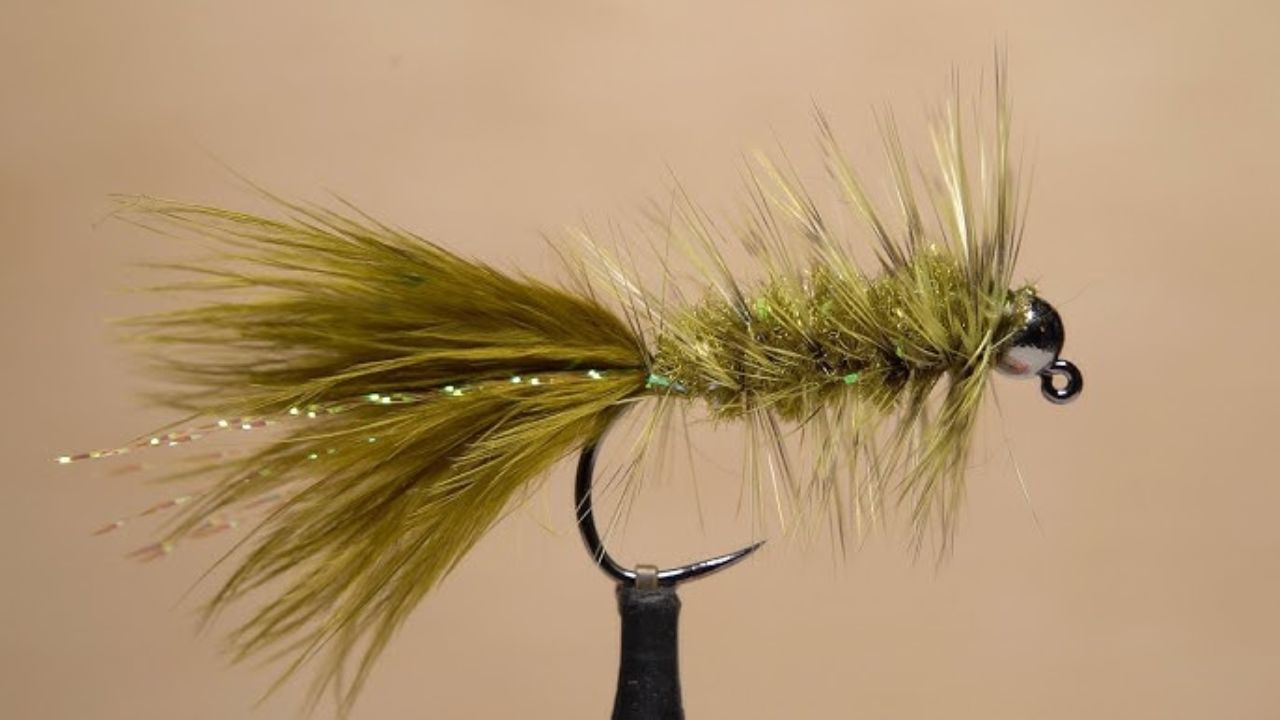
When in doubt, tie on a Woolly Bugger. It’s a fly I rely on when the bite gets tough because it does such a good job of imitating just about anything smallmouth eat. I always keep a few in my box with fuller hackles and longer marabou tails—they just seem to move better in the water. Drift it in the current like a hellgrammite or let it bounce along the bottom for that “creepy crawly” effect. Smallmouth love a good ambush, and this fly sets the stage.
The real magic of the Woolly Bugger comes when you fish it like a streamer, swimming it back with a little action from the rod tip. If you’re on a lake, dragging it across the bottom and then retrieving it can drive bass wild. Whether you go for a bead head or plain, this fly is dependable and versatile. It’s always one of the first things I reach for when I need to figure out what the fish are hungry for.
the Gurgler
The Gurgler is the unsung hero of topwater flies for smallmouth bass. It’s not as flashy as a popper, but it makes its presence known in a unique way. With its flatter profile, it skates across the surface in moving water, creating a subtle commotion that smallmouth can’t resist. In still water, you can retrieve it with little twitches to mimic a struggling mouse or another surface critter. Once you see a bass charge after a skating Gurgler, you’ll never leave home without one.
The versatility of this fly is what makes it a favorite. Whether you’re fishing fast-moving streams or calm lakes, it’s easy to experiment with retrieves until you find what works. Stock up on a few colors to match different conditions, and don’t be afraid to try something new—smallmouth love to keep you guessing, and the Gurgler is ready for the challenge.
The Murdich Minnow
When smallmouth are chasing baitfish or hanging out mid-column, the Murdich Minnow is a fly you can trust. It’s an excellent baitfish imitation, with just the right amount of flash and movement to draw attention. This pattern really shines when you’re fishing areas where smallmouth are schooling or ambushing balls of minnows. A slow strip-and-pause retrieve can make it look like an injured or disoriented baitfish—an easy meal for any hungry bass.
What makes the Murdich Minnow a standout is its versatility. You can fish it at various depths, depending on how you adjust your line or retrieve. It’s a great exploratory fly when you’re not sure where the fish are holding, letting you cover water effectively. For days when smallies are finicky, this fly often proves irresistible.
finding the Fish
The key to success is figuring out where the fish are actively feeding—whether they’re near the surface, mid-column, or hugging the bottom. Use these flies to test different depths and presentations until you crack the code. Once you’re dialed in, stick with what’s working, and when the action slows, it’s time to experiment again.
Fishing for smallmouth bass is pure excitement. Their aggressive strikes, relentless fights, and adaptability to fly presentations make them one of the most rewarding species to chase. Whether you’re on a river or a lake, these feisty fish will always keep you coming back for more.