Image Credit: Kwanza Henderson/ Shutterstock.
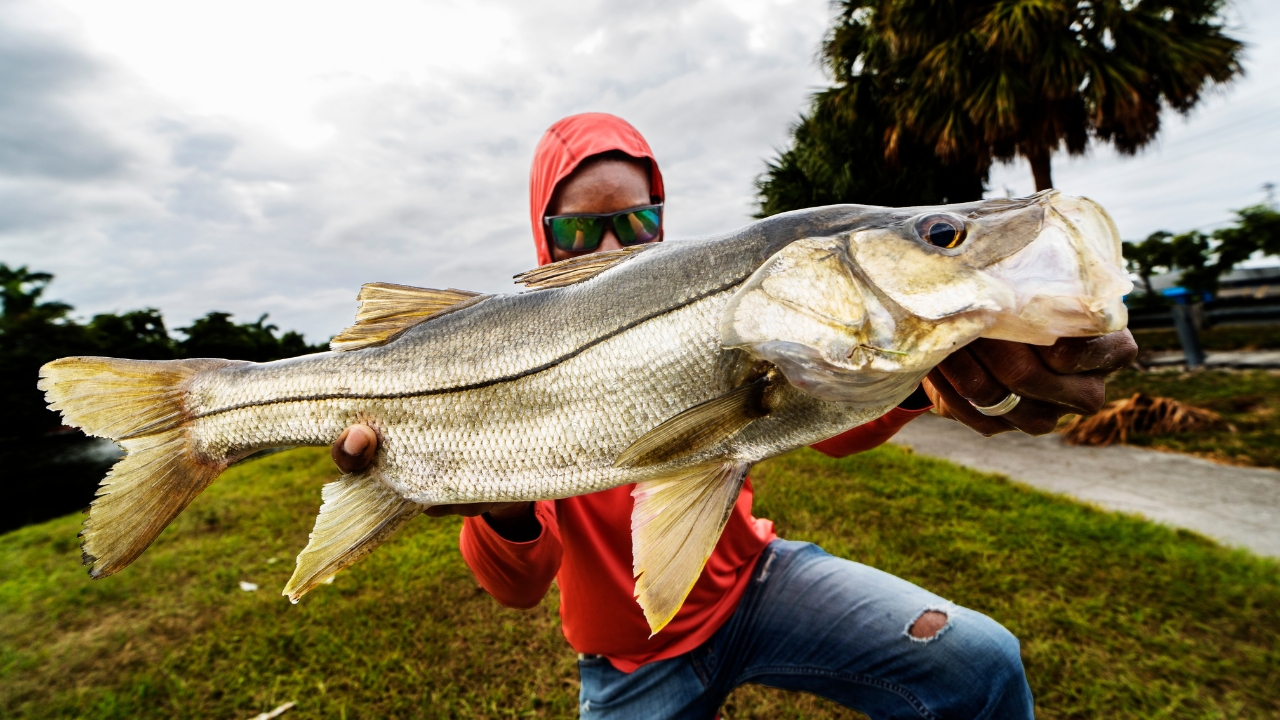
Snook might be one of the smartest fish in the water, but they’re also one of the most aggressive when the feed is on. Everyone knows the hot zones—Sanibel, Stuart, Jupiter—but there are spots off the beaten path where the pressure’s light and the action’s steady. You just have to know where to look and how to fish them.
If you’re tired of watching someone else hook your fish, these underrated locations are worth your time.
Matlacha Pass, Florida
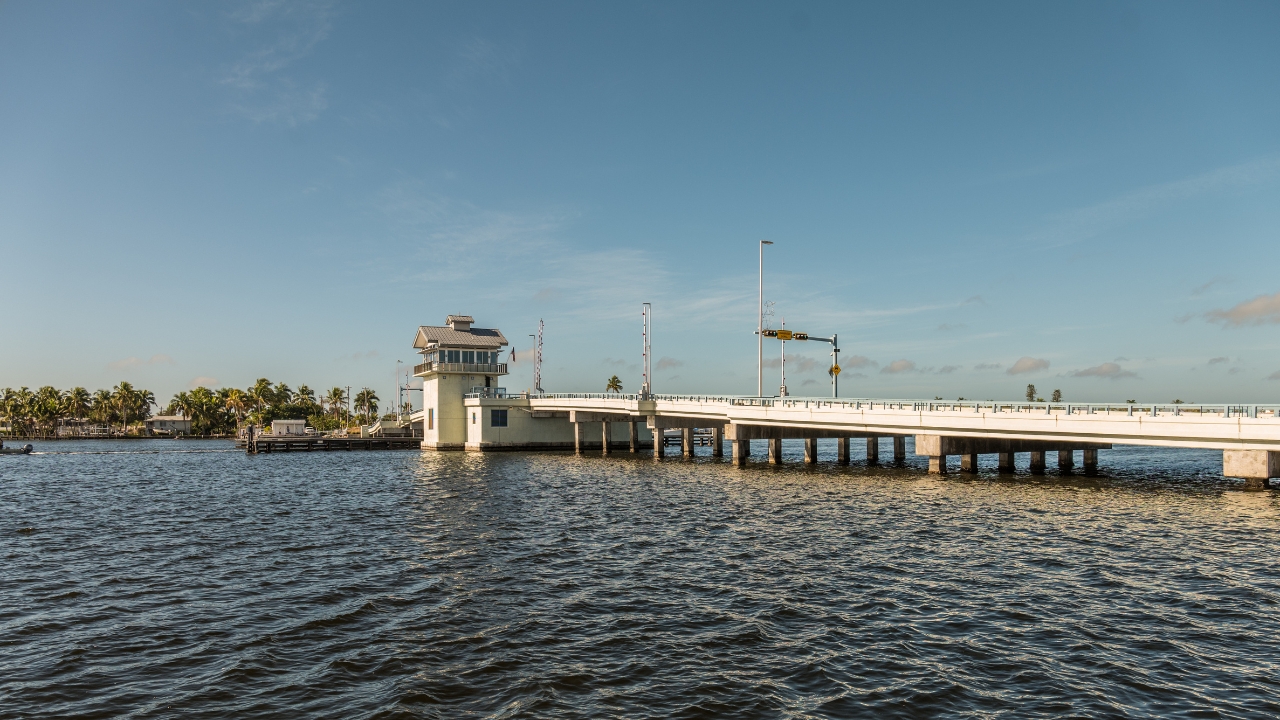
Matlacha Pass is a shallow stretch between Cape Coral and Pine Island, and it’s loaded with ambush points. Mangrove edges, oyster bars, and potholes all hold fish—especially during moving tides. You’ll find snook feeding here when the bait gets flushed out.
It doesn’t get the same attention as neighboring areas, but that’s part of the draw. Fish it early with topwaters, or switch to soft plastics and jerkbaits when the sun climbs. Don’t be surprised if you hook into a slot-size fish or better.
Sebastian River, Florida
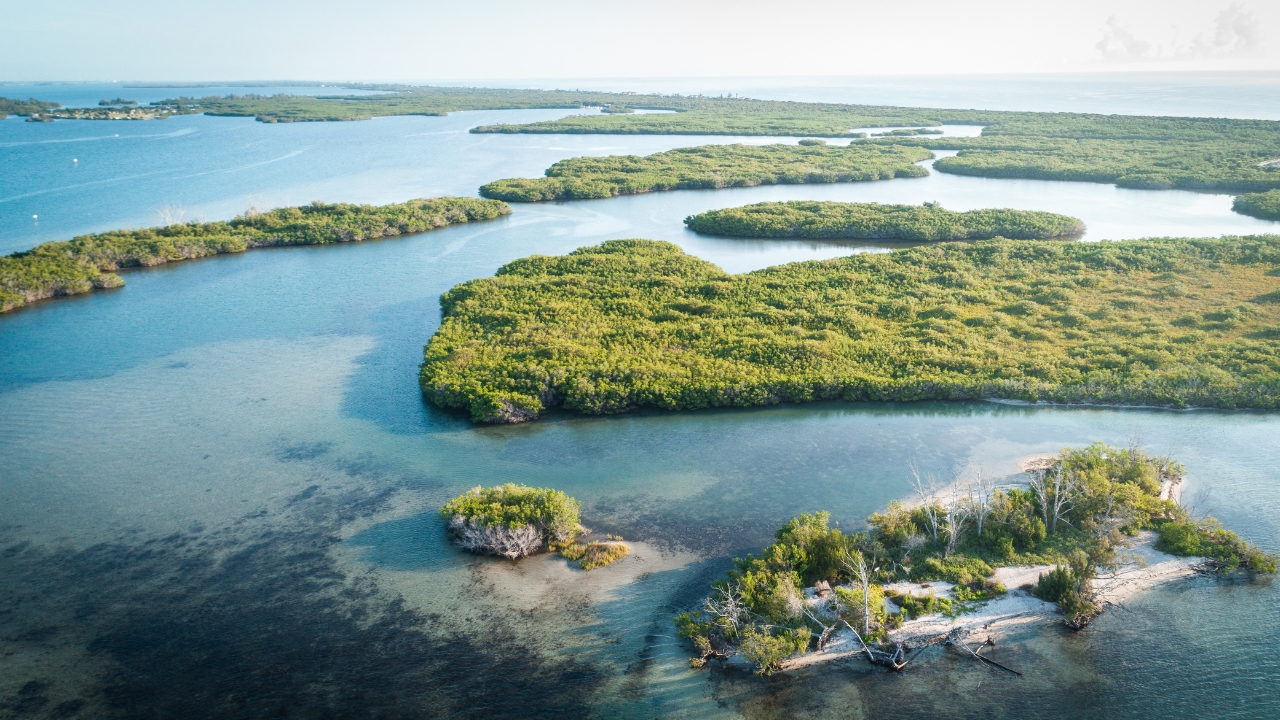
Most folks head straight to Sebastian Inlet and never think to work the river. But the brackish water of the Sebastian River holds some big, resident snook. Summer and fall are especially good when mullet run the shoreline and the fish push up into the deeper bends.
Target structure—docks, overhanging limbs, and outflows. Live bait is money here, but a well-placed artificial works too. Keep your drag tight and be ready for a hard strike. These fish hit like they’re mad at it.
Estero Bay, Florida
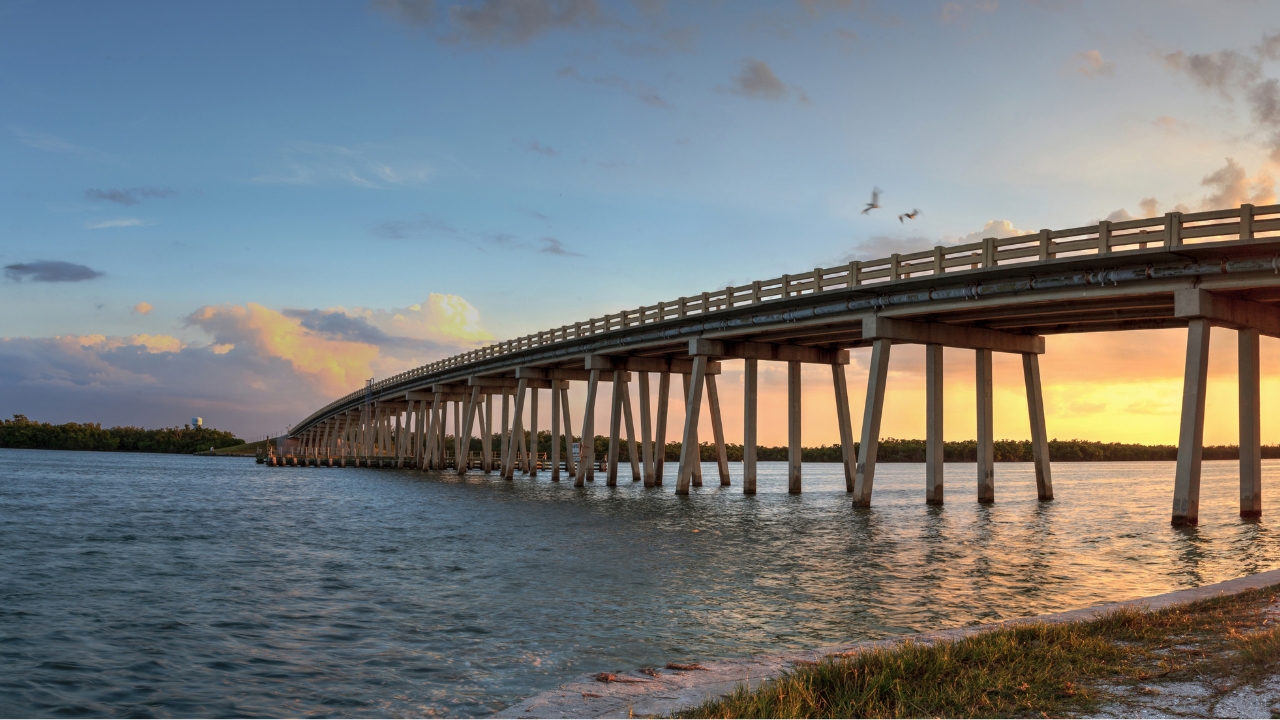
Estero Bay sits south of Fort Myers and doesn’t get near the traffic of Sanibel or Pine Island. That’s a mistake for most anglers. This place has everything snook want—mangroves, grass flats, feeder creeks, and loads of bait.
Focus on the creeks during incoming tide and the outer islands when it starts moving out. Work your bait tight to the edge, and don’t sleep on topwater early. These fish aren’t as pressured, but they’re still smart—get your presentation right.
North Jetty at Nokomis, Florida
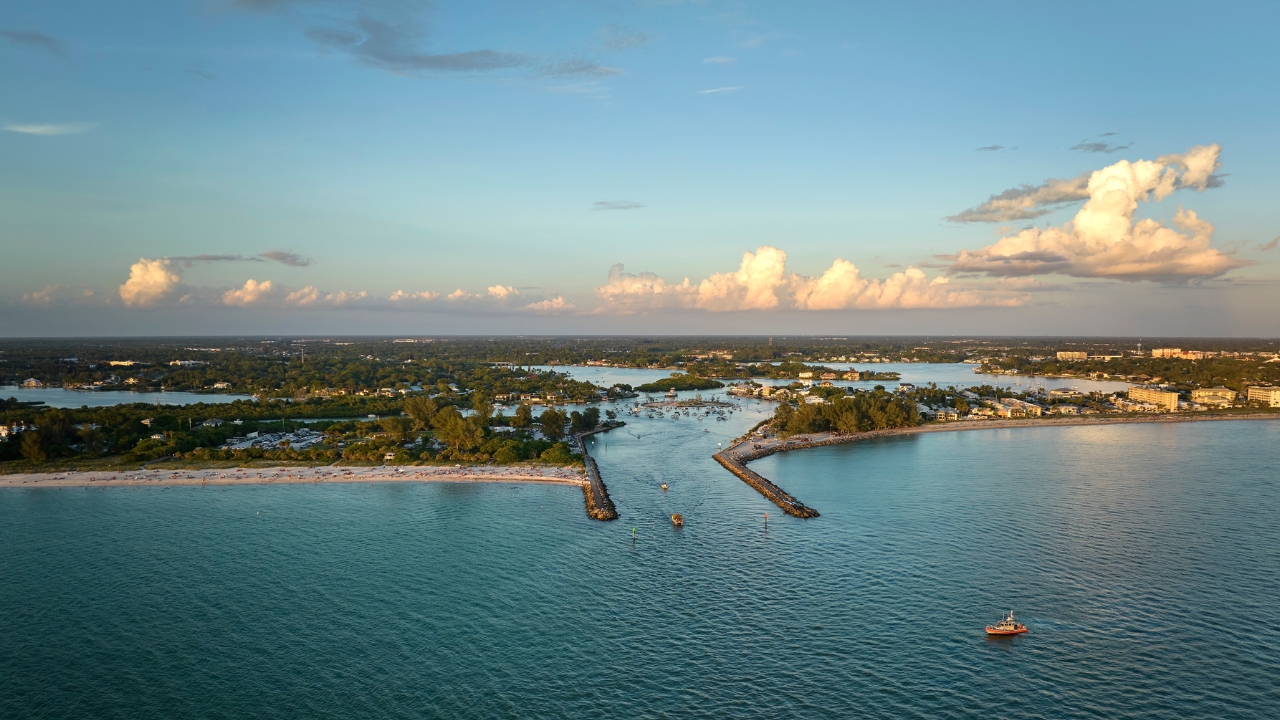
This jetty doesn’t get talked about much, but it can produce some serious fish, especially at night. The lights draw in bait, and the snook stack up in the shadow lines waiting to strike. It’s not fancy, but it’s effective.
Toss live shrimp, pilchards, or swimbaits into the edge of the light and let the current do the work. Once you hook up, be ready—they’ll make a run straight for the rocks. Fish it smart and you’ll pull a few good ones out.
Weeki Wachee River, Florida
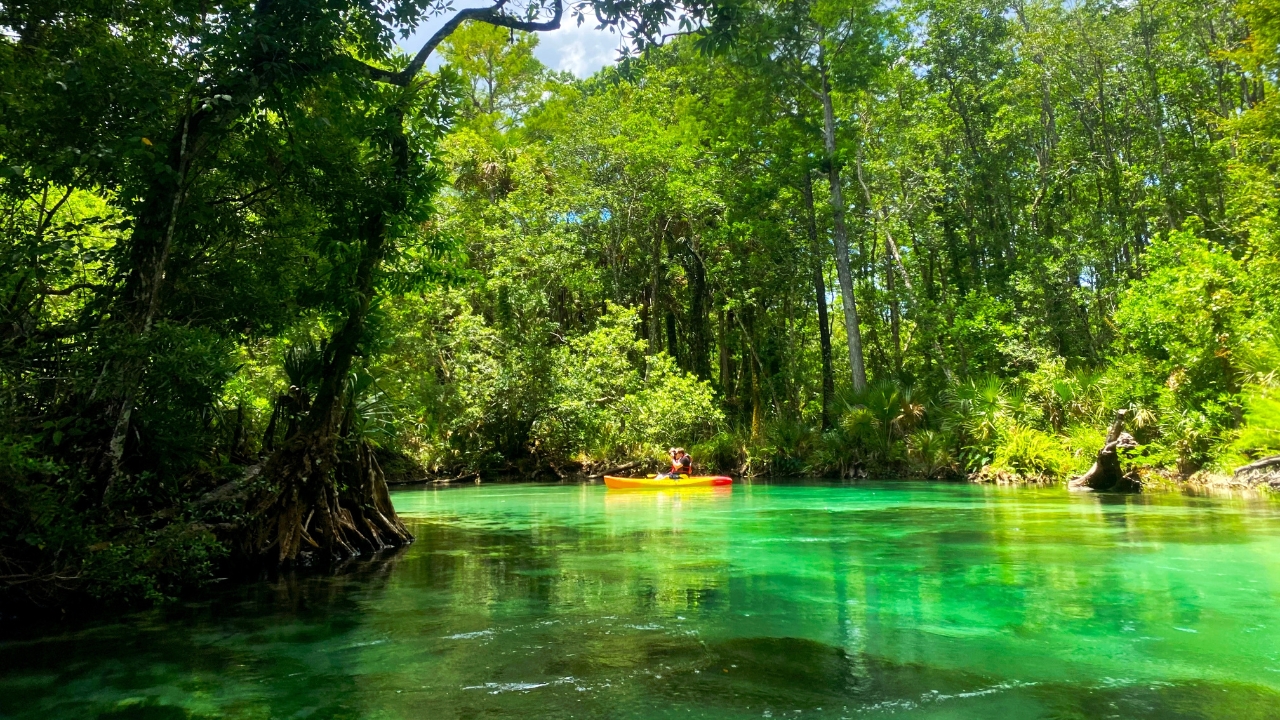
Most people come here to kayak or see the manatees, but the snook fishing is seriously underrated. This spring-fed river flows clear and cool, which keeps fish active even when the summer heat gets brutal. Look for snook holding tight to structure or tucked under overhanging limbs.
Live shrimp and soft plastics both work well, especially if you cast upstream and let your bait float naturally with the current. Keep your approach quiet. The water’s clear, and these fish will spook if you clank around too much.
Flamingo, Everglades National Park
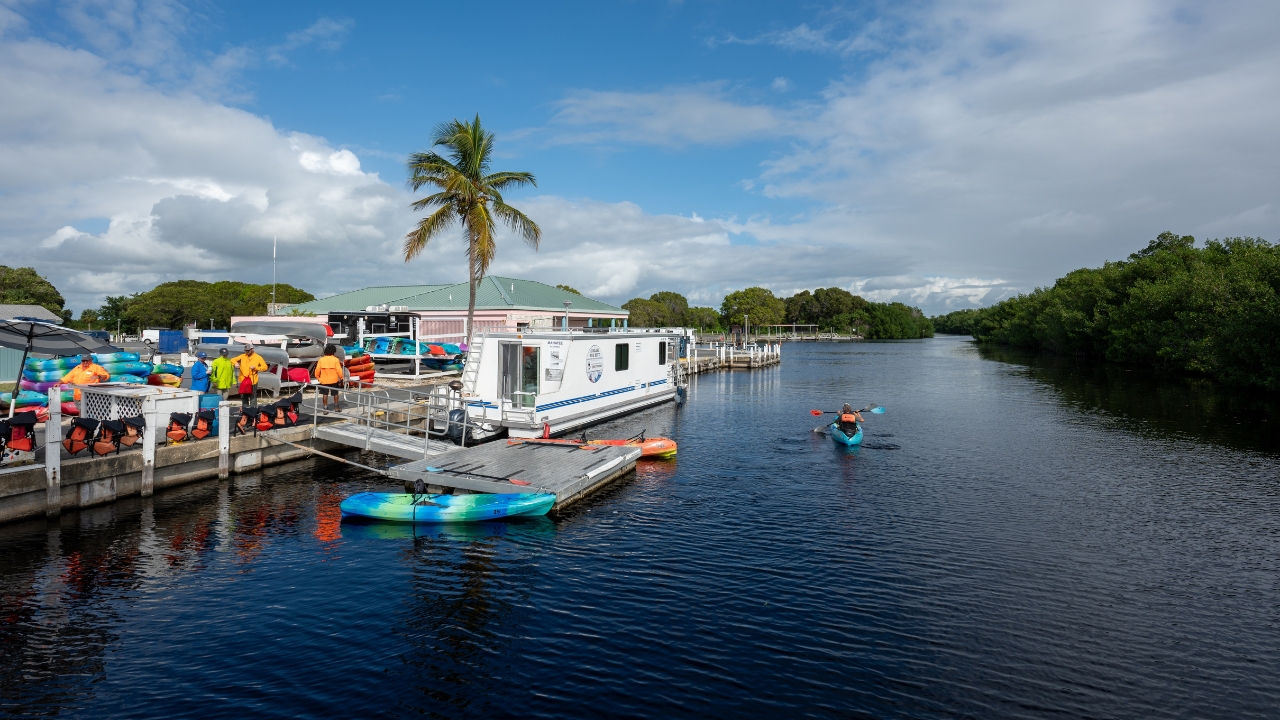
Flamingo doesn’t make the headlines like the Keys, but it should. This remote spot in the southern Everglades offers some of the best snook fishing around—if you’re willing to work for it. Long runs, buggy mornings, and sketchy weather come with the territory.
But the back bays and shorelines here are crawling with fish. Fish mangrove points, current rips, and creek mouths. Bring heavy leader and weedless rigs—you’ll be pulling fish out of tight, tangled water. The payoff? Snook that haven’t seen a lure in days.
Indian River Lagoon, Florida
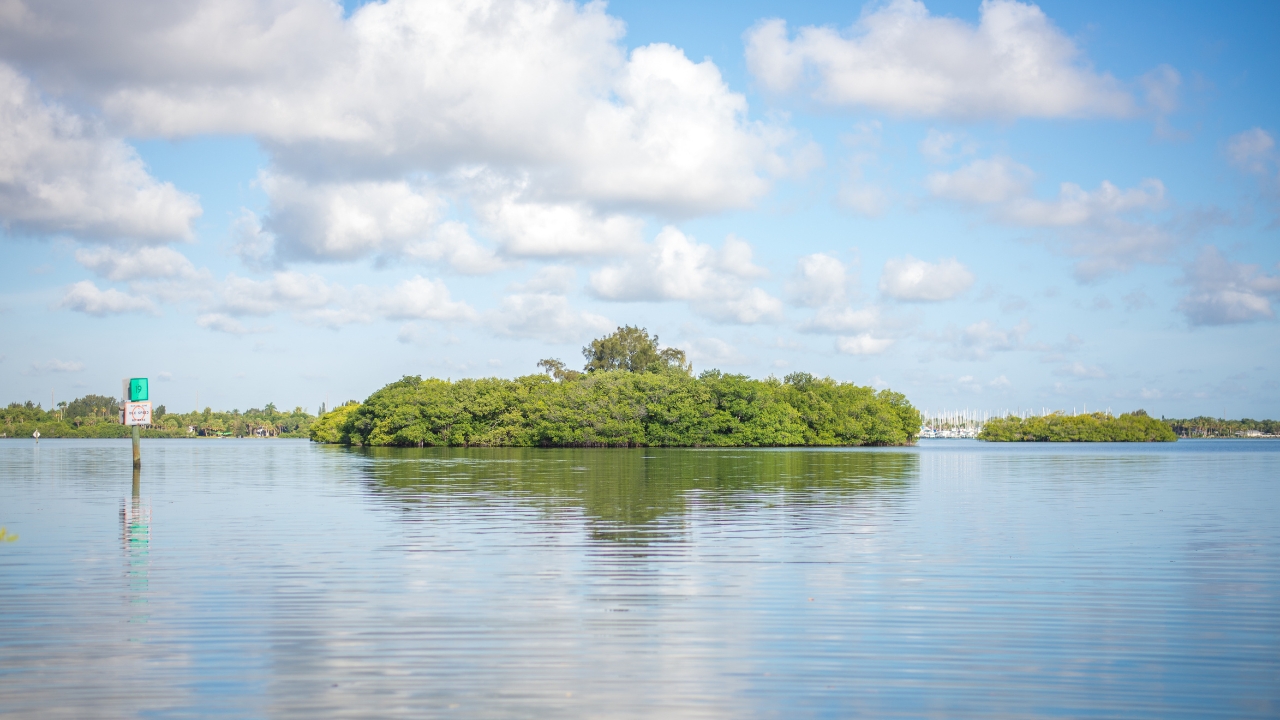
The Indian River Lagoon stretches for miles, and parts of it see almost no pressure. Up near Titusville and down around Fort Pierce, you’ll find pockets where snook stage around docks, mangrove edges, and seawalls.
Dusk and dawn are prime times, especially on a moving tide. Cast parallel to structure and keep your bait low in the water column. Jerkbaits, live finger mullet, and paddletails all get eaten. Don’t be surprised if a redfish or gator trout crashes the party too.
Lemon Bay, Florida
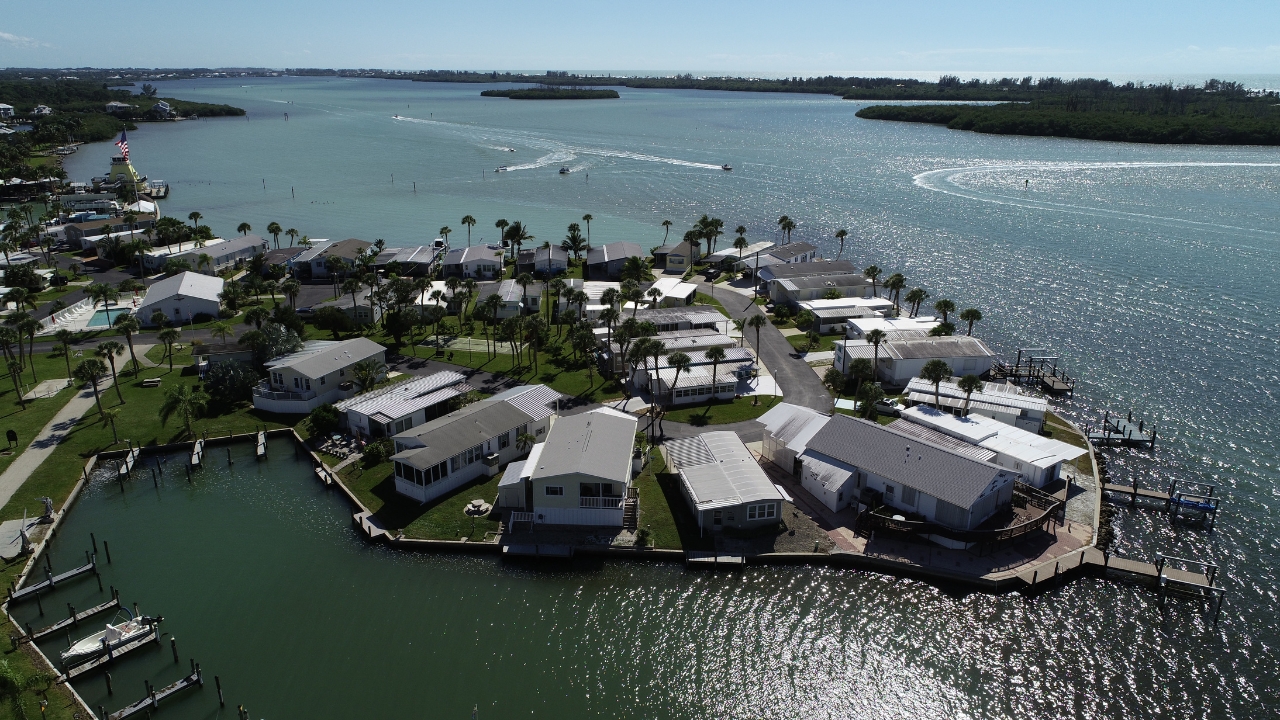
Tucked between Englewood and Placida, Lemon Bay is quiet compared to its neighbors. But it holds a healthy snook population, especially in the cuts and passes that feed into the Intracoastal. This spot is perfect for kayak anglers who want to skip the boat ramps and explore.
Focus on areas with moving water and visible bait. Early morning topwater bites can be explosive, but switching to live shrimp or suspending lures once the sun’s up can keep the action going. Don’t sleep on this one—it’s sneaky good.
*This article was developed with AI-powered tools and has been carefully reviewed by our editors.