Photo credit: hickok45/YouTube
A trendy gun can make a proven one look old fast. New grip texture, optic cuts, lighter frames, flatter triggers, carbon stocks, suppressor-ready barrels, and fresh marketing all have a way of making a gun owner think the old standby has lost its place. Sometimes that upgrade works out. Plenty of newer firearms are excellent.
But regret usually shows up when the old gun did something right that the new one never quite matches. Maybe it fit better. Maybe it shot better. Maybe it had a smoother action, better balance, or a history that did not seem important until it was gone. These are the firearms owners often wish they had kept instead of trading toward whatever looked hotter at the moment.
Browning BAR Mark II

The Browning BAR Mark II was easy to take for granted if you owned one during the rush toward lighter bolt guns and newer AR-style hunting rifles. It was heavier than some hunters wanted, and it did not look as modern as newer semi-auto options.
That is why some owners let them go too easily. The BAR Mark II had a smooth shooting feel, classic hunting lines, and fast follow-up capability in real deer cartridges. It was not a benchrest rifle, but it was dependable in the woods. A lot of hunters who traded one away later realized they had given up a rifle that already handled their kind of hunting well.
Smith & Wesson Model 640

The Smith & Wesson Model 640 is one of those snubnose revolvers people sold when slim micro 9mms started looking like the obvious answer. More capacity, faster reloads, and lighter weight made the newer pistols hard to ignore.
Then some owners started missing the 640’s quiet confidence. It was simple, enclosed-hammer, stainless, and easy to carry without worrying about snagging. It could ride in a pocket, waistband, or coat and still feel ready. Small revolvers are not for everyone, but a good 640 has a role that trendy carry pistols do not fully erase.
Remington Model 700 Mountain Rifle

The Remington Model 700 Mountain Rifle looked almost too plain once carbon-stock rifles and chassis-style hunters started getting attention. Some owners moved them along because newer rifles promised lighter weight, threaded barrels, and better long-range features.
That regret can hit hard. The Mountain Rifle carried beautifully, pointed naturally, and kept the familiar 700 action in a slim hunting package. It was built for actual walking hunters, not just range photos. If you had one that shot well with your favorite deer load, trading it for a modern rifle that never felt as handy was probably a mistake.
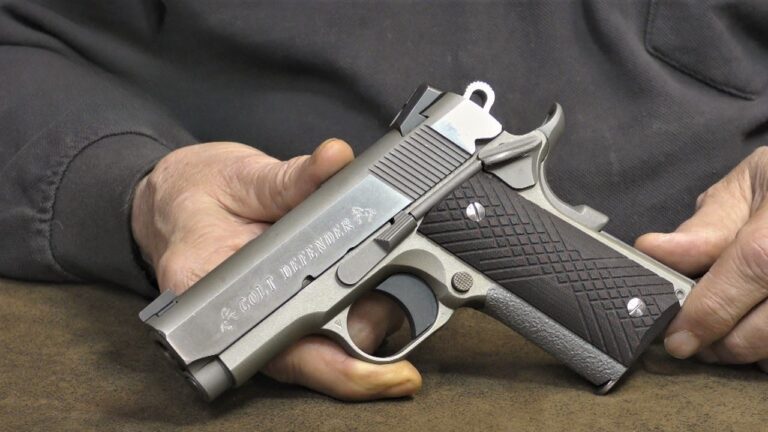
Colt Lightweight Commander
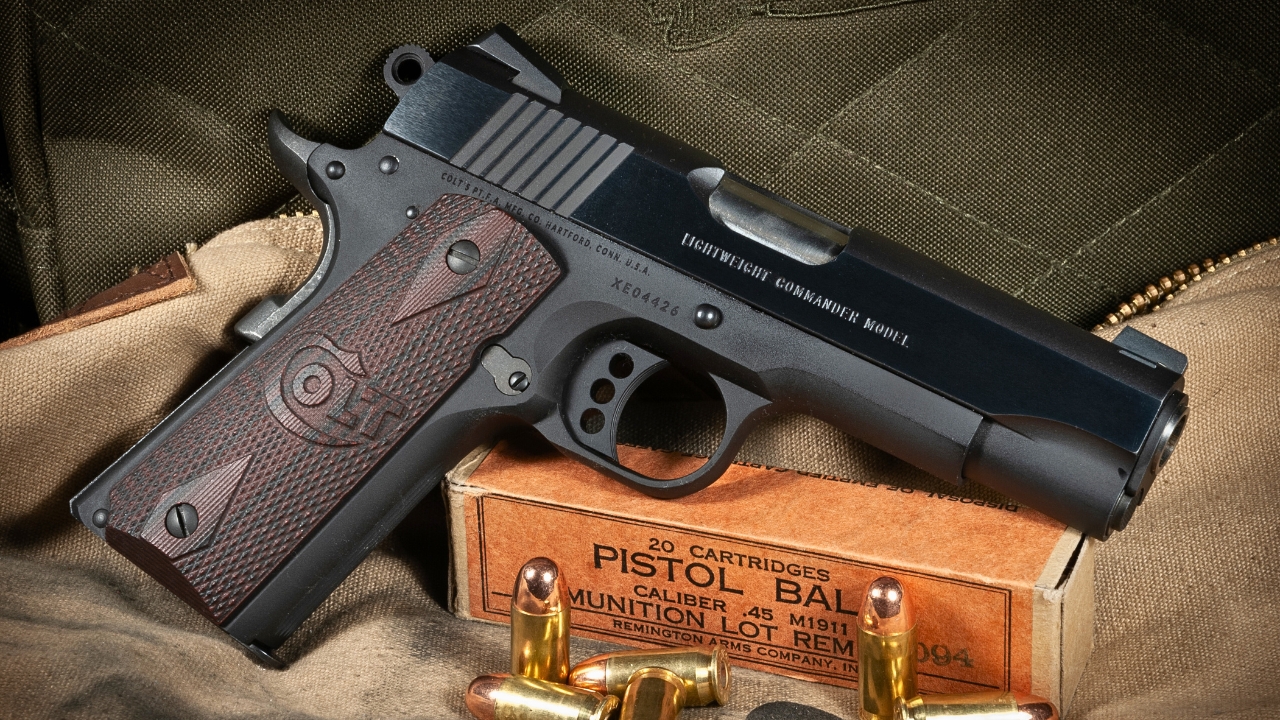
The Colt Lightweight Commander lost some ground when double-stack carry guns and compact striker-fired pistols took over. On paper, it was easy to call it outdated: lower capacity, manual safety, and more maintenance attention than polymer guns.
But owners who sold one often remember how well it carried and pointed. A Lightweight Commander has that flat 1911 profile with less belt weight than a full-size Government Model. The trigger, balance, and classic Colt feel are hard to replace. A trendier carry pistol may hold more rounds, but it rarely gives you the same connection in the hand.
Ruger Deerfield Carbine

The Ruger Deerfield Carbine was never a gun that fit neatly into modern trends. It was a handy .44 Magnum semi-auto with a traditional stock and a purpose-built woods-rifle feel. When tactical carbines and modern bolt guns became more popular, some owners moved on.
Now the Deerfield looks smarter than many people admitted. It was compact, quick to shoulder, and useful in thick cover where short-range power mattered. It was not made for long shots or high-volume range days. It was made for practical woods hunting. Owners who sold one often find out fast that replacing that exact setup is not easy.
Beretta 96
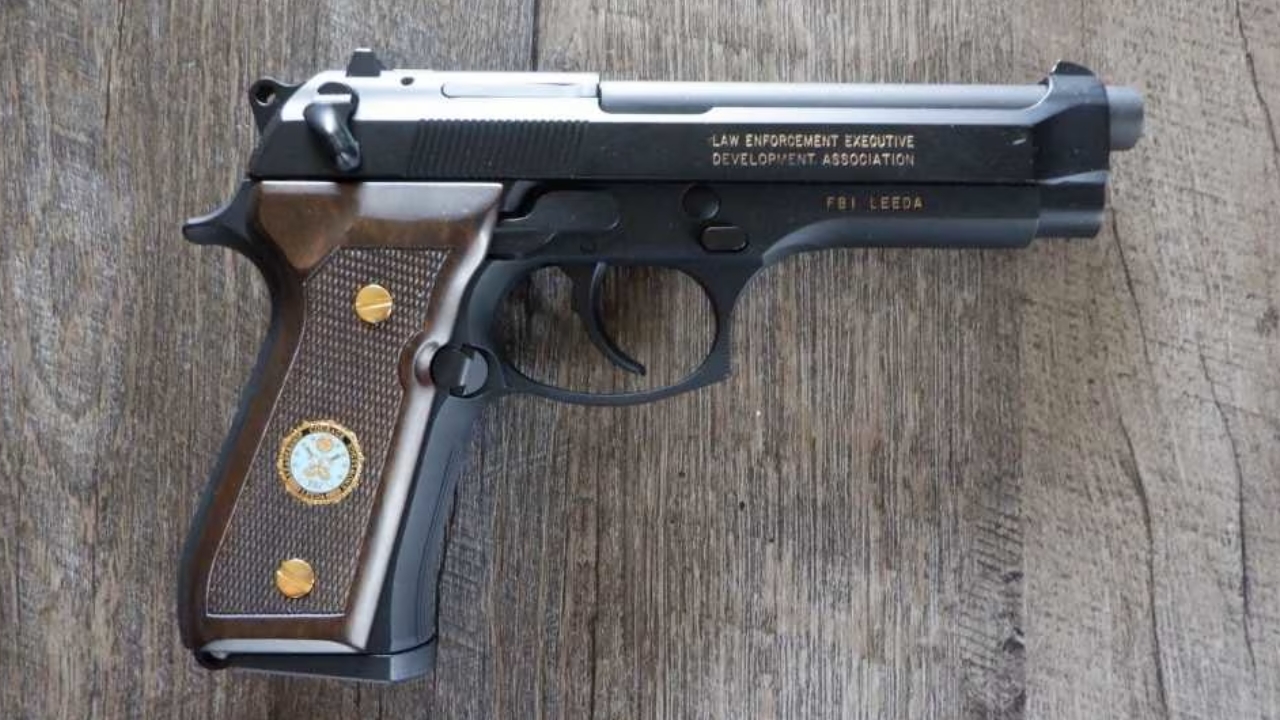
The Beretta 96 became easy to overlook once .40 S&W fell out of fashion. A lot of owners traded them toward 9mm pistols because ammo was cheaper, recoil was softer, and the market had clearly shifted.
That made sense on paper, but the 96 still has a lot going for it. It gives you the familiar 92-style frame with a little more snap and authority, and it shoots better than many people expect from a full-size .40. Clean examples have become more interesting as the old .40 duty-gun era gets more appreciated. Some owners now wish they had not dumped theirs just because the caliber stopped being cool.
Winchester Model 70 Super Grade

The Winchester Model 70 Super Grade was sometimes sold off when hunters decided they needed lighter synthetic rifles or tougher weatherproof setups. That choice can feel reasonable when you are looking at rough country, rain, and long hikes.
Later, the Super Grade starts looking hard to replace. It had walnut, blued steel, controlled-round-feed versions, and a level of hunting-rifle class that modern utility rifles rarely touch. You might not want to drag it through every storm, but that does not mean it deserved to leave the safe. Owners who traded one for a trendier mountain rifle often miss the old Winchester more than they expected.
Kimber Micro 9

The Kimber Micro 9 caught some owners in a strange spot. It was popular, small, and easy to carry, but when higher-capacity micro-compacts became the new standard, many people decided the little Kimber was no longer worth keeping.
Some regretted that move. The Micro 9 has a slim feel, metal-frame character, and 1911-style controls that make it different from the flood of polymer carry pistols. It is not the highest-capacity choice, and it is not for every shooter, but it carries easily and feels more refined than many tiny guns. Trendy specs do not always replace comfort and familiarity.
Marlin 336W
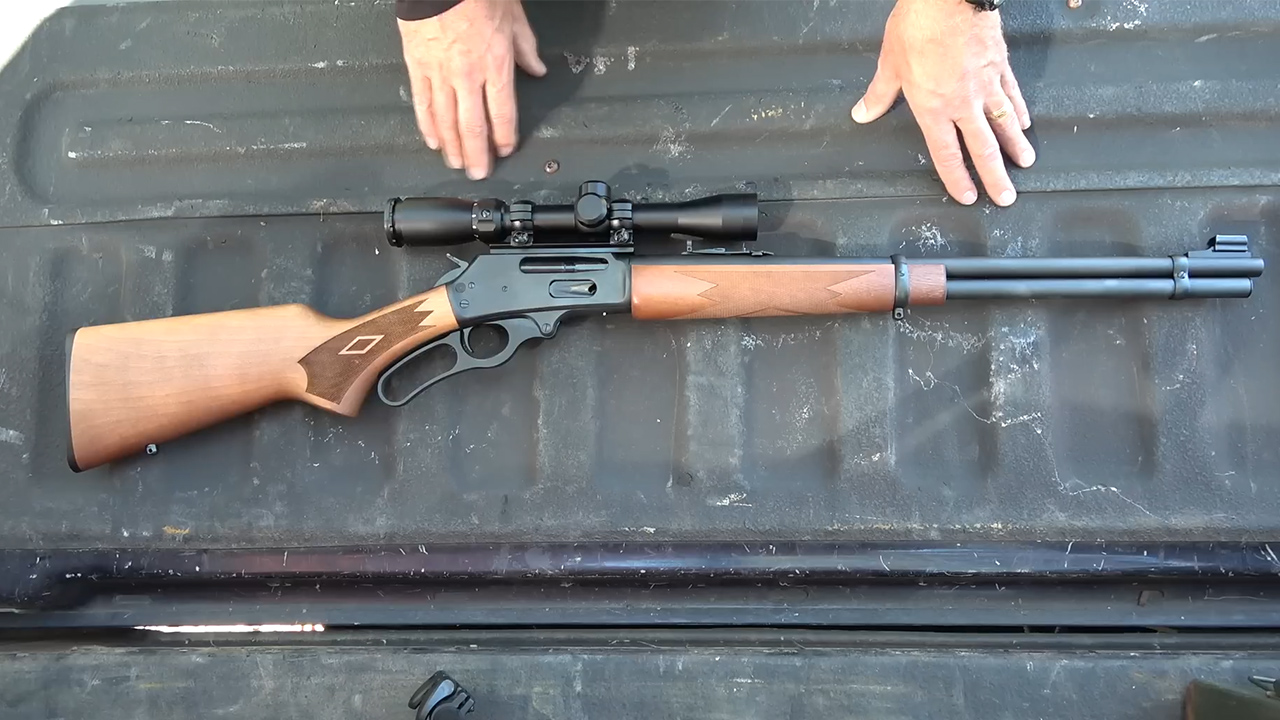
The Marlin 336W was often treated like a basic big-box deer rifle. It did not have fancy wood, premium finish, or collector polish. That made it easy for owners to sell when modern bolt guns, straight-wall rifles, and threaded-barrel options looked more exciting.
That was still a bad move for plenty of hunters. A 336W in .30-30 did what lever guns have always done well. It carried nicely, handled thick woods, and gave quick shots at normal deer distances. Even the plain versions became more appreciated once lever guns got expensive again. A practical Marlin you already owned was worth keeping.
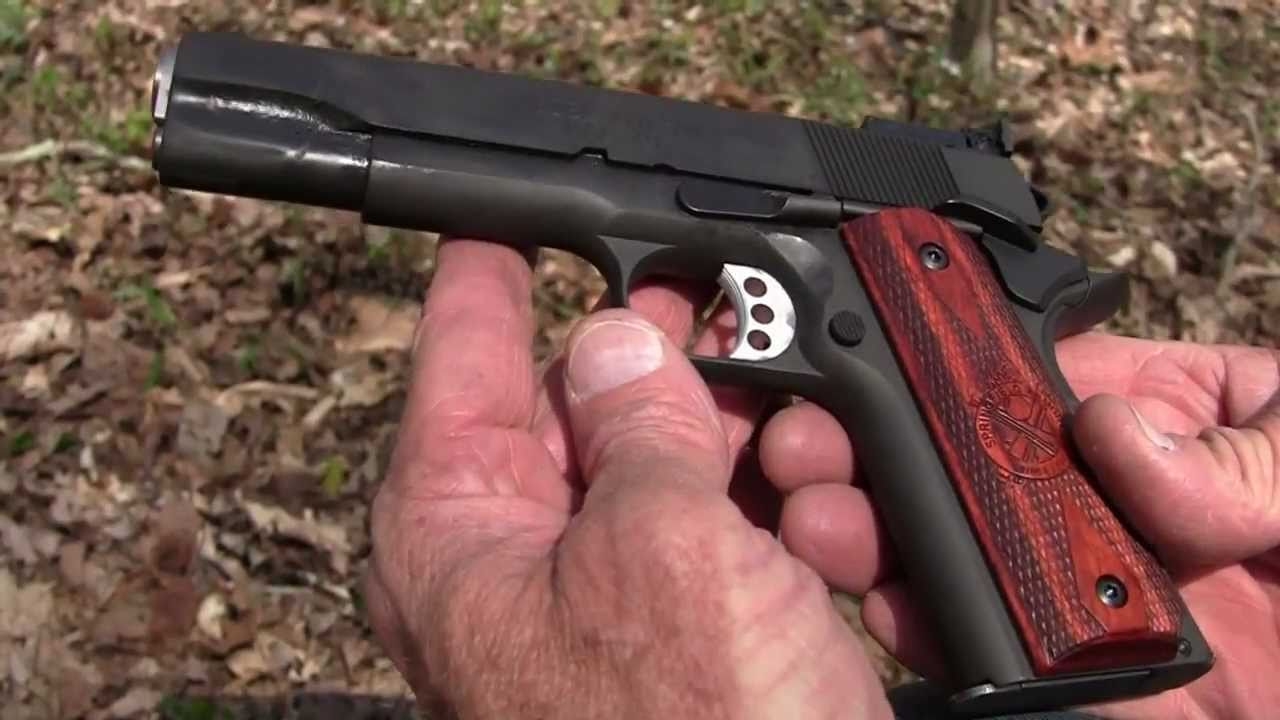
Springfield Armory Range Officer
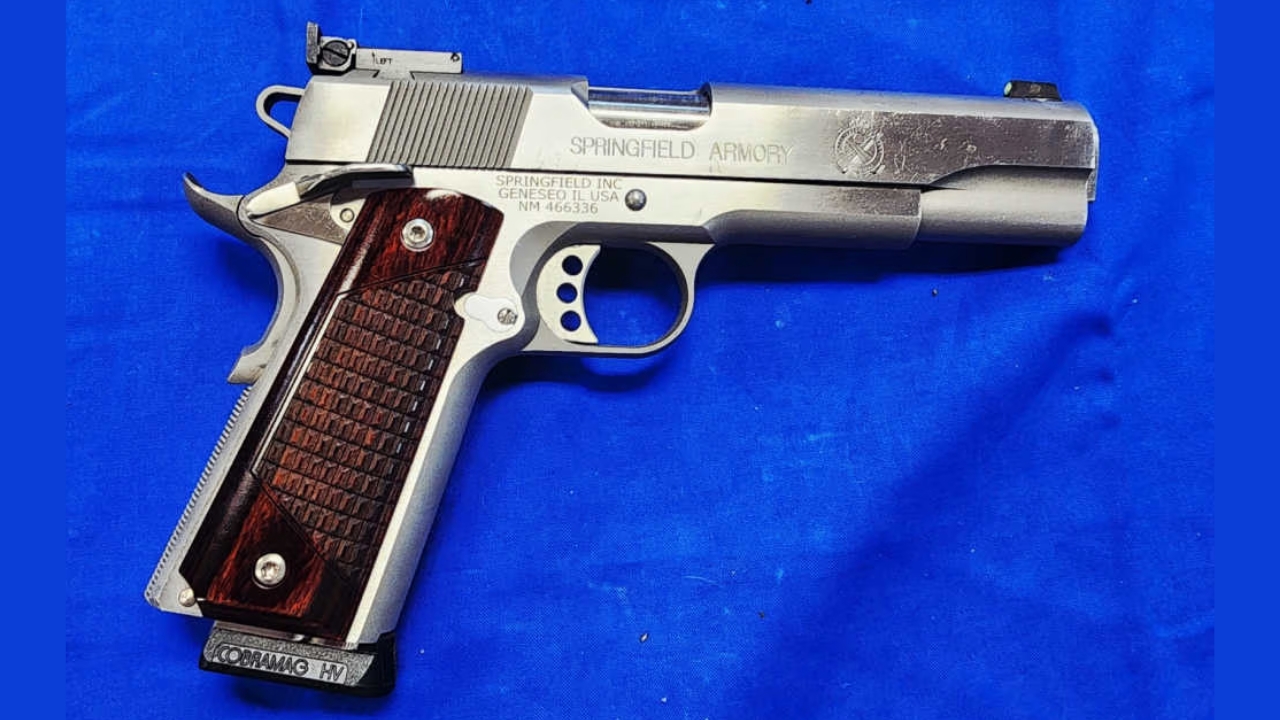
The Springfield Armory Range Officer was one of those 1911s that owners sometimes traded when optic-ready pistols and double-stack 9mms started taking over range bags. A traditional single-stack .45 target-style pistol suddenly looked less useful.
Then they remembered why it worked. The Range Officer had good sights, a decent trigger, and enough accuracy for serious range use without jumping into custom-gun pricing. It was honest and focused. It did not need to be a carry pistol or a race gun. Owners who traded one for something trendier sometimes miss having a clean, straightforward 1911 that simply shot well.
Ruger M77 Mark II

The Ruger M77 Mark II lost some attention as hunters chased lightweight rifles with detachable magazines, adjustable stocks, and guaranteed accuracy claims. The old Ruger looked traditional, and traditional gets unfairly treated as outdated.
But the M77 Mark II was built for hard hunting. Controlled-round feed, rugged construction, and a dependable three-position safety gave it real field credibility. It might not have had the smoothest trigger out of the box, but plenty of them became trusted hunting rifles after a little work. Owners who traded one away for something more fashionable often miss that sturdy, no-drama feel.
CZ 82

The CZ 82 was cheap surplus for a while, and that made owners careless with them. When modern compact pistols became easy to find, a blowback 9×18 Makarov pistol seemed like something you could sell without regret.
That changed once people remembered how good the little CZ actually felt. It had an excellent grip, ambidextrous controls, solid accuracy, and a surprisingly nice trigger for a surplus pistol. Ammo availability was the main drawback, but the gun itself had real charm. Owners who sold them for pocket money often wish they had kept at least one.
Mossberg 500 Deer/Security Combo
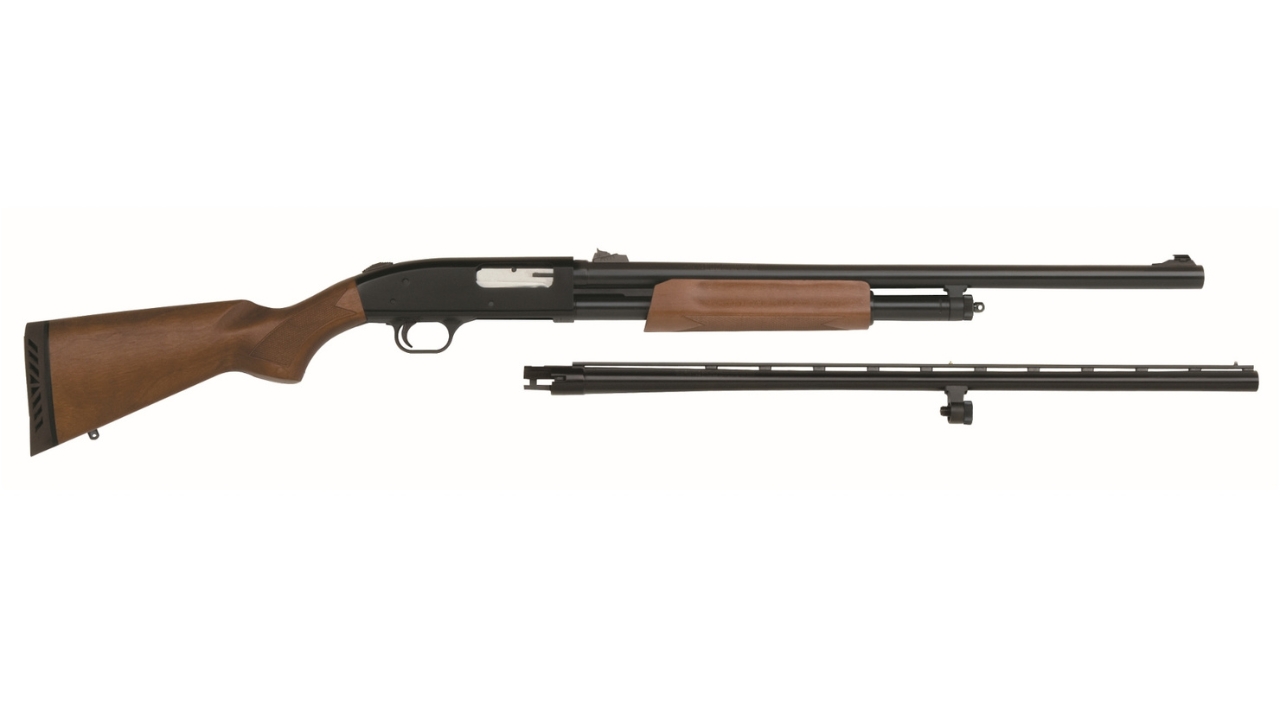
The Mossberg 500 combo guns were practical enough that some owners failed to appreciate them. A shotgun with both a field barrel and a shorter defensive barrel did not seem exciting once tactical shotguns and specialized hunting guns took over the spotlight.
That practicality is exactly why they should have kept it. One receiver could handle deer season, turkey setups, birds, clays, and home-defense duty with a barrel swap. It was not fancy, but it covered real needs better than many trendier shotguns. Owners who sold one often end up rebuilding the same capability later for more money.
Para-Ordnance P14-45
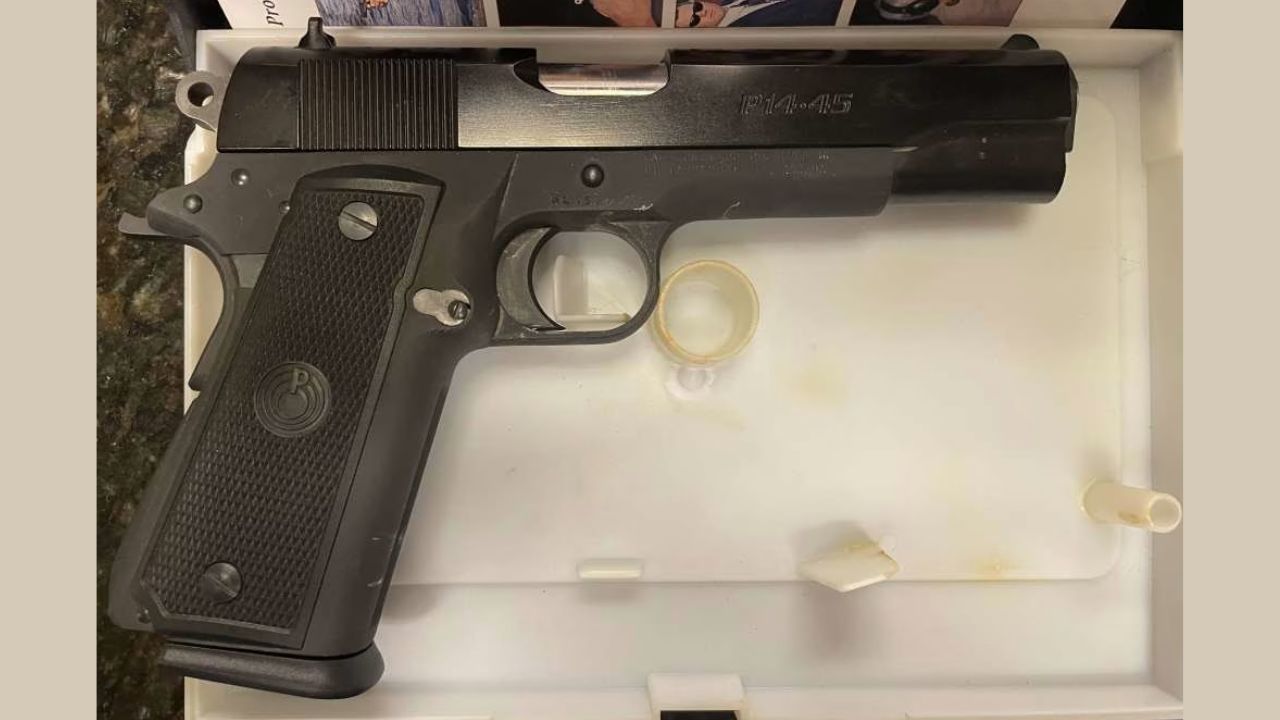
The Para-Ordnance P14-45 was ahead of the later double-stack 1911 craze in its own rough-edged way. For years, some owners sold them because newer polymer .45s or modern 2011-style pistols looked like better answers.
Now the old Para feels more interesting than many expected. It gave shooters big .45 ACP capacity in a 1911-style package long before that idea became fashionable again. They were not all perfect, and magazines mattered, but good examples had personality and real range appeal. Owners who dumped them cheap sometimes realize they let go of a piece of the double-stack 1911 story.
Thompson/Center Contender
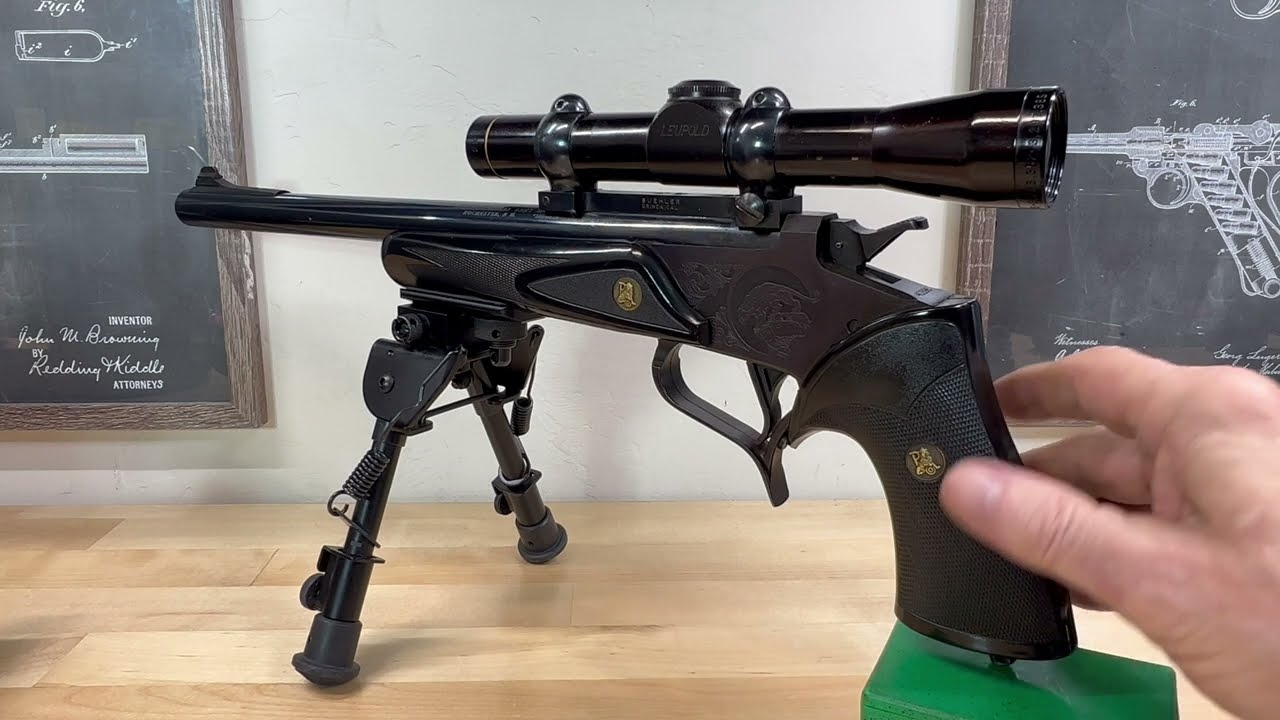
The Thompson/Center Contender was easy to sell when bolt-action pistols, modern hunting handguns, and specialized rifles started looking more practical. A break-action single-shot platform felt slow and old-fashioned to some owners.
That misses what made it special. The Contender was flexible, accurate, and full of character. Swapping barrels let one frame cover rimfire practice, varmint rounds, handgun hunting cartridges, and oddball chamberings that made shooting more interesting. Trendy guns may be faster or more tactical, but few give you the same tinkering satisfaction. Owners who sold their setup usually regret losing the barrels as much as the frame.
Like The Avid Outdoorsman’s content? Subscribe to our newsletter so you never miss an article.
Here’s more from us: