
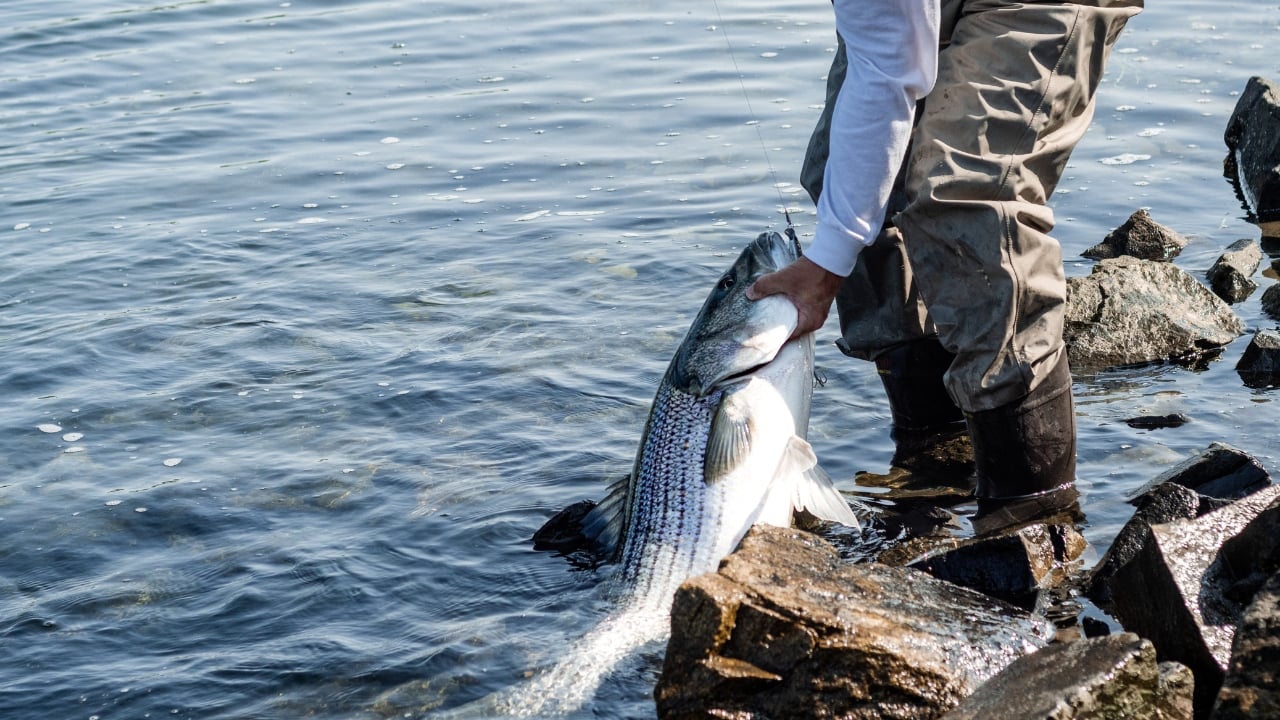
Image Credit: Tfreeman_Films/ Shutterstock.
If you’ve never had a striped bass blow up your plug in the surf, you’re missing out. Shoreline striper fishing is all about timing, tides, and location. You don’t need a fancy boat—just good boots, the right gear, and a stretch of coast where stripers actually show up.
From rocky points to sandy beaches, these East Coast hotspots offer real chances at solid fish without ever stepping off dry land.
Montauk, New York

Montauk’s got a rep for a reason. The point funnels bait and current together, and stripers stack up in the surf. It’s a rocky mess out there, so bring korkers and a good headlamp if you’re fishing the night bite.
The fall run is king, but summer nights see plenty of quality fish too. Swimbaits, bucktails, and needlefish plugs are go-tos. Just be ready—when the bite turns on, it can happen fast, and the locals don’t mess around.
Cape Cod Canal, Massachusetts
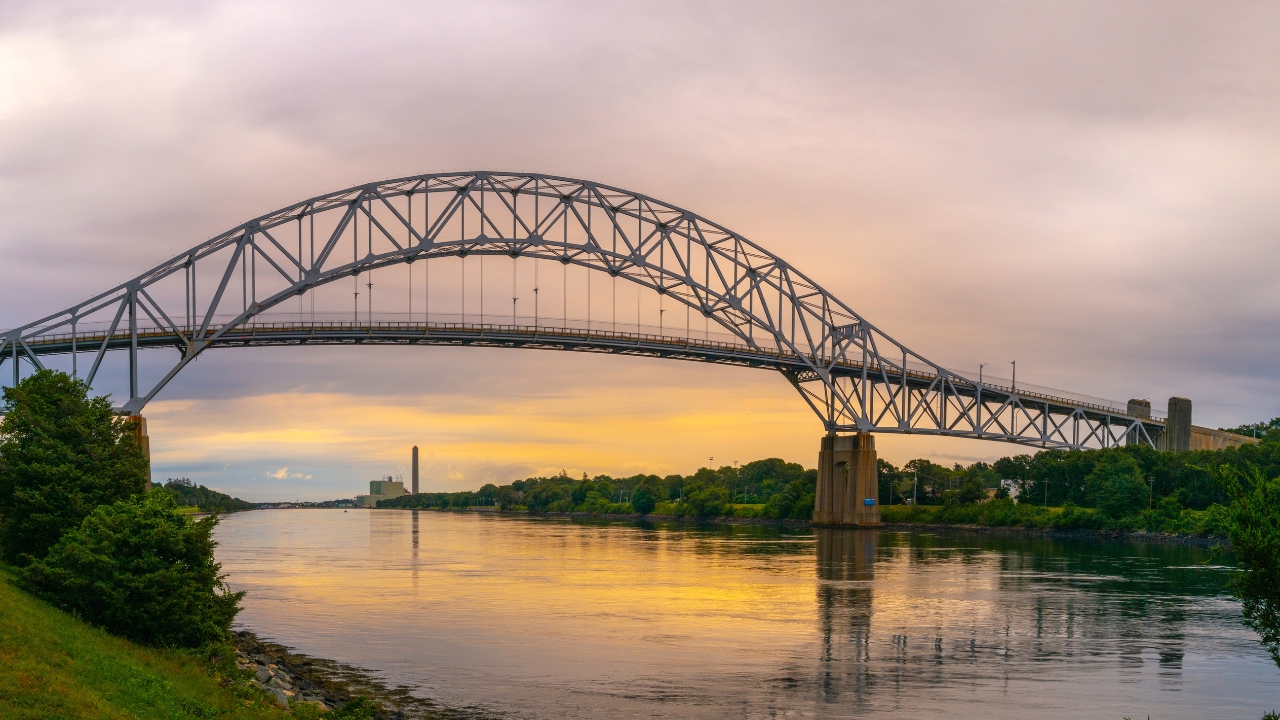
It’s not your typical shoreline spot, but it’s still land-based—and it flat-out produces. The Canal is like a striper highway, and when the bait is moving, the fish follow hard. Topwater plugs at first light are a must, especially when tides are ripping.
Bring gear that can handle current and long casts. Most guys throw 9-foot rods and big pencil poppers to reach the action. You’ve got a shot at 40-inchers here from the rocks, and it happens more than you’d think.
Sandy Hook, New Jersey
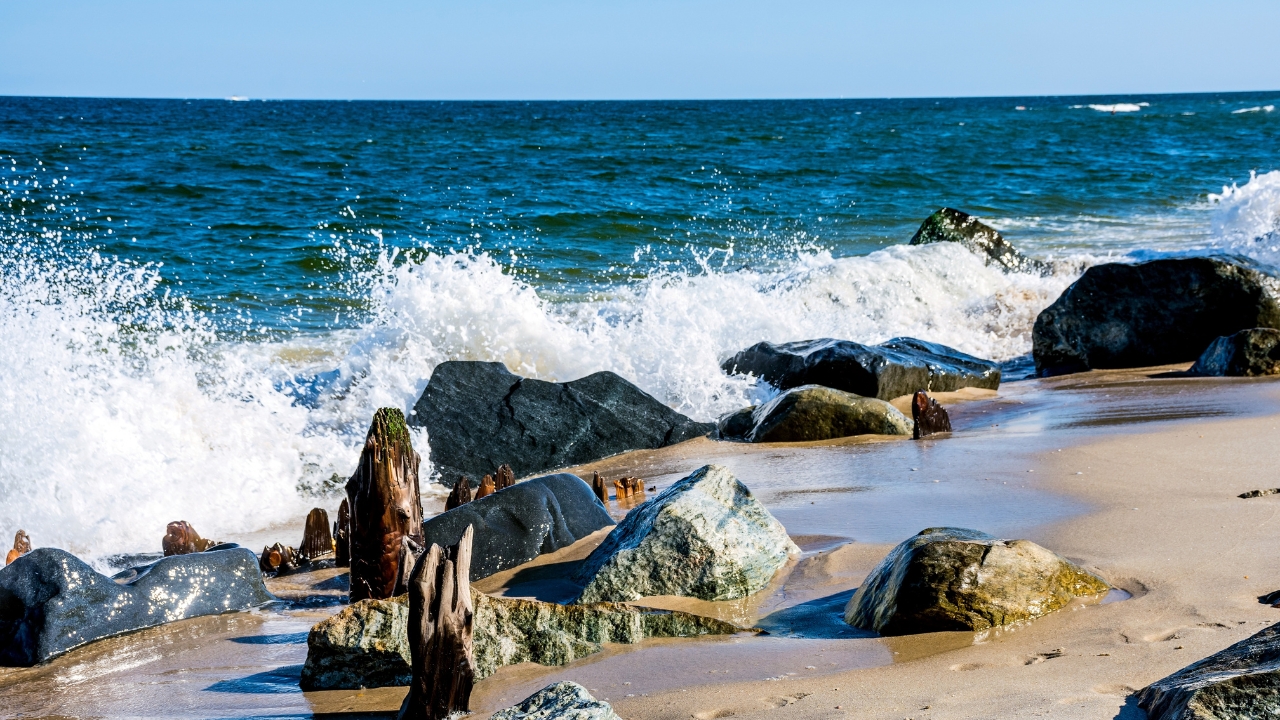
Sandy Hook offers easy access and consistent fish. You’ve got jetties, sandbars, and deep troughs close to shore. In spring and fall, this place lights up as stripers move through on their way north or south.
Clams and bunker chunks work well when fish are holding deeper, but if you’re looking for a visual bite, throw topwaters at dusk or dawn. Watch the birds and the bait. When it all lines up, this stretch of beach can deliver.
Block Island, Rhode Island
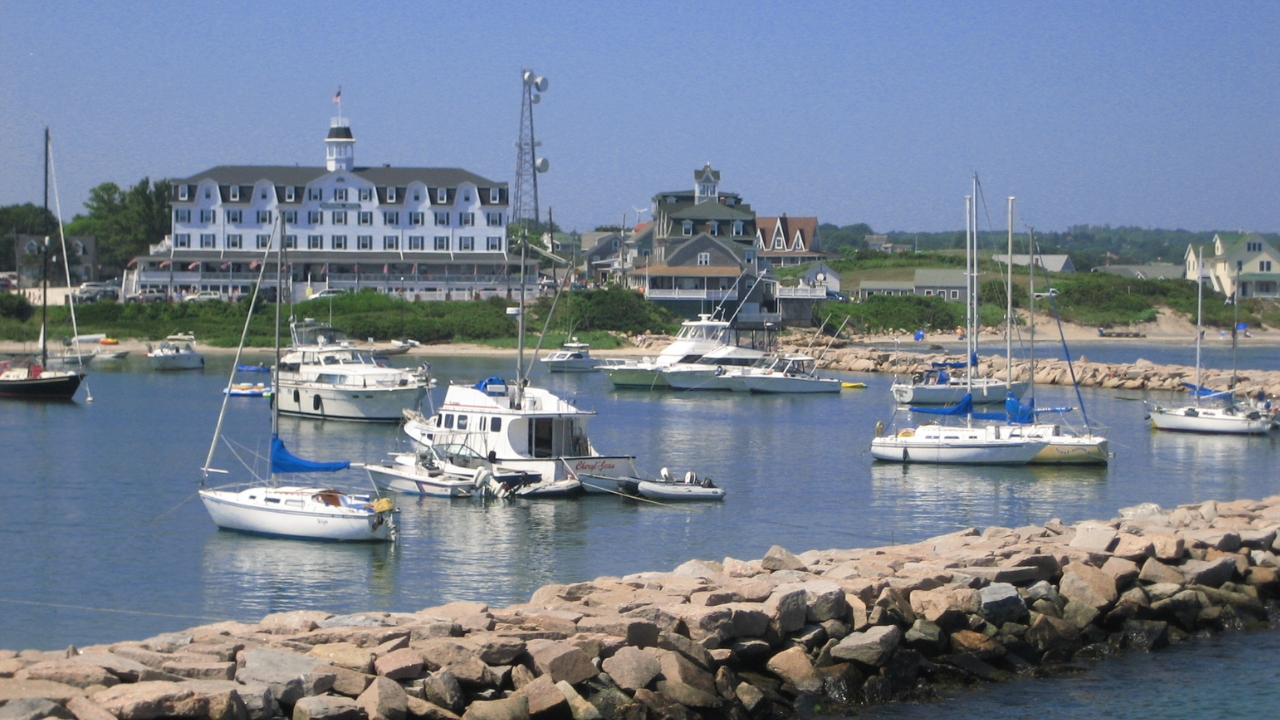
If you’re willing to make the ferry ride, Block Island has some of the best surfcasting in the Northeast. The south shore, especially around Black Rock and Southwest Point, holds fish all summer long.
This is big water, with boulders and drop-offs right off the beach. Fish after dark with eels or big metal lips for your best shot at a cow. You’ll need to put in time and walk a bit, but it’s worth it when that drag starts screaming.
Assateague Island, Maryland
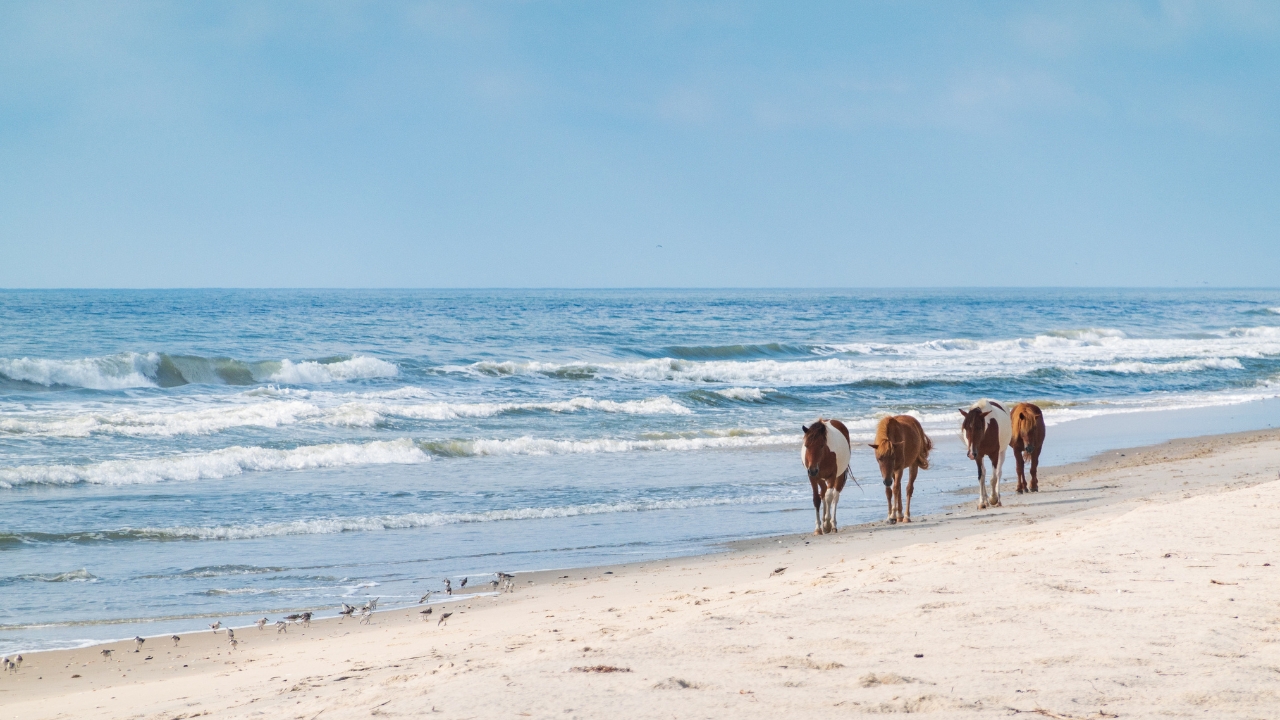
This barrier island offers long stretches of untouched surf, perfect for targeting migrating stripers in spring and fall. The deeper cuts and troughs just past the breakers are where these fish cruise for sand fleas, bunker, and clams.
Fish cut bait on a fish-finder rig and keep an eye on the tide. Incoming and outgoing both produce, but you’ve got to be mobile—move with the fish. It’s not uncommon to find a pocket where the stripers are stacked, and if you do, settle in.
Cape Henlopen, Delaware
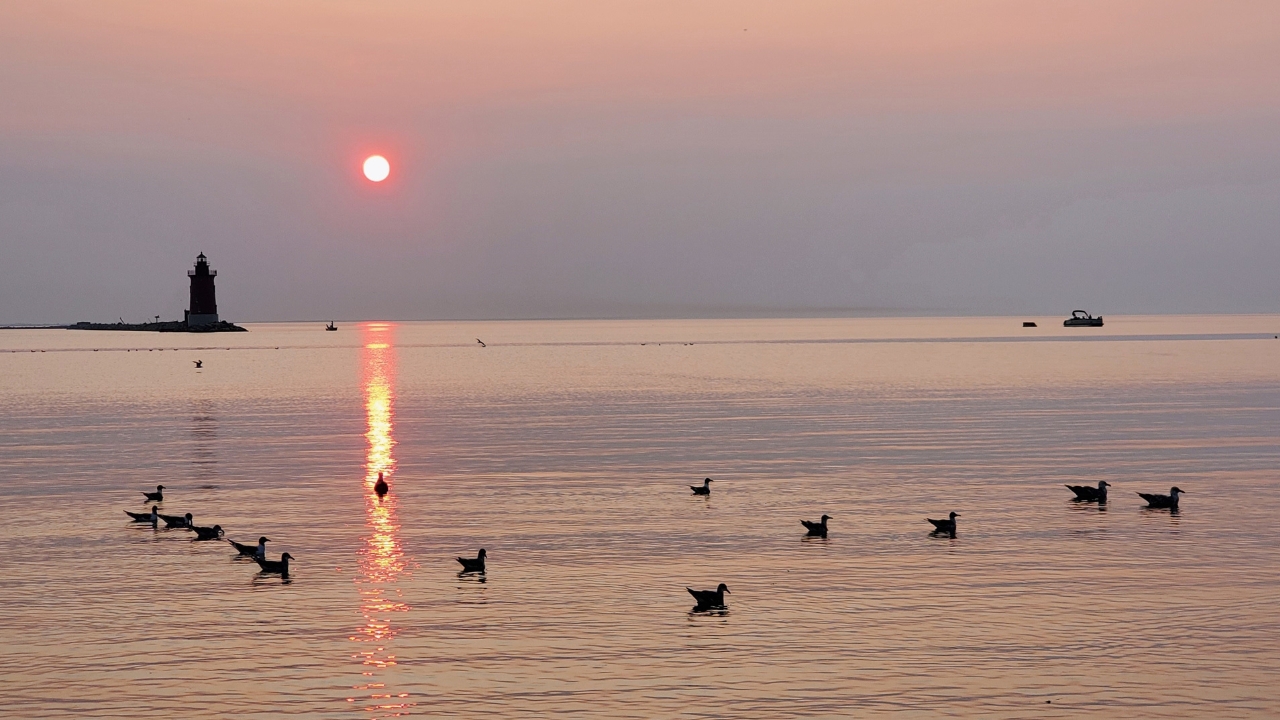
Cape Henlopen offers solid beach access and plenty of striper action, especially near the fishing pier and the Point area. The outgoing tide pushes bait through the shallows, and stripers will sit right on the edge picking them off.
Bring a mix of plugs, jigs, and bait. If you’re fishing at night, eels and soft plastics shine. There’s structure here—old pilings, jetties, and current seams—so fish smart and keep your drag tight. It’s a great place to hook into a slot fish from the sand.
Virginia Beach, Virginia
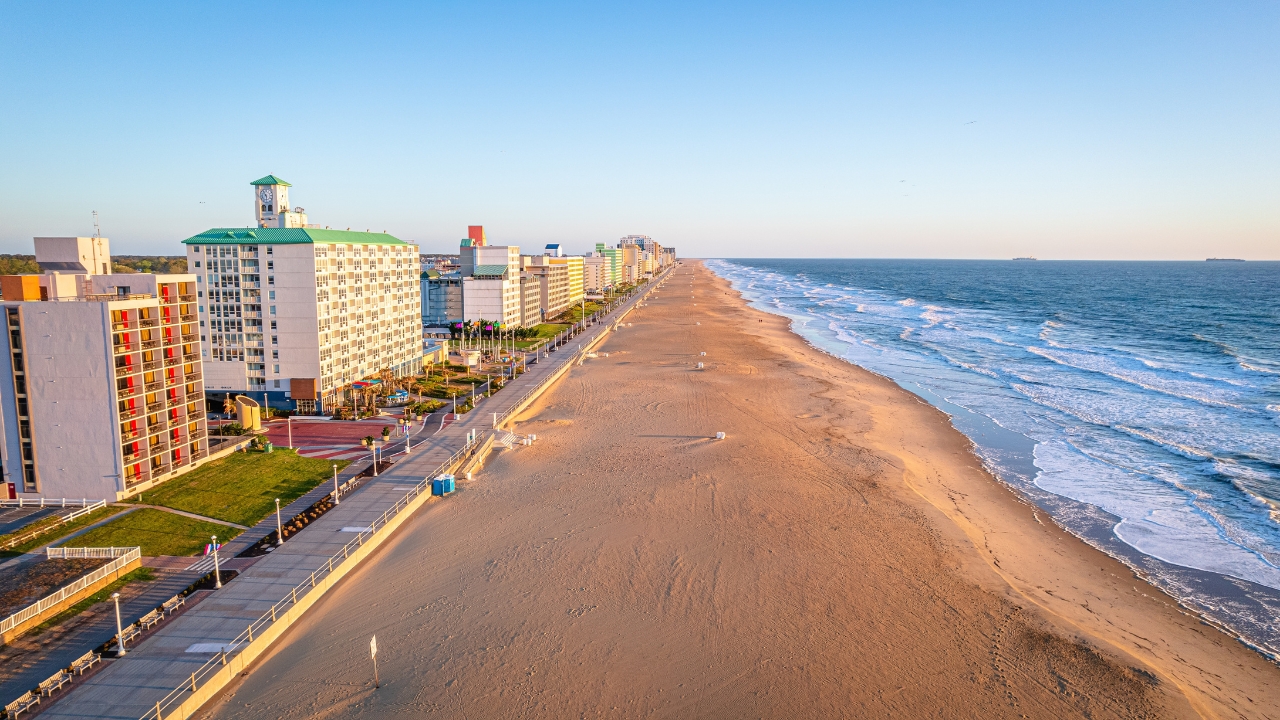
During the fall run, Virginia Beach becomes a striper pit stop. Shoreline anglers do well near Rudee Inlet and along the jetties at the north end of the beach. Late fall into early winter brings big fish in close, especially when the bunker schools are thick.
You’ll want a long rod and the ability to punch heavy plugs or metal out past the first bar. Watch for birds, look for nervous water, and fish the tides. When it’s on, the surf bite here can rival the boat guys.
Oregon Inlet, North Carolina

Oregon Inlet connects the Atlantic to the Pamlico Sound, and the currents pull a ton of bait through. It’s a textbook ambush zone, and stripers know it. The jetties and beaches nearby can produce big fish, especially during colder months.
This is a bring-your-heavy-gear spot. Between the current, rocks, and wind, you’ll need strong tackle and smart casts. Metal lures, bucktails, and big plastics all catch fish. When the water cools off and the bait pushes through, it can turn into a striper showdown.
*This article was developed with AI-powered tools and has been carefully reviewed by our editors.


