Photo credit: Aleksey Matrenin/Shutterstock.com
A good bug-out bag isn’t just about cramming gear into a pack—it’s about having the right stuff when it matters. Preppers don’t waste space with fluff. They carry items that work, serve more than one purpose, and won’t let them down in a real emergency. If you’re building your own kit or checking what’s missing, these ten essentials show up in just about every well-thought-out bag. They’re not flashy—they’re practical, proven, and ready when things go sideways.
Water Filter or Purification Tablets

Clean water is non-negotiable. Bottles run out fast, so preppers pack something to make more. Compact filters like the Sawyer Mini or LifeStraw take up almost no room and work with any water source.
Some also include iodine or chlorine tablets as a backup. They’re light and nearly foolproof. Either way, the goal is to drink safely without relying on luck or scavenged bottles. Staying hydrated without getting sick keeps you moving.
Fixed Blade Knife
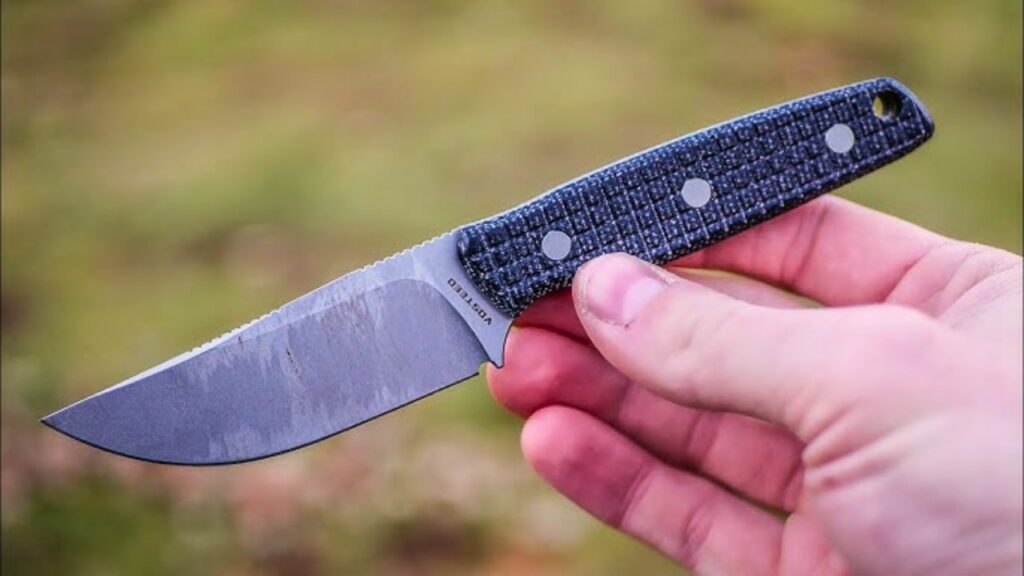
Every bug-out bag has a solid knife. Not a pocket folder or some mall-ninja gimmick—but a real fixed blade that can handle wood processing, food prep, and defensive use if needed.
It’s one of those tools that earns its place fast. Whether you’re cutting cordage, batoning wood, or making tinder, a strong blade gets it done. Add a solid sheath and it’s ready for daily carry in the field.
Fire Starter

Bic lighters are common, but preppers also pack ferro rods, waterproof matches, or even magnesium blocks. Fire is too important to leave to chance—it’s warmth, cooking, water purification, and morale.
Reliable fire-starting gear works in all weather. A ferro rod will spark in rain, snow, or wind, and it doesn’t run out like a lighter. Most folks carry two or three methods just in case.
Emergency Shelter
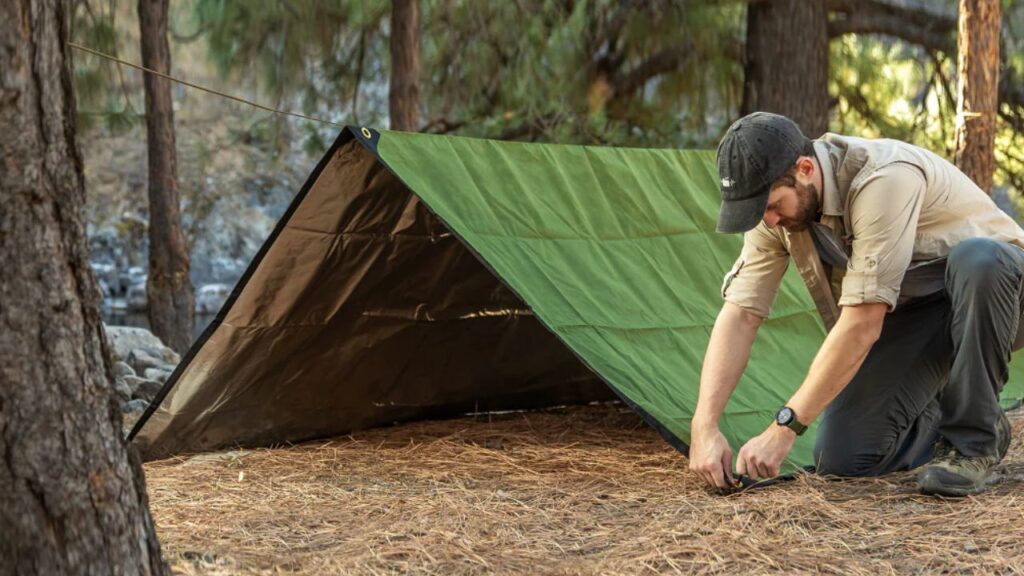
You don’t need a full tent in your bug-out bag, but you do need something between you and the elements. Most preppers pack a compact tarp, bivy sack, or emergency blanket that’s wind and water-resistant.
It’s not about comfort—it’s about surviving cold, wet nights without burning too many calories. A quick shelter keeps you alive and buys time until you can build something better.
Multi-Tool
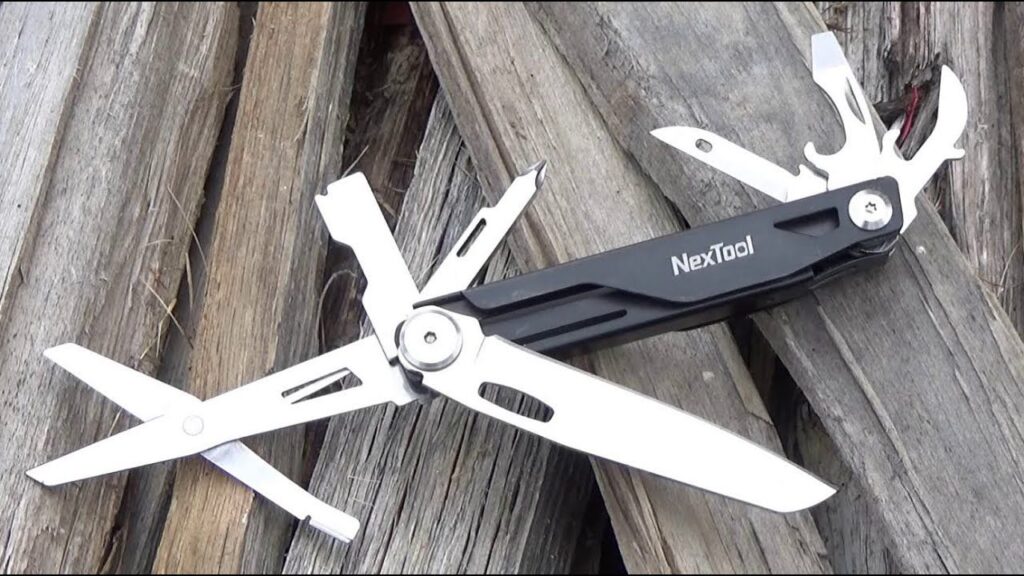
A good multi-tool covers a lot of ground. It won’t replace a dedicated blade or saw, but it’ll get you through plenty of small fixes—gear repairs, food prep, and odd jobs where a screwdriver or pliers makes a difference.
Leatherman, Gerber, and Victorinox are all popular for a reason. You want something compact, strong, and simple to use. It’s one of the few tools that can save your gear and your sanity.
Flashlight or Headlamp
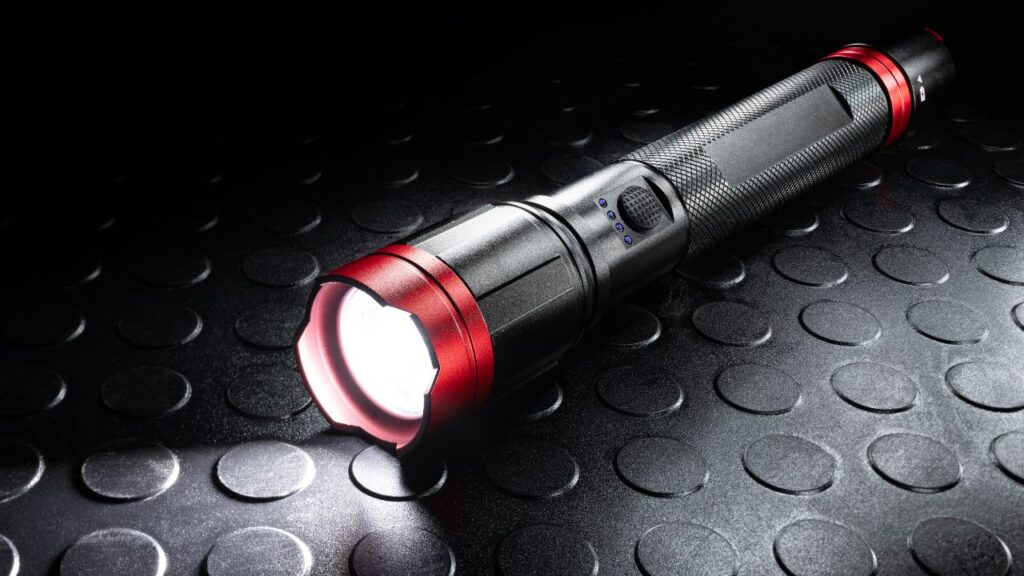
When the sun goes down, a light source becomes critical. Preppers usually carry a headlamp for hands-free use and a small backup flashlight just in case. Batteries matter too—most go for AA or AAA to keep things simple.
LEDs with long runtimes and solid build quality make all the difference. In a real bug-out, you’ll need light to move safely, signal, or work on gear after dark. Cheap lights don’t cut it.
Paracord

It’s light, strong, and packs down small. Paracord can be used to build shelters, secure gear, fix a pack, or even make traps or fishing lines. You’ll find 50–100 feet in most bags.
Some folks carry it as a bracelet or wrapped around their knife sheath. Others keep a full hank. Either way, it’s a smart way to carry versatility without adding much bulk.
First Aid Kit
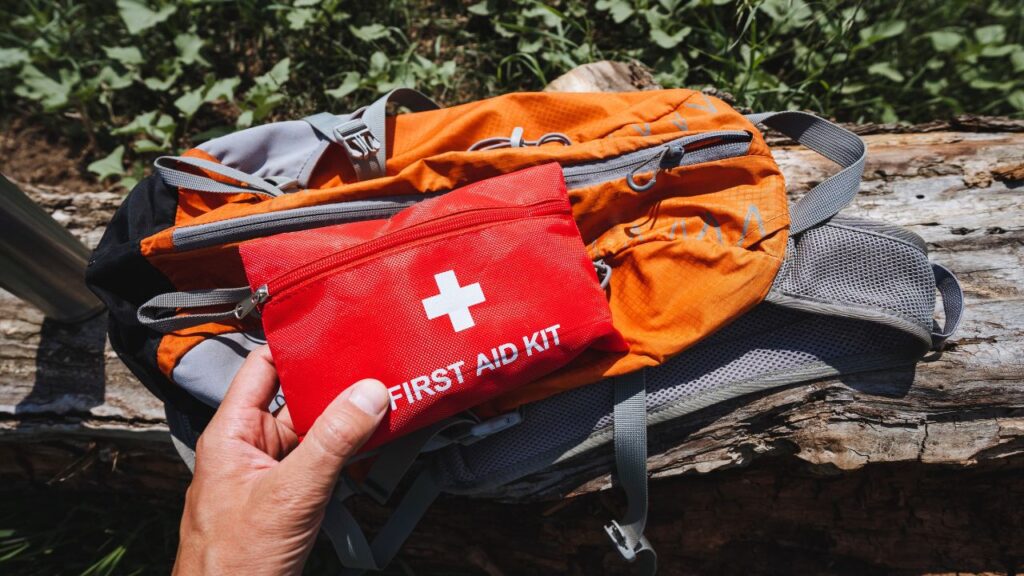
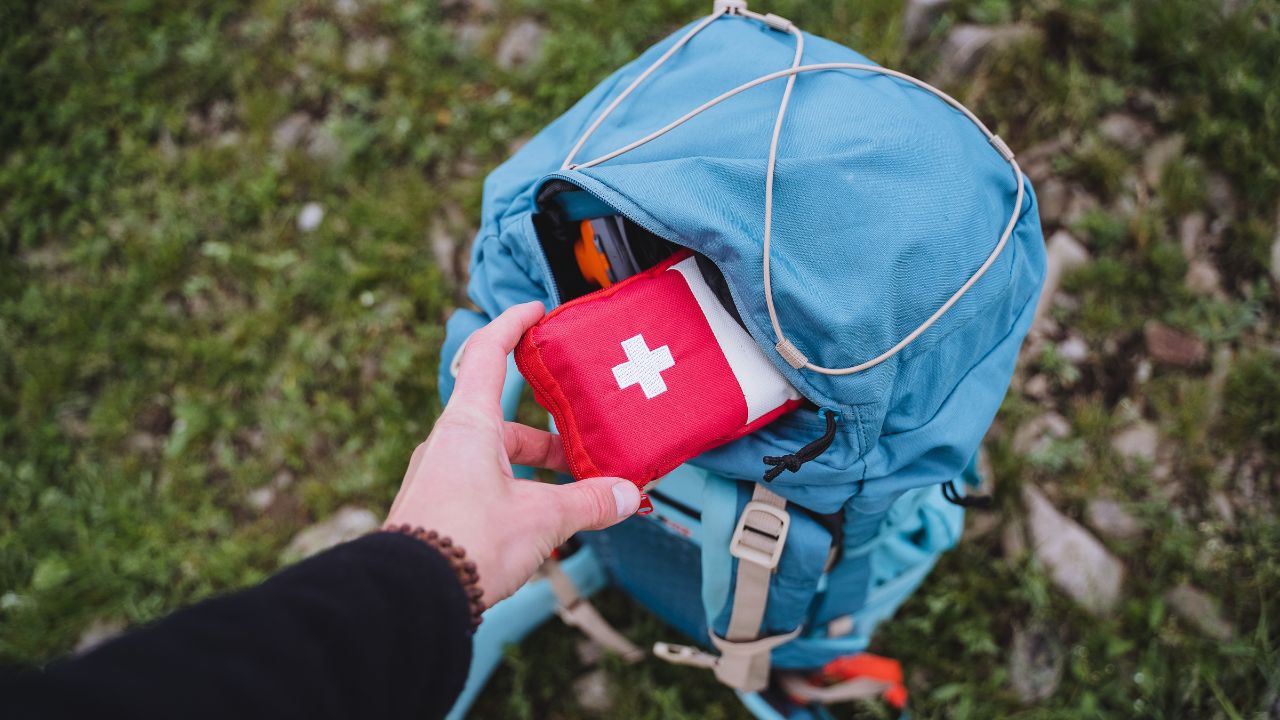
You don’t need a hospital in your bag, but you do need the basics. Most preppers carry a compact trauma kit with bandages, gauze, antiseptics, and a tourniquet. Some also include meds for pain, allergies, or infection.
It’s about handling common injuries and staying in the game. Even small cuts can turn serious in bad conditions. If you can stop bleeding and prevent infection, you’re already ahead of the curve.
Food That Doesn’t Spoil
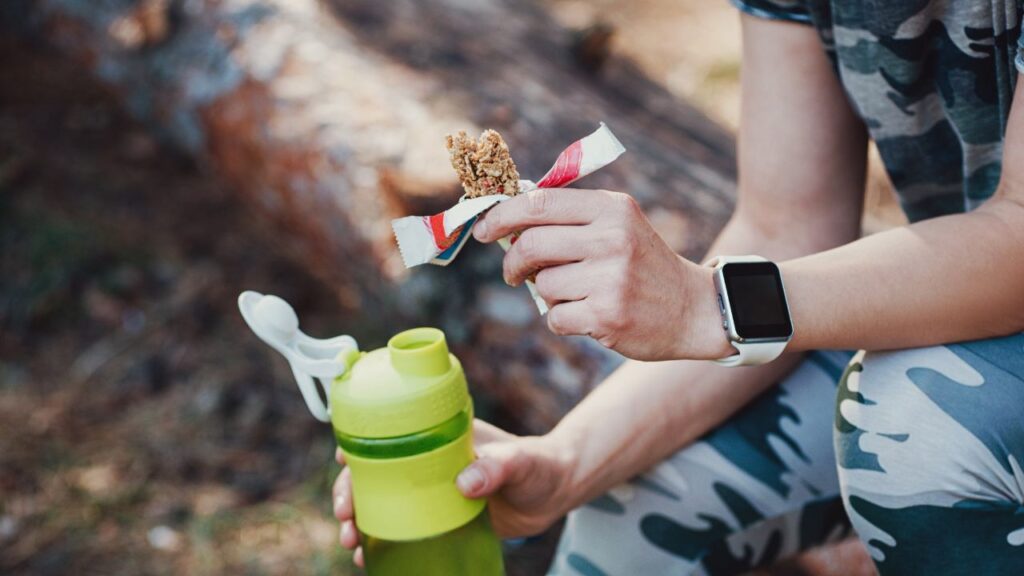
Freeze-dried meals, energy bars, trail mix, and even peanut butter show up in prepper bags. The goal is simple—lightweight calories that last and don’t need cooking.
You’re not packing a pantry—just enough to keep you fueled for 72 hours or more. Shelf life and packability matter, but so does energy density. Every ounce should earn its keep.
Maps and Compass

GPS is nice until the batteries die. Paper maps and a reliable compass don’t need charging, and they don’t rely on cell service. Preppers keep hard copies of local terrain, escape routes, and alternate paths.
If you’ve got the skills to use them, these tools beat any app when it really counts. Knowing where you are—and how to get out—is a game changer in any emergency.
*This article was developed with AI-powered tools and has been carefully reviewed by our editors.