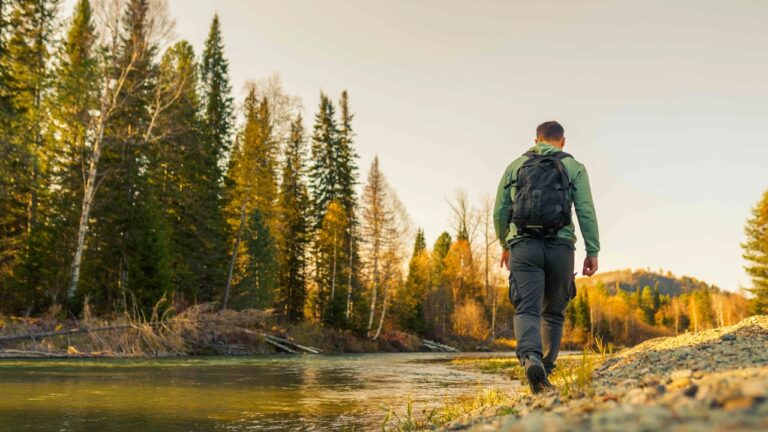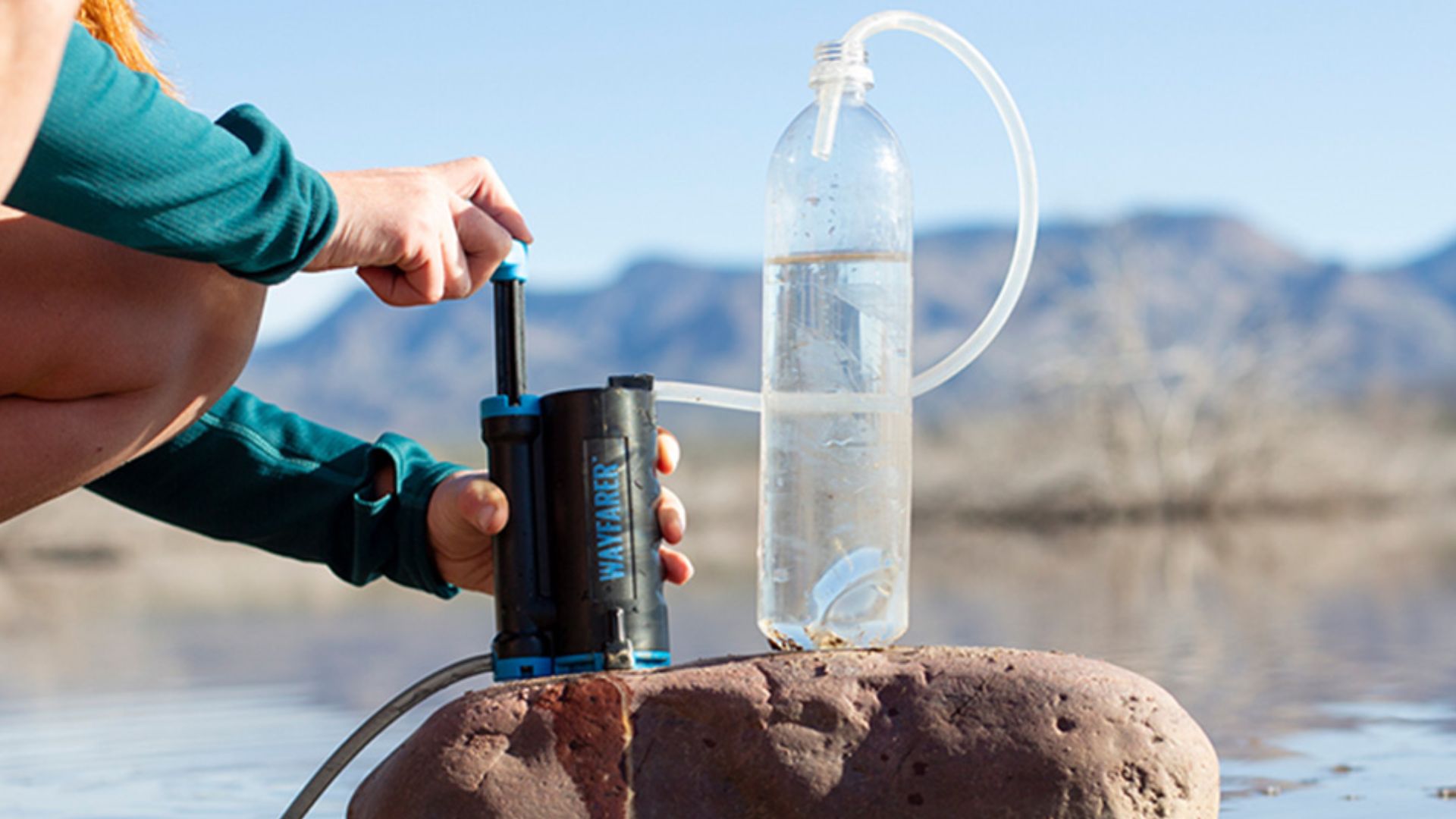
Photo credit: The General Prepper
Most people buy a water filter and then mentally check “safe water” off the list forever. That’s the mistake. Filters are useful, but they don’t magically make every water source safe, and they don’t protect you from every problem that shows up in the real world. When folks get sick after “filtering,” it’s rarely because the idea of filtration is bad. It’s because they misunderstand what their filter actually does, they use it wrong when they’re tired, or they trust it in situations it was never designed for. And the worst part is you usually don’t find out you messed up until hours later when you’re already behind the curve.
Here’s the core truth: safe water is a system, not a product. A filter is one piece of that system. The other pieces are choosing the best source you can, keeping your dirty side and clean side separated, and having a backup plan when the water is nasty, silty, or questionable. When you ignore the system part and treat the filter like a magic wand, you’re setting yourself up to be miserable at best and in trouble at worst.
The biggest screwup is cross-contamination
The #1 way people get sick with a filter isn’t that the filter “failed.” It’s that they contaminate the clean water after it’s filtered. They dip the clean bottle mouth into the same muddy water they just pulled from. They set the clean cap down on a dirty rock. They handle the dirty intake hose, then grab the clean end without thinking. They fill a bladder, then use the same hands to eat without washing up. It’s boring stuff, but it’s what gets you. In the field, “dirty” isn’t just mud. Dirty is every bacteria-laced surface and every wet hand that touched the wrong thing five minutes ago.
If you want a simple rule that actually works, it’s this: treat the dirty side like it’s poison and treat the clean side like it’s food. Keep them separate. Don’t mix lids. Don’t swap caps. Don’t lay clean parts on the ground. Don’t let your clean container mouth touch raw water. And if you do mess up, don’t argue with yourself about it. Fix it. Rinse, re-filter, or disinfect.
People don’t understand what their filter doesn’t remove
Another major problem is assuming every filter handles every threat. Many common portable filters are designed to remove protozoa and bacteria, and that covers a lot of backcountry issues, but viruses are a different conversation. In a lot of true wilderness settings, viruses aren’t the main concern, but the second you’re dealing with water near people, near agriculture, near flood zones, or in areas with questionable sanitation, that risk picture changes. A filter that’s great for clear mountain streams may not cover you in the kind of water you end up needing during storms, disasters, or near populated areas.
That’s why I’m a big believer in having a secondary method. Chemical disinfection has its place. Boiling is still the standard when you can do it. A filter is usually step one, not the whole plan. If you’re building a survival setup, especially for “anything could happen” scenarios, your water plan should include a way to deal with more than one type of contamination.
Silty, nasty water destroys good filters fast
Here’s another reality people don’t like to hear: the water you actually need to treat is often the worst water available. Clear streams are nice, but sometimes your only option is a stagnant pond edge, muddy runoff, or a shallow ditch that’s moving just enough to tempt you. That kind of water clogs filters quickly, slows your flow to a trickle, and makes people start cutting corners. When filtration becomes a chore, folks rush it, skip steps, or decide “it’s probably fine.” That’s when problems happen.
If you’re forced to use dirty water, pre-filter it. Let it settle. Pour from the top. Run it through cloth. Do whatever you can to keep grit and sludge out of your main filter. Your filter will last longer, work better, and you’ll be less tempted to do something dumb because you’re frustrated and thirsty.
People don’t maintain the filter, then blame the filter
A lot of filters need basic maintenance. Some require backflushing, some need occasional cleaning, and all of them can get compromised by freezing conditions. That freeze issue is a big one. If a filter element freezes after it’s been used, it can crack internally and you may not know it. Then you’re pushing water through something that looks fine but isn’t reliable anymore. People will carry a filter in an outer pocket, camp in cold temps, and then keep using it the next day like nothing happened. If temperatures are dipping near freezing, your filter needs to be protected like it matters, because it does.
And even without freezing, neglecting basic cleaning means reduced performance and more chance you’ll rush the job. When a filter turns into a slow drip, it’s not just annoying. It changes behavior. It makes people choose speed over safety.
The fix is boring, and it works
If you want the “don’t get sick” version of water filtration, it’s not sexy. It’s discipline. Choose the cleanest source you can, even if it takes extra walking. Keep dirty and clean separated like it’s law. Pre-filter nasty water. Carry a backup disinfection method. Protect your filter from freezing. And actually test your setup before you’re relying on it, because the first time you use your filter shouldn’t be when you’re already stressed and low on options.
A good water setup keeps you moving. A bad one turns into cramps, dehydration, and a miserable decision spiral. That’s why I’m opinionated about it. People treat water like a gear problem when it’s really a habits problem. Fix the habits and your filter suddenly “works” a whole lot better.
Like The Avid Outdoorsman’s content? Subscribe to our newsletter so you never miss an article.
Here’s more from us: