Photo credit: senivpetro/Freepik.com
Most camps run smoother than people expect. Everyone shows up with a job in mind, things get set up, food gets handled, and by the time the sun drops, it feels like a place you can actually settle into. Even when it’s a mix of personalities, there’s usually enough common sense floating around to keep things steady.
But every now and then you land in a camp where something just feels off. Nobody’s quite on the same page, little things start stacking up, and it doesn’t take much imagination to see how one more bad call could tip the whole thing sideways. It’s not usually one big problem. It’s a bunch of small habits that rub people wrong until patience runs thin. These are the things that make a campsite feel like it’s one bad decision away from turning into a problem nobody wanted.
Nobody Knows Who’s Responsible for What

When camp first gets set up, things move fast. Tents go up, gear gets unloaded, firewood gets sorted, and food starts coming out. In a good camp, everyone naturally falls into a role. Somebody handles the fire, somebody deals with food, somebody keeps gear organized. It doesn’t have to be spoken, but it’s clear.
In a bad camp, nobody owns anything. Jobs get half-done, or done twice, or not done at all. One guy thinks someone else is handling it, the next guy assumes the same thing, and before long you’ve got gaps everywhere. That’s when frustration starts building. People don’t mind working, but they do mind picking up slack that shouldn’t exist in the first place.
One Guy Is Doing Nothing and Acting Tired
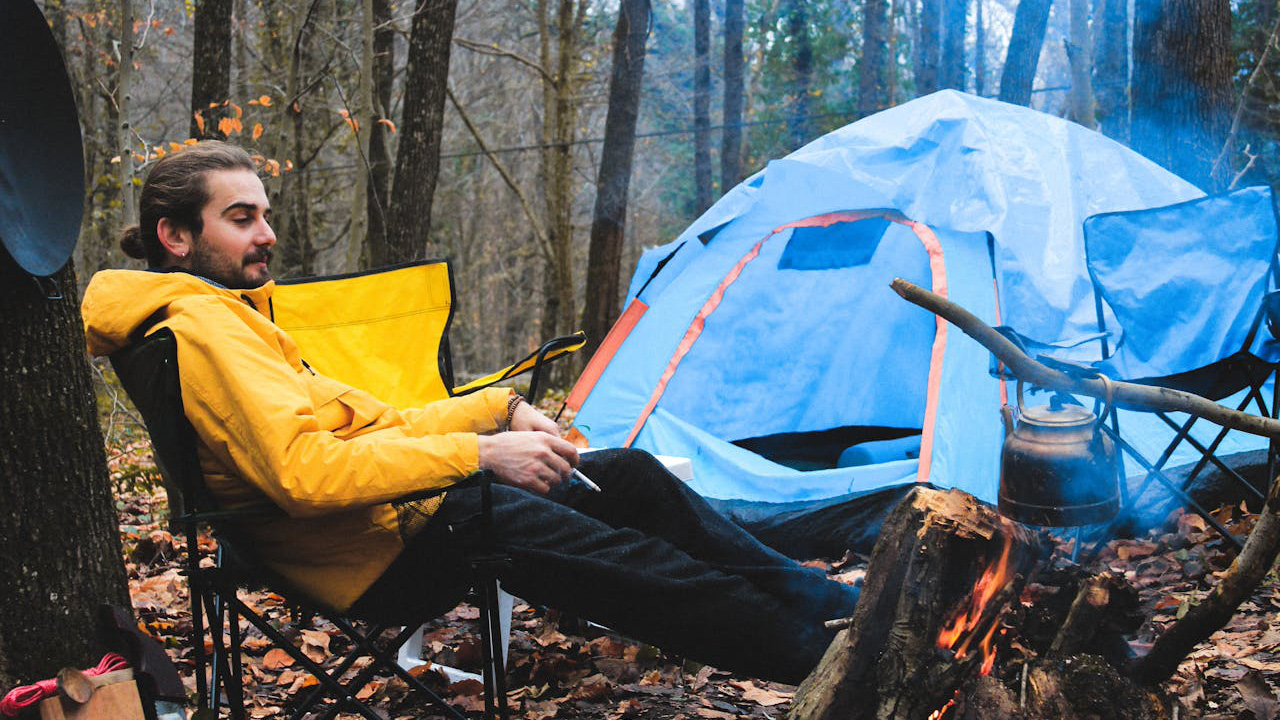
There’s always one. He wanders around with a drink in his hand while everyone else is hauling, setting up, chopping, or cooking. Then somehow, he’s the first one to sit down and the first one to talk about how worn out he is.
That kind of thing doesn’t need a speech to become a problem. Everybody sees it. Nobody forgets it. A man doesn’t have to do the most, but he does have to do something. When one guy consistently opts out and still expects the same comfort as everyone else, it quietly poisons the mood.
The Food Situation Is a Mess
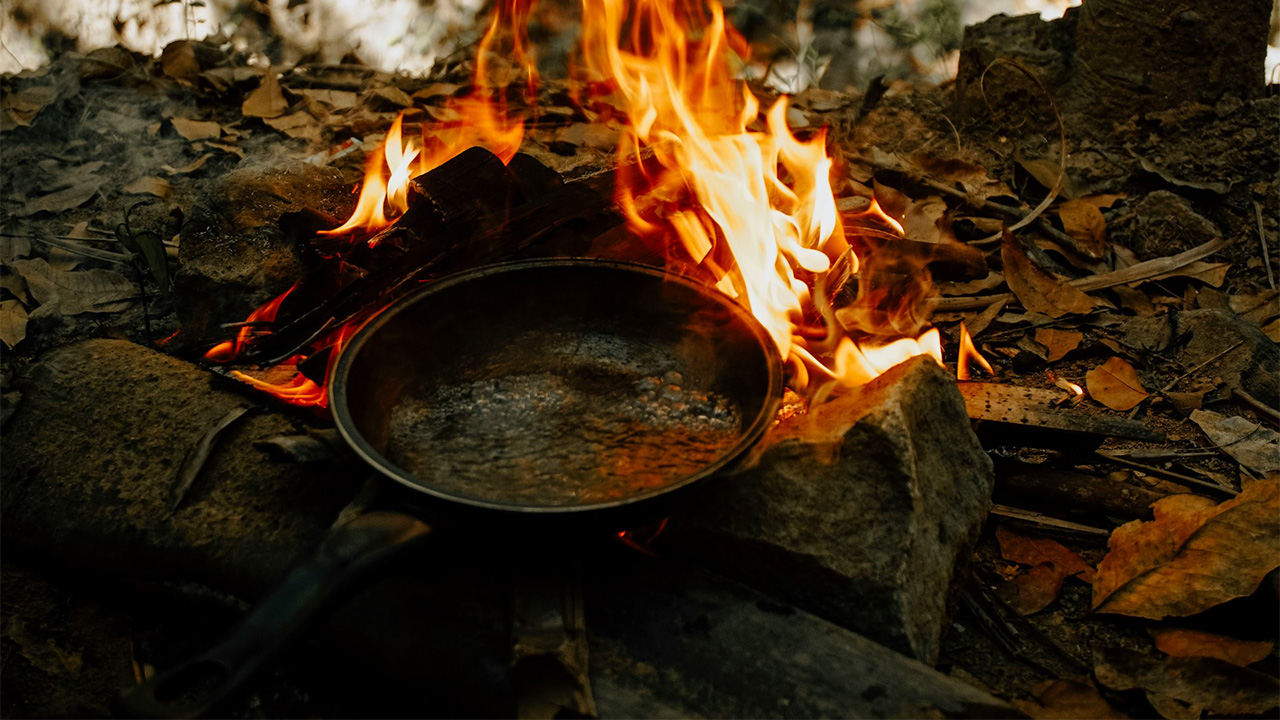
Food has a way of setting the tone in camp. When it’s organized, timed right, and shared fairly, people stay in a good headspace. When it’s chaotic, late, or uneven, everything starts slipping.
Maybe someone didn’t bring what they said they would. Maybe the cooking setup isn’t ready when it should be. Maybe portions get weird and some people are still hungry while others already ate. None of that sounds like a big deal on its own, but stacked together it wears on people fast. A hungry camp is an impatient camp.
Gear Is Getting Mixed Up Between People
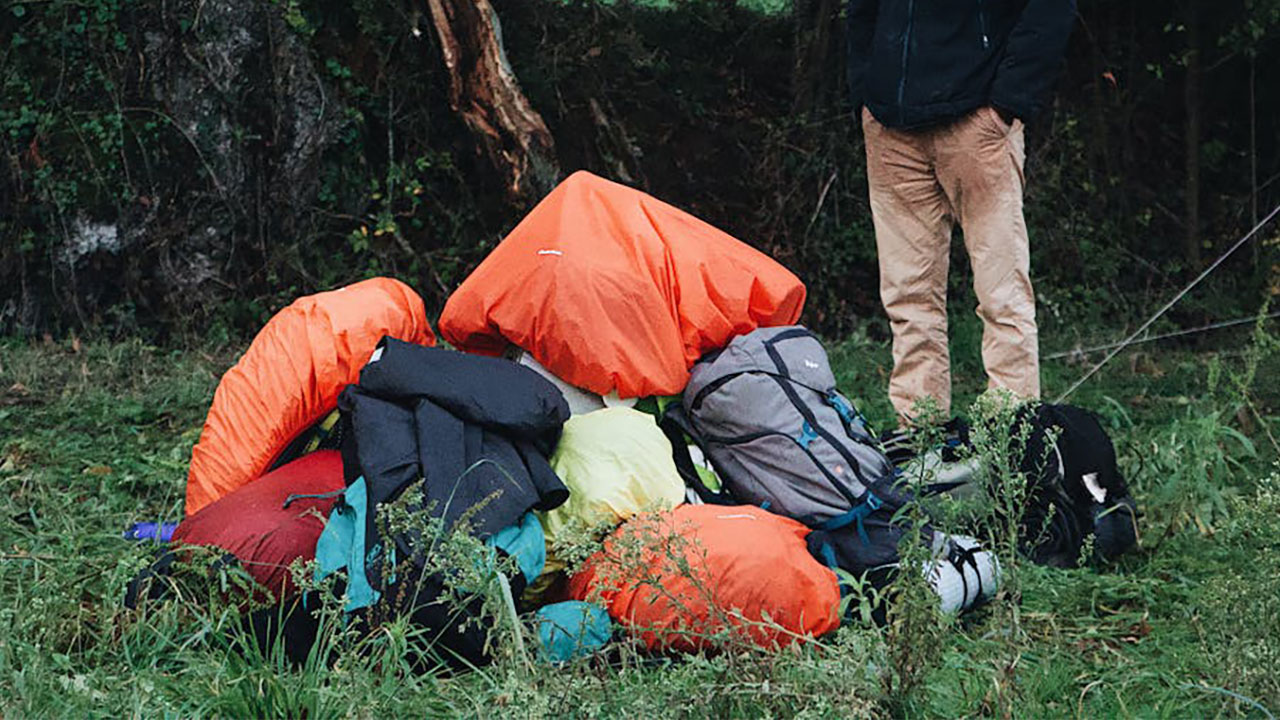
A solid camp keeps things clear. Your gear stays yours, mine stays mine, and shared items are easy to track. In a shaky camp, stuff starts drifting. Someone borrows something without saying anything. Something gets moved and not put back. Now people are asking where things are, and nobody has a straight answer.
That confusion turns into tension quicker than people expect. Nobody likes feeling like their stuff isn’t respected or accounted for. Even if it’s unintentional, it makes the whole camp feel disorganized and a little careless.
The Fire Is Either Neglected or Overrun
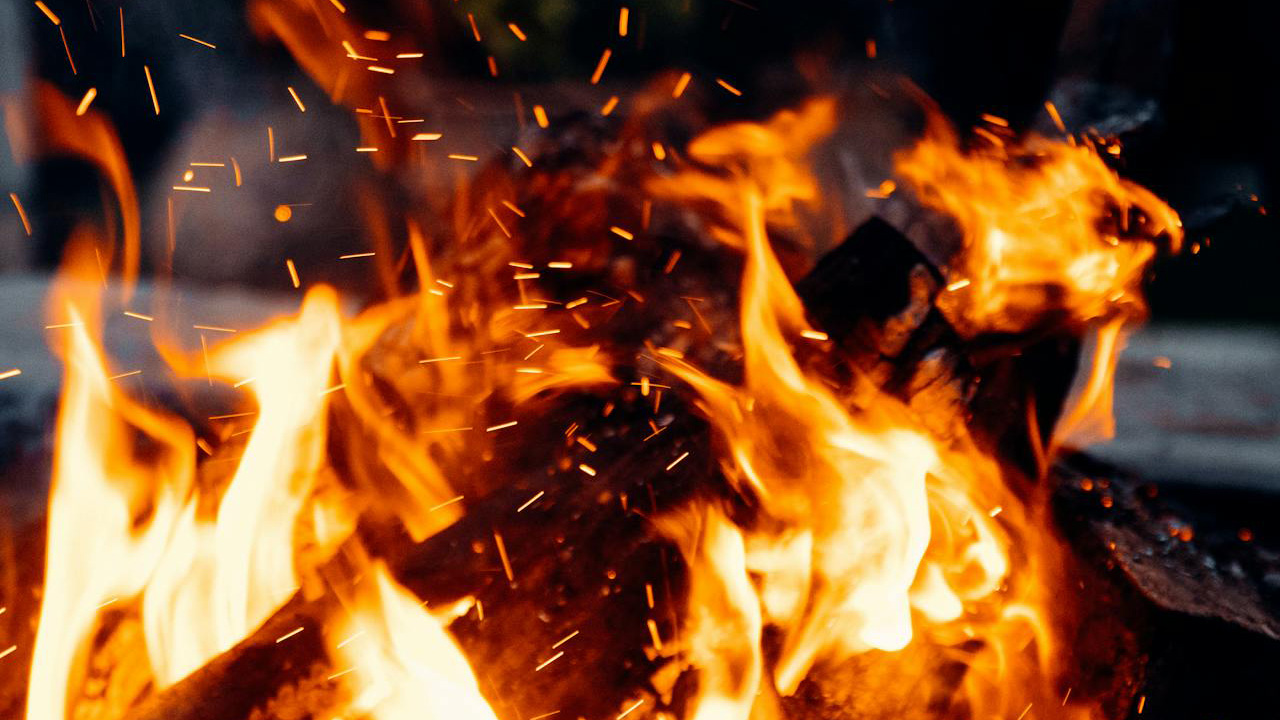
A campfire should be steady. Not dramatic, not dying, just doing its job. In a bad camp, it’s either being ignored until it’s nearly out or overfed until it’s smoking everybody out.
Both extremes create problems. If it’s dying, people get cold and annoyed. If it’s overdone, people are dodging smoke and sparks. The fire becomes something people have to deal with instead of something that helps the camp settle down. That’s usually a sign nobody’s really paying attention to how the camp is functioning as a whole.
People Start Talking Over Each Other Instead of With Each Other
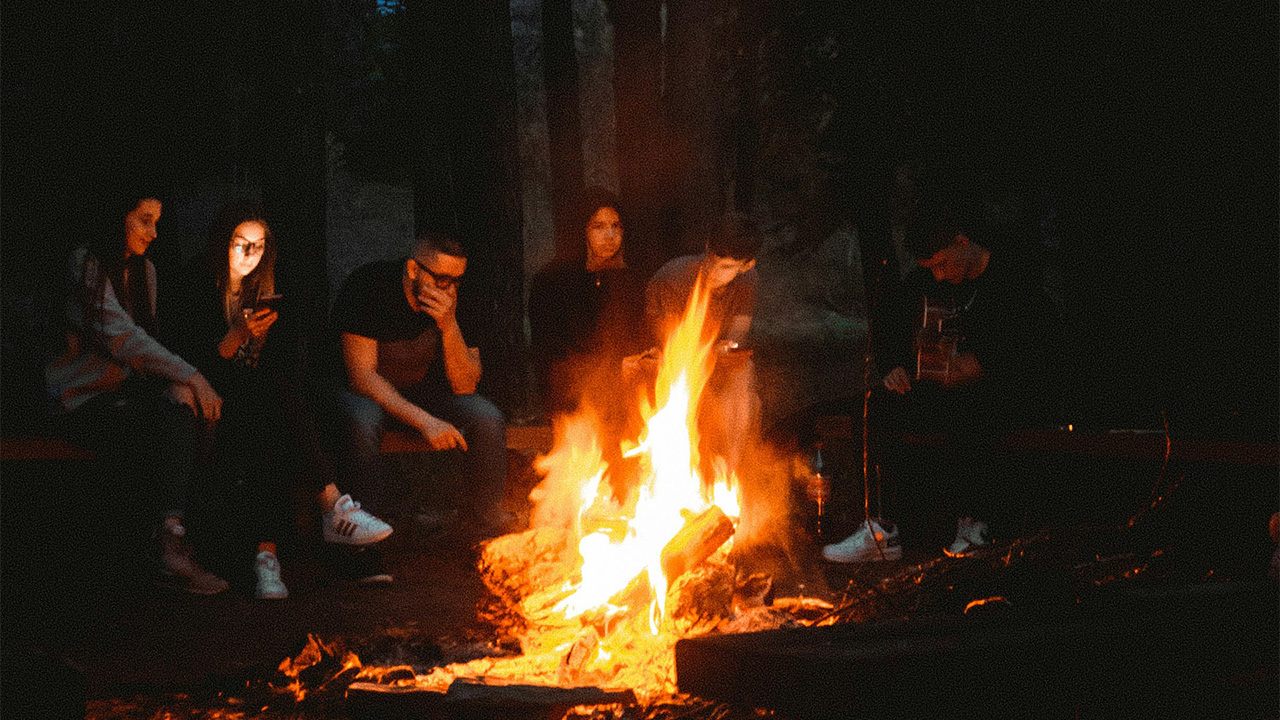
Early in a trip, conversation usually flows. People trade stories, joke around, and build off each other. In a tense camp, that starts to break down. Guys interrupt more, talk louder, and stop really listening.
It doesn’t take long before the whole thing feels like a bunch of separate conversations competing for space. That’s when small irritations stop getting smoothed over and start sticking around. A camp that can’t hold a normal conversation for more than a few minutes is usually drifting toward something worse.
The Cleanup Gets Ignored Completely

Trash builds faster than people expect. Food scraps, packaging, gear wrappers, drink containers—it adds up quickly. In a healthy camp, people deal with it as they go or knock it out before it gets out of hand.
In a messy camp, it just piles up. Now there’s clutter everywhere, smells creeping in, and no one stepping up to handle it. That kind of environment wears on people. It makes everything feel more chaotic, and it tells everyone that standards are slipping across the board.
Someone Keeps Pushing Plans Nobody Else Wants

There’s always one guy who wants to change the plan midstream. New fishing spot, different setup, move camp, try something else, go somewhere “better.” Sometimes it’s fine. Other times it’s constant.
When it keeps happening, it creates friction. People settled into one rhythm don’t want to keep shifting gears for someone else’s idea of a better option. The more it happens, the more it feels like one person is steering the whole group without really checking if anyone else is on board.
Sleep Gets Disrupted for No Good Reason

Camp runs on energy. If people get decent rest, everything else is easier. When sleep gets interrupted—noise, lights, people moving around without thinking—it shows up the next day.
A tired group is a shorter-tempered group. Small annoyances hit harder, patience runs thinner, and people stop giving each other the benefit of the doubt. It doesn’t take much. One bad night can shift the tone of the entire trip.
Tools and Supplies Keep Going Missing
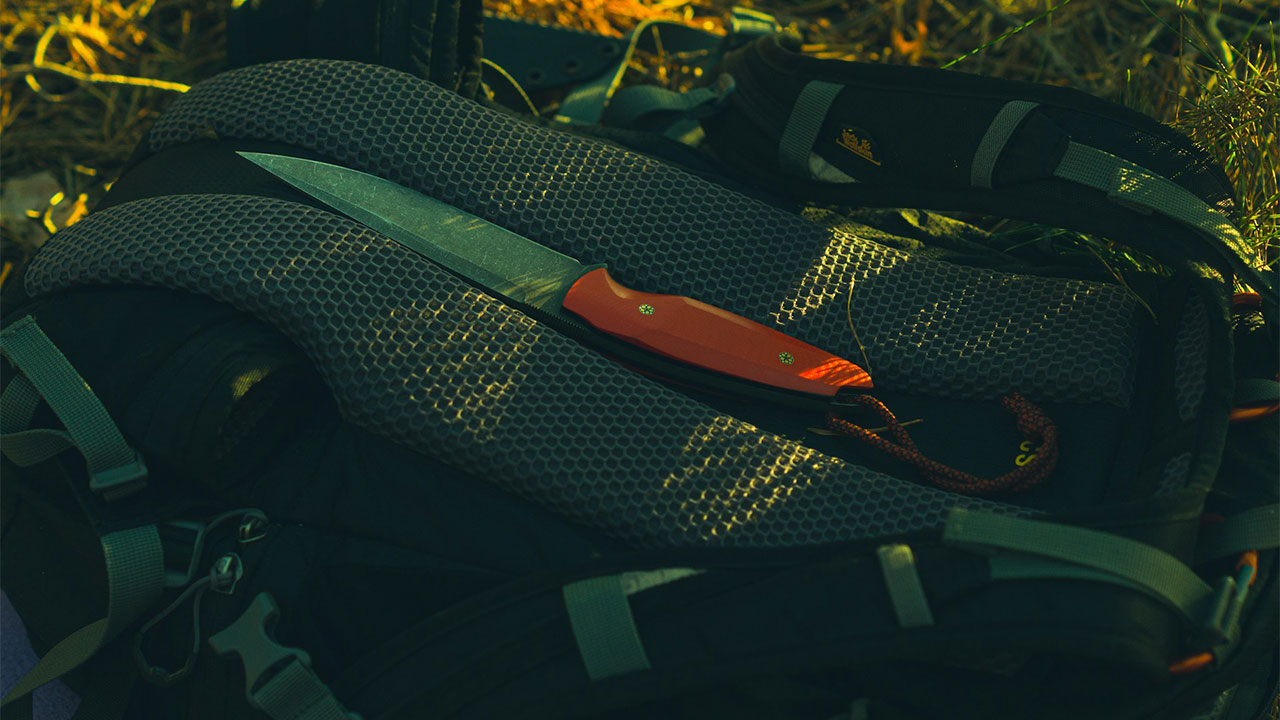
Nothing slows things down like needing something simple and not being able to find it. Knife, lighter, rope, gloves—basic items that should be easy to grab suddenly aren’t where anyone expects them to be.
Now people are stopping what they’re doing to search, ask around, and retrace steps. It breaks momentum and adds frustration. When that happens repeatedly, it starts to feel like nobody has control of their own setup.
One Person Tries to Run Everything
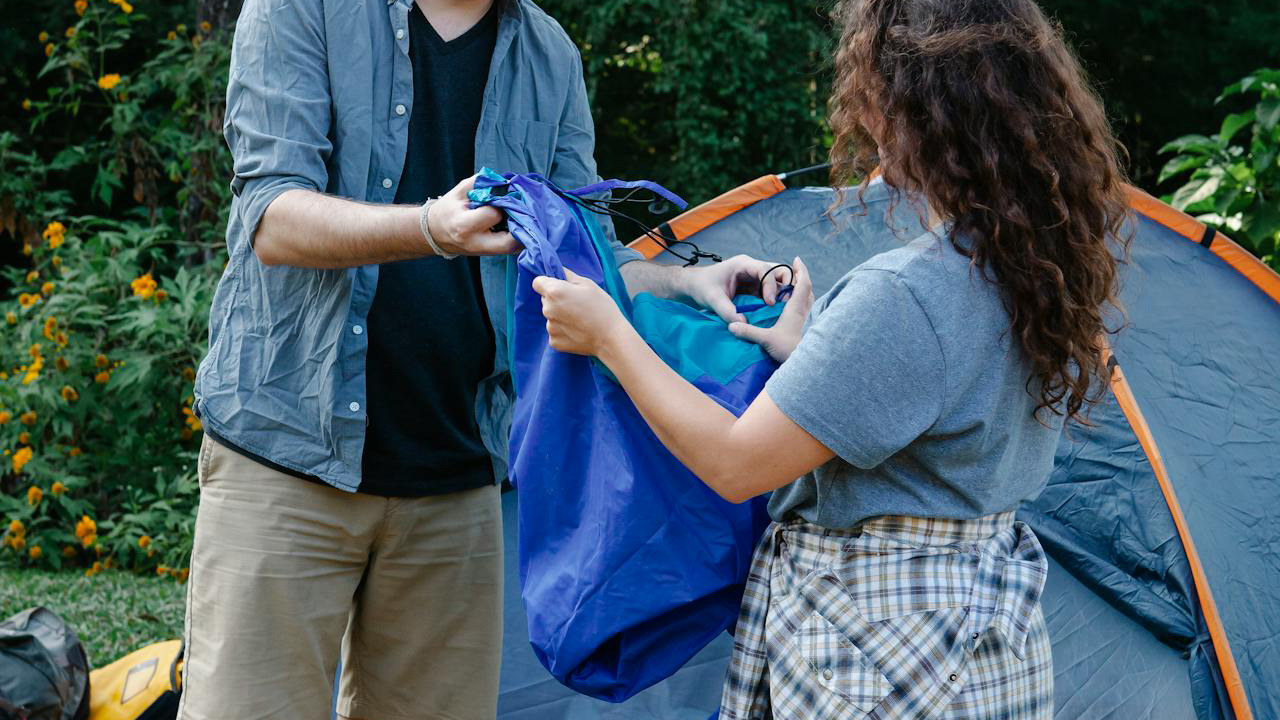
On the flip side, there’s the guy who wants to control every detail. Where things go, how they’re done, who does what. Instead of helping, he’s directing.
That kind of control rubs people the wrong way fast. Most guys don’t mind taking input, but they don’t want to be managed like it’s a job site. Camp works best when people pull together, not when one person tries to orchestrate everything.
The Noise Level Never Settles Down
There’s a time for noise and a time to ease off. In a tense camp, it never really levels out. Someone’s always loud, something’s always going on, and there’s no point where the place actually feels calm.
That constant edge keeps people from relaxing. Even if nothing major is wrong, the lack of downtime makes everything feel more strained than it should.
Small Mistakes Start Getting Called Out Loud

In a good camp, small mistakes get handled quietly or not at all. In a tense one, they start getting pointed out in front of everyone.
That changes everything. Now people feel watched, judged, and defensive. It raises the temperature without solving anything. Once that pattern starts, it’s hard to walk it back.
Nobody Wants to Be the One to Fix It
At the end of the day, most camps drift back to normal because someone steps in and smooths things out. They pick up slack, redirect energy, or just change the tone enough to reset things.
In a camp headed the wrong direction, nobody does that. Everyone sees the issues, but nobody wants to be the one to deal with them. That’s when the whole setup sits right on the edge, waiting for one more bad moment to push it over.
Like The Avid Outdoorsman’s content? Subscribe to our newsletter so you never miss an article.
Here’s more from us: