
Photo credit: NRApubs/YouTube
Glock 23

The Glock 23 was purpose-built for .40, and it shows. While its 9mm counterpart, the Glock 19, is easier to shoot for some, the 23’s snappier recoil actually balances the slide movement better.
In .40, it feels like it’s cycling exactly the way it was designed. Run it with proper grip and you’ll find it tracks straighter than expected—even under fast follow-ups.
SIG Sauer P229

The P229 was originally designed with .40 in mind, not 9mm. Its beefy slide and solid frame soak up recoil without flinching. When you run it in 9mm, it feels a little sluggish and overbuilt.
But feed it .40, and the action smooths out. Timing feels right, recoil impulse is predictable, and it settles quickly for follow-up shots.
Smith & Wesson M&P40

The M&P40’s frame size and recoil spring were tuned for .40. Drop in a 9mm conversion barrel, and it works—but it doesn’t feel quite right. The slide speed is off, and recoil can feel too light to track cleanly.
Stick with .40 and the gun feels more natural. The weight helps manage the snappy recoil, and it settles into a rhythm.
HK USP Compact .40

HK’s USP Compact in .40 was a duty-grade gun made for serious work. The recoil system is tuned for .40’s snap, and it handles it well. Run it in 9mm and it feels underwhelming—like it’s never working up to full stride.
In .40, the gun feels alive. It recoils straight back and returns to target with a steady beat.
Beretta 96A1

The 96A1 is basically a beefed-up version of the classic 92FS. But unlike some other conversions, this one feels more planted in .40. The added weight and slide mass match up with the cartridge.
While the 92 in 9mm is buttery smooth, the 96 in .40 has a purposeful, confident recoil impulse that works well with the gun’s heft.
Springfield XD Service .40

The XD in .40 manages recoil in a way that makes it feel surprisingly controllable. The grip angle and slide weight keep it steady, and .40 gives the gun a snappier rhythm that feels more responsive.
In 9mm, it sometimes feels a bit flat. With .40, everything falls into place—timing, return to target, and overall feedback.
CZ P-07
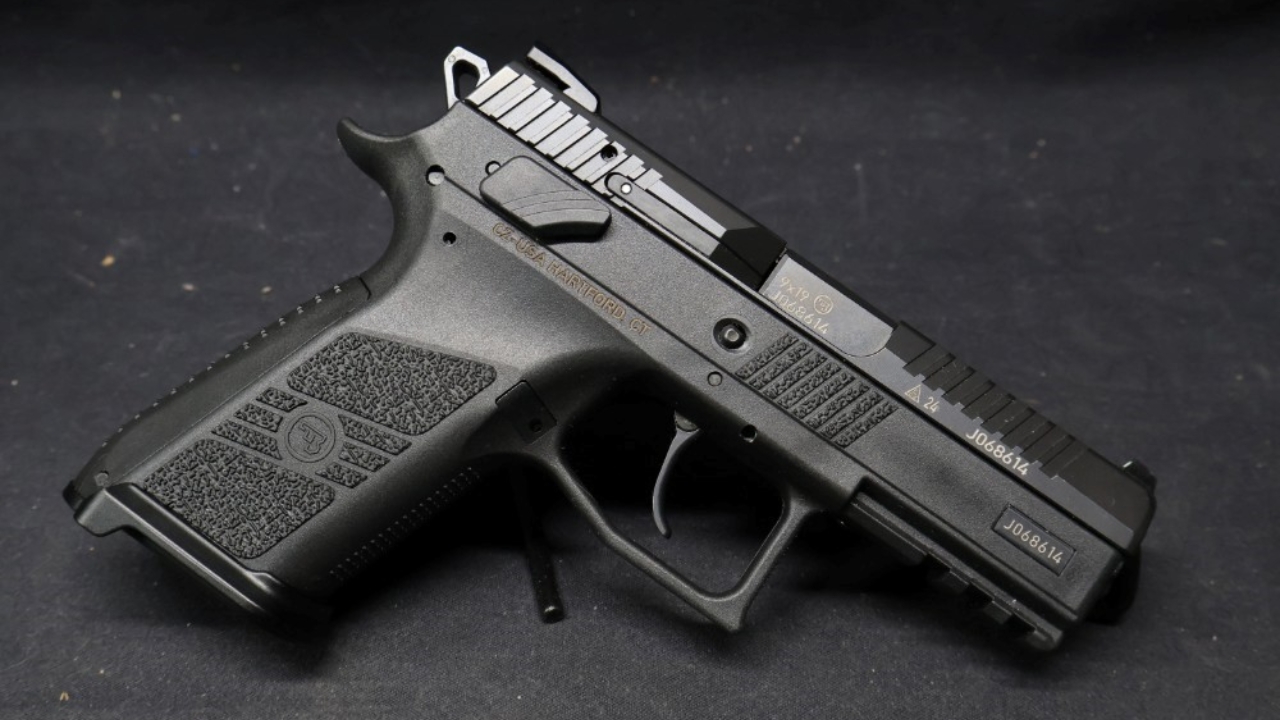
The CZ P-07 is already a solid platform, but in .40 it really comes into its own. The recoil springs and internal slide rails give you a smooth cycle with noticeable but manageable snap.
It feels tighter and more decisive than the 9mm version, which can come off as a little soft or slow in comparison. .40 just seems to suit it better.
FN FNX-40

The FNX-40 has a frame and recoil system that were clearly designed around the .40 S&W. It feels balanced in the hand, and the recoil impulse is direct and manageable.
Run it in 9mm and it loses that edge. It works—but you don’t get the same snappy, locked-in feel that makes the .40 version shine.
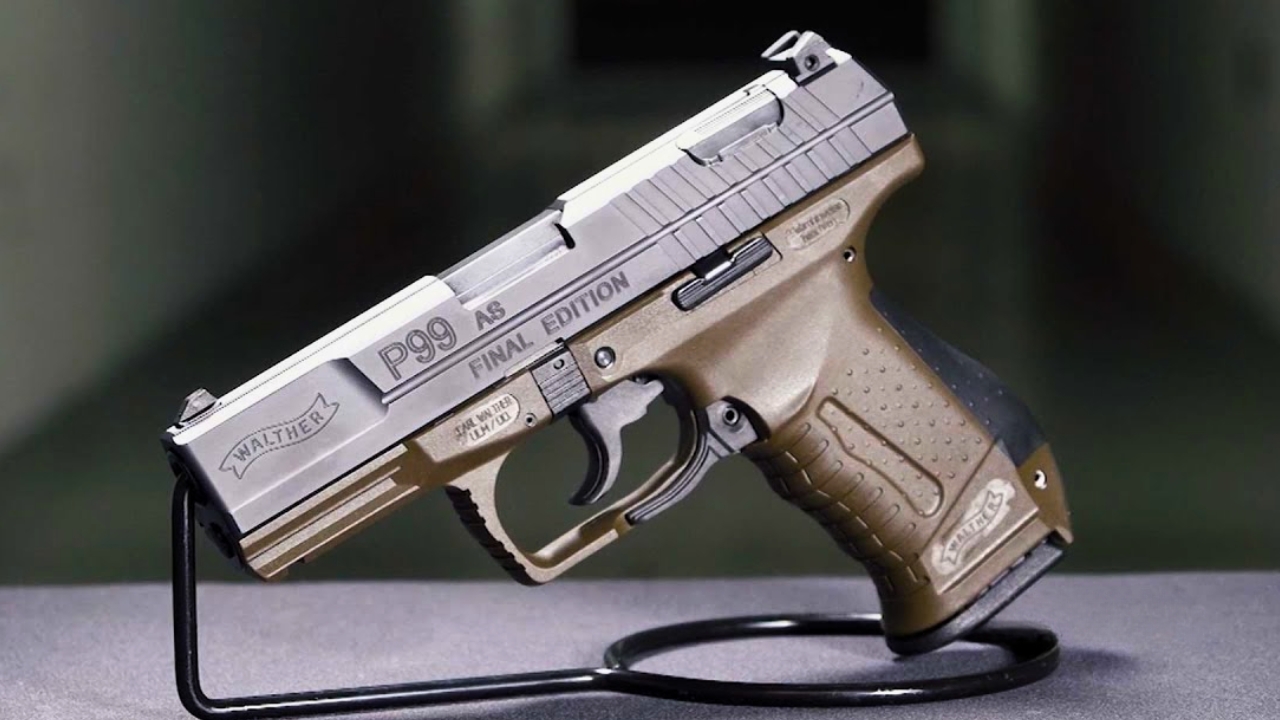
Walther P99 AS

The Walther P99 AS in .40 is one of the few striker-fired pistols where .40 actually feels more tuned than 9mm. The trigger reset and recoil impulse pair up well, making it easy to stay on target.
The gun’s ergonomic grip helps manage the .40’s snappiness, and many shooters find it feels more natural and engaging than the 9mm variant.
Ruger SR40

Ruger’s SR40 isn’t as well-known as other .40s, but it’s surprisingly comfortable to shoot. The slim grip and low bore axis tame the recoil better than you’d expect.
While the SR9 feels decent, the .40 version gives it a bit more presence. It feels like it was made to run hot .40 loads, and it handles them with confidence.
*This article was developed with AI-powered tools and has been carefully reviewed by our editors.


