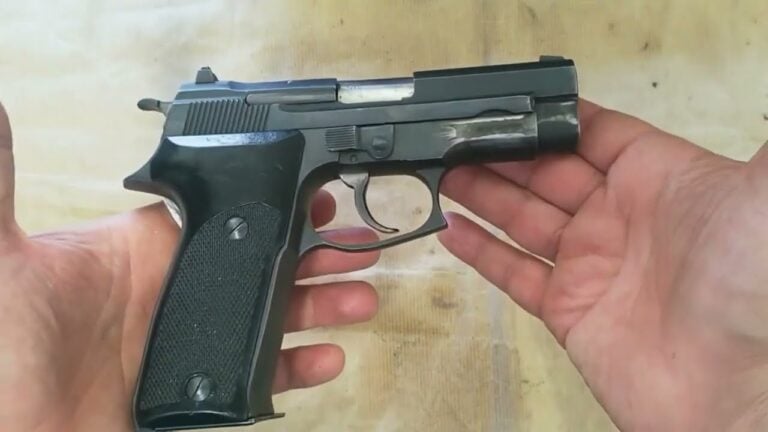
Photo credit: Savage Arms
Ballistics charts have misled more hunters than they’d ever admit. Numbers on a page look tidy, predictable, and absolute, especially when a cartridge shows tight groups in controlled tests and flat trajectories at ideal temperatures. But out in the field, things rarely line up with the marketing sheet. Wind doesn’t care about printed velocity. Barrel length, bullet design, and terrain shift outcomes fast. And some cartridges develop a reputation for being chart-friendly yet field-unreliable once weather, angle, or animal behavior step in.
Hunters with real time behind these rounds know how often the promised performance turns into an unpredictable mess. These cartridges look convincing at a glance but behave differently once you step off the bench and into the woods, canyons, or cold mornings where shots truly matter.
.17 HMR

The .17 HMR looks impressive on paper, especially when you see those flat trajectories and lively velocities at 100 yards. But the moment you introduce wind, the chart and the real world part ways. Even a mild breeze pushes that tiny bullet far enough to miss a shot you’d normally make with confidence. Shooters quickly learn the numbers don’t account for how sensitive the round is to shifting air.
The cartridge also struggles with inconsistent terminal performance on anything bigger than small varmints. While charts highlight its speed, they don’t reflect how the bullet fragments unpredictably on tougher targets. At closer ranges, it’s accurate and fun, but hunting conditions rarely stay controlled long enough for it to behave exactly as advertised. It’s a cartridge that shines under perfect conditions and acts completely different once the wind picks up or shots stretch just a little farther than planned.
.22 Winchester Magnum Rimfire (.22 WMR)

Charts make the .22 WMR look like a meaningful step up from the .22 LR, and in some ways it is. But field results often leave hunters scratching their heads. Velocity drops faster than most expect, and the combination of light bullets and moderate speeds creates inconsistent penetration on real animals. The paper numbers don’t reflect how sensitive the round is to actual body structure and shot angle.
Wind drift also plays a bigger role than advertised. Many shooters assume the added speed keeps it tighter at distance, but in practice, performance varies widely across different ammunition brands. On varmints, it works when placed perfectly, but those ballistics charts hide the fact that shot placement becomes far more important once ranges stretch past 100 yards. It’s a cartridge that looks strong in theory and acts far more temperamental in the field.
.204 Ruger
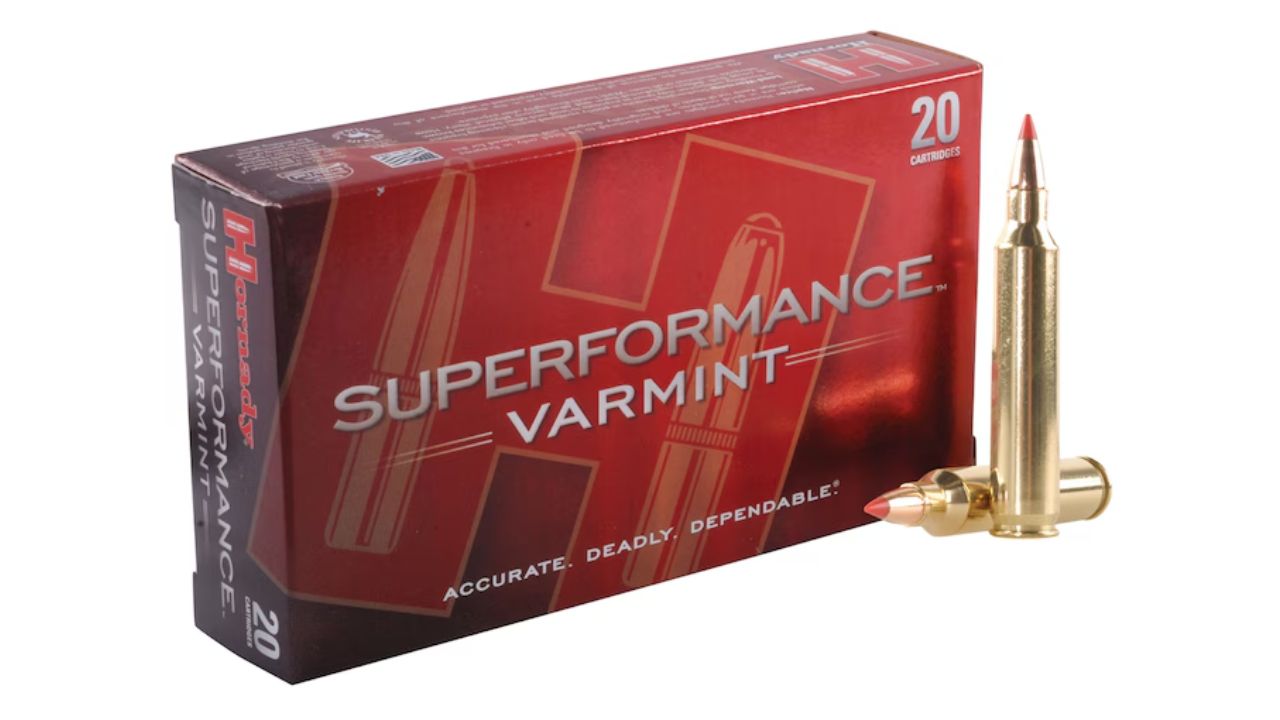
The .204 Ruger earns plenty of attention for its velocity and long-range potential. Ballistic charts highlight how flat it flies, and it truly does stay quick out to distance. But where things fall apart is its wind sensitivity. That light, fast bullet gets pushed far more than many hunters expect, and real-world groups don’t match the tidy numbers printed in catalogs.
The cartridge also has a reputation for mixed terminal performance on coyotes. Charts emphasize velocity but say little about how certain bullets pencil through or fragment inconsistently. In calm conditions, the .204 can be an excellent performer, but in real hunting environments—especially open terrain—the cartridge doesn’t behave as predictably as its impressive specs suggest. It’s a round that rewards perfect conditions and punishes everything else.
.223 Remington (on deer)

The .223 Remington sells itself well on charts. Modern bullets show controlled expansion, and velocity numbers look strong from longer barrels. But once you trade the range bench for real whitetail country, the cartridge becomes far more situational. Shot angles, brush, and slight deflections change outcomes dramatically, which is something the charts never reveal.
Even with premium bullets, impact performance varies across deer-sized game, especially when distances push past 150 yards or when shots aren’t perfect. Hunters with experience understand how narrow the margin is compared to larger, more forgiving cartridges. The .223 works in the right hands, but the real world exposes its limitations fast. If you trust only the ballistics sheet, you end up expecting more than the cartridge consistently delivers.
.22-250 Remington

The .22-250 Remington prints impressive velocity numbers that make it look unstoppable at distance. And on paper, it carries enough energy and speed to maintain a razor-flat trajectory. But field use reveals a different story. Those light bullets behave unpredictably in shifting wind, and long shots demand near-perfect judgment to land properly.
The round also struggles with inconsistent terminal behavior on coyotes and similar game. While charts highlight high impact speeds, they don’t explain how quickly certain bullets blow up or fragment on contact. Some loads perform beautifully, while others underperform, making real-world performance far less predictable than the numbers suggest. The cartridge remains popular, but experienced hunters know it’s far more finicky than its stats imply.
.243 Winchester (with light bullets)

Ballistics charts make the .243 Winchester look like a do-it-all round when loaded with light bullets, but field results tell another story. Those lighter projectiles lose energy quickly, drift heavily in wind, and produce unpredictable penetration on deer-sized game. Paper data hides how drastically bullet construction affects real-world results.
Hunters who rely on light .243 loads often see wide performance swings depending on angle and distance. Shots that look manageable on charts can disappoint when the bullet doesn’t hold together. The cartridge works beautifully with heavier, well-constructed bullets, but in the lightweight category, its real-world reliability falls short of the expectations the charts create.
.30 Carbine

The .30 Carbine’s ballistics suggest mid-level performance, showing enough velocity and energy to appear capable for defensive or close-range hunting roles. But real-world use exposes its limitations quickly. The round loses speed fast, struggles with penetration on tougher animals, and behaves inconsistently depending on barrel length and bullet choice.
Charts rarely reflect how marginal the cartridge becomes beyond short ranges. Terminal performance varies widely, and even controlled conditions reveal a noticeable drop in effectiveness compared to larger intermediate-caliber rounds. It’s a cartridge that has historical significance and specific applications, but performs far below what the charts suggest in dynamic field environments.
7.62×39mm (hunting ammunition)

Charts show the 7.62×39mm offering energy similar to older deer cartridges, leading many to assume it performs reliably on game. In practice, its ballistics don’t translate cleanly to the field. Drop becomes significant, wind drift is more pronounced than advertised, and terminal performance varies by ammunition type more than most hunters realize.
Soft-point loads can work well at short ranges, but performance falls off quickly as distance increases. Many hunters underestimate how quickly velocity drops from shorter barrels commonly used in these rifles. The cartridge remains useful, but charts dramatically oversell its consistency on real animals in real terrain.
.300 Blackout (supersonic)
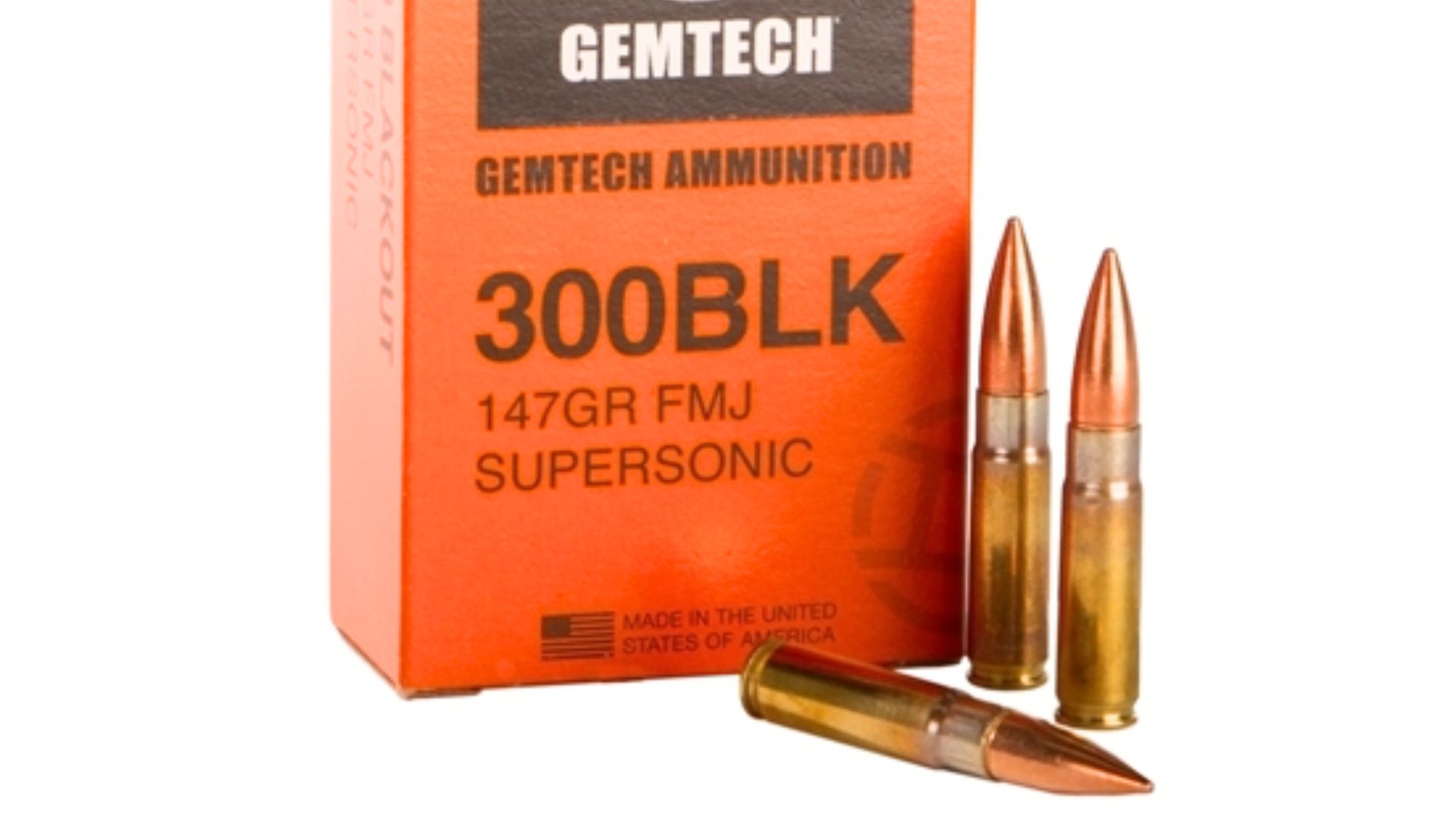
The .300 Blackout’s supersonic loads look promising on charts, offering good energy at moderate ranges. But in the field, the cartridge becomes highly dependent on shot placement and bullet selection. At 150 yards and beyond, both velocity and expansion consistency drop more quickly than the ballistics tables indicate.
Many shooters also overlook how barrel length affects performance. In shorter tactical barrels, real-world velocities rarely match printed data, altering both drop and terminal behavior. The cartridge excels in specialized applications, but its hunting performance often falls short of what shooters expect when relying only on charts.
.300 Blackout (subsonic)

Subsonic .300 Blackout numbers look respectable at close range, especially with heavy bullets. But real-world impact performance remains limited. Expansion is inconsistent across many loads, and penetration varies widely depending on bullet design. Charts don’t show how sensitive the round is to angle, clothing, bone, or vegetation.
Real field use often reveals underwhelming lethality on medium game. While the cartridge is excellent for suppressed shooting, hunters quickly learn that subsonics behave very differently from what the tidy energy figures imply. It’s a round that must be used carefully and at very close distances—not something ballistics tables communicate clearly.
.350 Legend

On paper, the .350 Legend appears to offer an ideal blend of mild recoil and strong terminal performance in straight-wall states. But the field results can feel uneven. Velocity varies significantly depending on barrel length, and many loads show less consistency than the charts suggest.
Hunters often report unpredictable expansion at longer distances, especially with lightweight bullets. Even though the cartridge is marketed as a flatter-shooting option, drop becomes noticeable sooner than many expect. The .350 Legend is effective inside its window, but the numbers make it seem more versatile than it truly is once real shots and real animals are involved.
6.5 Grendel

The 6.5 Grendel’s charts show excellent long-range capability and strong energy retention. But real-world performance depends heavily on barrel length and bullet choice. Short barrels dramatically alter velocity, changing both trajectory and terminal behavior. Many shooters underestimate how much performance they sacrifice when running compact rifles.
Wind drift also affects the Grendel more than expected. While charts highlight efficient bullets, real-world conditions expose how difficult long shots become without perfect estimation. The cartridge shines in controlled scenarios, but the field punishes small miscalculations quickly. It’s a capable round, but less forgiving than its numbers imply.
6.8 SPC

The 6.8 SPC presents strong ballistics on paper, showing improvements over the .223 Remington in energy and terminal performance. But the real world reveals inconsistent results across different loads and chamber specifications. Early variations continue to muddy expectations today.
Actual velocities often lag behind published data, especially in shorter barrels where many shooters run the cartridge. Wind and drop also become issues faster than charts suggest. It’s a useful option in certain setups, but long-time users know its field behavior rarely matches the optimistic numbers on paper.
5.45×39mm

Ballistics charts portray the 5.45×39mm as flat-shooting, efficient, and mild in recoil. While all of that is true, the cartridge’s field performance varies dramatically depending on ammunition type. Many imported loads use inconsistent bullet construction, leading to erratic fragmentation and unpredictable terminal effect. Charts don’t reveal how much variation exists between manufacturers.
The light bullet also suffers in wind more than expected. Shooters transitioning from the range to open terrain quickly notice how far the point of impact shifts with even mild gusts. The 5.45 remains fun and capable, but real-world results rarely mirror the clean trajectory lines on a printed chart.
Like The Avid Outdoorsman’s content? Be sure to follow us.
Here’s more from us: