Photo credit: Den4is/Shutterstock.com
Every hunter’s owned a rifle that teaches them something — usually patience they didn’t plan on learning. You start with optimism, thinking a few tweaks or ammo changes will turn it around, but by the end of the season, you’re practicing self-control more than marksmanship. Some rifles take forever to settle into a group, some fight every adjustment you make, and others require rituals to keep them running smoothly. These aren’t rifles you bond with right away. They’re the ones that make you earn every inch of reliability or accuracy they finally give up. Here are the rifles that test your patience, your temper, and your tolerance for guns that refuse to make anything easy.
Remington 742 Woodsmaster
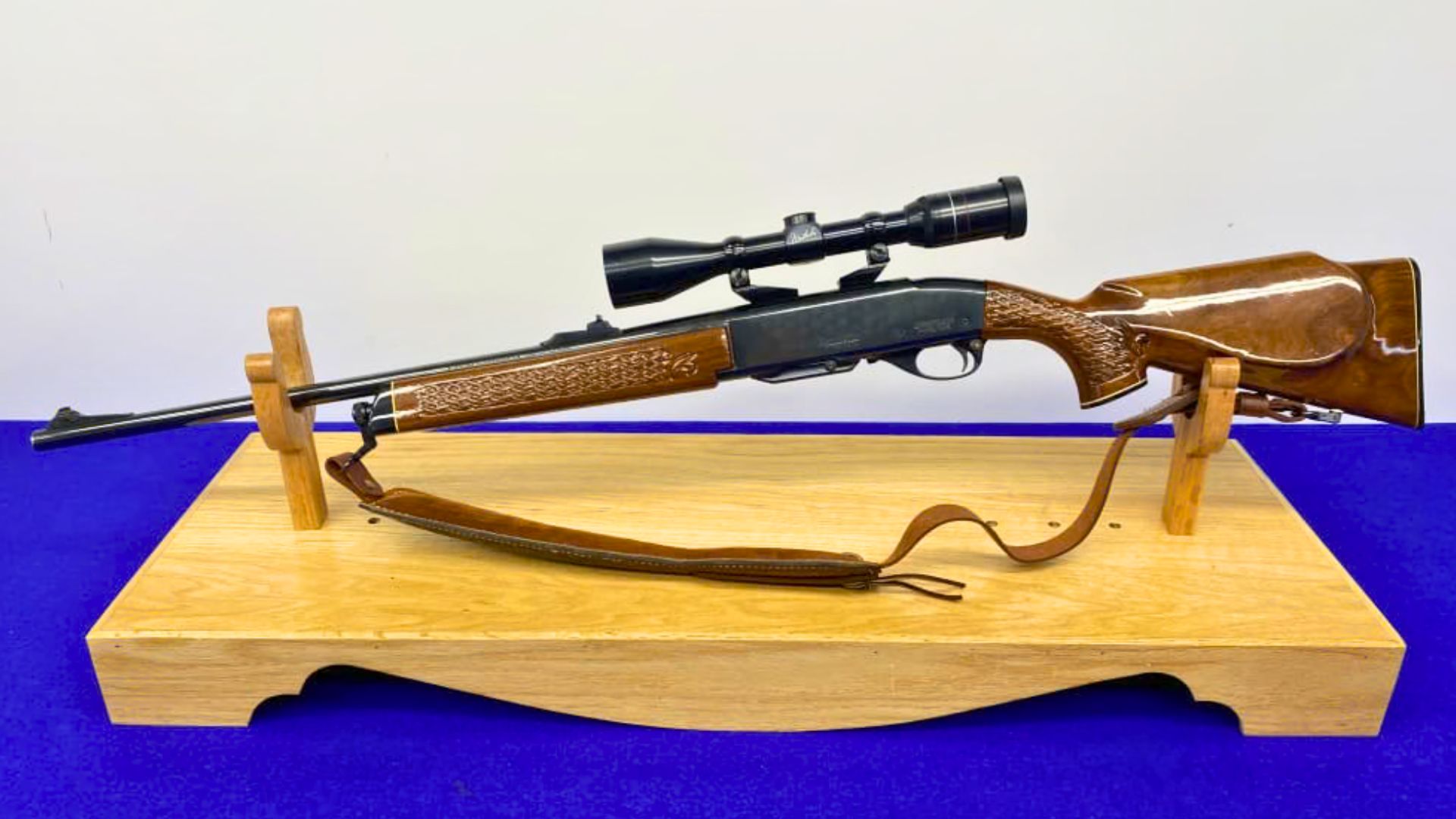
If you’ve ever hunted with a Remington 742, you already know the frustration. It cycles like it has a mind of its own — smooth one trip, jammed the next. The semi-auto design fouls quickly, and the chamber tolerances are tight enough that a little grime can lock it up solid. Cleaning helps, but it never stays consistent for long.
The worst part is how unpredictable it can be. Some rifles feed fine for years, others barely make it through a box of ammo without hanging up. You’ll spend more time keeping it spotless than actually shooting it, and when it does jam in the woods, you’ll swear you can feel it smirking.
Ruger Mini-14

The Mini-14 looks reliable, feels reliable, and then reminds you it’s not an AR-15. Accuracy can shift dramatically depending on barrel temperature, and early models were notorious for turning tight groups into patterns that look like you sneezed mid-shot. You’ll spend hours trying different loads, scopes, and rests before accepting it’s happiest inside 100 yards.
The rifle runs fine — it’s the consistency that wears you down. One group will give you hope, the next will make you question physics. It’s the kind of rifle that keeps you humble and always searching for that “magic” ammo that actually prints straight.
Remington 770

If you ever wanted a rifle that reminds you why bedding and machining matter, the 770 is that lesson in steel and plastic. The bolt feels gritty right out of the box, and accuracy drifts no matter how carefully you zero it. Some rifles shoot okay with a specific load, but even then, you’re only one hot barrel away from frustration.
Most hunters give it an honest try before losing patience. It’s not that it’s completely unusable — it’s that it makes you work far too hard for average performance. The 770 doesn’t just test your patience; it slowly conditions you to check every screw, clean every inch, and hope for the best each time.
Browning BLR Lightweight

The Browning BLR is a lever gun that wants to be loved but makes you work for it. Between the tight tolerances, complex lever linkage, and sensitivity to dirt, you quickly realize it’s not the rugged brush gun you hoped for. It can be accurate, but you’ll have to clean it often and feed it ammunition it actually likes.
The detachable magazine helps in theory, but the feeding system can be temperamental with pointed bullets or cheap brass. By the end of a long season, you either figure out how to make it behave or you swear off levers for good. It’s beautiful, but it’ll try your patience every step of the way.
Savage 110 Ultralite

The Savage 110 Ultralite promises mountain precision in a featherweight package, but that light barrel is both its strength and weakness. It heats up fast, and as soon as it does, your tight groups start walking. If you rush your shots, you’ll chase your zero all day.
Cleaning and cooling cycles become part of your shooting rhythm whether you like it or not. When it’s cold, the rifle shoots lights-out, but push it too fast, and you’ll be reminded why ultralight barrels aren’t for impatient shooters. It’s a great rifle once you learn to slow down — emphasis on “learn.”
Remington 7420 (Custom Variants)
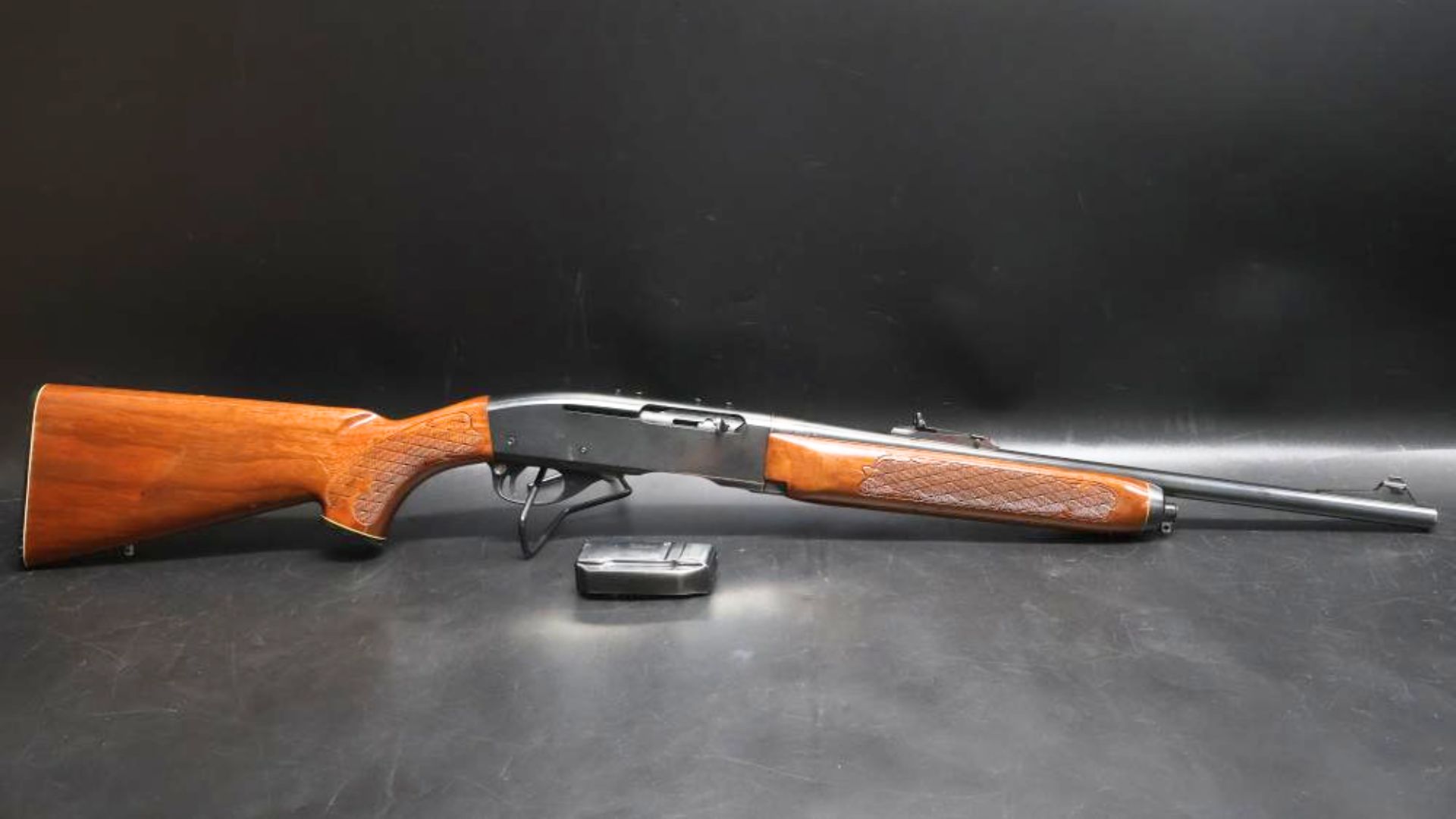
Custom reworks of old Remington semi-autos seem like a great idea until you realize they inherit every bad habit from the originals. The action timing is picky, brass deformation is common, and trying to tune one feels like chasing a ghost. Even with a gunsmith’s help, reliability remains hit-or-miss.
If you do manage to get one cycling smoothly, it’ll still punish you with tight cleaning intervals and finicky magazines. They’re rifles you want to love — they balance beautifully and handle well — but they make you pay for every ounce of performance you squeeze out of them.
Weatherby Vanguard Synthetic

Weatherby’s Vanguard Synthetic rifles look sturdy, but some models, especially older ones, have a stock fit that causes wandering accuracy. A few screws too loose or too tight, and your zero shifts overnight. Even humidity can tweak the stock just enough to throw shots wide.
You’ll spend time shimming, bedding, and retorquing between every hunt until you finally get it dialed. Once it’s there, it’s a solid performer — but the process tests every ounce of your patience. It’s the kind of rifle that teaches you to bring tools to camp “just in case.”
Winchester Model 70 (Post-64 push-feed models)

The post-64 push-feed Winchester 70s had a rough patch that taught many hunters the value of good machining. Some actions were gritty, some had sloppy bedding, and others just wouldn’t shoot straight until they were worked over by a gunsmith.
Once they’re tuned, they’re fine rifles, but most hunters ran out of patience before getting that far. When every shot feels like a gamble, and groups move like a weather vane, you either stick with it or start browsing for something that doesn’t require a relationship counselor. It’s a rifle that humbles you before it helps you.
Mossberg Patriot

The Mossberg Patriot wants to be a budget winner, but its ultralight stock and pencil barrel make consistency hard to find. One box of ammo shoots great, the next looks like you missed the paper. You can’t rush your shots, and you definitely can’t lean hard on the rest — even a little pressure on the fore-end can ruin a group.
It’ll make you second-guess your technique, your scope, and even your ammo before you realize it’s the rifle all along. Once you learn to shoot it slow and steady, it’ll cooperate. But it’s a learning curve few want to climb twice.
Remington 783
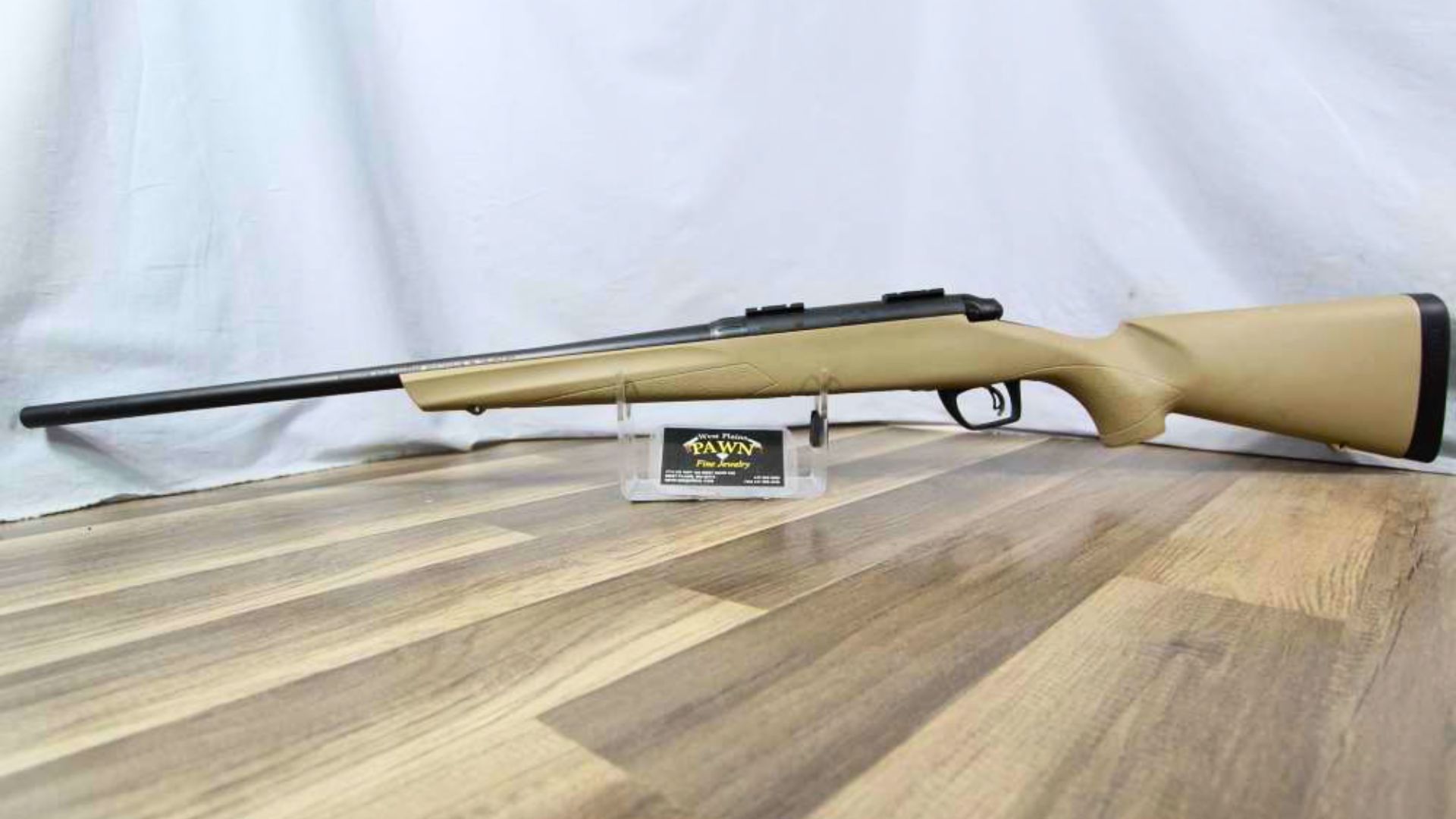
The 783 isn’t a bad rifle — it’s an inconsistent one. Some shoot great, others can’t hold a group with factory ammo no matter what you try. The trigger is decent, but the stock bedding can vary so much that even tightening screws feels like a guessing game.
When it’s good, it’s surprisingly accurate. When it’s bad, you’ll spend hours wondering why your point of impact drifts every few rounds. It’s the kind of rifle that forces you to slow down, recheck torque settings, and remind yourself that patience is cheaper than replacing another stock.
Ruger Gunsite Scout
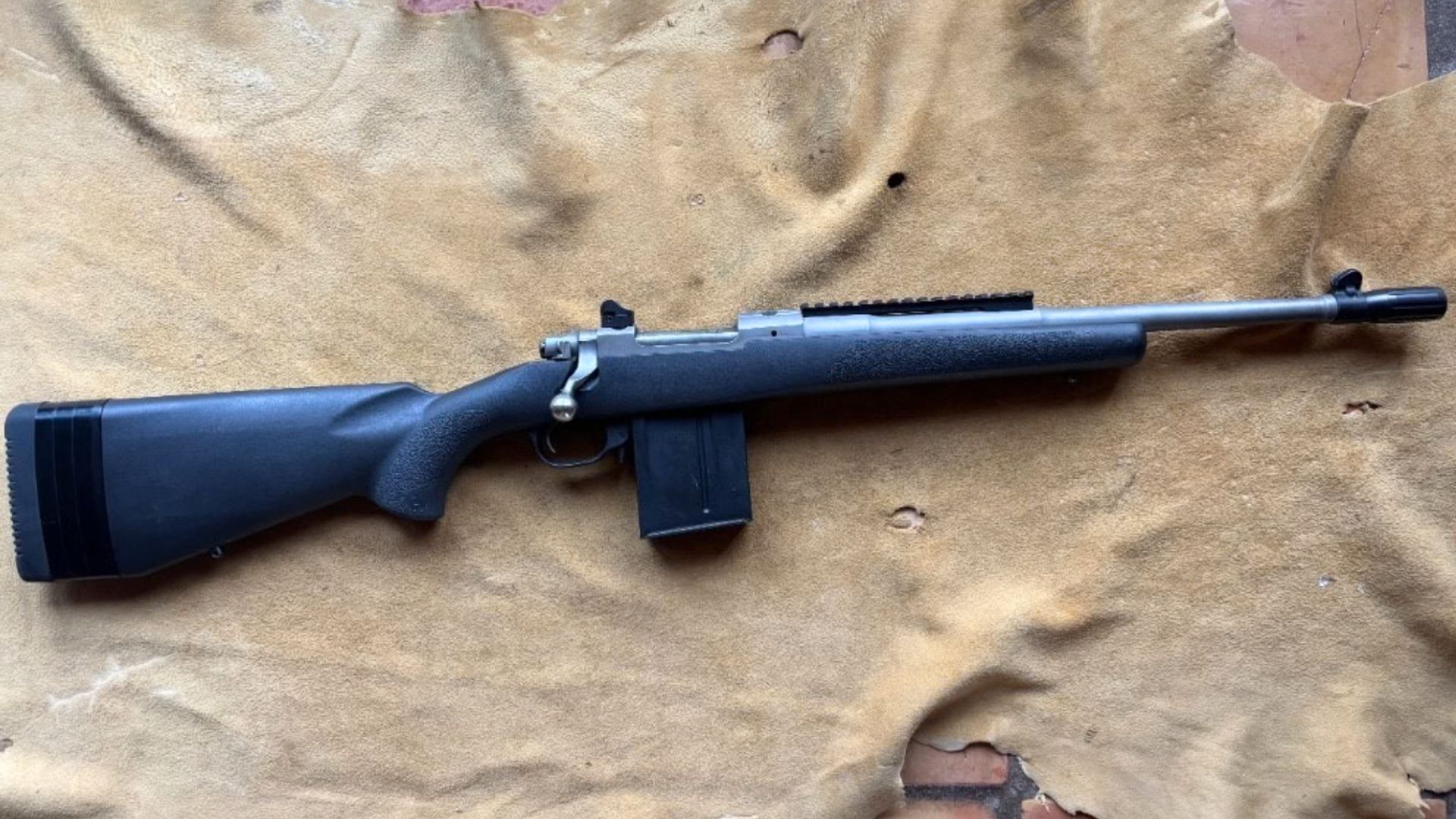
The Ruger Gunsite Scout looks like a practical field rifle, but it’s a balancing act that takes time to master. Between the short barrel, heavy recoil impulse, and forward-mounted optics, it’s easy to shoot inconsistently until you find the right setup.
The rifle can be accurate, but only if you experiment with optics placement, ammo, and shooting stance. It rewards patience and punishes haste. Most hunters who stick with it eventually come to love it, but that road usually involves a few long days at the range wondering why the groups won’t settle down. It’s a teacher — whether you wanted the lesson or not.
Like The Avid Outdoorsman’s content? Be sure to follow us.
Here’s more from us:
The worst deer rifles money can buy
Sidearms That Belong in the Safe — Not Your Belt
*This article was developed with AI-powered tools and has been carefully reviewed by our editors.