
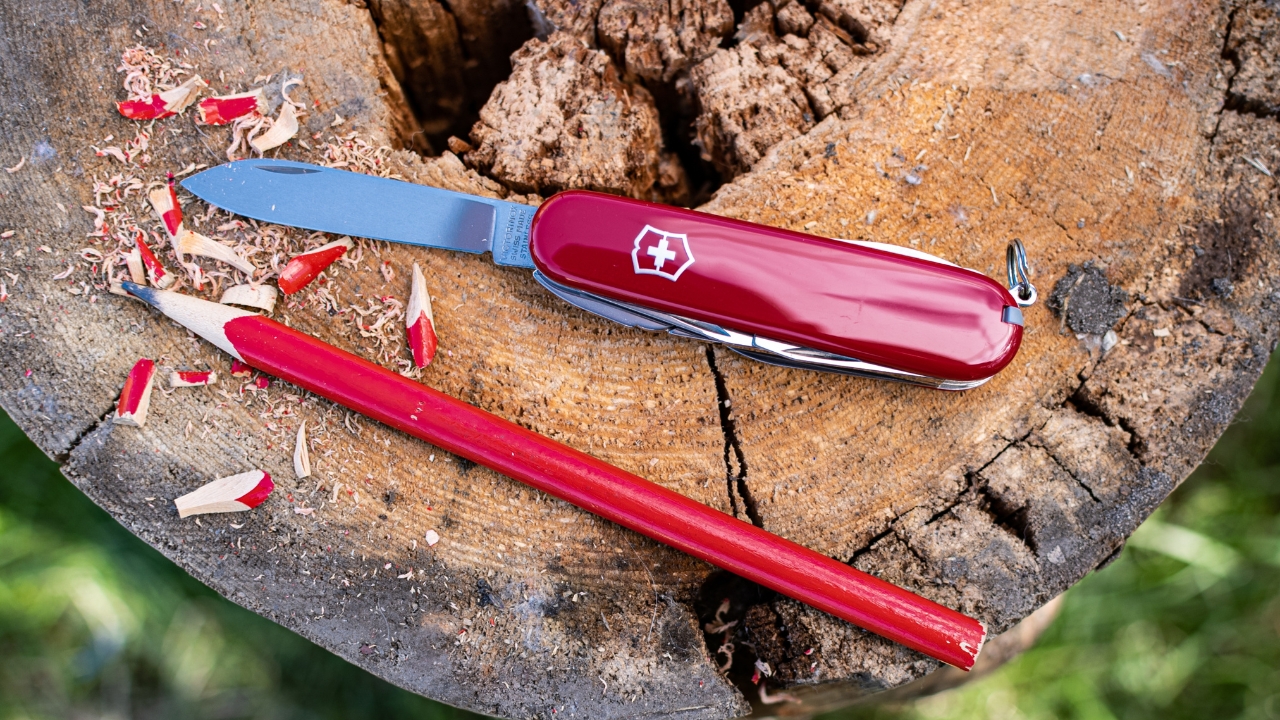
Image Credit: Kosoff/Shutterstock.com
A good knife will outlast the truck you’re driving—if you treat it right. But even the best steel out there won’t hold up if you keep making the same dumb mistakes. Most of us learn the hard way, whether it’s snapping a tip prying something open or letting a favorite blade rust out in a tackle box.
If you use knives, you need to know how not to ruin them. So here’s the stuff that’ll wreck a blade faster than you think—and what to do instead.
Using the Wrong Knife for the Job

Your EDC folder isn’t made to baton firewood, and your big Bowie isn’t a fillet knife. Pushing a blade to do something it was never built for is a quick way to damage it. Steel might be tough, but it’s not invincible.
Take two seconds to ask yourself if that’s the right tool before digging in. It’s better to carry more than one knife than to trash your favorite one trying to make it something it’s not.
Ignoring Basic Maintenance
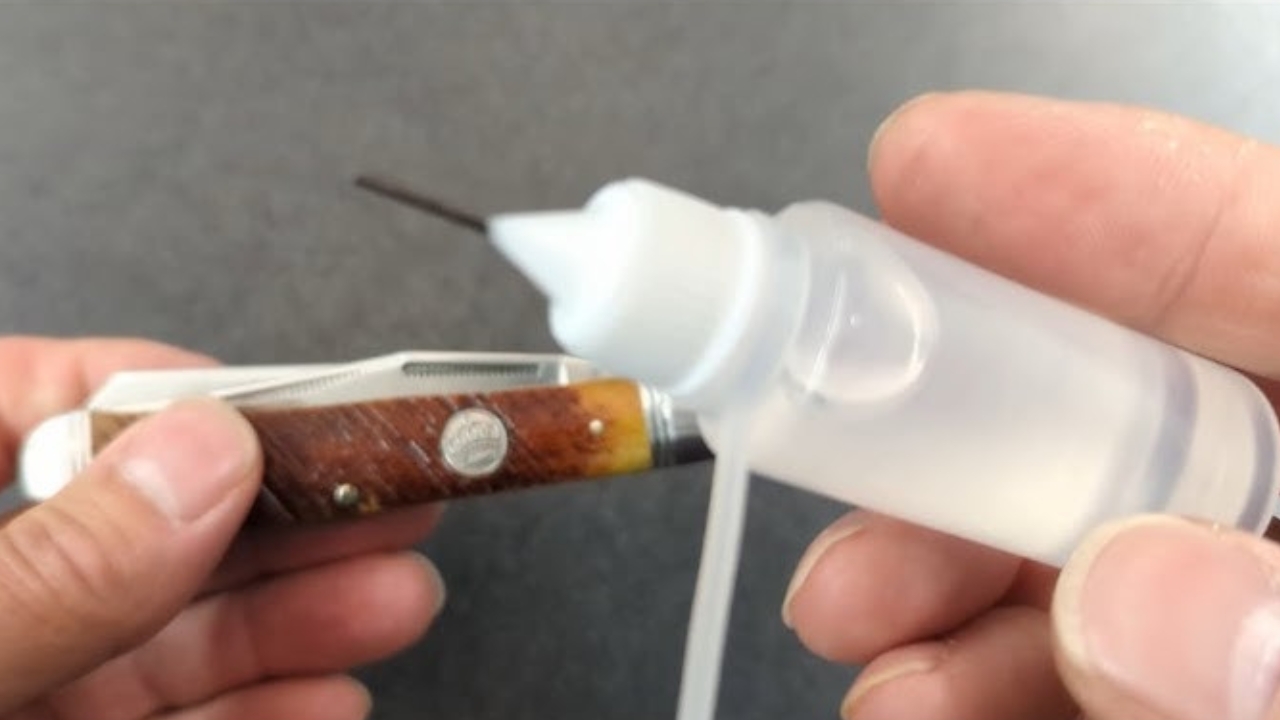
A knife that never gets cleaned or oiled is a knife that’s headed for trouble. Dirt, moisture, and even pocket lint can work their way into the pivot or onto the blade and start eating away at it.
It doesn’t take much—just wipe it down after use and keep a small bottle of oil on hand. A little upkeep goes a long way in keeping your blade working smooth and looking clean.
Over-Sharpening the Edge

Sharpening too often—or with the wrong technique—can take years off a knife. Every pass on a stone takes away steel, and once that’s gone, it’s gone. Worse, poor sharpening can leave a brittle edge that chips out when you need it most.
Use a guide if you’re unsure, and only sharpen when it actually needs it. Honing and stropping can keep your edge in shape between full touch-ups.
Letting It Go Dull

On the flip side, waiting until your knife is completely dull before sharpening it is another big mistake. A dull knife requires more force, which means more risk of slipping, rolling the edge, or damaging the tip.
Touch up your edge when it starts to lose bite. You’ll work less and your blade will last longer. Sharp knives are safer—and way more satisfying to use.
Storing It Wet

Putting a knife away wet—especially one with a carbon steel blade—is a fast-track to rust. And not the kind that wipes off, either. Once rust pits start forming, that edge won’t ever be the same.
Dry it off. Wipe on a little oil if it’s going to sit for a while. Doesn’t matter if it’s a camp knife or your backup in the truck—treat ’em all the same.
Using It as a Pry Bar

We’ve all been tempted to dig, twist, or pry something open with the tip of a blade. Problem is, that’s one of the easiest ways to snap or bend it. Once that tip is gone, it’s nearly impossible to fix right.
If you wouldn’t do it with a screwdriver, don’t do it with your knife. Keep a real pry tool handy if you know you’re gonna need one.
Choosing Flash Over Function

It’s easy to get pulled into tactical blades with crazy shapes or finishes, but half of those designs aren’t practical. If it doesn’t fit your hand or do what you need it to, it’s just dead weight on your belt.
Stick with knives that are proven and comfortable. You’ll find yourself using them more—and trusting them when it counts.
Using a Dull or Cheap Sharpener

Not all sharpeners are created equal. Cheap pull-through sharpeners can do more damage than good, especially on high-end blades. They tend to eat up steel fast and don’t give you much control over your angle.
Invest in a decent sharpening system. It’s worth the time and money if you care about your blades. You don’t need the fanciest setup—just one that actually works.
Abusing the Locking Mechanism

If you’re rough with your folder—flicking it open hard, snapping it closed, or using it to baton—you’re putting strain on that lock. When it fails, it won’t be in a convenient moment.
Treat your folder like the precision tool it is. And if you need to beat on something? That’s what a fixed blade is for.
Forgetting About the Sheath

A beat-up, loose, or dirty sheath can ruin a good knife. Grit inside the sheath scratches the blade, and a loose fit means you could lose it without noticing. Leather sheaths can even trap moisture if not cared for.
Keep your sheath clean and tight. Check the fit once in a while, and don’t ignore wear and tear. A good knife deserves a sheath that holds up.
*This article was developed with AI-powered tools and has been carefully reviewed by our editors.


