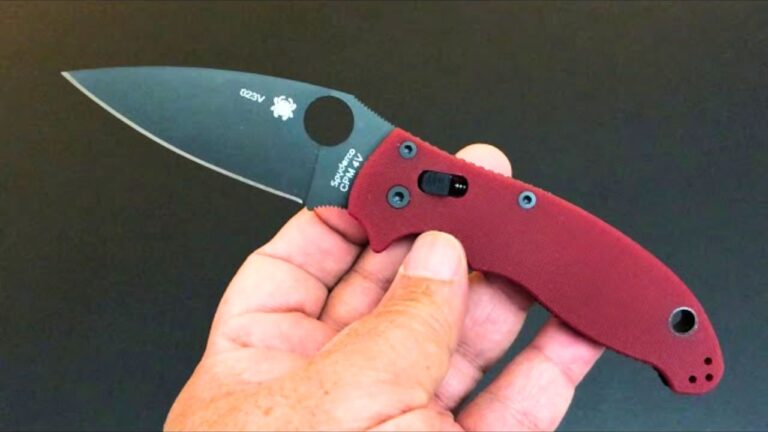
Photo credit: Nordic Knives
Most people walk past “ordinary-looking” pocket knives because they’re not flashy, they’re not expensive new, and they don’t come with a hot story. Collectors see a different picture. They’re looking at tang stamps, pattern numbers, shield shapes, handle materials, factory grinds, and the little production quirks that only showed up for a short window. That’s why the money is rarely in the biggest, baddest knife in the case. It’s usually in the one that looks like a grandpa knife—until you know what you’re holding.
If you want to understand what drives chase and price, it comes down to condition and correctness. Clean blades with full stamps, tight walk-and-talk, original handles, and period-correct parts matter. Add a scarce variation, an early stamp, or the right packaging, and the knives most folks ignore become the knives collectors quietly pursue.
Remington UMC R1123 Bullet Knife
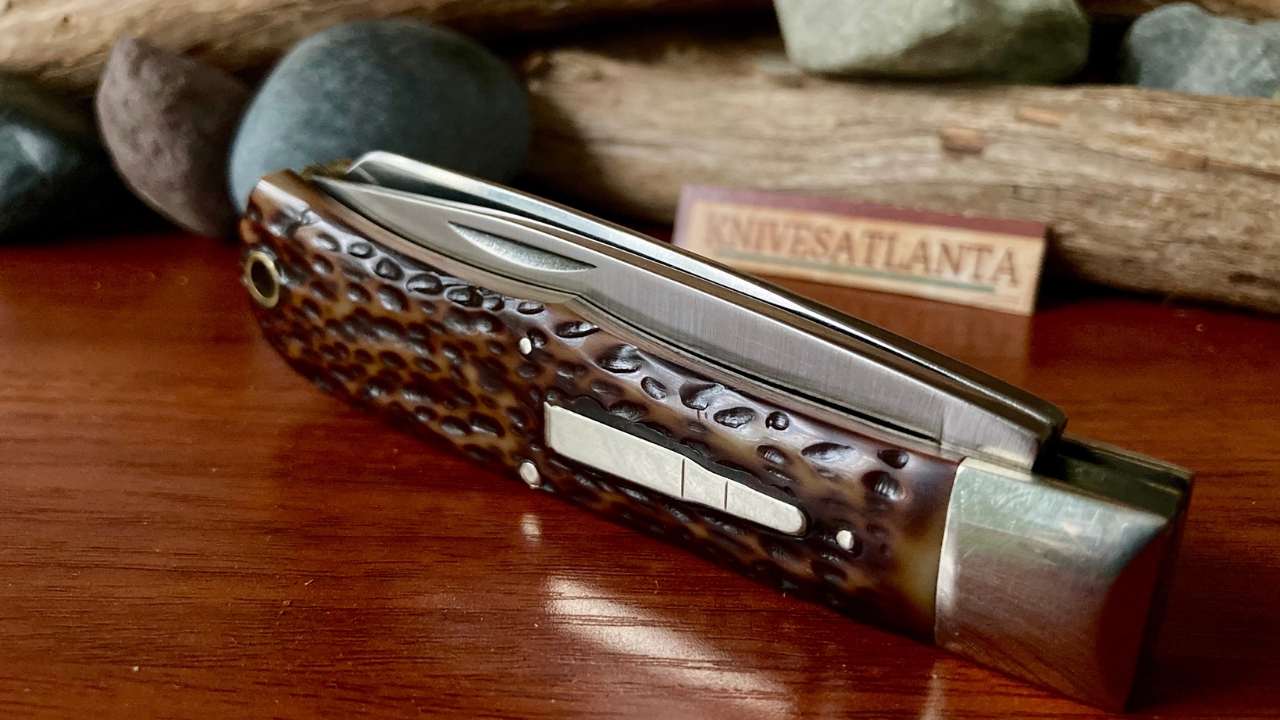
A Remington UMC R1123 Bullet Knife can sit in a display case looking like a worn old pocketknife, and people still walk right past it. Collectors don’t. They’re checking the Remington UMC tang stamp, the pattern stamp, and the overall condition of the blades and bolsters. The “bullet” nickname comes from the handle shape and profile, and it’s one of those patterns that has a strong following without needing to be loud.
What drives price is originality. Factory finish, unsharpened blades, tight springs, and correct handles matter a lot. Replacement parts and heavy polishing can crush value. If it has the right box or paperwork, it becomes a different conversation entirely. These are knives that look “basic” until you realize how hard it is to find a clean one that hasn’t been messed with.
Robeson ShurEdge 622181 Jack
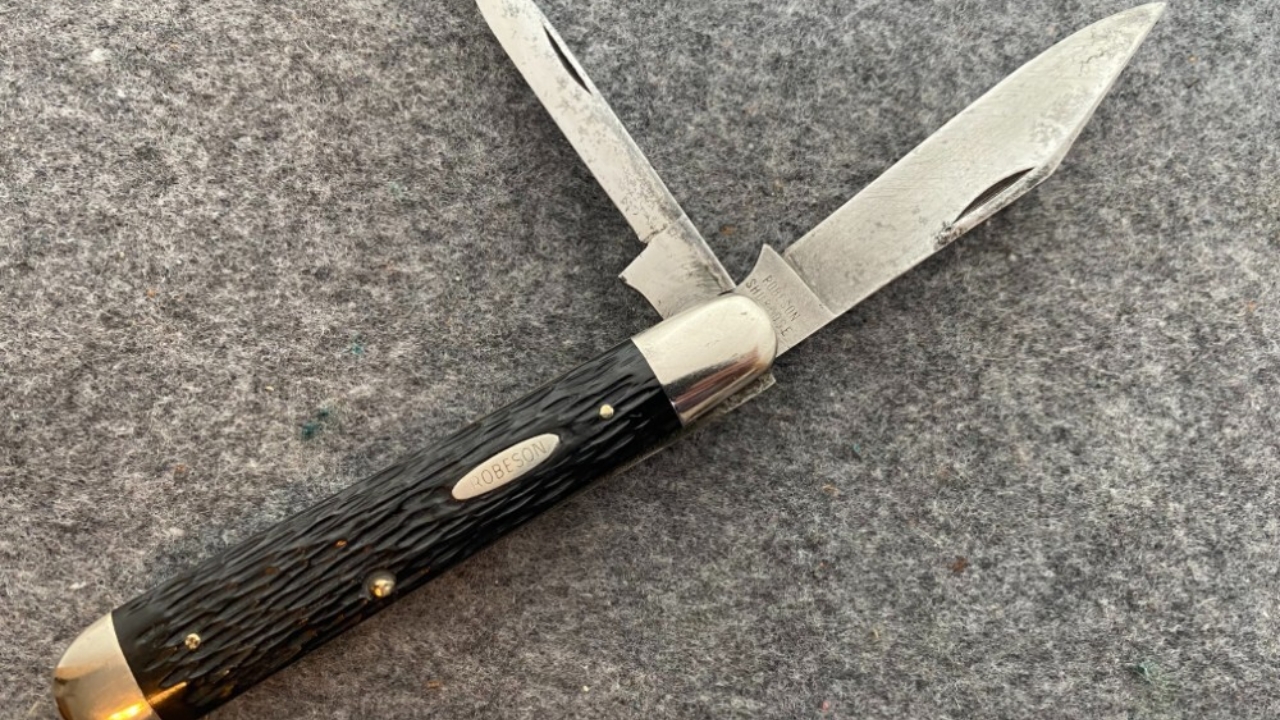
A Robeson ShurEdge 622181 can look like another old jack knife—until you notice the fit and finish and the way the blade sits. Robeson made a lot of working knives that lived hard lives, so a clean example stands out fast to the people who know. The tang stamp and pattern stamp are big tells, and collectors love Robeson’s consistent build quality from that era.
The price jumps when the knife is intact and honest. Full stamps, strong snap, minimal blade loss, and original handle material are the big drivers. Robeson also has a deep rabbit hole of variations, and certain stamp eras and pattern details bring more attention. It’s the kind of knife a casual buyer overlooks because it isn’t trendy, but collectors see a brand with history and scarcity in the condition that matters.
Cattaraugus 225Q Jack
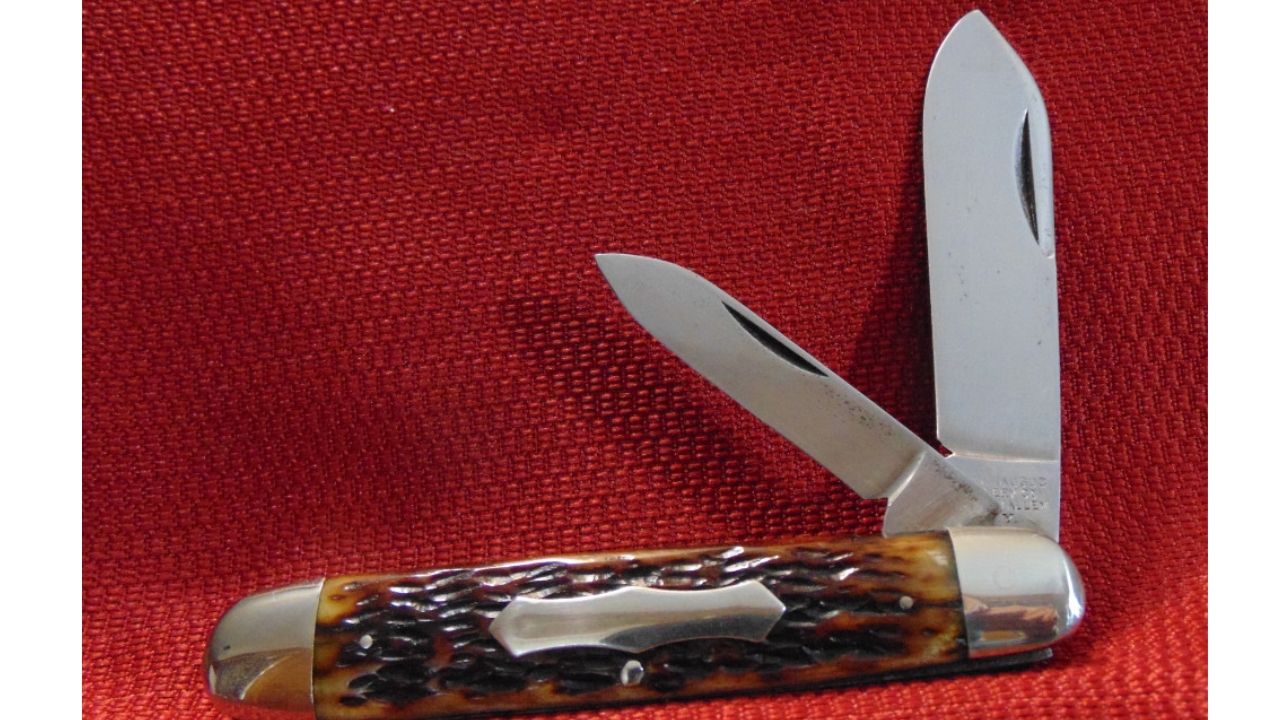
Cattaraugus knives get ignored because the name isn’t as common at modern counters, but a 225Q jack is the kind of piece collectors hunt for quietly. You’re looking at a company with a serious reputation for steel and workmanship, and a lot of their knives were used hard and sharpened down. When you find a 225Q with good blades and crisp markings, it doesn’t sit long.
What drives the price is the stuff that’s hard to fake: clean tang stamps, original handles, tight pins, and a blade profile that hasn’t been reshaped. Cattaraugus collectors also pay attention to handle materials and small pattern differences. Many people see “old pocketknife.” Collectors see a brand that’s getting tougher to find in strong condition, especially in patterns that were actually carried and worked for decades.
Schrade Walden 34OT Old Timer
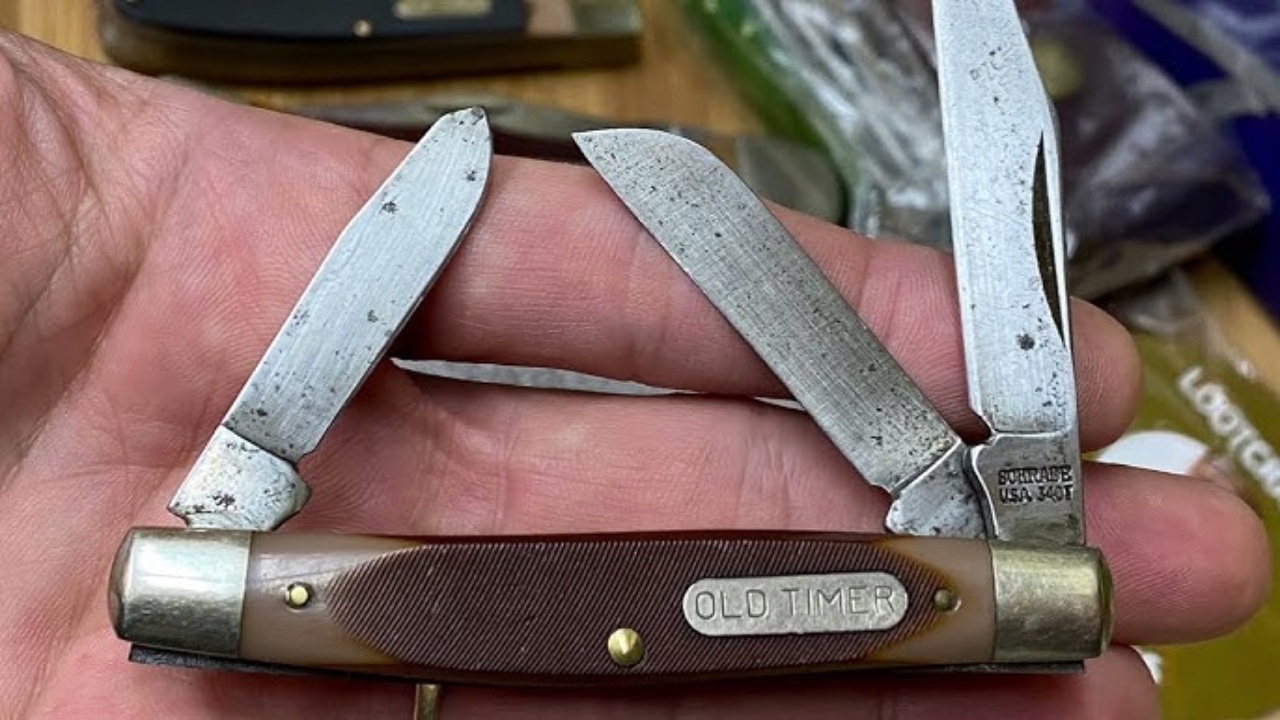
A Schrade Walden 34OT looks like a common working knife, and that’s exactly why it gets walked past. Most people think “Old Timer” means cheap and everywhere. The collector angle is the “Schrade Walden” tang stamp period, plus the condition details—tightness, blade etch (if present), and how much of the original character remains.
What pushes value is being correct for the era. Early stamp examples in clean condition with original sawcut Delrin, full blades, and crisp markings get attention. Packaging can matter more than you’d expect with these, because boxes and paperwork often got tossed. A later Schrade 34OT can still be a great user, but collectors chase the earlier ones because they mark a specific time in American knife production. They look ordinary until you know what you’re seeing.
Schrade Walden 8OT Senior Stockman
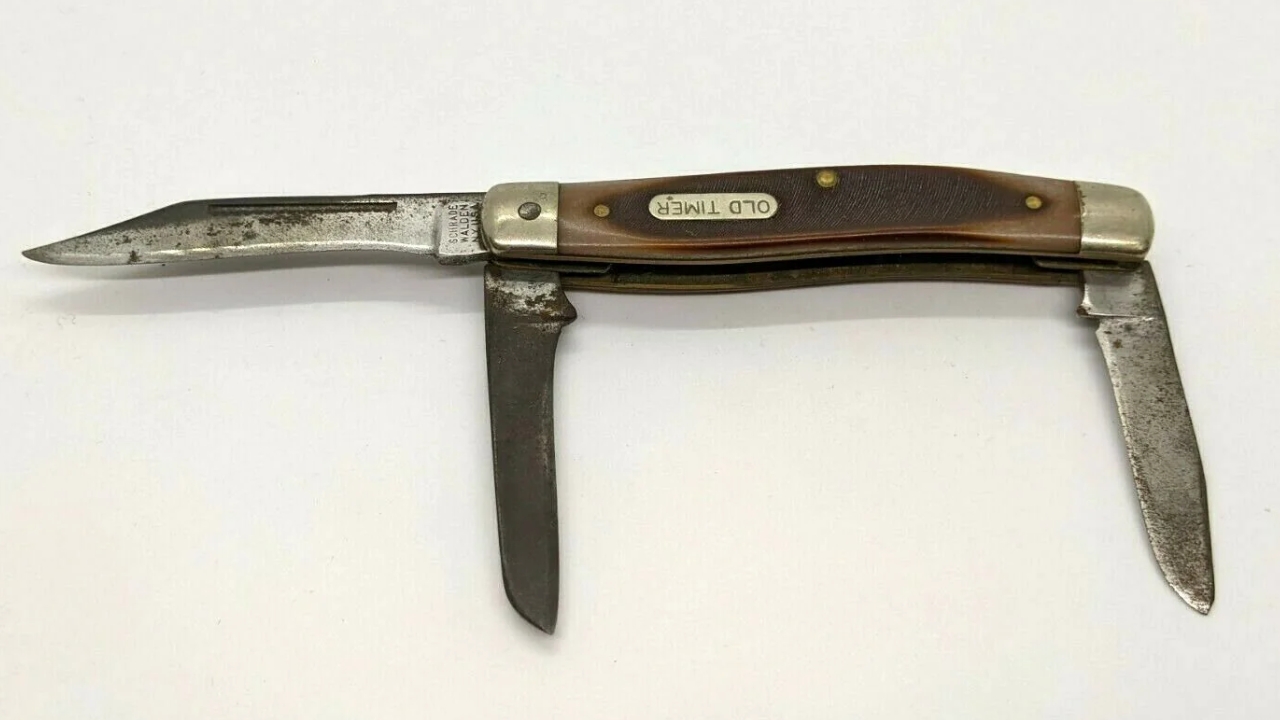
The Schrade Walden 8OT is a deer-camp classic that doesn’t usually get treated like a collectible by the average shopper. Collectors care because early “Schrade Walden” stamp versions have a different pull, finish, and overall feel than later production. It’s a pattern people carried daily, which means truly clean examples are harder to find than you’d assume.
Price climbs with condition and completeness. Full blades, clean swedges, strong snap on all three blades, and uncracked covers matter a lot. Collectors also look for correct shields, pins, and the right stamp era. A heavily sharpened 8OT is still a useful knife, but it won’t bring collector money. The ones that do are the time-capsule stockmen—the kind you’d swear are ordinary until you realize most of them were used down to toothpicks.
Camillus 72 (Sword Brand)
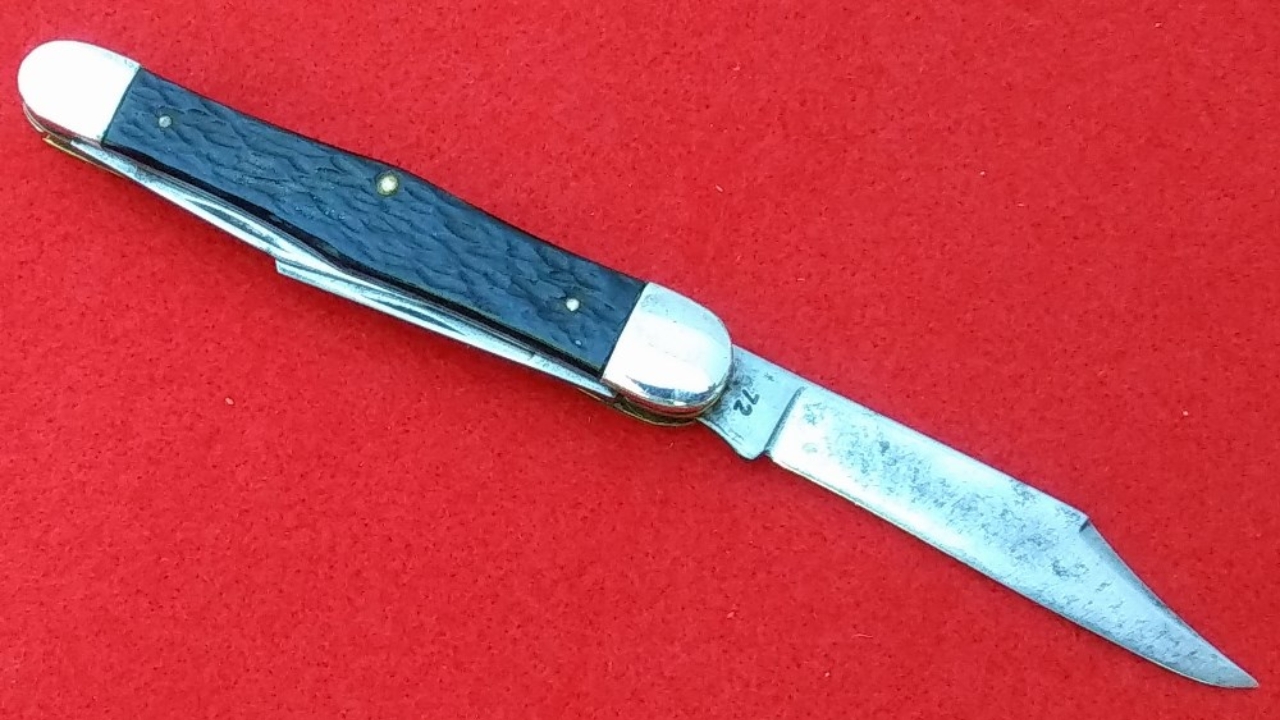
A Camillus 72 in Sword Brand trim can look like another two-blade jack, which is why people skip it. Collectors chase it because Camillus produced mountains of knives, but clean, older examples with crisp marks and strong walk-and-talk don’t show up every day. It’s also a pattern that represents American factory output at its peak—built to be used, but finished better than many modern buyers expect.
The pricing factors are straightforward: tang stamp era, blade condition, snap, and handle originality. A lot of these knives were sharpened constantly, so full blades and clean grinds matter. If the knife still has the right factory look—no buffing, no replaced parts—it becomes desirable fast. Camillus isn’t “rare” in the broad sense, but the right example in the right condition is far scarcer than the table makes it look.
Imperial Prov. R.I. Barlow
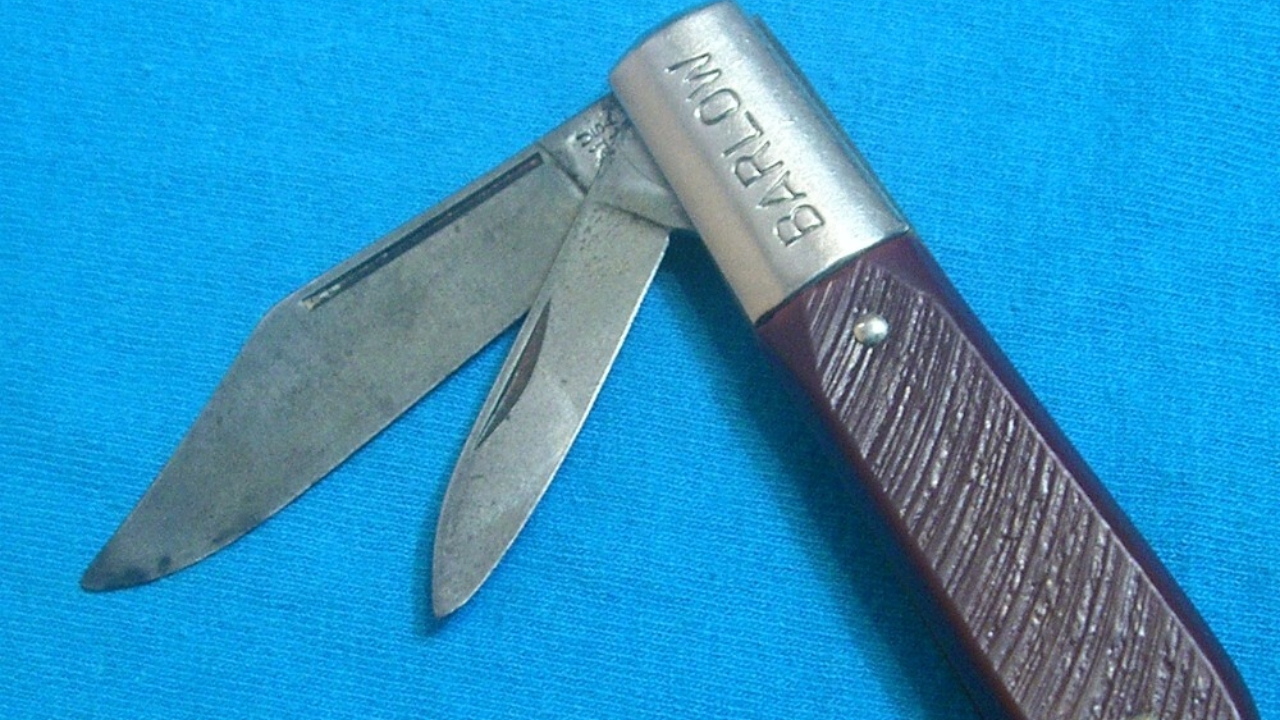
An Imperial with “Prov. R.I.” on the tang doesn’t scream collectible to most people. A lot of folks hear “Imperial” and think bargain-bin. Collectors know there’s a difference between eras, and a clean Imperial Prov. R.I. Barlow can be a surprisingly tough find in truly original condition. It’s the kind of knife that blended into everyday life, which is why so many were used up.
Prices are driven by stamp clarity, handle condition, and whether the knife has been buffed to death. Barlows show wear fast, and bolsters get polished until stamps go soft, which kills collector interest. A crisp, unaltered example with good snap and minimal blade loss is where the demand sits. It’s also a reminder that collectibles aren’t only premium brands. Sometimes the chase is about survival rates and history, not status.
Case Tested XX 6207 Mini Trapper

A Case Tested XX 6207 Mini Trapper can look like a modern Case pattern at a glance, and that’s why people miss it. The “Case Tested XX” era markings are the whole game here, along with the knife’s correctness and condition. Collectors pay attention to the stamp, the shield style, the handle material, and whether the blades match what that era should have.
The price drivers are what you’d expect from serious collecting: clean stamp, full blades, strong snap, and original handles with honest aging, not replacement shine. Case knives also live in a world full of swapped parts and cleaned-up examples, so untouched condition matters. If it’s in the right configuration and hasn’t been “improved,” collectors notice fast. It’s a small knife that can carry a big price because the details separate a real period piece from a look-alike.
Case XX 6318 Stockman (early dots era)
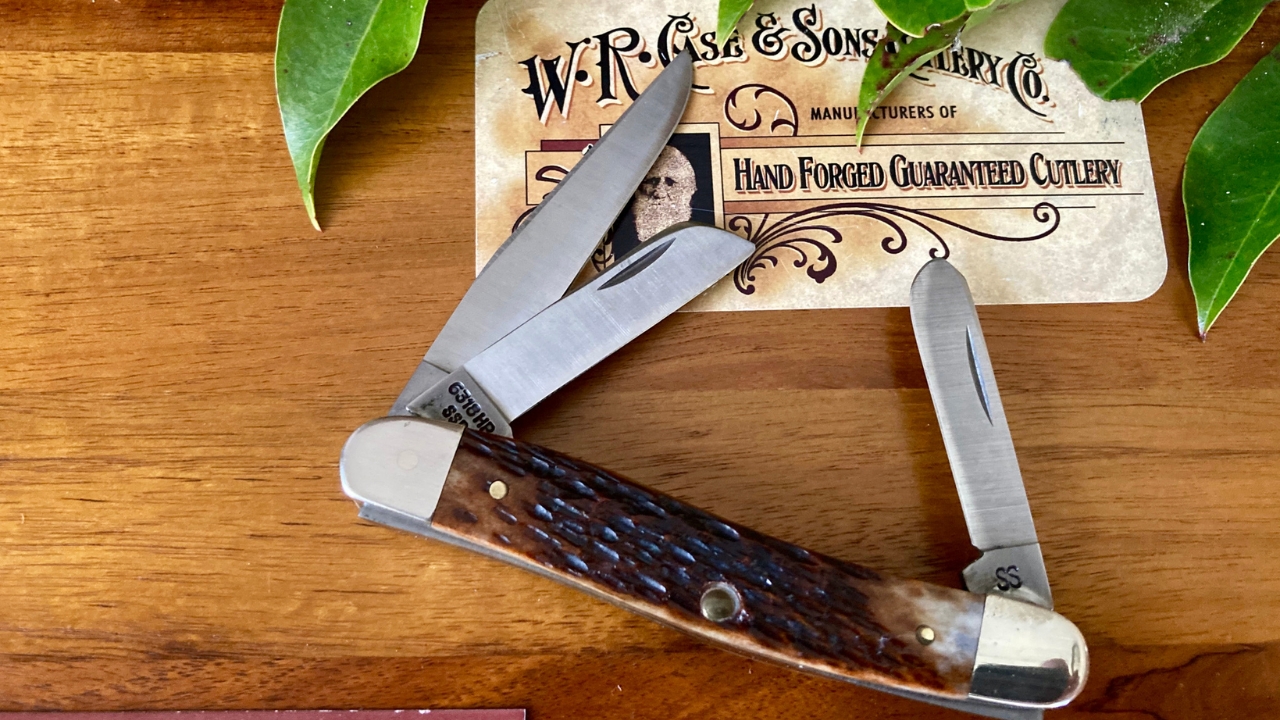
A Case XX 6318 stockman is a pattern most people treat like a common carry knife. Collectors chase early dot-era examples because the tang stamp system lets you date the knife, and certain years and condition levels become harder to find as time goes on. The 6318 was carried a lot, sharpened a lot, and used hard, which quietly makes clean ones scarcer than people think.
Pricing comes down to blade wear, snap, and how original the knife remains. Stockman blades show age fast, and once they’ve been sharpened down, collectors move on. The right handles, correct shield, and crisp stamp matter, and original packaging can add real value. A casual buyer sees a stockman. A collector sees a dateable American-made knife in a pattern that was part of daily life, which makes preserved examples stand out.
Queen Cutlery #9 (D2)
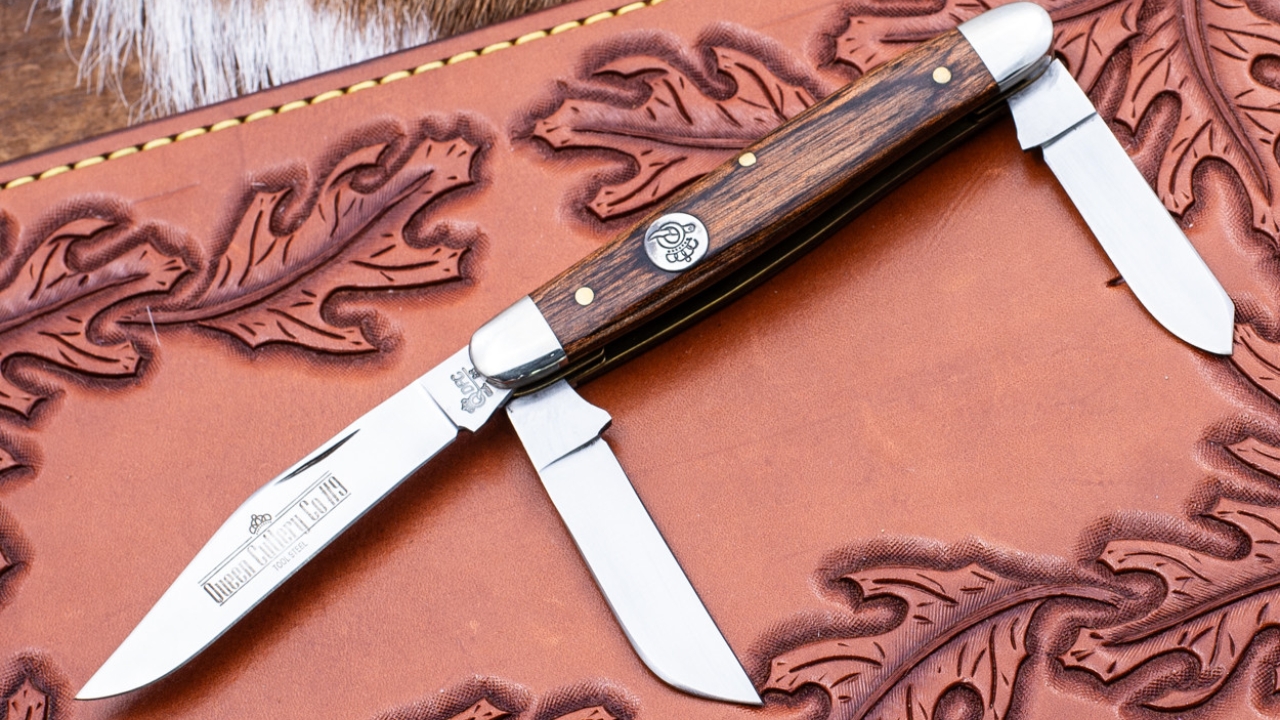
A Queen Cutlery #9 in D2 can get dismissed as another traditional slipjoint from a brand people forget to check. Collectors chase them because Queen’s D2 runs have a following, and certain production periods are tied to real quality and strong fit. The pattern itself is classic, but the steel choice and execution are what pull collectors in.
Value climbs with condition and packaging. A clean blade with minimal patina, strong snap, and a handle set that hasn’t shrunk or cracked matters. Collectors also care about factory edge condition and any original tube or box. Queen went through different eras, and the knives that represent the “good run” get chased harder than most folks realize. It’s a knife many people walk past because it doesn’t look rare—until you try finding a truly clean one when collectors are watching.
Great Eastern Cutlery #15 “Boys Knife”
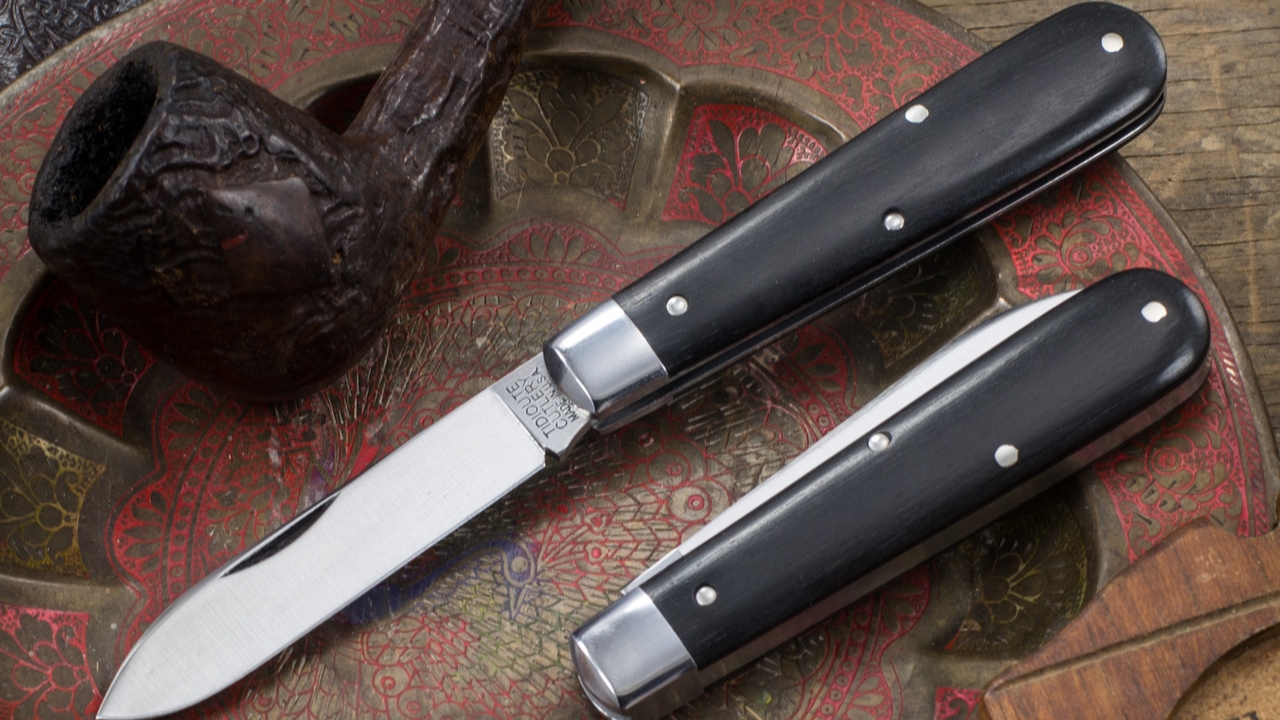
A Great Eastern Cutlery #15 Boys Knife is the kind of pocket knife some people overlook because it looks old-fashioned on purpose. Collectors don’t miss it. GEC patterns are tracked by run, handle material, and subtle production changes, and certain #15 configurations disappear fast once a run is gone. On a table full of modern tacticals, it can look too plain to matter.
Prices are driven by availability and specifics. Handle materials—like certain jigged bone runs or special covers—can swing value a lot. Condition matters, too: centered blades, clean pulls, no cracks, and minimal carry marks. Packaging helps because collectors like complete sets. The #15 is a good example of a “walk right past” knife to non-collectors because it doesn’t advertise itself. If you know GEC, you know that run numbers and cover choices can turn an everyday-looking pocketknife into a serious trade piece.
Buck 110 Folding Hunter (two-line tang stamp)

A Buck 110 is so common in American pockets that many people ignore them completely. Collectors chase early “two-line” tang stamp Buck 110s because they mark the early era of the model, and condition is everything. A clean early 110 with the right stamp, correct hardware, and original sheath can bring more interest than most buyers expect.
The value drivers are originality and completeness. A swapped sheath, heavy blade sharpening, or cleaned-up bolsters can push it back into “user” pricing fast. Collectors also care about the details people don’t notice—stamp style, rivets, and the overall look of a knife that hasn’t been refinished. Early 110s get chased because they represent the start of a model that became an American standard. Most folks see a heavy folding knife. Collectors see a dateable piece of knife history.
Buck 112 Ranger (early production)

The Buck 112 Ranger often gets walked past because it looks like the Buck 110’s smaller brother, and people assume it’s the same story. Collectors know early 112s are their own lane, especially when you’re talking about early production details and clean condition. The 112 was carried hard because it’s handier than the 110, which means high-condition examples are tougher to find.
Prices rise when you have a sharp, unaltered blade profile, crisp stamp, and original sheath that matches the era. A lot of Rangers were used as true belt knives, so the sheaths and handles often show it. Collectors also look for correct hardware and the overall “untouched” feel. The 112 is a classic that hides in plain sight. Many people see another old Buck. Collectors see a model with a strong following and fewer survivors in clean shape.
Spyderco Worker (C01)
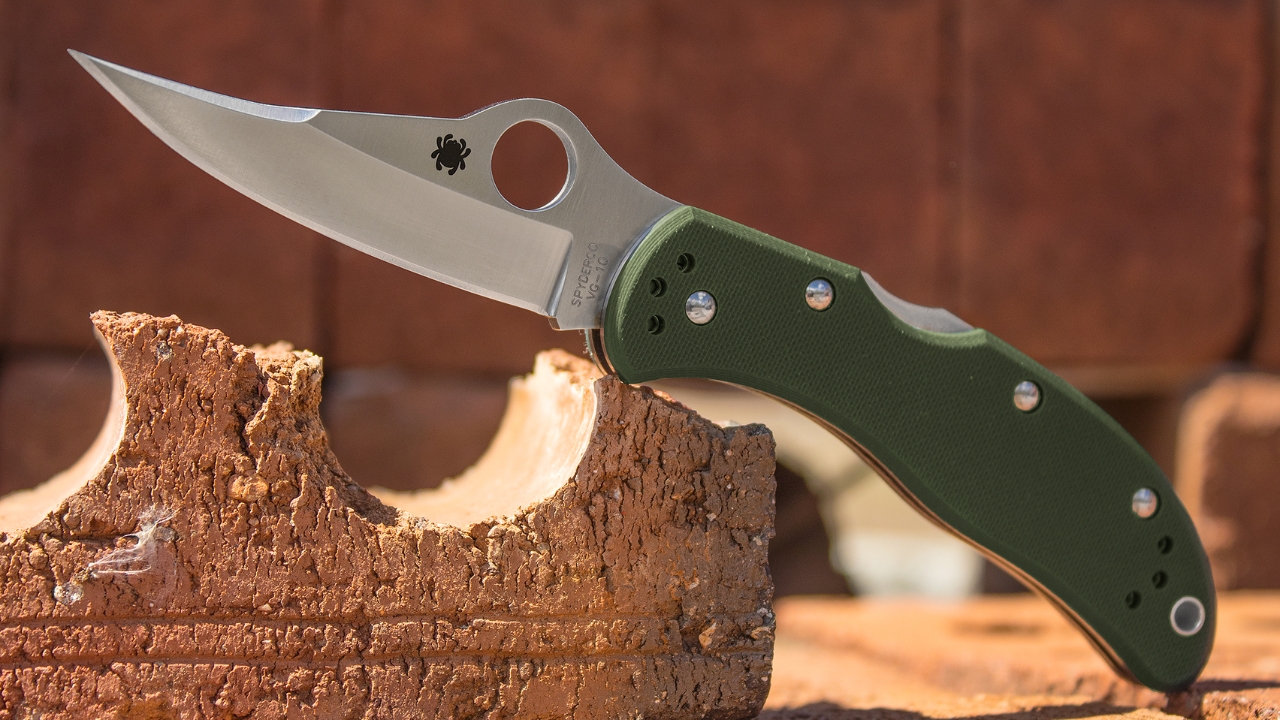
A Spyderco Worker (C01) can look like an outdated plastic-and-steel folder to someone who only shops modern styles. Collectors chase it because it’s one of the knives that helped define the modern one-hand-opening, clip-carry era. Early Spydercos have a strong collector base, and the Worker sits right at the start of that timeline.
What drives price is being correct and complete. Early production details, original clip configuration, and overall condition matter a lot because these were working knives, not safe queens. A Worker with a clean edge, minimal damage, and the right markings gets attention fast, especially with original box and paperwork. Most people walk past it because it doesn’t look fancy. Collectors see a foundational model—one of the knives that changed what “everyday carry” meant, long before the term became common.
Benchmade 710 (first production)
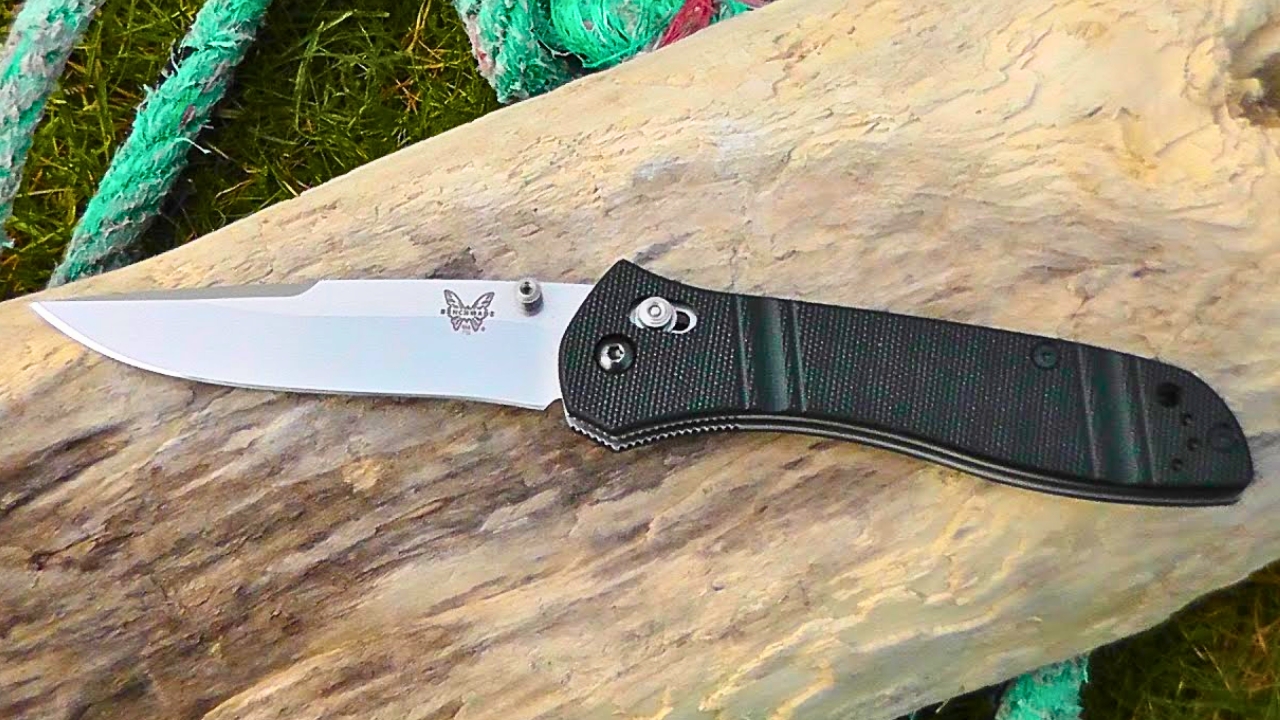
The Benchmade 710 can look like a regular older Benchmade to someone scanning quickly, but collectors chase early production examples because the 710 helped cement Benchmade’s reputation in the modern folding world. It’s a model people carried hard, which means clean examples with correct parts and minimal wear are harder to find than you’d guess.
Price is driven by early-run details, condition, and completeness. Collectors care about blade markings, handle condition, lockup, and whether the knife has been sharpened aggressively. Boxes and original paperwork can add a real premium because many of these were carried and the packaging got tossed. The 710 also sits in that spot where it’s old enough to be “classic modern,” but still practical enough that people used them daily. That’s why so many are worn out—and why the clean ones get chased.
Like The Avid Outdoorsman’s content? Subscribe to our newsletter so you never miss an article.
Here’s more from us: