Photo credit: At the Range/YouTube
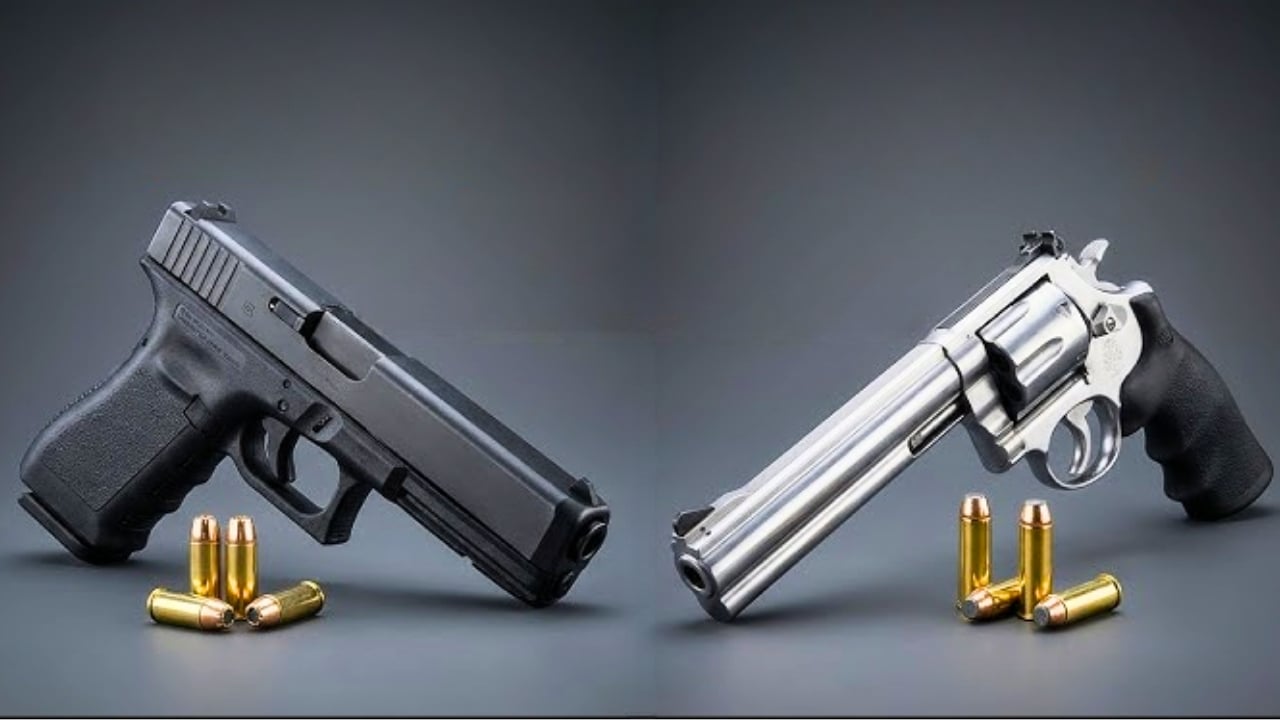
The 10mm Auto and .44 Magnum both attract people who want more than a normal defensive handgun round. They sound serious because they are serious. Both can handle roles where 9mm, .40 S&W, and .45 ACP start feeling small. Both have real value for woods carry, animal defense, hunting backup, and shooters who simply like hard-hitting handguns.
But they are not trying to do the same thing. The 10mm is a powerful semi-auto round that gives you capacity, faster reloads, and easier carry in a practical pistol. The .44 Magnum is a revolver cartridge with more raw power, more bullet weight, and more hunting authority. The winner depends on whether you need control and capacity or maximum power.
The 10mm wins for capacity
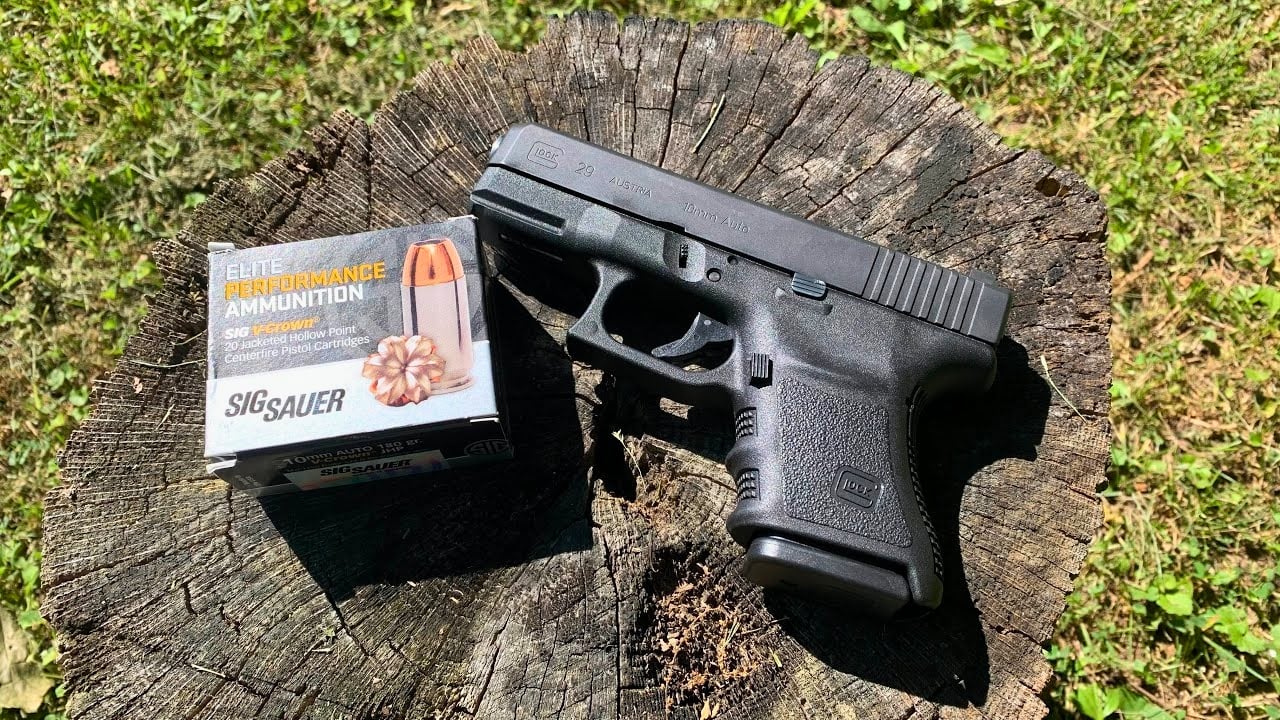
The biggest advantage for 10mm is obvious before the first shot. Most 10mm pistols hold a lot more rounds than a .44 Magnum revolver. A Glock 20, Springfield XD-M Elite, SIG XTen, or M&P 10mm gives the shooter semi-auto capacity in a hard-hitting cartridge.
That matters for woods carry and defensive use. More rounds give more chances to solve a problem, especially under stress. A .44 Magnum revolver usually gives you five or six shots. The 10mm gives you more ammunition on board and faster reloads. If capacity matters, 10mm wins easily.
The .44 Magnum wins for raw power
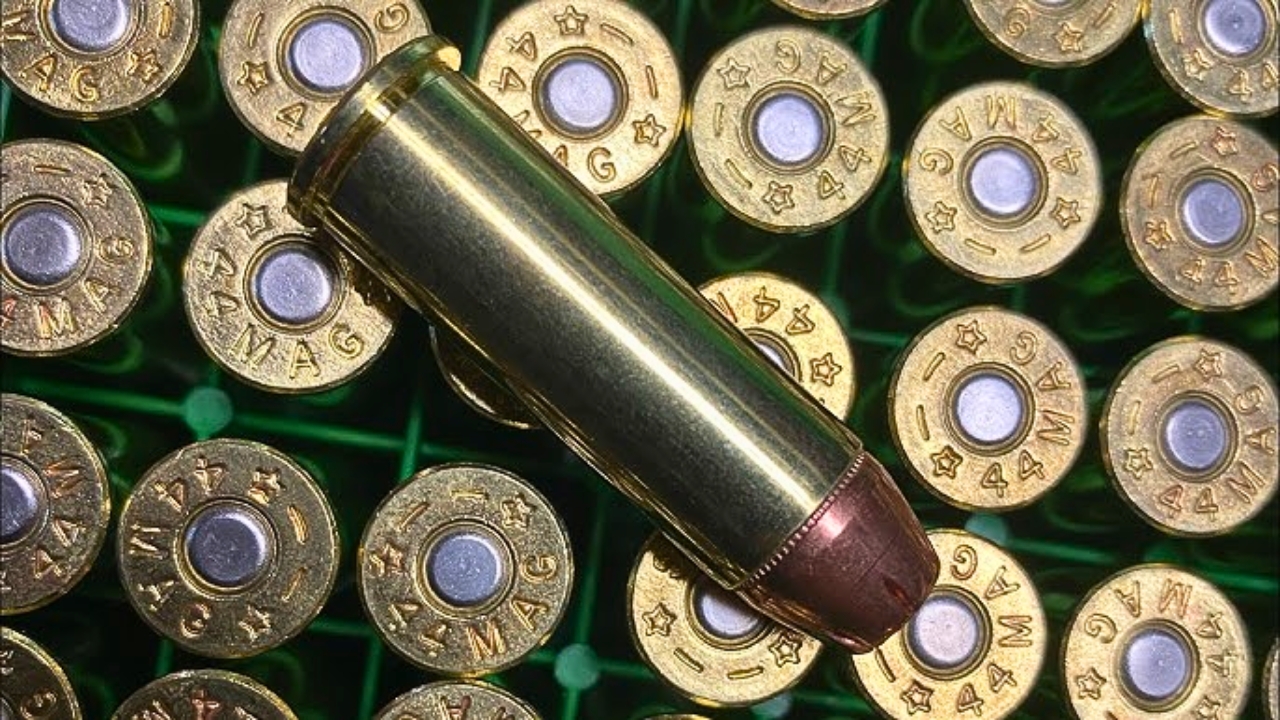
The .44 Magnum is simply more powerful. It can fire heavier bullets at serious velocities and delivers more energy than typical 10mm loads. For handgun hunting, large animals, and deep penetration, the .44 has a clear advantage.
This is where caliber debates need honesty. The 10mm is strong for a semi-auto. The .44 Magnum is strong, period. When loaded properly, it is in another class for heavy-bullet performance. If the question is which round hits harder, the .44 Magnum wins.
The 10mm is easier to carry every day
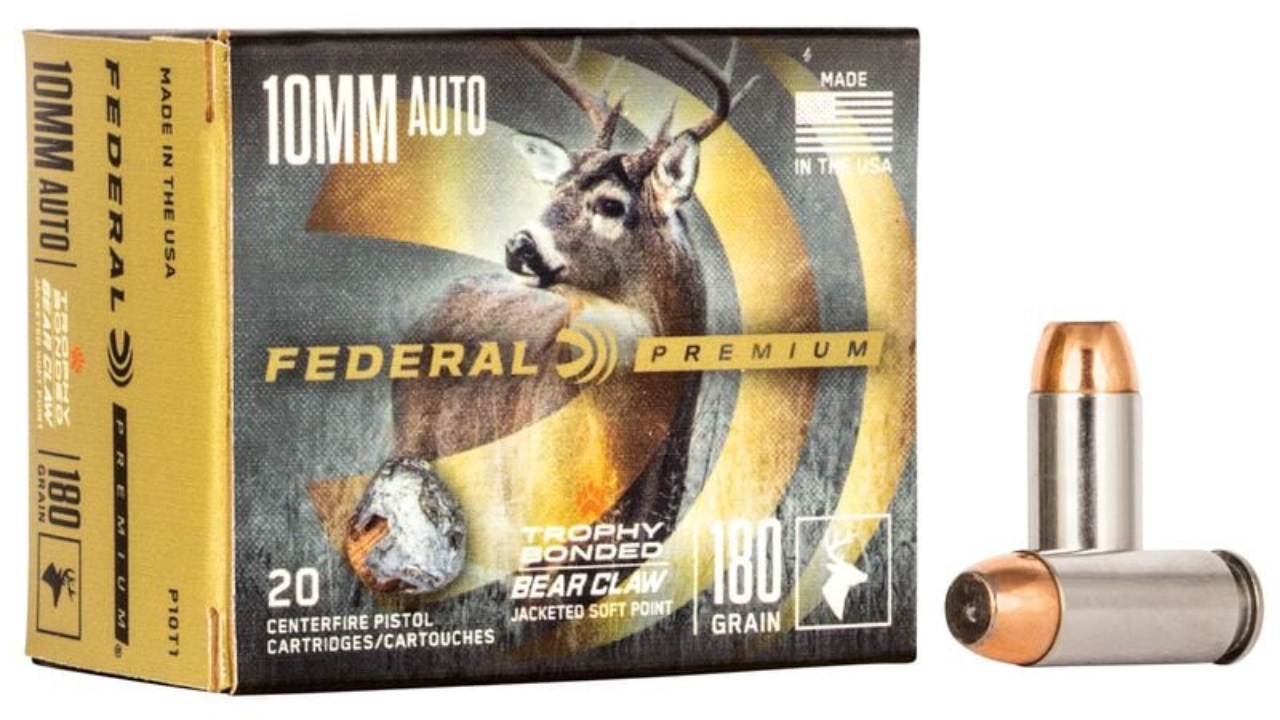
A full-size 10mm pistol is still a big handgun, but it is usually easier to carry than a large .44 Magnum revolver. Semi-autos are flatter, reloads are easier to carry, and many holsters support modern 10mm pistols well. For hiking, camping, fishing, and general woods use, that matters.
A .44 Magnum revolver can be carried, but it is bulky. The cylinder adds width, the barrel length matters, and many .44s that are pleasant to shoot are not small. If you want a powerful handgun that still carries more like a normal sidearm, 10mm is the easier answer.
The .44 Magnum is better for handgun hunting
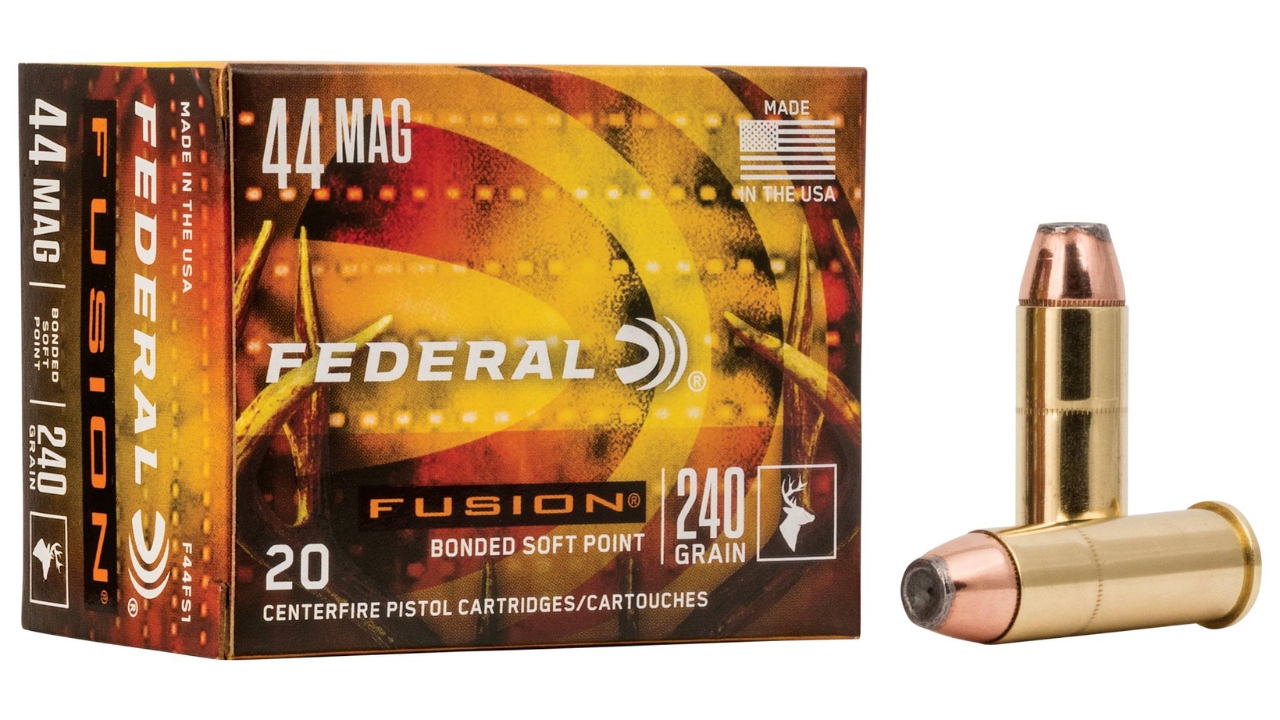
For hunting with a handgun, the .44 Magnum has the stronger case. It has more bullet weight, more proven hunting loads, and decades of real field use on deer, hogs, black bear, and similar game. A good .44 revolver with proper ammunition is a legitimate hunting tool.
The 10mm can hunt, especially at closer ranges with good hard-cast or controlled-expansion loads. But it does not match the .44 Magnum’s authority. If the handgun is meant to be the primary hunting weapon, not just a backup, the .44 Magnum wins.
The 10mm is faster for follow-up shots

The 10mm recoils, especially with full-power loads, but it is still usually faster for follow-up shots than a .44 Magnum. The semi-auto action helps absorb some recoil, the grip shape is familiar to many shooters, and the sights usually return faster.
That makes a real difference under pressure. Power is useful, but only if the shooter can place shots quickly. Most people will run a 10mm faster than a .44 Magnum, especially after the first shot. For defensive use, that gives the 10mm a strong practical advantage.
The .44 Magnum gives better bullet flexibility

The .44 Magnum can be loaded across a wide range. There are lighter practice loads, mid-range defensive loads, heavy hunting loads, hard-cast woods loads, and serious big-game loads. It also has the advantage of firing .44 Special in many revolvers for lower recoil practice or defense.
That flexibility is one of the .44’s strongest traits. The 10mm has a good load range too, but it cannot match what .44 Magnum can do with heavy revolver bullets. If you like tailoring loads to different jobs, the .44 Magnum gives more room to work.
The 10mm is cheaper and easier to practice with

Neither round is cheap compared with 9mm, but 10mm is usually easier to practice with than .44 Magnum. Semi-auto pistols are also easier for many people to shoot in longer range sessions. That means more training, better control, and more confidence.
The .44 Magnum gets expensive and tiring quickly, especially with full-power loads. Some shooters practice with .44 Special, which helps, but that is not the same as training with the load they plan to carry or hunt with. For regular range time, 10mm usually wins.
The .44 Magnum handles heavy animals better

For black bear, large hogs, and handgun hunting at close range, both rounds can work with proper loads. But as animals get heavier and tougher, the .44 Magnum pulls ahead. Heavy hard-cast .44 loads offer deep penetration and more bullet mass than 10mm can match.
That does not mean 10mm is useless in bear country. Plenty of people carry it for that exact reason. But if the threat is a big animal and you want the most authority in a belt handgun, .44 Magnum still gives more confidence.
The 10mm works better in modern defensive pistols
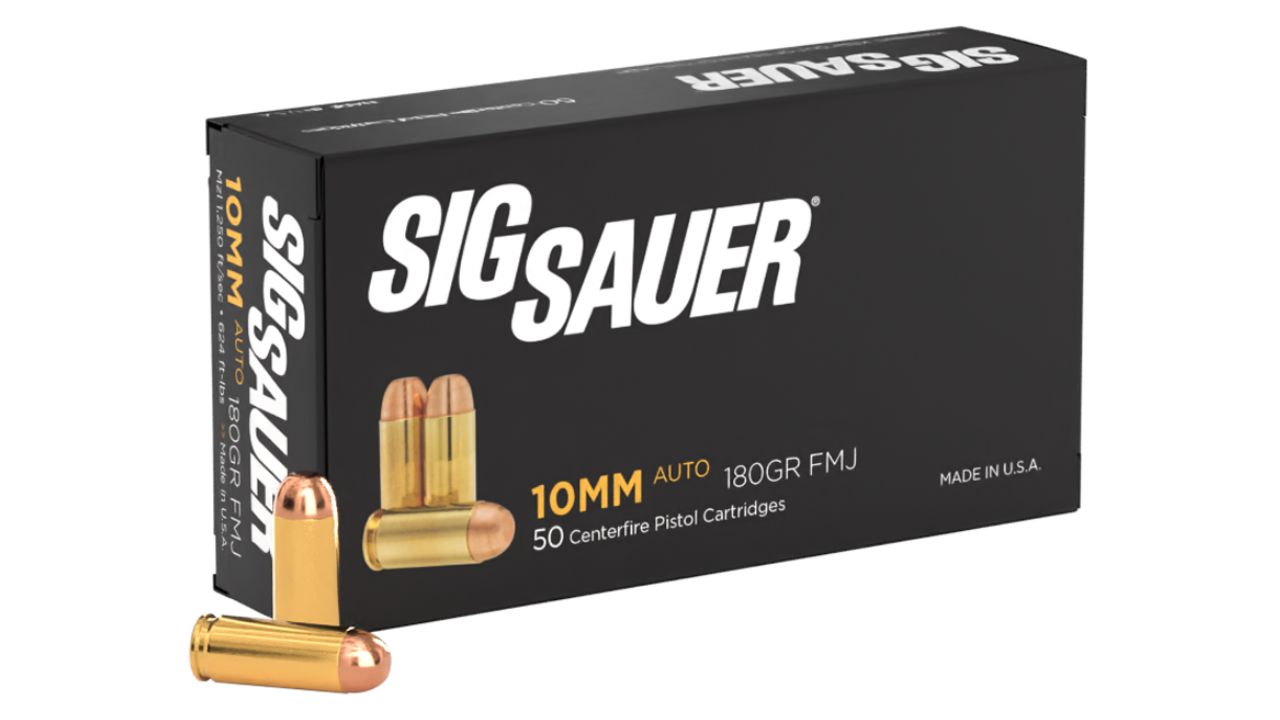
Most 10mm pistols are built like modern defensive handguns. They can have optic cuts, accessory rails, night sights, weapon lights, and higher-capacity magazines. That makes them easier to set up for serious use.
A .44 Magnum revolver can be excellent, but it is not as easy to modernize. Lights, optics, and reload systems are more limited. For someone who wants a hard-hitting handgun with modern defensive features, the 10mm is the more practical platform.
The .44 Magnum is more forgiving on ammo power

With 10mm, the name on the box does not always tell the whole story. Some factory 10mm loads are loaded closer to .40 S&W performance than true full-power 10mm. That can disappoint people who bought the caliber expecting a major step up.
The .44 Magnum has light and heavy loads too, but the cartridge’s power range is more obvious. When you buy serious .44 Magnum hunting ammo, you know what kind of performance you are getting. The 10mm requires more attention to the exact load.
The 10mm wins for semi-auto shooters

If you already shoot semi-autos well, 10mm makes a lot of sense. The manual of arms is familiar, reloads are quick, magazines are easy to carry, and the trigger systems feel like other defensive pistols. You do not have to learn a completely different platform.
A .44 Magnum revolver takes more revolver-specific skill. Double-action trigger control, cylinder reloads, grip under recoil, and sight recovery all matter. For shooters who train mostly with pistols, 10mm is usually easier to transition into.
The .44 Magnum wins for revolver people

For someone who already likes revolvers, the .44 Magnum is hard to beat. It is powerful, reliable, and mechanically simple. There are no magazines to fail, no slide velocity to worry about, and no feeding issues with odd bullet shapes.
That revolver reliability matters to some people in the woods. A revolver can handle heavy, wide-meplat hard-cast bullets that might cause problems in a semi-auto. If you are a revolver shooter who wants serious field power, the .44 Magnum is still one of the best answers.
The 10mm is better for mixed urban and woods use
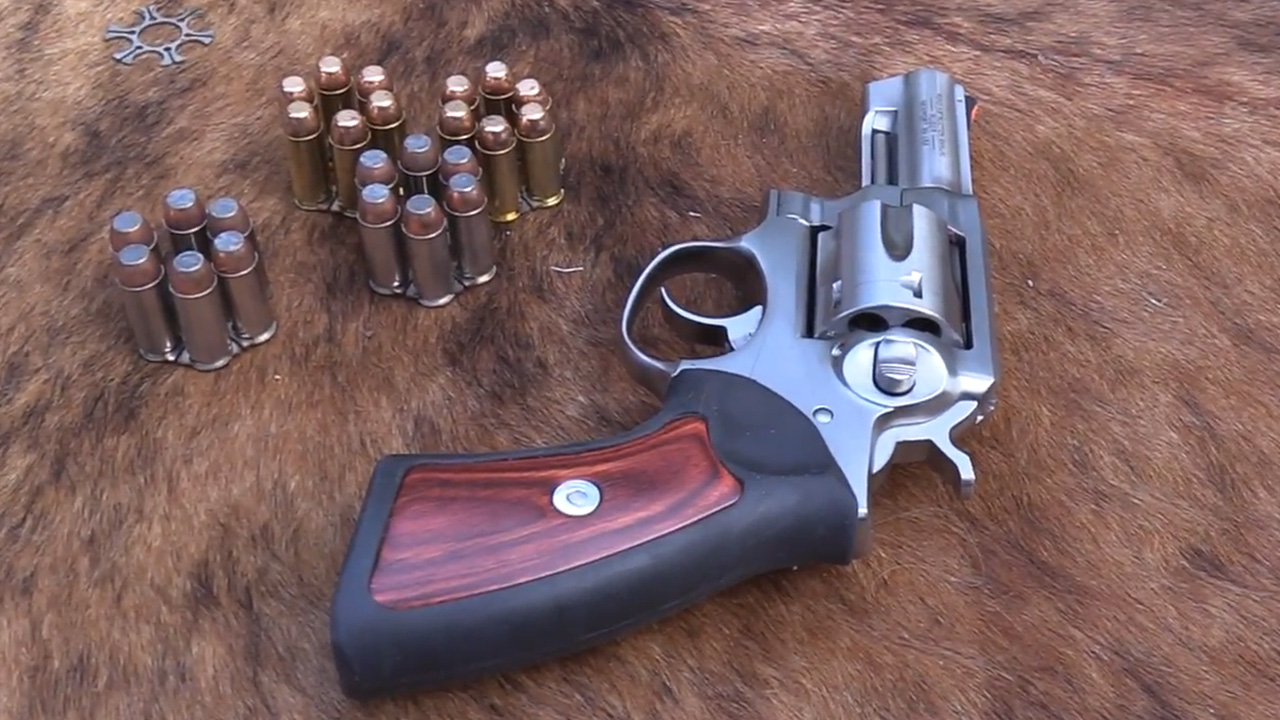
Some people want one handgun that can handle personal defense and also serve as a woods gun. That is where 10mm shines. It is powerful enough for many animal-defense concerns, but still practical enough as a defensive semi-auto.
The .44 Magnum is harder to justify as a normal defensive handgun. It is big, loud, powerful, and slower to reload. It can work, but it is not ideal for everyday defensive carry. If one gun needs to cross between normal carry and outdoor use, 10mm usually makes more sense.
The .44 Magnum is better when the handgun is the main tool

If the handgun is only a backup, 10mm has a strong case. If the handgun is the primary tool for hunting or serious animal defense, .44 Magnum makes more sense. It gives more power, more bullet weight, and deeper-penetrating load options.
That distinction matters. A sidearm and a primary hunting handgun are not the same thing. The 10mm is easier to carry as a sidearm. The .44 Magnum is better when the handgun itself is expected to do the heavy lifting.
Recoil decides more than people admit
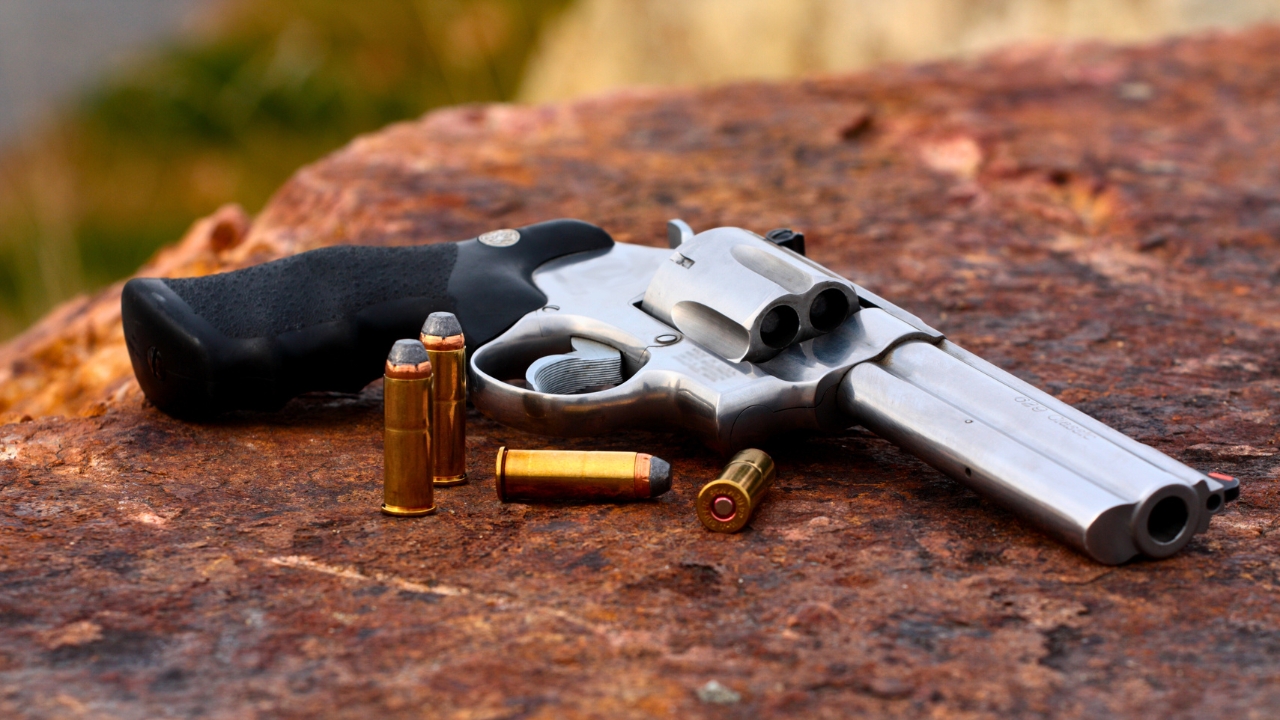
The .44 Magnum is more powerful, but that also means it is harder for many shooters to handle. Full-power .44 loads produce real recoil and blast. Some people shoot them well. Others develop a flinch quickly.
The 10mm is not mild, but it is usually more manageable. More shooters can practice with it, control it, and make fast hits. A round that looks weaker on paper may be stronger in real life if the shooter can actually use it well.
The verdict
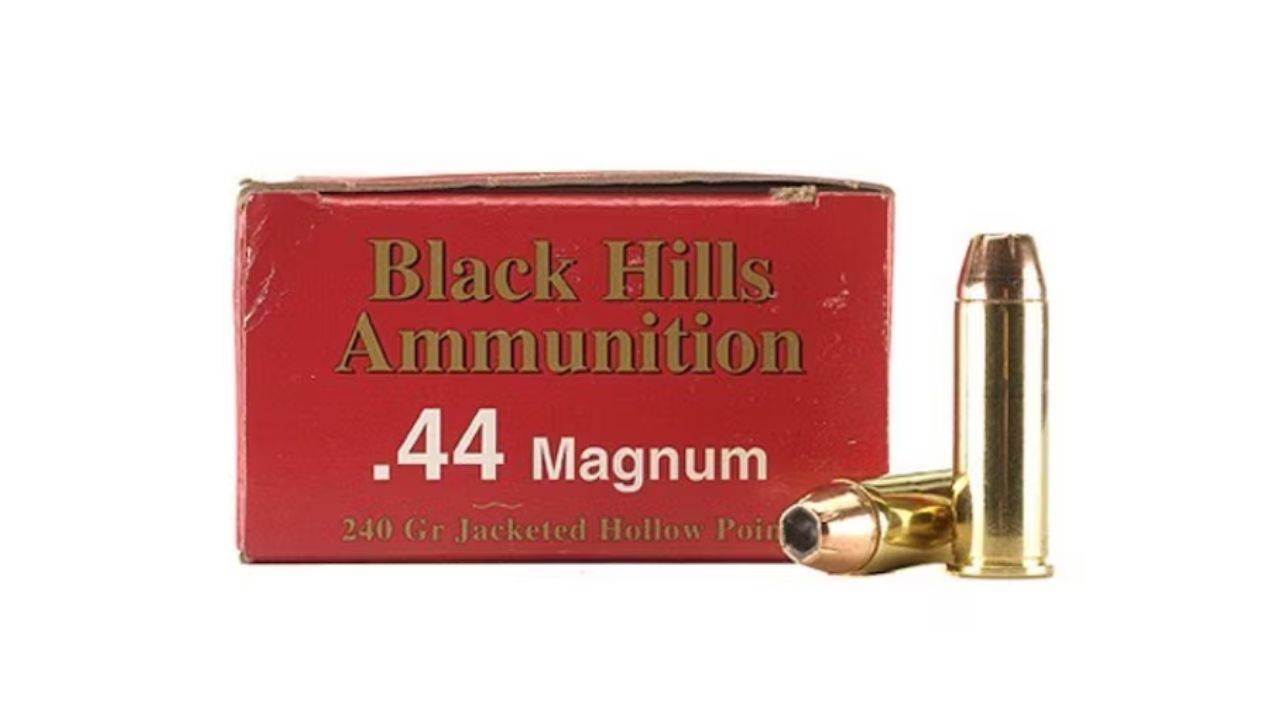
The 10mm wins for most people who want a hard-hitting practical sidearm. It offers more capacity, faster reloads, easier carry, modern pistol options, and better follow-up speed. For hiking, camping, hog country, black bear country, and mixed defensive use, it is probably the better all-around choice.
The .44 Magnum wins when power matters more than convenience. For handgun hunting, big revolver fans, heavy animals, and maximum field authority, it is the stronger cartridge. It hits harder and gives more heavy-bullet capability.
Which one should you actually buy?

Buy the 10mm if you want a powerful semi-auto you will actually carry and practice with. It gives up some power to the .44 Magnum, but it wins in capacity, speed, and practicality.
Buy the .44 Magnum if you want a serious revolver for hunting, woods carry, or heavy-animal defense and you are willing to train with the recoil. It is not as convenient, but it brings more authority. The real winner is the one you can shoot well when the shot matters.
Like The Avid Outdoorsman’s content? Subscribe to our newsletter so you never miss an article.
Here’s more from us: