Photo credit: WHO_TEE_WHO/YouTube
A one-gun hunter needs a cartridge that does not paint them into a corner. It should handle deer cleanly, work for hogs, have enough reach for open country, enough bullet weight for bigger game if needed, and enough ammo availability that finding a box before season is not a crisis.
That is where some calibers fall apart. They may be great for one job, fun at the range, or perfect under specific regulations. But one good use does not make a cartridge a good one-rifle answer. These are the rifle calibers that make the least sense for hunters who want one gun to cover as much ground as possible.
.223 Remington

The .223 Remington is useful, accurate, cheap to shoot, and excellent for varmints, predators, and practice. That makes it tempting for someone who wants one affordable rifle. It is easy to find, easy to shoot, and available in lightweight rifles.
But as a one-gun hunting caliber, it is too limited. Deer use depends heavily on state laws, bullet choice, range, and perfect shot placement. It does not give enough margin for bigger deer, hogs, black bear, elk, or bad angles. A one-gun hunter needs more flexibility than .223 gives.
.22-250 Remington

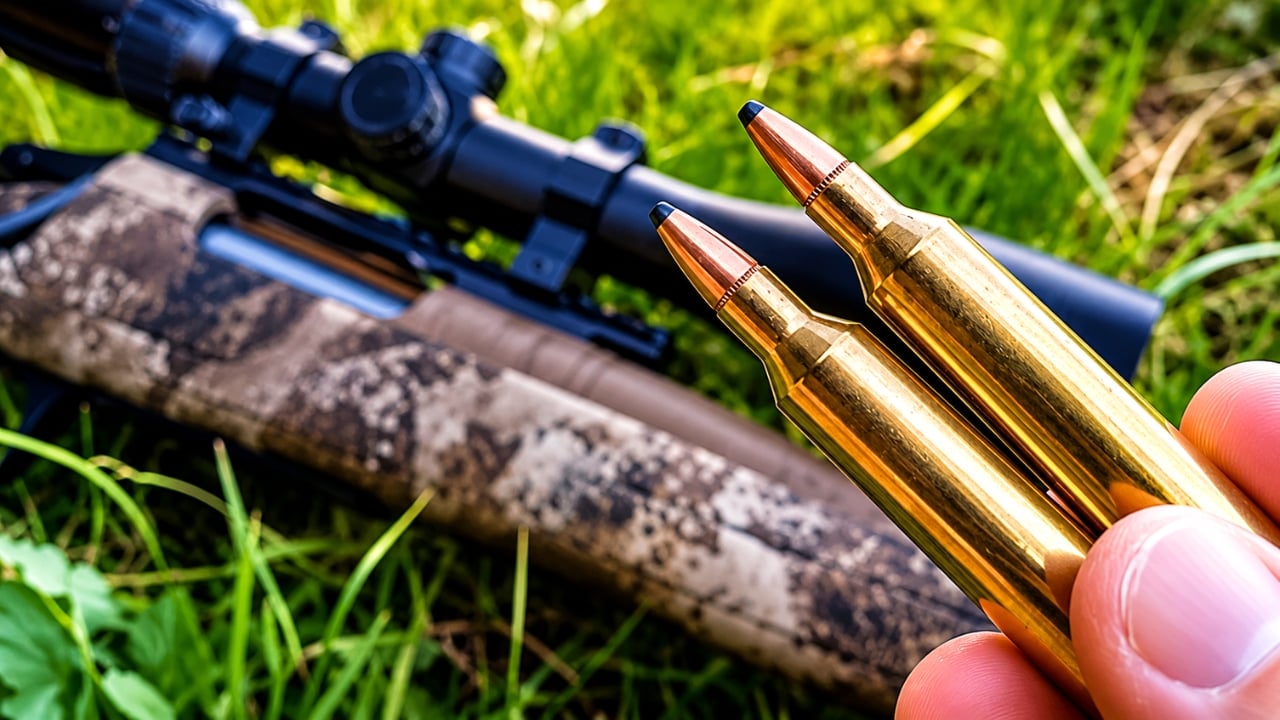
The .22-250 Remington is a great varmint and predator cartridge. It is fast, flat, and accurate, which makes it feel more capable than a standard .223. For coyotes, prairie dogs, and long shots on small targets, it shines.
That speed does not make it a true all-around hunting cartridge. Bullet weight is still light, barrel life can be shorter than milder rounds, and deer performance requires careful bullet selection. It is too varmint-focused for someone who wants one rifle to do everything from coyotes to whitetails and beyond.
.220 Swift
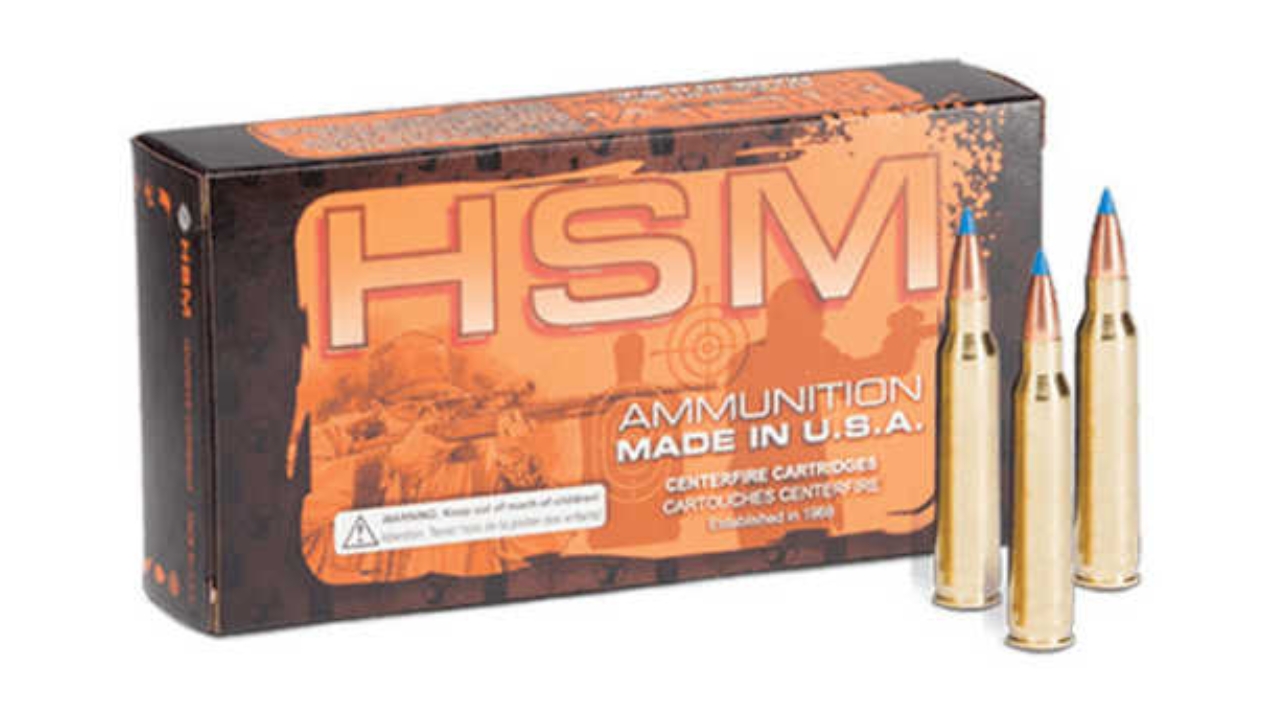
The .220 Swift has speed and history, but it is even more specialized than most hunters need. It sounds impressive because it is fast, and fast sells rifles. For varmint shooters, that speed has real appeal.
For a one-gun hunter, it is the wrong lane. Ammo is not as common as mainstream hunting cartridges, bullet weight is limited, and it does not offer enough big-game flexibility. It is a neat cartridge for people who already own other rifles. It is a poor choice for someone trying to own only one.
.204 Ruger
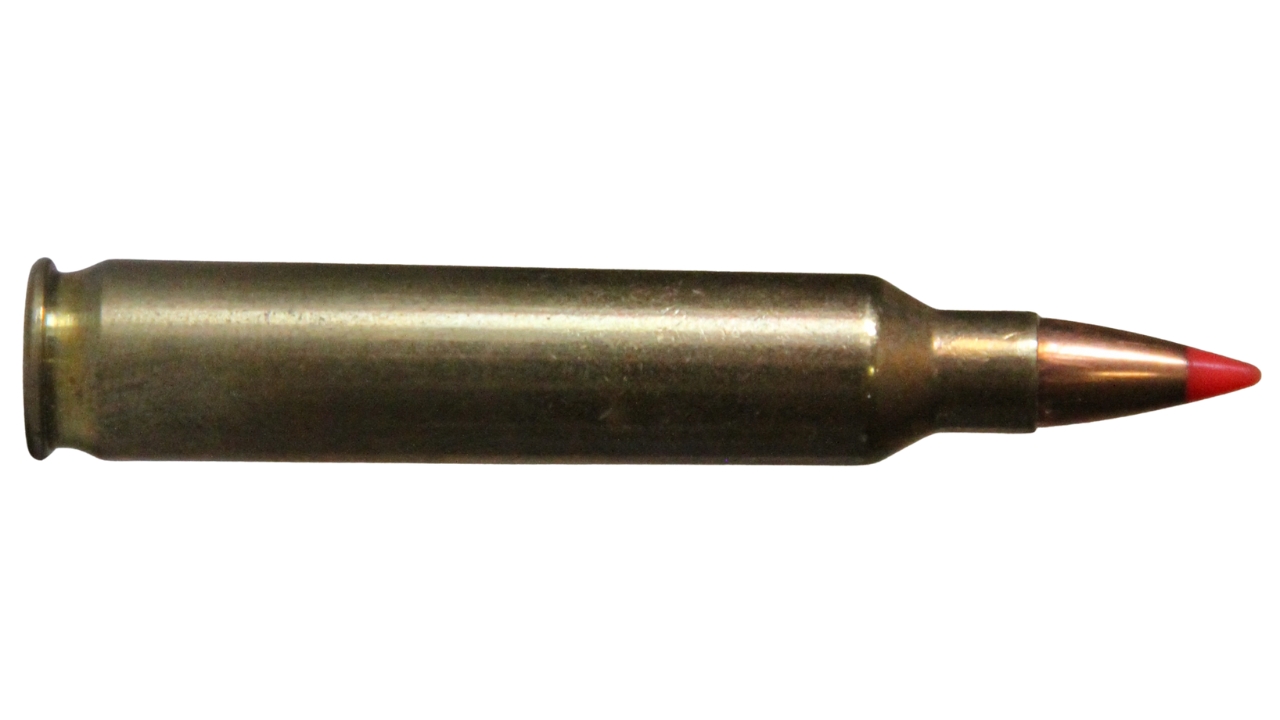
The .204 Ruger is excellent for small varmints and predators when pelt damage and flat shooting matter. It is light recoiling, fast, and fun to shoot. That makes it easy to like.
But it is nowhere close to a do-all hunting caliber. It is too small for deer in most serious conversations, too specialized for varmint work, and too limited in bullet weight. A one-gun hunter would be stuck with a rifle that is great for small targets and almost useless for most big-game seasons.
.17 Hornet
The .17 Hornet is a fun little cartridge for small varmints. It is mild, efficient, and interesting for shooters who like tiny bullets moving fast. On the right target, it works well.
That does not make it a sensible one-rifle caliber. It is too light for deer, too specialized for small game and varmints, and not common enough to justify as a lone hunting rifle. It belongs in a collection, not as the only rifle a hunter owns.
.22 Hornet

The .22 Hornet has old-school charm and is still useful for small game, pests, and close-range predators. It is quiet compared with larger centerfires and easy on the shoulder. That makes it pleasant.
The problem is that pleasant is not enough. A one-gun hunter needs reach, authority, and broad ammo support. The .22 Hornet is too mild and too narrow. It is a great little farm or varmint rifle cartridge, but it leaves too many hunting seasons uncovered.
.300 Blackout
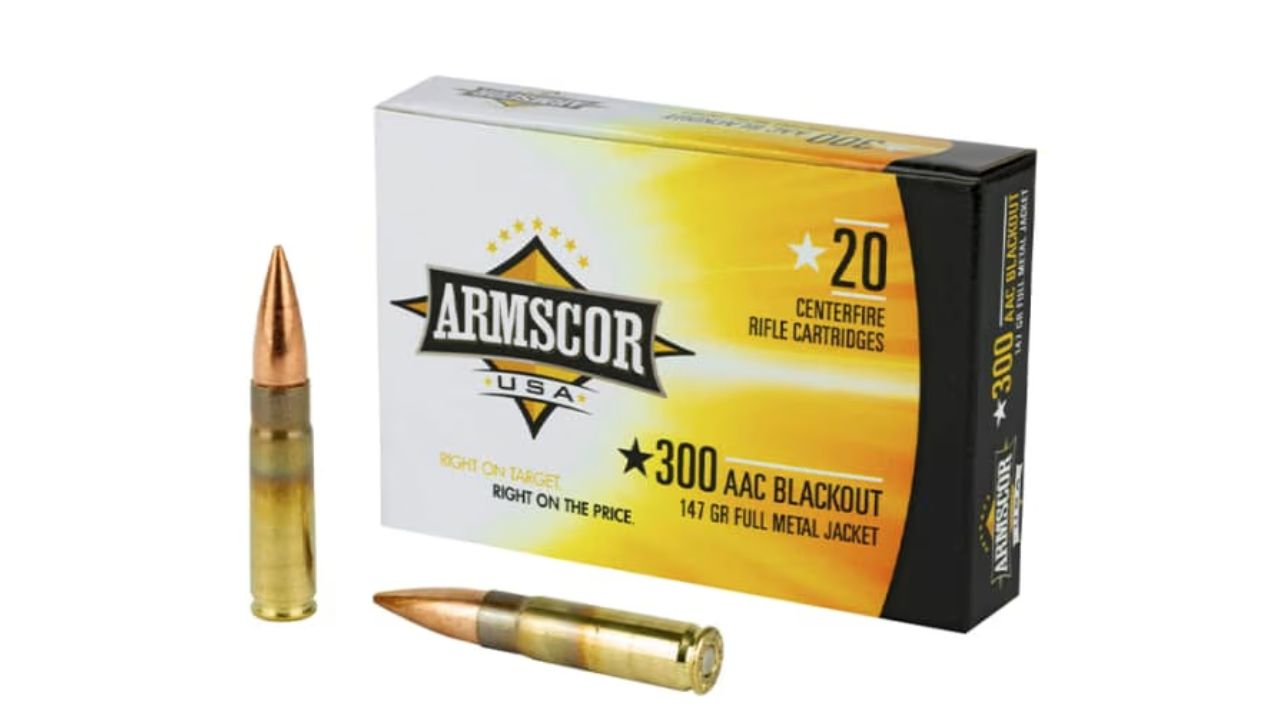
The .300 Blackout is useful in compact rifles and suppressed setups. It makes sense for hogs, close-range deer, and defensive-style carbines when loaded properly. That specific usefulness is why it has such a strong following.
But for a one-gun hunting rifle, it is too range-limited. Subsonic loads are not a normal deer answer, and supersonic loads still do not offer the reach or energy of common deer cartridges. It is a great specialty round, not the rifle caliber to choose if one gun has to cover everything.
7.62x39mm
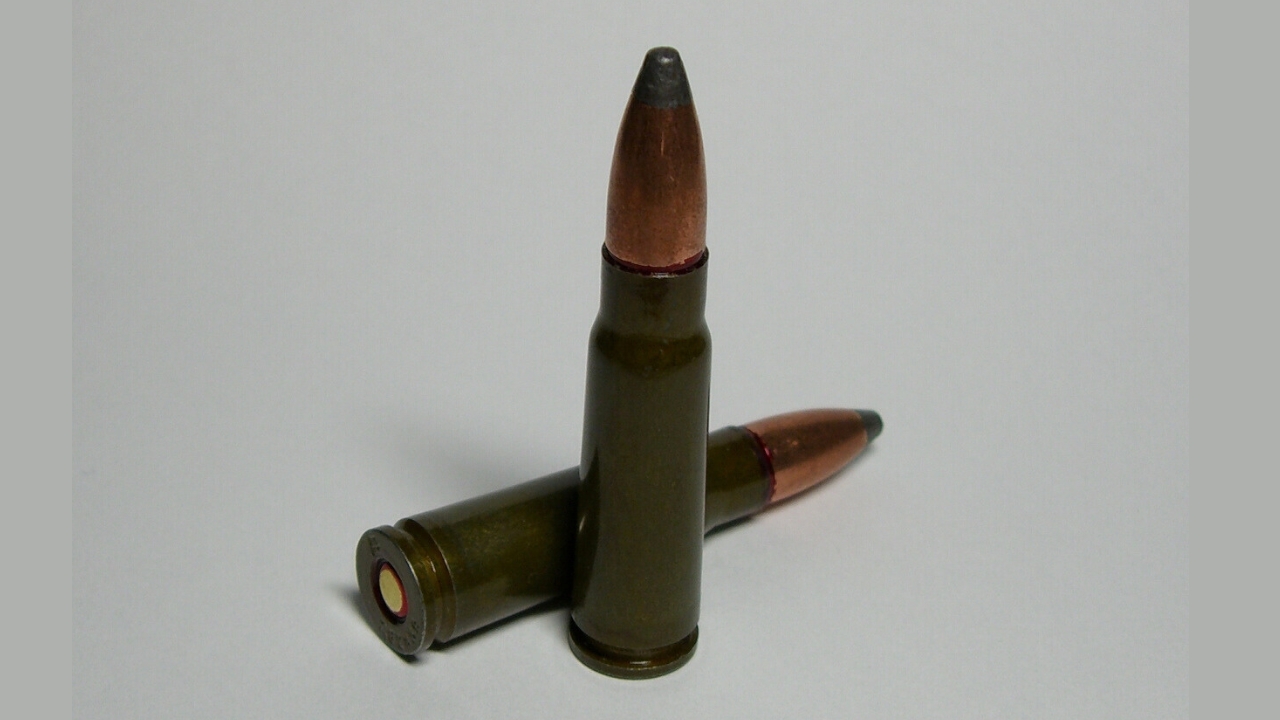
The 7.62x39mm can work for deer and hogs at close range with proper soft-point ammunition. It is mild, handy, and often chambered in rifles that are easy to carry. For short-range hunting, it can be practical.
As a one-gun caliber, it falls short. Ammo quality varies, bullet selection is not as broad as .308 or .30-06, and range is limited. It may handle close woods hunting, but it is not the cartridge most hunters should trust for open fields, larger game, or one rifle that has to do it all.
.30 Carbine

The .30 Carbine sounds like it should be more capable than it is because it comes from a real military rifle. The M1 Carbine is handy, light, and fun, so some people want to make the cartridge do more than it should.
For hunting, it is too limited. Bullet selection is narrow, energy is modest, and it lacks the authority most hunters want for deer. It may have a role for small game or pests in some places, but it is a bad answer for a one-rifle hunter.
.243 Winchester

The .243 Winchester is not a bad deer cartridge. In fact, it is one of the better mild-recoiling deer rounds ever made. For youth hunters, smaller-framed shooters, and careful shot placement, it works very well.
The issue is the one-gun requirement. If the hunter may someday chase elk, black bear, bigger hogs, or large-bodied mule deer, the .243 starts feeling thin. It can work inside its lane, but it does not give enough margin across enough animals to be the best only rifle.
6mm Creedmoor

The 6mm Creedmoor is accurate, mild, and excellent for target work. With the right hunting bullets, it can take deer and antelope cleanly. It is not weak when used correctly.
Still, it is not ideal as a one-gun hunting cartridge. It leans heavily toward precision shooting, and many factory loads are built around target bullets rather than hunting bullets. For a hunter who wants one rifle for everything, stepping up to 6.5 Creedmoor, 7mm-08, .308, or .270 usually makes more sense.
6.5 Grendel
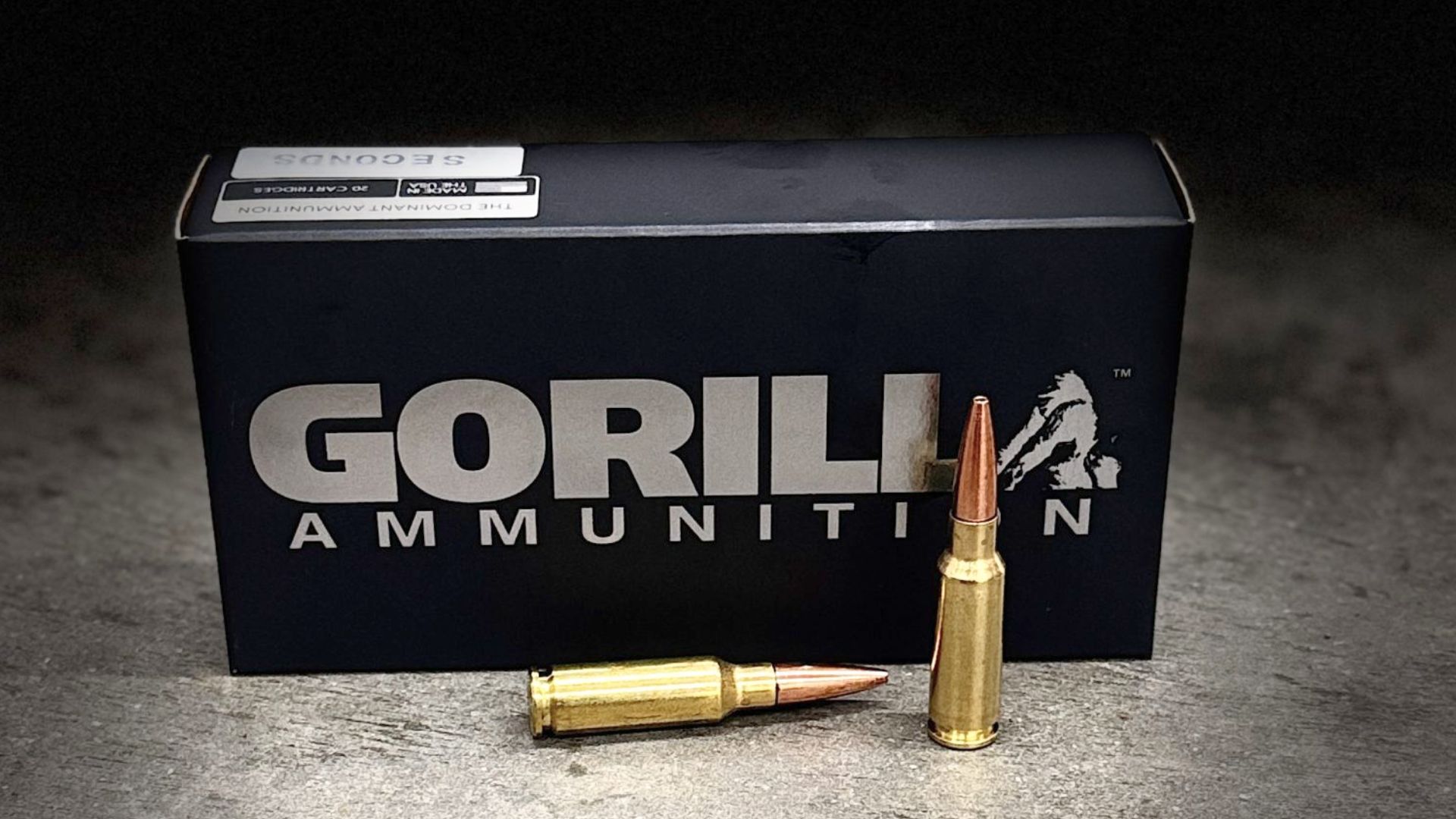
The 6.5 Grendel is one of the better hunting cartridges for the AR-15 platform. It gives more authority than .223 and performs well on deer and hogs inside reasonable ranges. In that lane, it is a smart cartridge.
But the one-gun hunter should be careful. The Grendel is still limited by case capacity, platform expectations, and range. It is not a true replacement for a full-power bolt-action deer rifle. If someone wants one rifle for deer, elk, bear, hogs, and open-country shots, the Grendel is too narrow.
.350 Legend
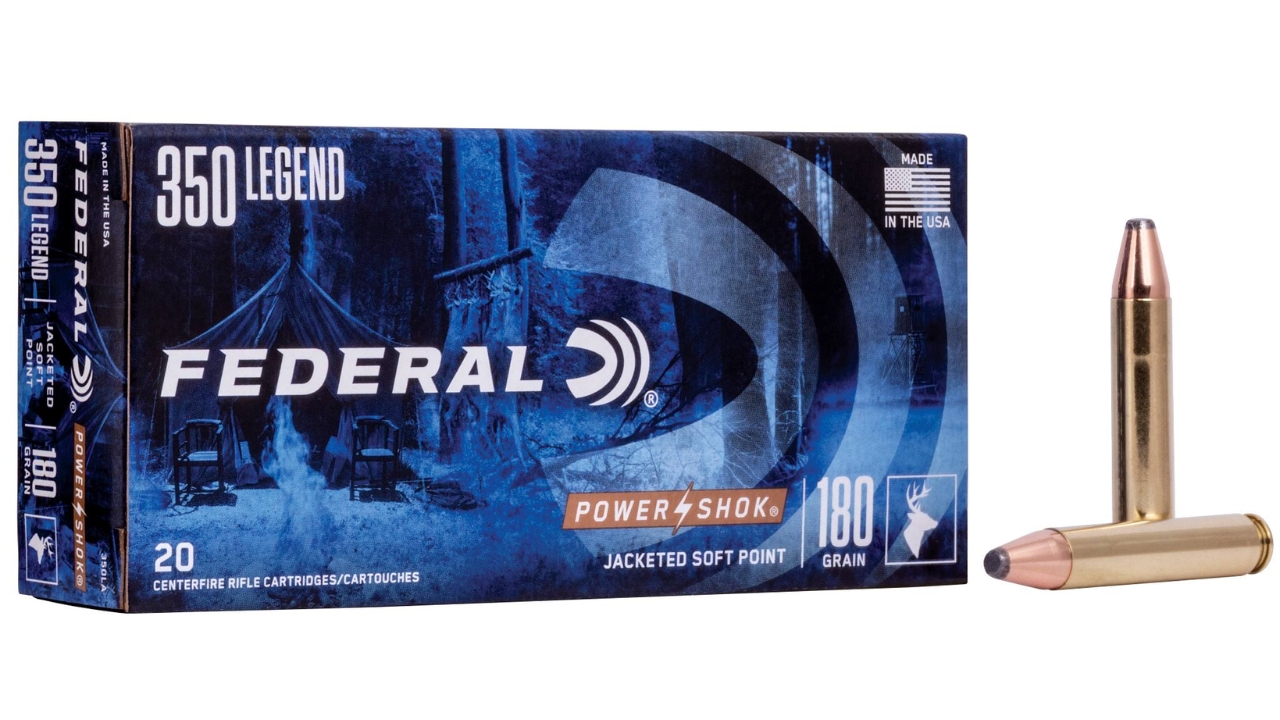
The .350 Legend is useful because straight-wall regulations created a need for it. It is mild, affordable, and practical for deer inside reasonable range. For hunters in restricted states, it can be a very sensible choice.
Outside that regulation lane, it is not a strong one-gun caliber. It lacks the reach and versatility of common bottleneck cartridges. A hunter who is not legally restricted will usually be better served by .308, 7mm-08, .270, or .30-06. The .350 Legend solves a rule problem, not an all-around hunting problem.
.360 Buckhammer
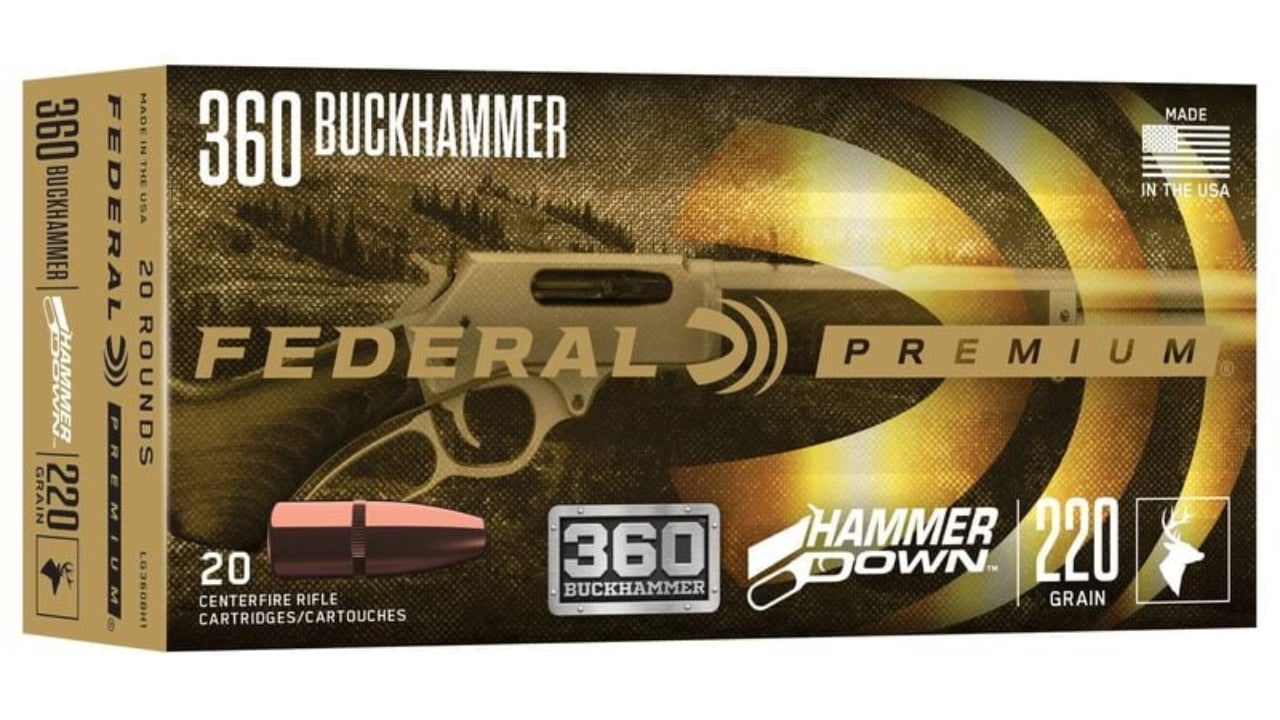
The .360 Buckhammer has a great name and a real purpose in straight-wall deer country. It makes sense for lever-action fans and hunters who stay inside woods ranges. It can absolutely be useful.
But it is still too specialized for one rifle. Ammo and rifle support are limited compared with more established cartridges, and it does not offer the reach or broad usefulness of mainstream deer rounds. It may be a good second or third rifle. It is not the best only rifle.
.450 Bushmaster

The .450 Bushmaster hits hard and works well for straight-wall deer hunters who want authority at close to moderate ranges. It gained popularity because it filled a real gap in states that limited rifle options.
The problem is that a one-gun hunter needs more than close-range thump. The .450 brings recoil, blast, expensive ammo, and a rainbow trajectory compared with common bottleneck cartridges. It is powerful, but not versatile. For one rifle, it is too much in some ways and too limited in others.
.45-70 Government
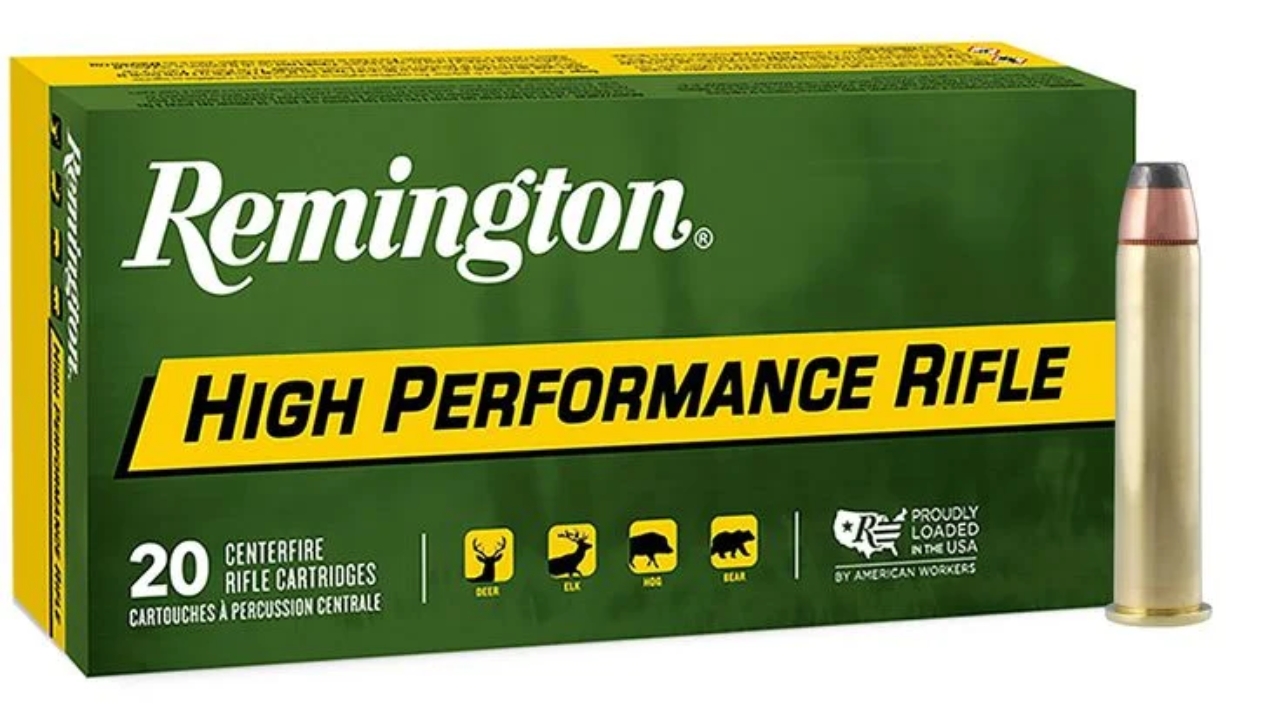
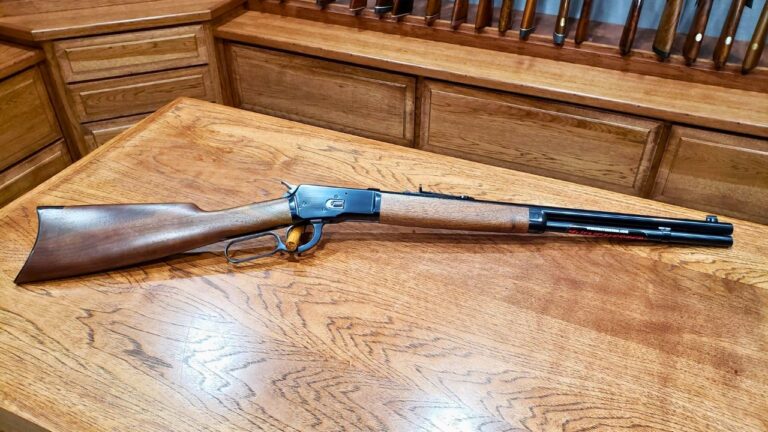
The .45-70 Government is historic, powerful, and extremely effective in the right setting. In a lever gun, it is a great woods cartridge for deer, hogs, black bear, and even larger game with the right loads.
But as a one-gun caliber, it asks for too many compromises. Trajectory is arched, recoil can be stout, ammo is expensive, and load selection can be confusing. It is excellent for hunters who know exactly why they want it. It is not the best answer for someone who needs one rifle to cover both timber and open country.
.44 Magnum rifle
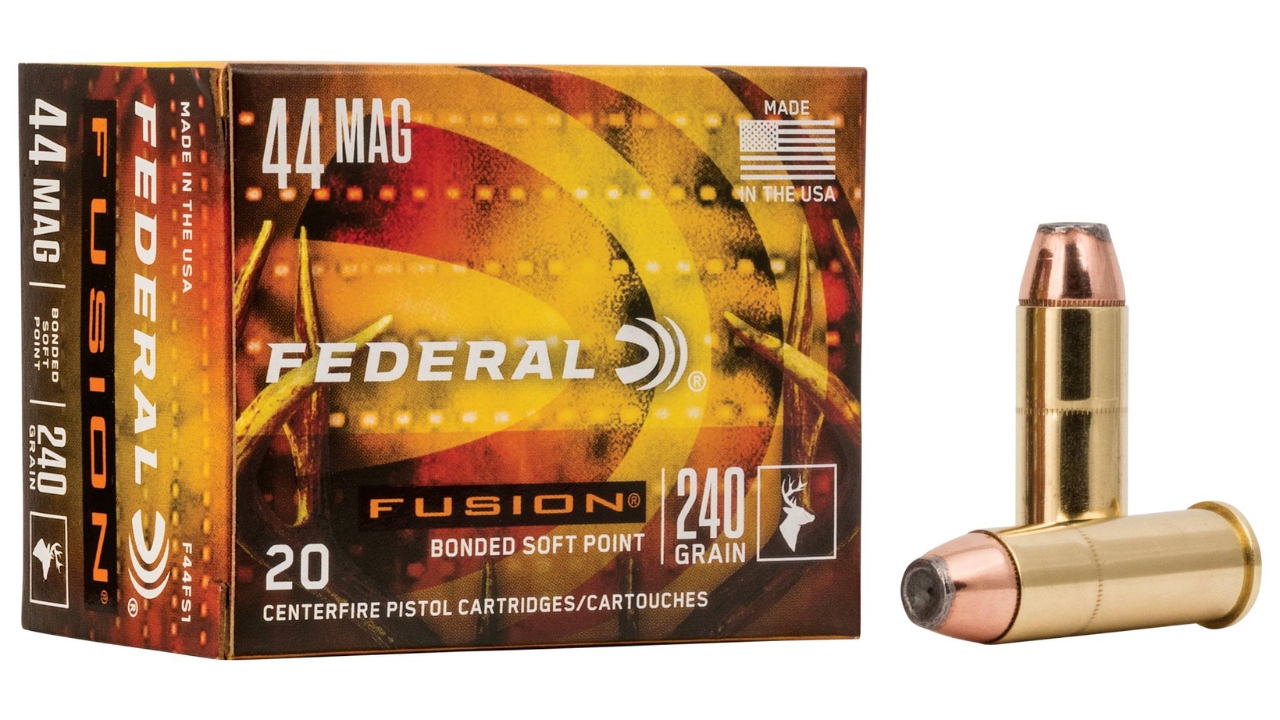
A .44 Magnum carbine is handy, fun, and useful in thick woods. It works well for close-range deer and hogs, especially in lever actions or compact carbines. It is easy to carry and fast to point.
That does not make it an all-around rifle caliber. Range is limited, trajectory drops quickly, and energy fades compared with true rifle cartridges. It is a great woods gun, but a one-gun hunter will eventually run into a shot or season where .44 Magnum feels too small.
.357 Magnum rifle

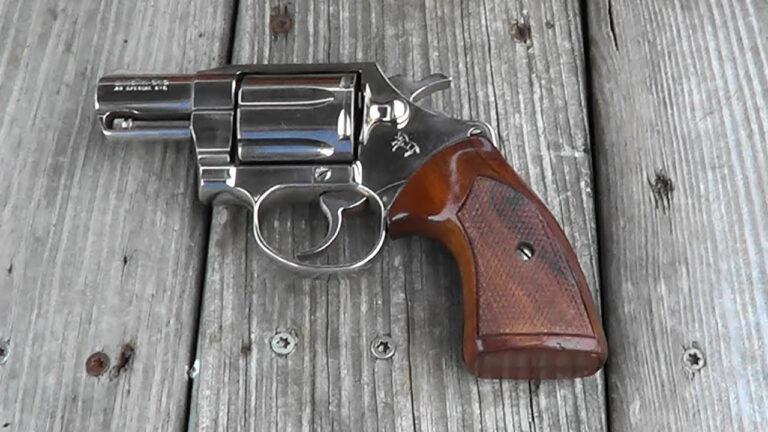
The .357 Magnum from a rifle is much more useful than many people expect. It can handle small game, pests, and close-range deer with the right loads where legal. It is also cheap and pleasant to shoot with .38 Special.
But it is still not a true all-purpose hunting rifle caliber. It lacks reach, power, and bullet weight for larger game. As a fun utility carbine, it is excellent. As the only hunting rifle in the safe, it leaves too many gaps.
.25-06 Remington
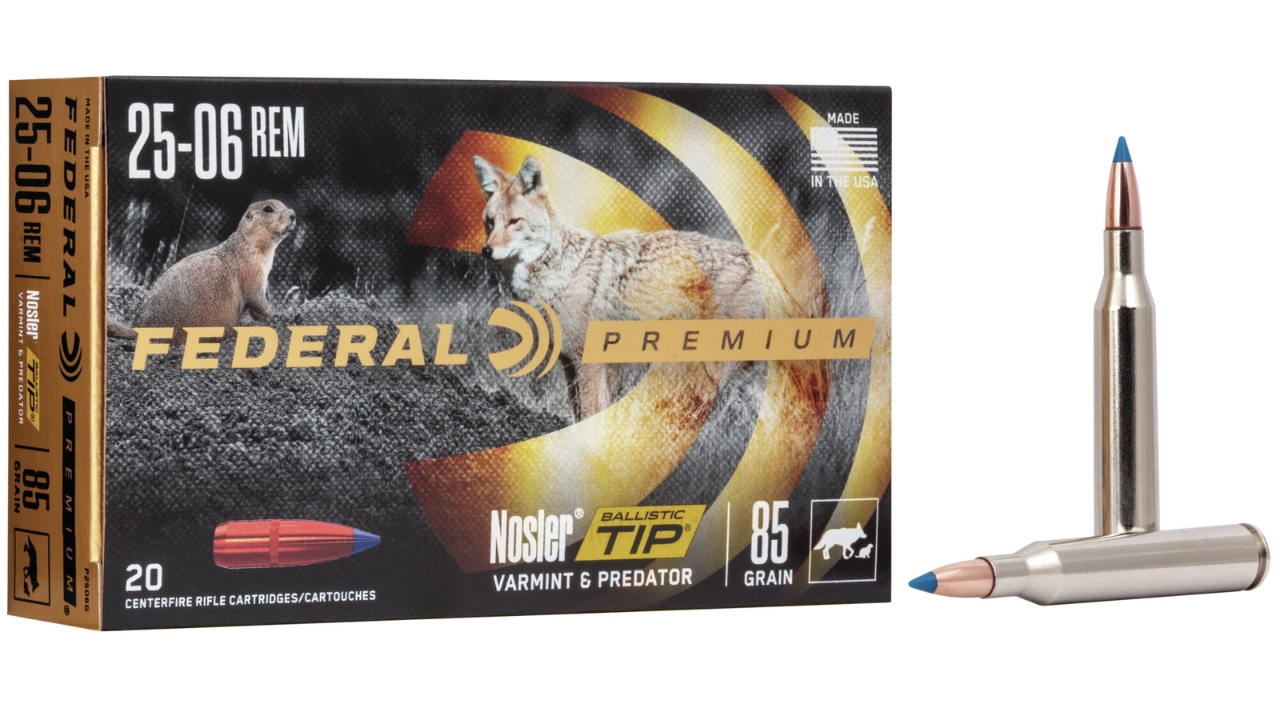
The .25-06 Remington is a very good deer and antelope cartridge. It shoots flat, recoils mildly, and works beautifully in open country. It is not on this list because it fails at its job.
It is here because one-gun hunters often need broader flexibility. The .25-06 is light for elk, not as widely supported as .270 or .308, and not as flexible with heavy bullets. It is a fine specialized deer and pronghorn round, but not the best one-rifle choice for someone who wants to cover everything.
.257 Roberts

The .257 Roberts has class, mild recoil, and enough deer performance to keep loyal fans happy. It is one of those cartridges that feels better than its modern popularity suggests. In a good rifle, it is easy to like.
The problem is availability and versatility. Factory ammo is limited compared with common deer rounds, rifles are not everywhere, and the cartridge does not give a one-gun hunter enough big-game headroom. It is a charming cartridge, but charm does not help when you need ammo on short notice.
.264 Winchester Magnum
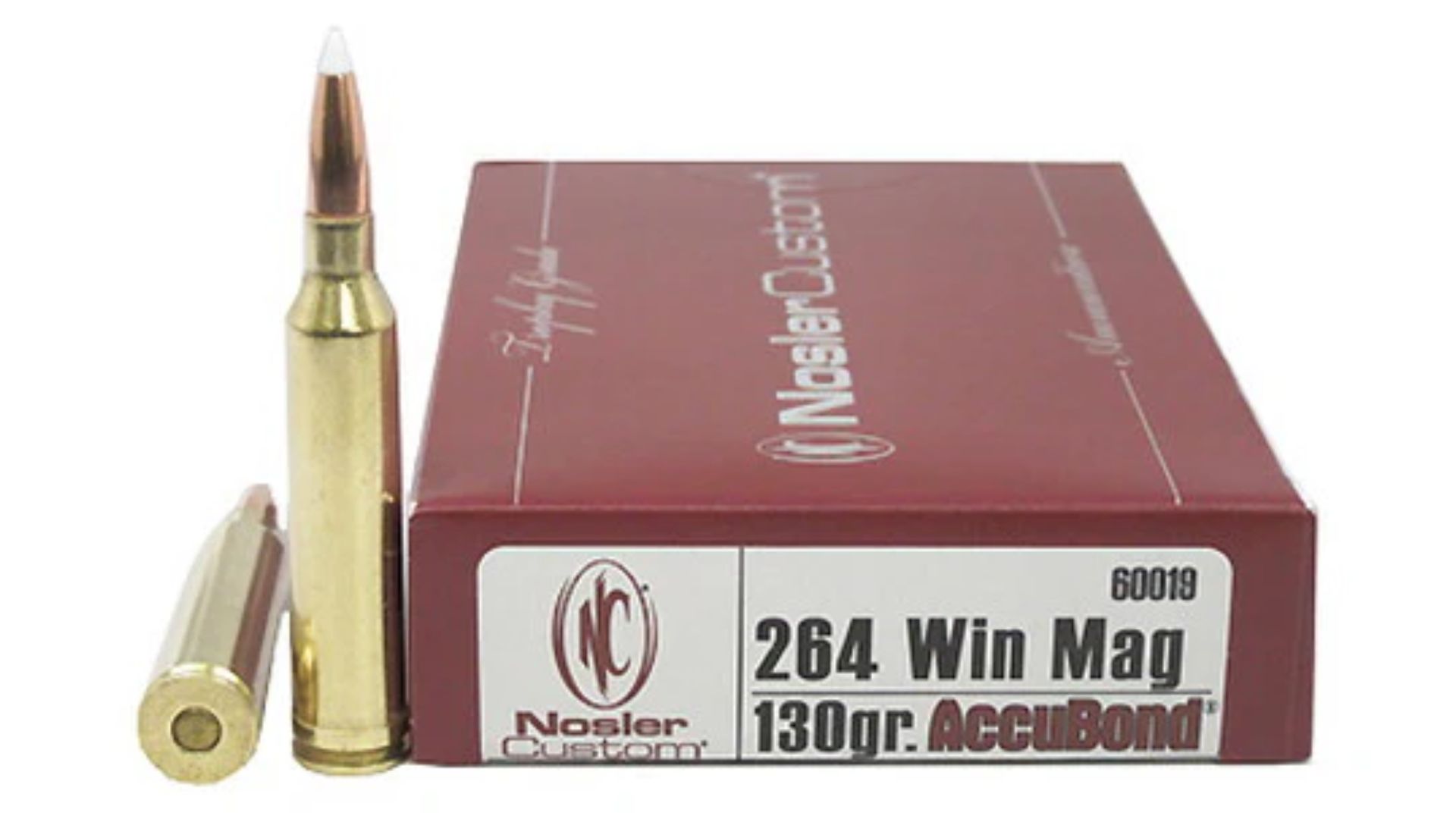
The .264 Winchester Magnum sounds like a great all-around Western cartridge because it is fast, flat, and uses high-performing 6.5mm bullets. It has always had a certain cool factor.
But it is not a practical one-gun answer for most hunters. Ammo availability is limited, barrel life can be a concern, and modern 6.5 and 7mm cartridges have taken much of its old appeal. It is interesting, but choosing it as your only hunting rifle makes life harder than it needs to be.
6.5-300 Weatherby Magnum
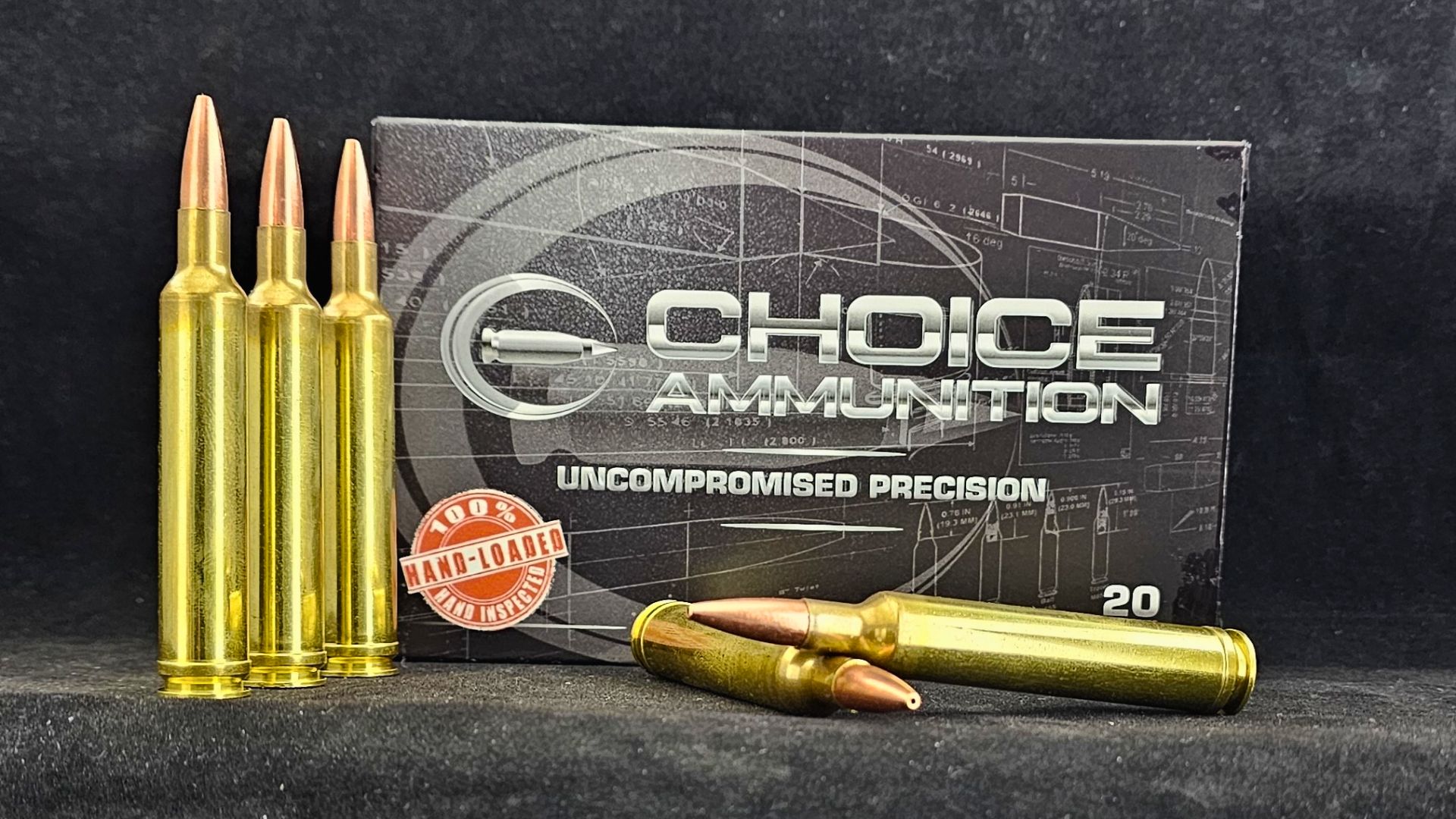
The 6.5-300 Weatherby Magnum sounds like the ultimate fast 6.5. It is flat-shooting, powerful, and impressive on paper. For the right open-country hunter, it can be a serious performer.
For a one-gun hunter, it is too intense and too specialized. Ammo is expensive, recoil and blast are real, barrel life is not friendly, and the performance is more than most deer hunters need. A one-rifle cartridge should be easy to live with. This one is exciting, but not easy.
.28 Nosler

The .28 Nosler is powerful, flat, and very capable for long-range hunting. It has real strengths, especially for experienced hunters who want high-performance 7mm bullets. It is not on this list because it lacks ability.
It is on the list because it is too much cartridge for many one-gun hunters. Recoil, ammo cost, barrel wear, and rifle weight all matter. If someone mostly hunts deer inside normal ranges, the .28 Nosler is overkill. A do-all rifle should be powerful enough, not punishing enough to discourage practice.
.300 Remington Ultra Magnum

The .300 RUM looks like a perfect do-all cartridge if all you read are ballistic charts. It is fast, powerful, and capable at long range. It can handle deer, elk, moose, and more.
The problem is that most hunters do not shoot it enough to take advantage of it. Recoil is heavy, ammo is expensive, and rifles can be long and loud. For one gun, the cartridge often becomes more burden than benefit. A .308, .30-06, or .300 Win. Mag. is usually easier to live with.
.338 Lapua Magnum

The .338 Lapua Magnum is a serious long-range cartridge, but that does not make it a sensible one-gun hunting round. It is powerful, expensive, and designed for distances and roles most hunters will never touch.
As a lone hunting rifle, it is absurd for most people. Rifles are heavy, ammo costs a fortune, recoil is significant, and it is far more gun than deer or normal elk hunting requires. It is impressive, but a one-gun hunter needs practical more than impressive.
Like The Avid Outdoorsman’s content? Subscribe to our newsletter so you never miss an article.
Here’s more from us: