Photo credit: DeltaArmory LLC/GunBroker
Some guns manage to feel solid and dependable even when they’re affordable. Others, no matter what you spend, never shake the sense that corners were cut. It’s not always about reliability—sometimes the gun works fine—but the overall build, materials, or design leave you feeling like it isn’t worth the price tag. From rattly frames to plastic parts that don’t inspire confidence, certain firearms carry that “cheap” impression whether they’re entry-level or sold at a premium. Here are the guns that continue to feel flimsy no matter how much you pay for them.
Hi-Point Pistols

Hi-Point pistols have a reputation for being affordable, but even if you paid more for one, the feel wouldn’t improve. Their bulky slides, rough machining, and heavy triggers make them feel clunky in the hand. The grips are blocky, and the controls lack the smoothness you expect from a well-built handgun. While they usually run and can be surprisingly reliable, the user experience screams budget.
Shooters often describe them as awkward to handle, with ergonomics that make practice sessions less enjoyable. The stamped and cast parts don’t provide the kind of fit and finish you’d find even in modestly priced competitors. Reliability may keep them relevant, but in terms of feel, Hi-Points have never managed to escape the cheap impression. You could double or triple the price and still end up with a pistol that feels more like a tool cobbled together than a refined sidearm.
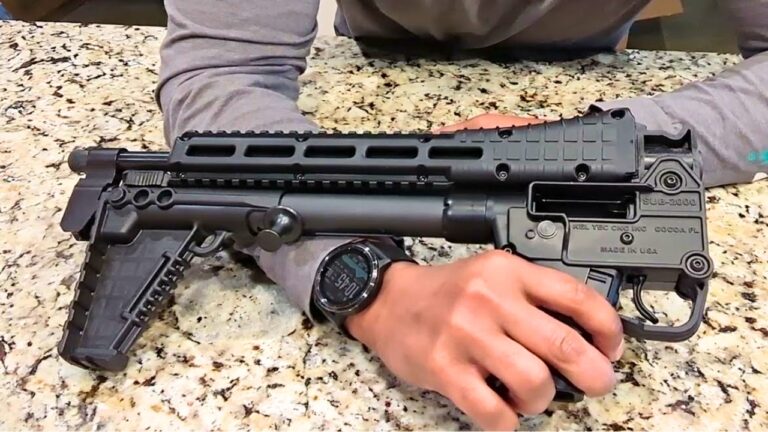
Kel-Tec SUB-2000

The Kel-Tec SUB-2000 has always drawn attention for its folding design and lightweight build, but when you handle one, it feels more like a budget experiment than a serious carbine. The polymer furniture is rough, the folding mechanism feels flimsy, and the trigger leaves a lot to be desired. Even though it’s functional and practical in some ways, the overall impression is toy-like.
Owners often mention that while it’s fun at the range, it lacks the sturdiness you’d want if you planned to rely on it regularly. The lightweight design makes recoil feel snappy for a pistol-caliber carbine, and the lack of refinement in controls and ergonomics adds to the “cheap” feel. While affordable compared to some competitors, even a higher price wouldn’t disguise the impression it leaves. The SUB-2000 delivers on portability, but when it comes to shooting experience and build quality, it never rises above feeling like a budget gun.
Jimenez Arms Pistols

Jimenez Arms pistols fall into the same category as other so-called “Saturday Night Specials.” They’re small, lightweight, and built from inexpensive materials like zinc alloy. Even if someone charged a premium, the gun would still feel like it came out of a bargain bin. The triggers are rough, the safeties feel fragile, and the overall handling doesn’t inspire confidence.
Owners frequently report that the guns are serviceable only in the loosest sense. They fire, but the reliability is inconsistent, and the controls often feel imprecise. The lightweight frames add to the impression of cheapness, making the recoil snappier than you’d expect for such small calibers. While these pistols appeal to those on the tightest budgets, their reputation for feeling disposable follows them no matter what. The Jimenez brand became known for producing firearms that seemed more like placeholders than long-term tools. Raising the price tag wouldn’t change that impression.
Taurus Spectrum

The Taurus Spectrum was marketed as a modern pocket pistol with customizable grips and a sleek look, but handling one tells a different story. The grip panels feel flimsy, the trigger is long and inconsistent, and the controls lack the crispness you’d expect even from a budget defensive pistol. The lightweight frame exaggerates recoil, making it less comfortable than other .380 pistols in the same category.
Shooters often describe the gun as plasticky and awkward, especially compared to slightly more expensive competitors like the Ruger LCP II. While it functions, it doesn’t deliver the kind of confidence or durability you want in a carry pistol. Even if you priced it higher, the overall impression wouldn’t change—it still feels cheap. The Spectrum shows how cosmetic styling doesn’t make up for poor execution. At the end of the day, shooters value reliability and quality over flashy looks, and the Spectrum misses the mark on both counts.
Cobra Derringers

Cobra derringers look old-fashioned and appealing at first, but handling one quickly changes that impression. The guns feel loose in their construction, with heavy triggers and rough controls that don’t inspire confidence. Even though they can be affordable, the finish and fit often resemble something closer to a novelty item than a serious firearm.
Shooters who’ve tried them report misfires and reliability issues, which only reinforce the impression of cheapness. The derringer design already has limitations, but Cobra’s execution makes them more of a conversation piece than a dependable gun. Even if they cost significantly more, you’d still have the same heavy trigger, the same rudimentary sights, and the same feeling that the gun was built down to a price. For most shooters, these derringers are fun to handle once or twice, but the cheap impression lingers no matter what you paid to get one.
Jennings Pistols

Jennings pistols are another entry in the long line of budget handguns from companies focused on the lowest price point possible. They’re small, lightweight, and chambered in calibers like .22 LR and .25 ACP. The materials and machining leave much to be desired, with rough finishes and components that feel fragile. Handling one, you immediately sense the lack of refinement.
Many shooters who’ve tried them report unreliable feeding and extraction, which adds to the impression that these guns weren’t built for serious use. The cheap zinc alloy frames and slides don’t inspire confidence, and the ergonomics are basic at best. Even if someone marked up the price, the Jennings would still feel like a cut-rate handgun. They’ve always carried the reputation of being disposable, and nothing about the design or construction suggests otherwise. It’s the kind of gun that feels cheap the moment you pick it up, regardless of what you paid.
Rossi .38 Special Revolvers

Rossi has made revolvers for decades, but their .38 Special models often carry a reputation for feeling inexpensive. Compared to Smith & Wesson or Ruger wheelguns, the Rossi’s triggers are heavier and less consistent. The fit and finish tend to be rough, with sharp edges or uneven bluing that signal cost-cutting. Even if you paid more, those qualities wouldn’t disappear.
Shooters who’ve owned them often say the guns work, but they lack the reassuring heft and smoothness of more refined revolvers. The actions can feel gritty, and the long-term durability doesn’t match competitors. While they may be serviceable for casual shooting, they don’t inspire the same trust you’d want in a defensive revolver. The perception of cheapness comes not just from price, but from handling and comparing it side by side with better-built options. No matter how you dress it up, a Rossi .38 still feels like a budget revolver.
Raven Arms Pistols

Raven Arms pistols became infamous as one of the archetypal “Saturday Night Specials.” Made from inexpensive zinc alloy, these small .25 ACP pistols feel cheap from the first time you pick one up. The slides rattle, the triggers are heavy, and the controls are minimal. Even though they were priced low, the construction and feel would have seemed cheap even at a higher cost.
Shooters report that while some Ravens can function reliably, many suffer from feeding and extraction problems. The ergonomics are uncomfortable, and the small size makes them unpleasant to fire for extended sessions. More than anything, they lack the confidence you get from better-built pistols in the same category. Raven’s reputation was cemented by producing handguns that seemed disposable, and nothing about their construction suggested longevity. Even if you imagined paying premium prices, the feel wouldn’t change—they’d still come across as flimsy and cheap.
Charter Arms Revolvers (Older Models)

Charter Arms has made a name for affordable revolvers, but older models in particular often feel cheap compared to more established brands. The actions are rough, the triggers heavy, and the overall fit leaves gaps and rattles that signal cost-cutting. While functional, the impression is that of a gun designed with price first and quality second.
Owners often note that while Charter Arms revolvers work, they don’t carry the same smoothness or durability you get from Smith & Wesson or Ruger. The lightweight frames make recoil harsher, and the finish tends to wear quickly. Even at a higher price, those qualities wouldn’t disappear. The brand has improved in recent years, but the older models built the reputation of feeling cheap. If you’ve handled one side by side with a premium revolver, the difference is obvious. It’s the kind of gun that feels underbuilt, no matter what you paid for it.
Zastava M70 Pistols

The Zastava M70 pistols, chambered in .32 ACP, are small handguns with a reputation for being utilitarian but cheap in feel. The triggers are heavy, the controls stiff, and the machining often rough. While they’re functional and have served in military roles, handling one makes it clear the focus was on economy rather than refinement.
Shooters often describe them as rattly, with finishes that wear quickly and ergonomics that feel outdated. Compared to other pocket pistols, the M70 doesn’t inspire confidence in its build quality. Even if priced higher, the handling experience wouldn’t change—the heavy trigger and basic design would still feel cheap. While they have historical interest, they’re not guns that make you think of quality when you shoot them. The M70 is an example of how a firearm can be serviceable yet still feel underwhelming the moment you pick it up.
SCCY Pistols

SCCY pistols are marketed as affordable carry guns, but their feel often betrays the budget build. The polymer frames feel light and plasticky, the triggers are long and heavy, and the overall shooting experience is harsh compared to slightly more expensive options. Even though they’re functional, they don’t inspire the same confidence as higher-quality handguns.
Shooters often find that the snappy recoil and basic ergonomics make range sessions less enjoyable. The guns may run reliably, but the impression remains that they’re built to a price point and nothing more. Even if you added a higher price tag, the lightweight construction and rough trigger wouldn’t feel any different. SCCY pistols fill a niche, but they carry the reputation of feeling cheap in hand. For many shooters, they end up being starter guns that eventually get traded in for something that feels sturdier and more refined.
Phoenix Arms Pistols

Phoenix Arms pistols, often chambered in .22 LR, are small, inexpensive handguns that always feel like budget pieces. The materials, weight, and finish all contribute to an impression of cheapness. The triggers are mushy, the controls stiff, and the overall ergonomics awkward. While they can be reliable enough for casual shooting, they never feel like a high-quality firearm.
Owners often use them as range toys or backups, but few describe them as confidence-inspiring. The zinc alloy construction adds to the perception that they’re closer to disposable than durable. Even if you imagined them selling at a premium price, the feel wouldn’t match the tag. They’re designed to be affordable above all else, and that shows every time you handle one. Phoenix Arms pistols work for what they are, but they never shake the sense of being cheaply made. That impression follows them no matter the context.
*This article was developed with AI-powered tools and has been carefully reviewed by our editors.