Photo credit: BigDaddyHoffman1911/Youtube
Selling a gun can feel perfectly reasonable in the moment. Maybe it hasn’t been shot in years. Maybe the cash is going toward something newer. Maybe the seller thinks the gun is common enough to replace later. Then the deal is done, the money disappears, and the regret starts creeping in.
The hardest guns to lose are usually the ones that had something you didn’t fully appreciate until they were gone. Maybe they handled better than the replacement, climbed in value, or filled a role nothing else quite covers. These are the guns that make sellers wish they could take the deal back.
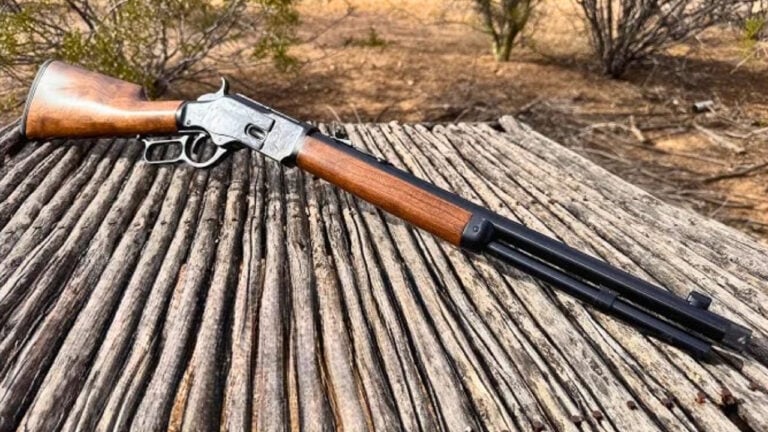
Marlin 1894C
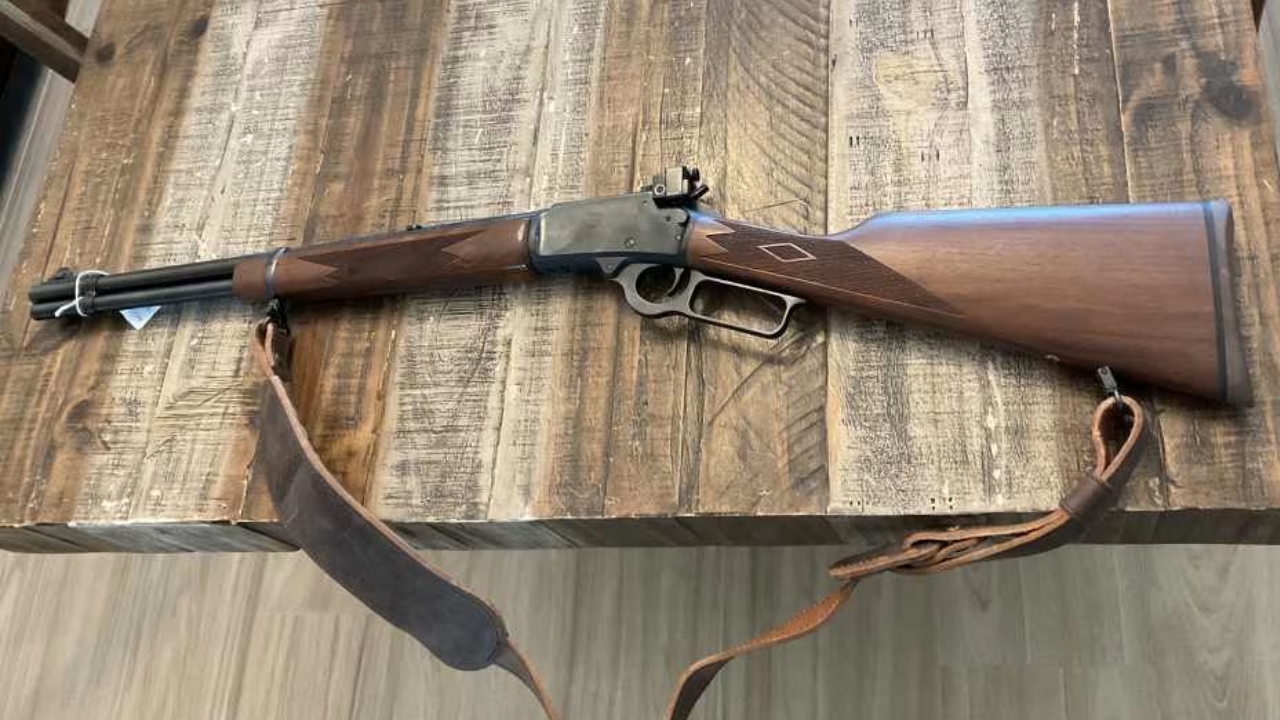
The Marlin 1894C is one of those rifles that can make sellers regret the deal fast. A .357 Magnum lever-action carbine seems useful, but not always irreplaceable, until the owner starts looking for another one. Then the prices and availability make the old sale feel a lot worse.
The 1894C is handy, light, and flexible in a way most rifles aren’t. It can run .38 Special for easy practice and .357 Magnum for field use where legal and appropriate. Around rural property, at the range, or in thick cover, it fills a lane that’s hard to replace cleanly. Sellers who let a smooth-feeding one go often realize the cash was temporary, but the rifle’s usefulness was not.
Smith & Wesson Model 19
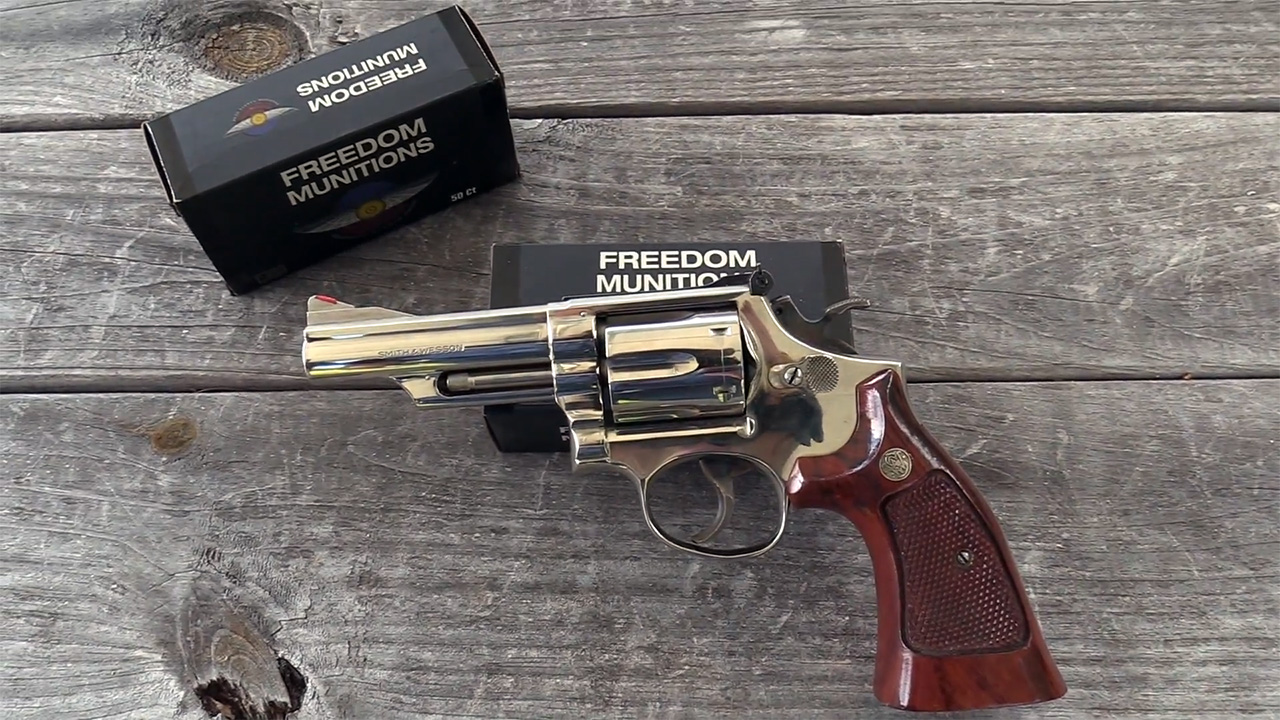
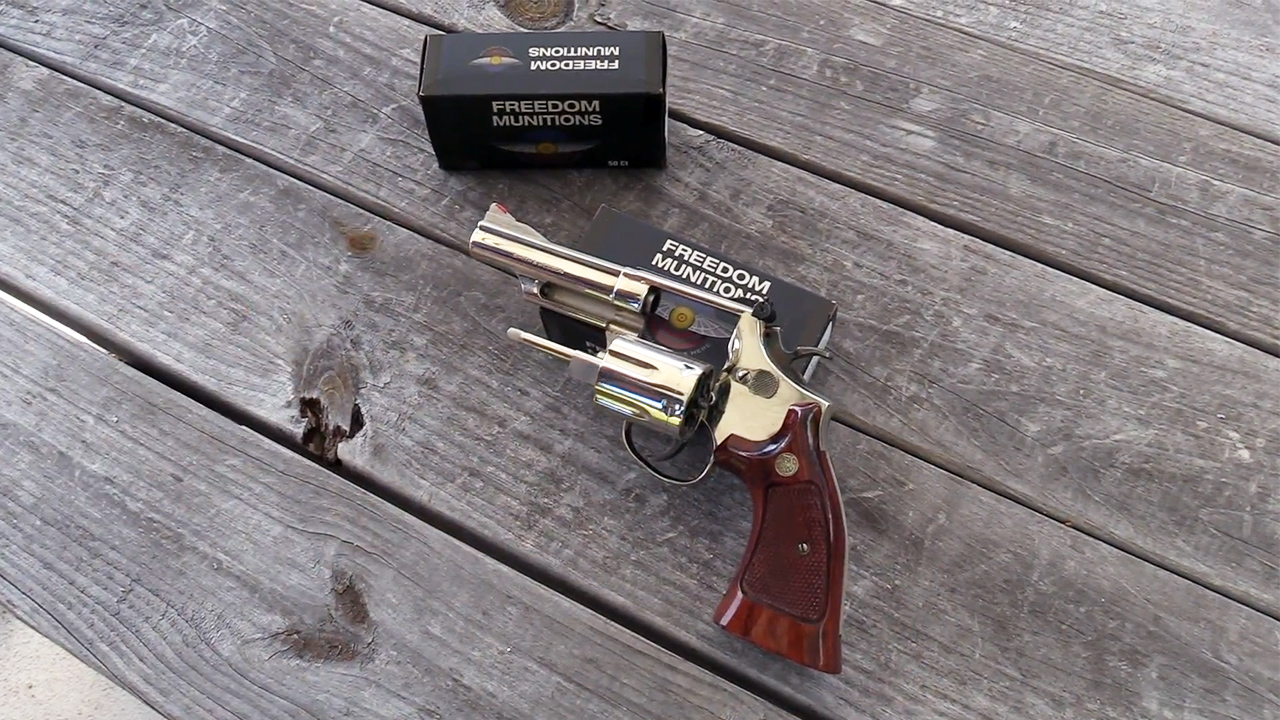
The Smith & Wesson Model 19 can feel replaceable until it’s gone. A seller may think any .357 Magnum revolver can take its place, especially with bigger, stronger options like the 686 or GP100 available. That sounds logical until the owner starts missing the K-frame balance.
The Model 19 carries better than larger magnums, shoots .38 Special beautifully, and handles sensible .357 Magnum loads with a natural feel. It’s not built for endless hot magnum abuse, but that was never its best role. A clean Model 19 has a combination of elegance, usefulness, and shootability that is difficult to duplicate. Sellers who let one go often learn that bigger is not always better.
Winchester Model 9422
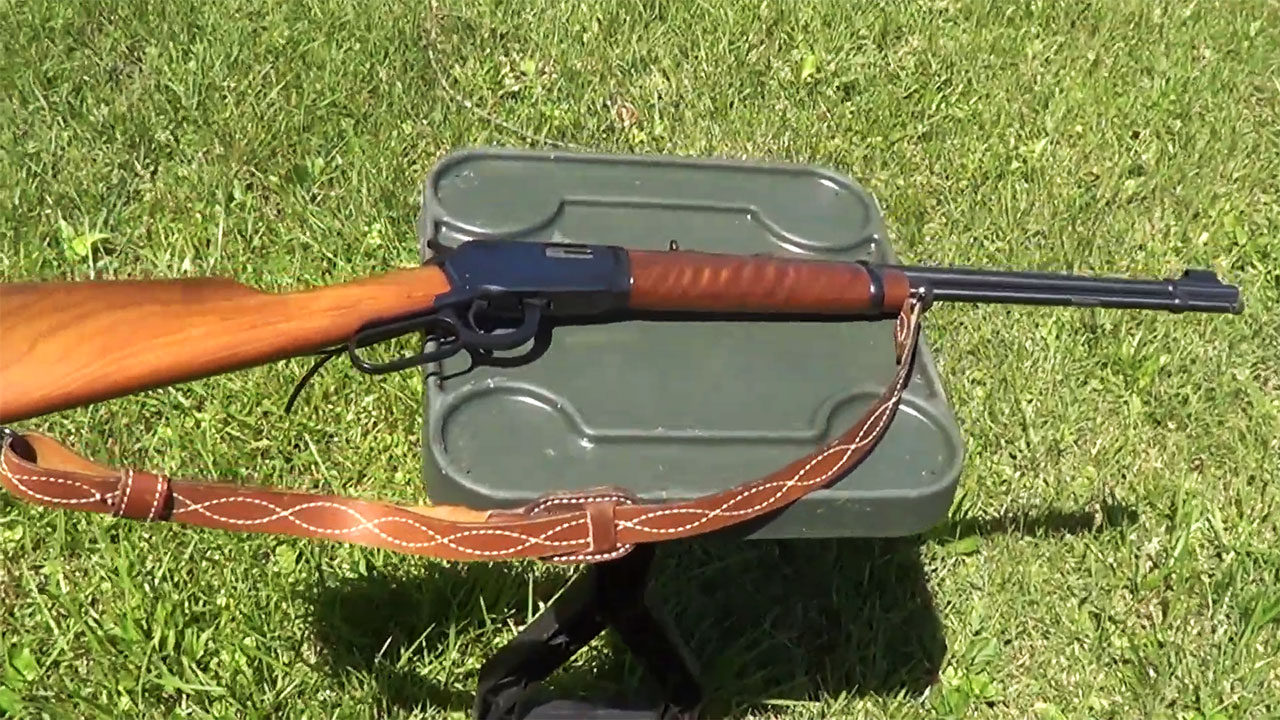
The Winchester Model 9422 is the kind of rimfire people regret selling because they underestimate how much a good .22 matters. At the time, it may feel like a fun little lever gun that can be replaced with another rimfire later. That thinking usually doesn’t survive the used-market search.
The 9422 is smooth, well-built, and enjoyable for almost every kind of shooter. It works for small game, plinking, and teaching new shooters, but it also has enough quality to keep experienced owners attached. A cheaper .22 may shoot fine, but it won’t feel like a Winchester 9422. Sellers who moved one along often realize too late that they sold one of the most-used, most-liked rifles they owned.
SIG Sauer P228

The SIG Sauer P228 can make sellers wish they had paused before taking the money. It’s not the newest compact 9mm, and modern pistols beat it on weight, capacity options, optics support, and simplicity. That makes selling one seem reasonable if the owner is thinking only about features.
Then the replacement gets shot, and the difference shows up. The P228 has classic SIG balance in a compact package, with an alloy frame that feels steady without being full-size heavy. It shoots like a serious service pistol while carrying smaller than the P226. Clean examples aren’t getting easier to find, and good magazines matter. Sellers often discover that replacing the category is easy. Replacing the feel is the hard part.
Marlin 336 JM-Stamped Rifles
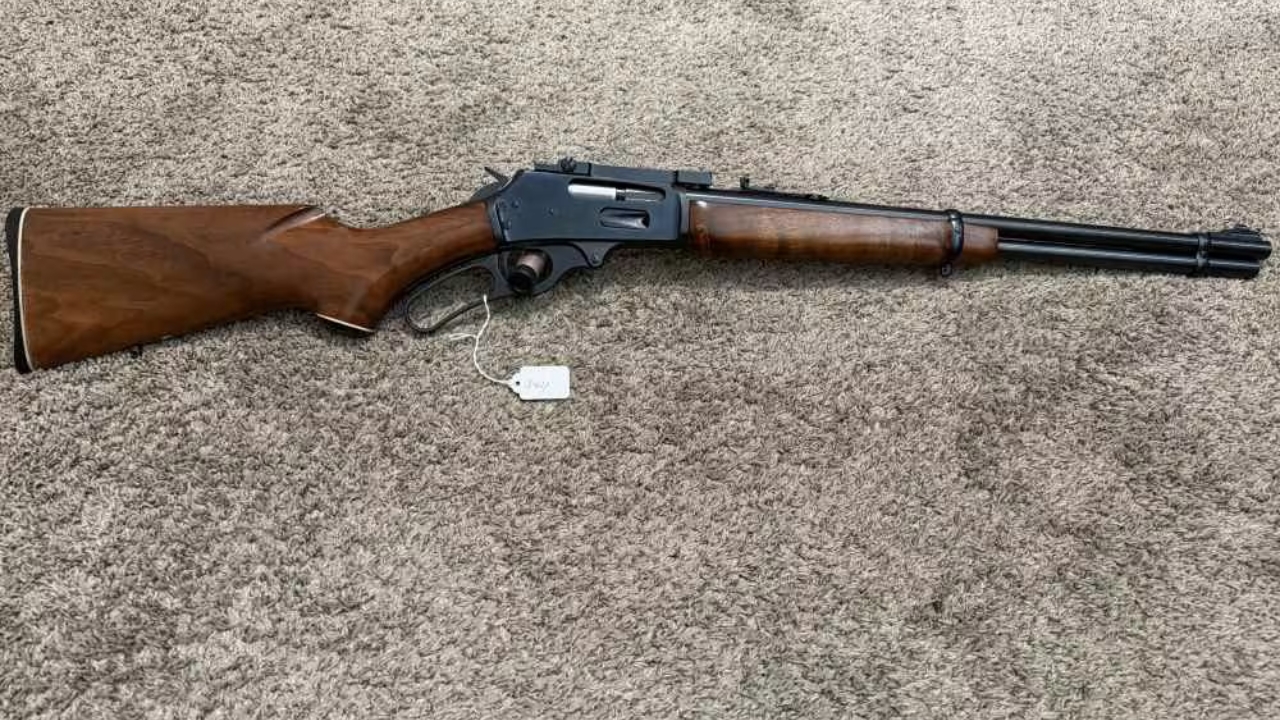
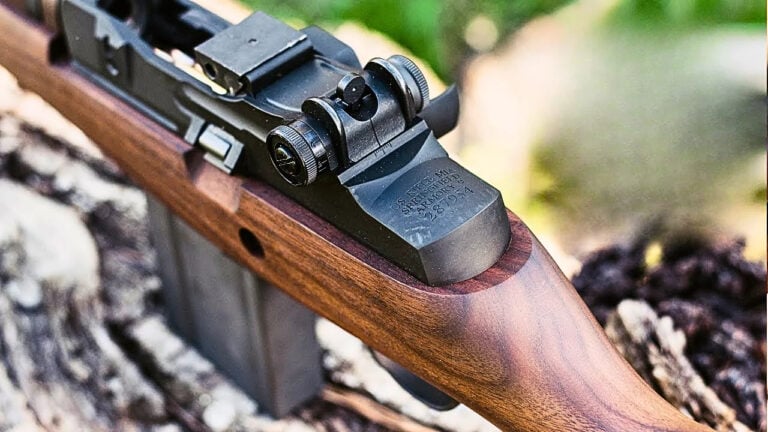
A Marlin 336 used to seem common enough that selling one didn’t feel risky. A .30-30 lever gun was everywhere, and plenty of hunters assumed they could always buy another later. That assumption has burned a lot of sellers, especially those who let go of clean JM-stamped rifles.
The 336 remains one of the most practical deer-woods rifles ever made. It carries flat, shoulders quickly, and works beautifully inside normal timber distances. Older examples have gained more attention as buyers started caring about fit, finish, and production era. Sellers who let one go for ordinary used-rifle money may now find themselves staring at listings and wondering what in the world they were thinking.
Browning Hi-Power
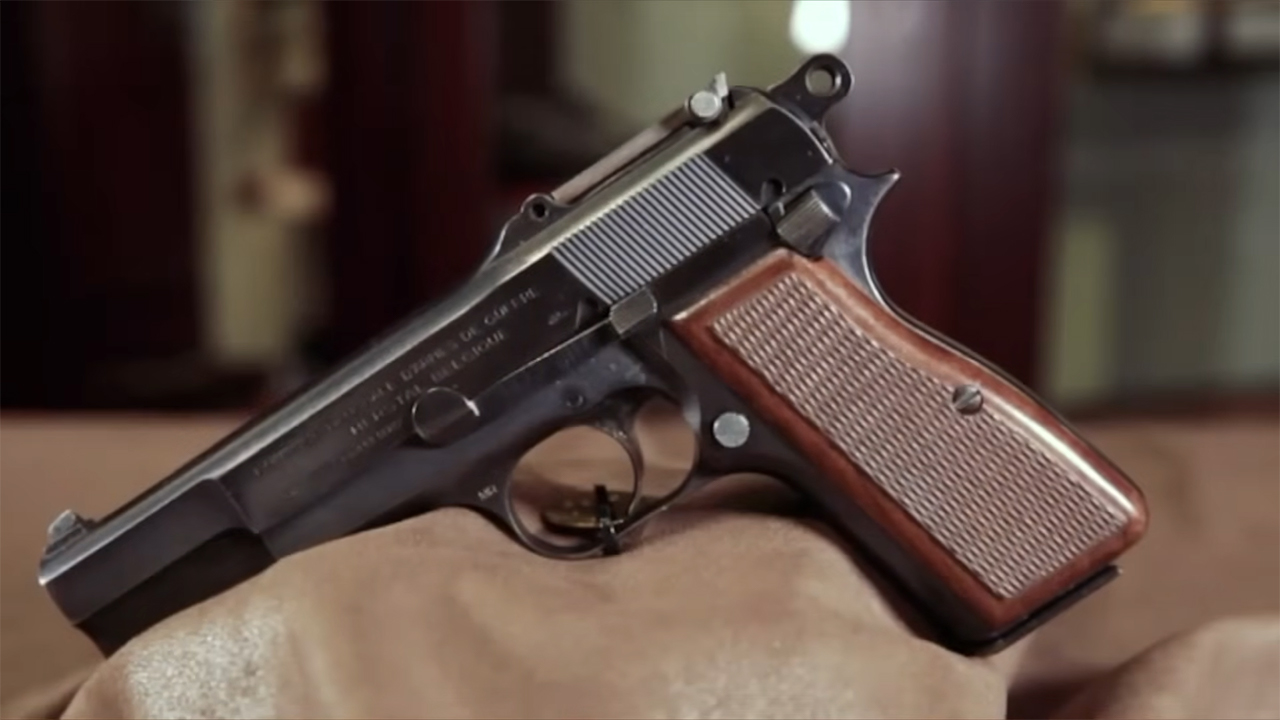
The Browning Hi-Power is a pistol that often becomes more missed the longer it’s gone. A seller may justify the deal by pointing to newer 9mms with better capacity, lighter frames, optic cuts, rails, and improved triggers. All of that is fair. None of it fully replaces the Hi-Power.
The grip shape and balance are the reasons people keep coming back. Few double-stack pistols feel as slim and natural in the hand, and the design’s history gives it a pull modern guns can’t copy overnight. Older examples may have small sights or magazine-disconnect complaints, but the core pistol still has something special. Sellers who let a clean Browning-marked Hi-Power go often learn that features and feel are not the same thing.
Ruger No. 1
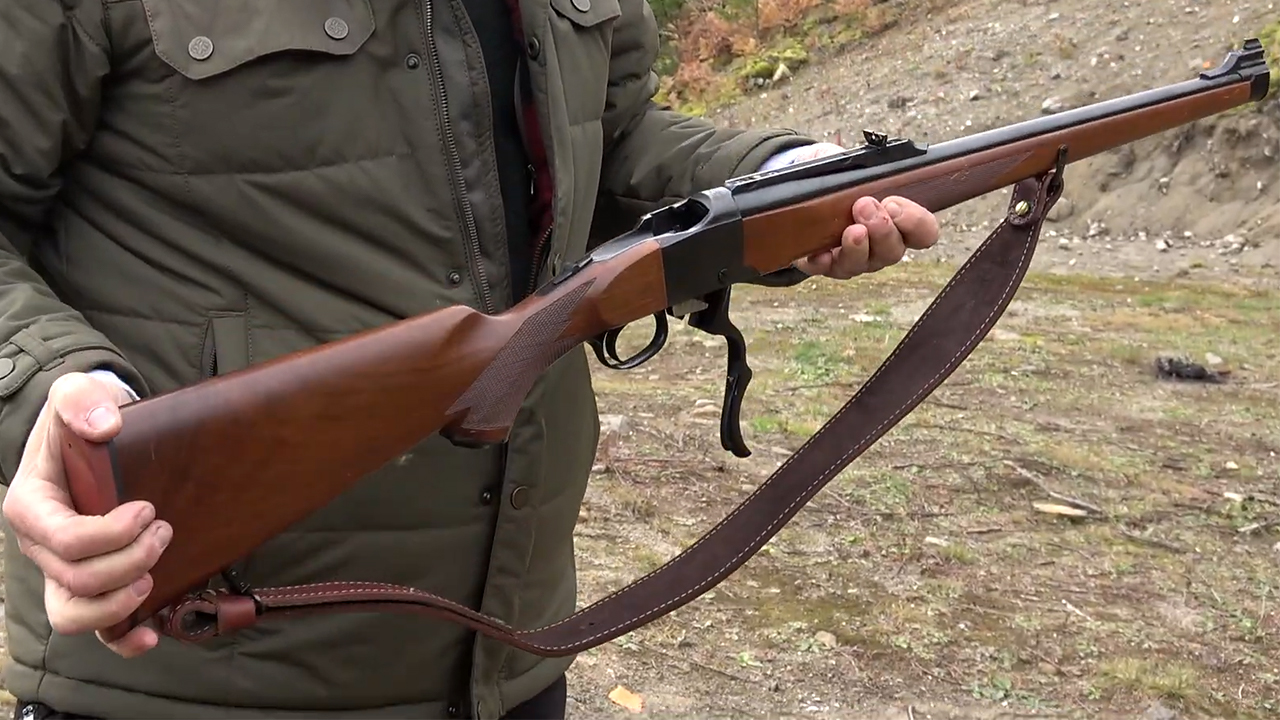
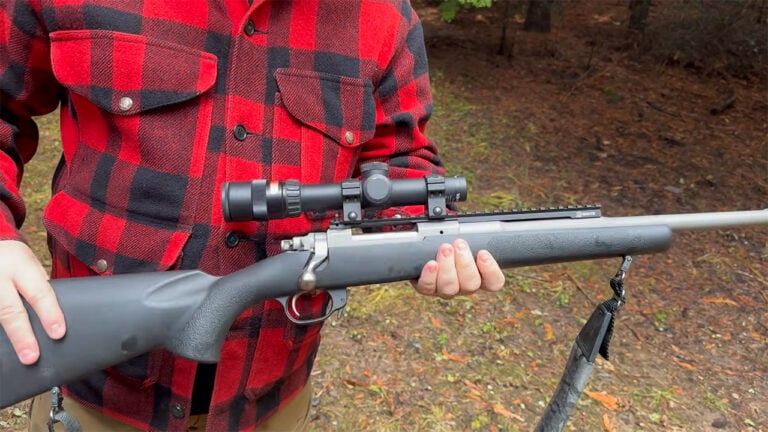
The Ruger No. 1 is easy to sell if practicality wins the argument for a few minutes. It’s a single-shot rifle, and a bolt-action with a magazine looks more useful for most hunting. That can make the No. 1 seem like the responsible gun to move when cash is needed.
Then the regret shows up. The No. 1 has character, strength, and a deliberate shooting feel that common repeaters don’t match. It’s compact for its barrel length, handsome, and available over the years in all kinds of interesting chamberings. Certain versions have become much harder to find. Sellers usually realize they didn’t just sell a rifle. They sold a rifle with identity, and identity costs more to replace.
Colt Detective Special
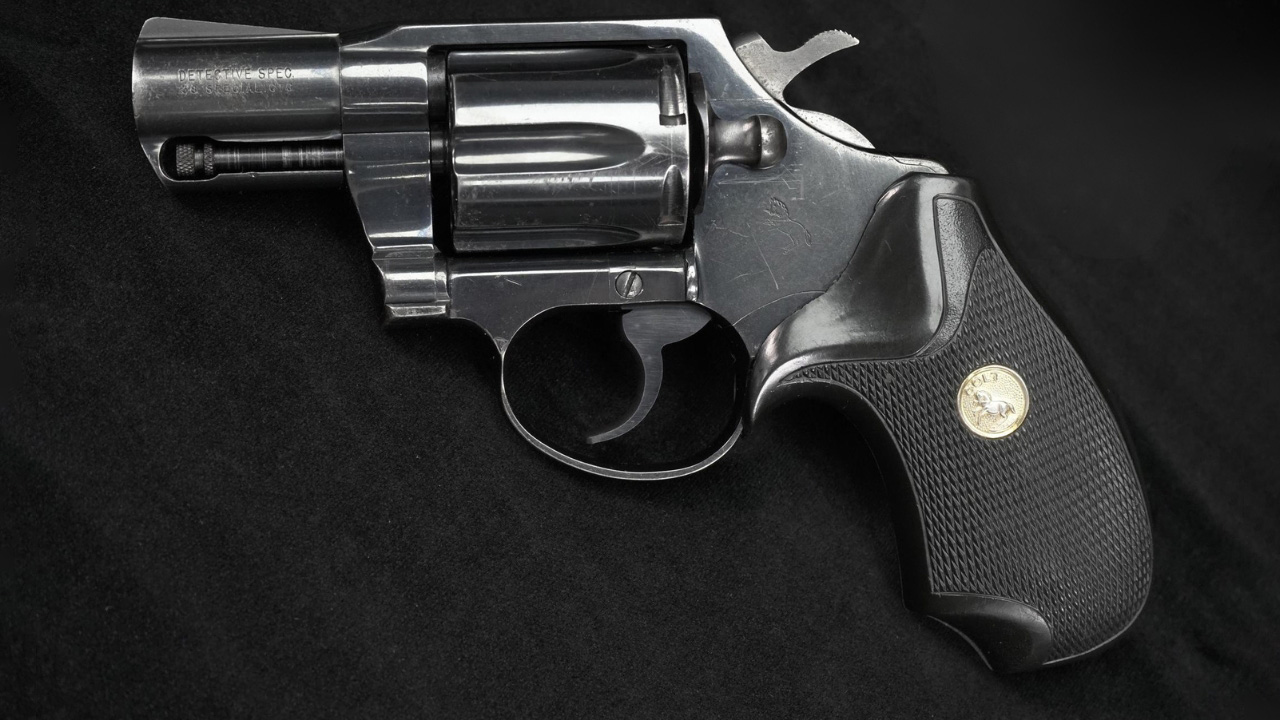
The Colt Detective Special can make sellers regret the deal because it’s not simply another small revolver. Modern compact pistols offer more capacity, lighter weight, and faster reloads, so selling an old steel snub may seem sensible. The market has a way of proving otherwise.
The Detective Special gives shooters six rounds in a compact frame, classic Colt lines, and better shootability than many ultralight snubs. Used examples need careful inspection, especially timing and lockup, but a good one has a feel newer carry guns rarely duplicate. Sellers who let one go may find plenty of practical replacements, but not many with the same balance, history, and charm.
Beretta 390
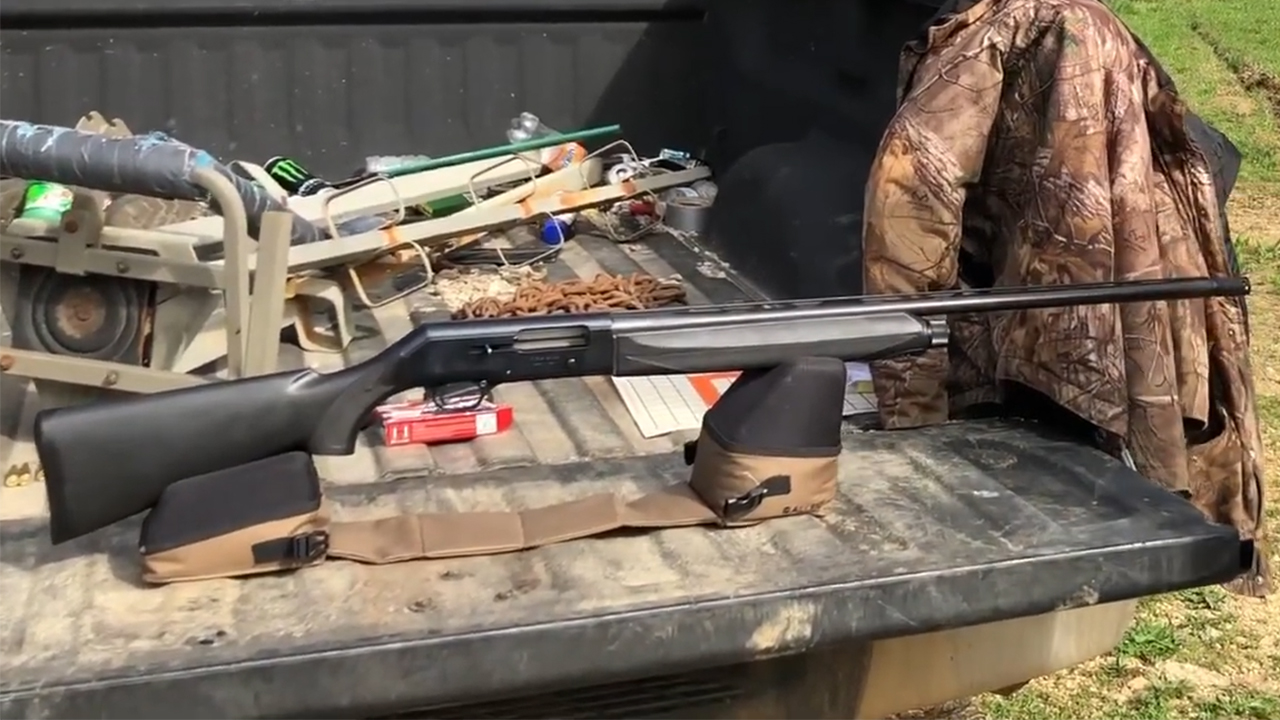
The Beretta 390 is a shotgun sellers often miss once they try something newer that doesn’t fit the same. On paper, moving to a newer semi-auto can make sense. Updated controls, newer finishes, and current parts availability all sound good. Then the owner realizes the old 390 just pointed better.
A good 390 is soft-shooting, balanced, and reliable when maintained properly. It works for clays, dove fields, upland hunting, and general shotgun use. Shotguns are personal, and fit matters more than most spec sheets admit. Sellers who let a 390 go may find a technically newer gun, but not one that comes to the shoulder the same way. That kind of regret is hard to fix.
Savage Model 99

The Savage Model 99 is a rifle that can make sellers wince years later. At the time, it may have looked like an older deer rifle that didn’t get used much. A modern bolt-action may have seemed simpler, more accurate, or easier to scope. That logic can make the sale feel fine.
The problem is that the Model 99 doesn’t have many true replacements. It gives lever-action speed with cartridge capability that traditional tube-fed lever guns couldn’t match, especially in rotary-magazine versions. Chamberings like .300 Savage, .250-3000 Savage, and .308 Winchester keep it practical. Condition matters, but a good 99 has mechanical character and hunting usefulness. Sellers often learn too late that ordinary-looking old rifles can be anything but ordinary.
Smith & Wesson 3913

The Smith & Wesson 3913 is a carry pistol sellers may regret because newer guns don’t always feel better. It’s easy to sell one after looking at modern micro-compacts with more capacity, smaller dimensions, and better accessory support. On paper, that decision can look smart.
In actual use, the 3913 has a slim, refined feel that many tiny pistols lack. The alloy frame keeps it steady, the single-stack grip carries flat, and the pistol shoots more comfortably than its size suggests. Parts and magazines require more effort now, which makes replacing a good one even more annoying. Sellers may gain a more modern pistol, but they often lose a carry gun that felt unusually balanced.
Winchester Model 88

The Winchester Model 88 can make sellers wish they had thought harder because it doesn’t fit neatly into modern categories. It’s a lever-action, but with a rotating bolt and detachable magazine. That gives it a blend of speed and cartridge capability that standard bolt-actions and traditional lever guns don’t quite offer.
A seller may think a .308 bolt-action can replace it. In pure ballistic terms, maybe it can. But the Model 88’s handling is the point. It carries slim, cycles quickly, and feels different from almost everything currently made. Used examples need careful inspection, and the action has quirks, but a good one is special. Sellers who let one go often discover that “better on paper” doesn’t mean “same in the hands.”
Colt Woodsman

The Colt Woodsman is a .22 pistol people regret selling because great rimfires are too easy to undervalue. A seller may think it’s only a plinker and move it to fund a centerfire pistol. That can feel sensible until every cheaper .22 afterward feels rougher.
The Woodsman has classic Colt quality, excellent balance, and a refined shooting experience that modern budget rimfires don’t match. Specific variations, condition, magazines, and original packaging all matter, but even a shooter-grade Woodsman can feel special. Sellers often realize they gave up a pistol that made low-cost practice feel elegant. A .22 may seem expendable until it was one of the best guns in the safe.
Remington Model Seven
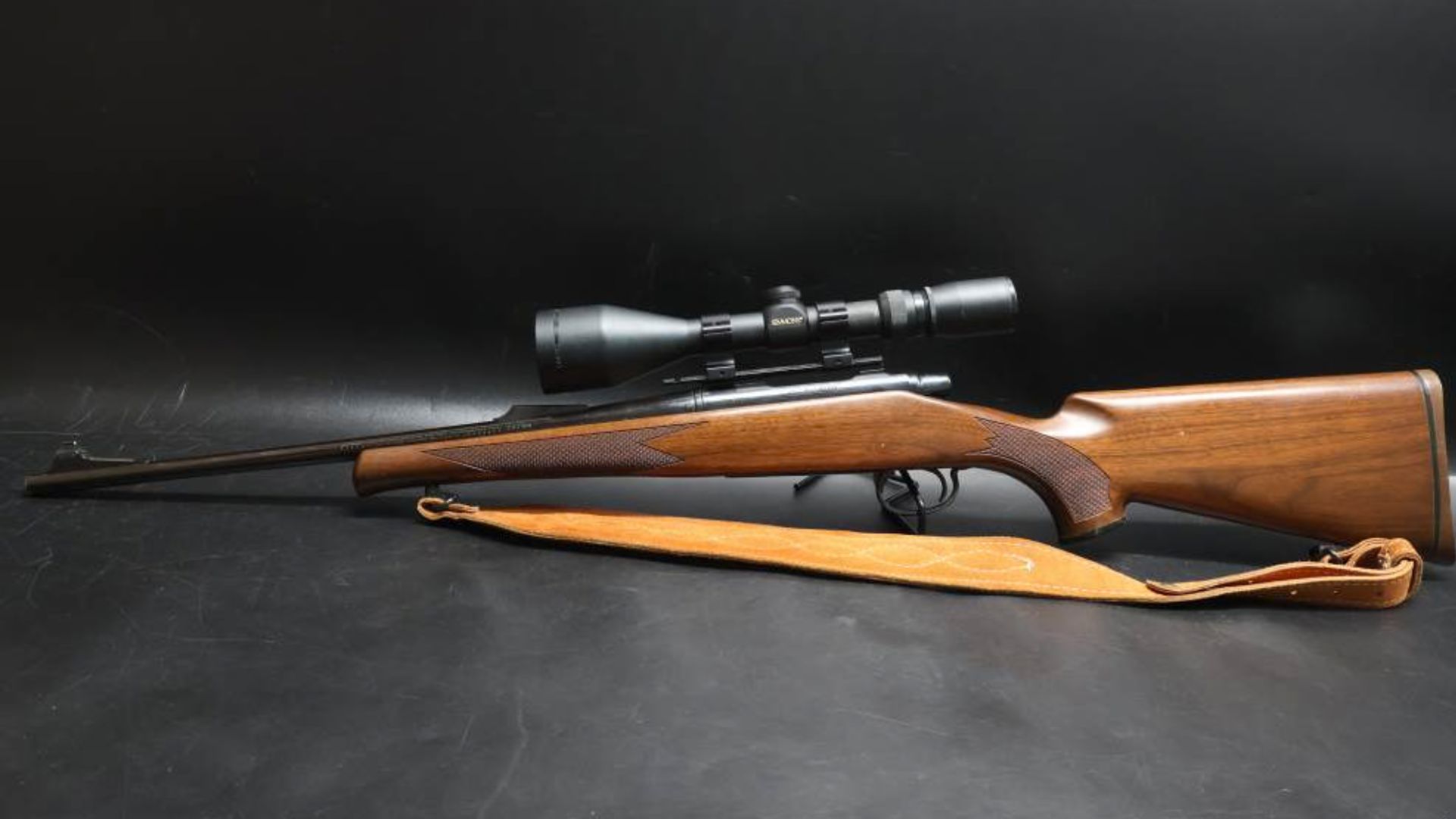
The Remington Model Seven is easy to regret selling because compact hunting rifles are harder to replace than people think. A seller may assume any short bolt-action can fill the role, but many compact rifles feel cheap, awkward, or like temporary youth models.
The Model Seven has a handier feel than a full-size rifle without feeling like a toy. In chamberings like 7mm-08 Remington, .243 Winchester, and .308 Winchester, it offers real deer-rifle capability in a compact package. It fits blinds, thick woods, and smaller-framed hunters well. Sellers who let one go may eventually discover the replacement is either too long, too rough, or too lacking in character. That’s when the deal starts looking bad.
HK P7
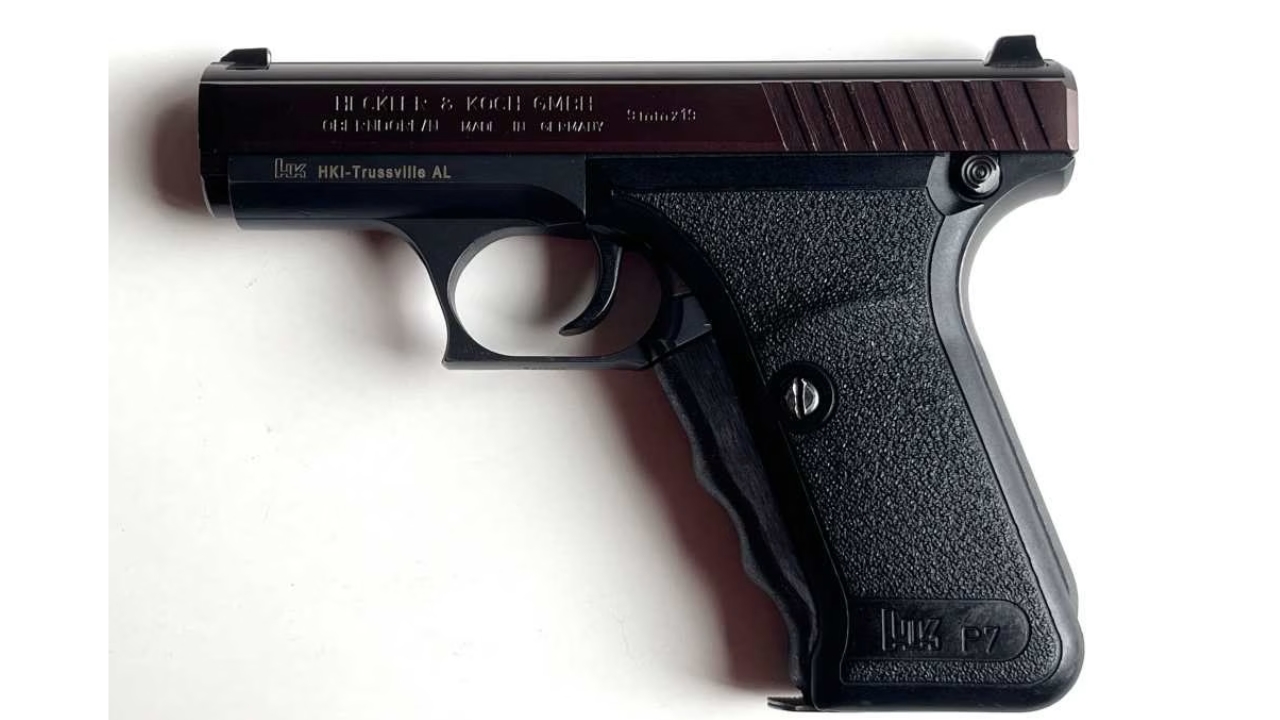
The HK P7 is one of the worst pistols to sell if the seller even slightly likes unusual guns. It can seem sensible to move one because it has quirks. The squeeze-cocker takes learning, the pistol heats up during long strings, and parts are not something owners casually ignore.
But nothing truly replaces it. The P7 is slim, accurate, mechanically fascinating, and unlike nearly every other handgun. Its fixed barrel and low bore axis make it shoot in a way that sticks with people. Values have climbed enough that buying back in can be painful. Sellers who let one go for practical reasons often realize they can buy a newer pistol easily, but they can’t buy the same experience without paying dearly.
Browning Superposed

The Browning Superposed is the kind of shotgun sellers may regret because it represents more than a double gun. It has history, craftsmanship, and a classic Browning over-under feel that newer or cheaper shotguns don’t automatically replace. Selling one can seem reasonable if it isn’t being used much.
Then the seller starts looking at what it would take to own another good one. Condition, configuration, fit, and originality all matter, and clean examples are not casual purchases. A Superposed can still be a wonderful field or clay shotgun, but many also carry sentimental and collector weight. Sellers often learn that replacing a shotgun like this is not the same as buying any over-under. Some guns leave a much bigger hole than expected.
Like The Avid Outdoorsman’s content? Subscribe to our newsletter so you never miss an article.
Here’s more from us: