Photo credit: Steve Oehlenschlager/Shutterstock.com
Every move you make—before, during, and after the hunt—affects your chances of success. Some hunters spend years making the same mistakes without realizing why they never see mature bucks in daylight. Others learn the hard way when a blown opportunity costs them the best deer of their season.
The smallest details can ruin a hunt. Bad stand placement, ignoring the wind, or pushing too soon after a shot can send a buck into the next county. If you want to fill more tags and make the most of your time in the woods, these are the mistakes you can’t afford to make.
Forgetting the Basics During the Rut

The rut makes bucks stupid, but not so stupid that you can ignore the fundamentals. Guys get sloppy this time of year, assuming they can get away with bad wind, bad setups, and bad movement just because bucks are chasing does.
Stick to the basics. Play the wind, be patient, and don’t assume a rut-crazed buck will just walk into your lap. The best deer of the season are taken by hunters who don’t let the excitement make them careless.
Not Preparing for Cold Weather

Late-season hunting separates the serious hunters from the ones who can’t handle the cold. If you’re miserable, you won’t sit still, and if you can’t sit still, you won’t see deer. It’s that simple.
Dress in layers, wear windproof outerwear, and keep your feet and hands warm. Hand warmers, insulated boots, and a solid layering system will keep you comfortable so you can stay in the stand when it matters.
Not Having a Backup Plan
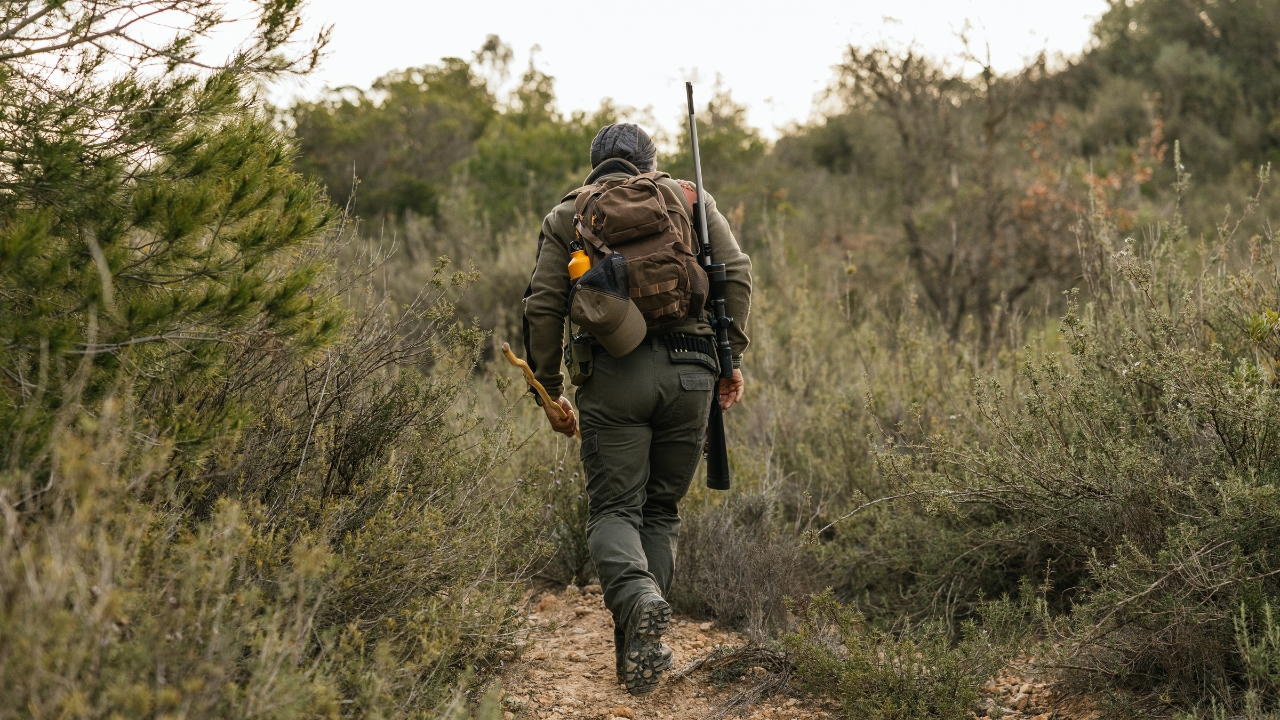
Nothing in hunting goes exactly how you planned it. The wind shifts, someone sets up too close, or the deer just aren’t moving. Without a backup plan, you’re stuck wasting a hunt instead of adjusting.
Have alternative stand locations, different access routes, and backup strategies for when things go sideways. The best hunters know how to adapt. Sitting there hoping things change isn’t a strategy.
Ignoring the Wind

Hunt with the wind in your favor, or don’t hunt at all. You can shower in scent-free soap, spray down with whatever cover scent you want, and wear the best camo money can buy—it won’t mean a thing if the wind is carrying your scent right to the deer.
Check the wind before every hunt and adjust accordingly. If it’s wrong for your stand, hunt somewhere else. The best scent control is staying downwind. Period.
Being Too Loud

Slamming truck doors, walking too fast, or clanking gear together is a good way to clear out deer before you even get set up. You don’t have to be silent, but you do have to sound natural. A few slow, deliberate steps are fine. A constant crunch of leaves and broken sticks isn’t.
Slow down. Pack your gear so it doesn’t rattle. If you’re climbing into a stand, take your time. One bad move can ruin an entire sit before it even starts.
Slacking on Scent Control

Some guys think spraying down with scent killer is enough. It’s not. If you’re wearing your hunting clothes in the truck, storing them with everyday laundry, or walking through the woods in the same boots you pumped gas in, you’re already busted.
Keep your gear clean, store it properly, and use rubber boots to limit scent trails. Even with all that, the best scent control is the wind. If your wind is bad, your hunt is over before it begins.
Checking Trail Cameras Too Often
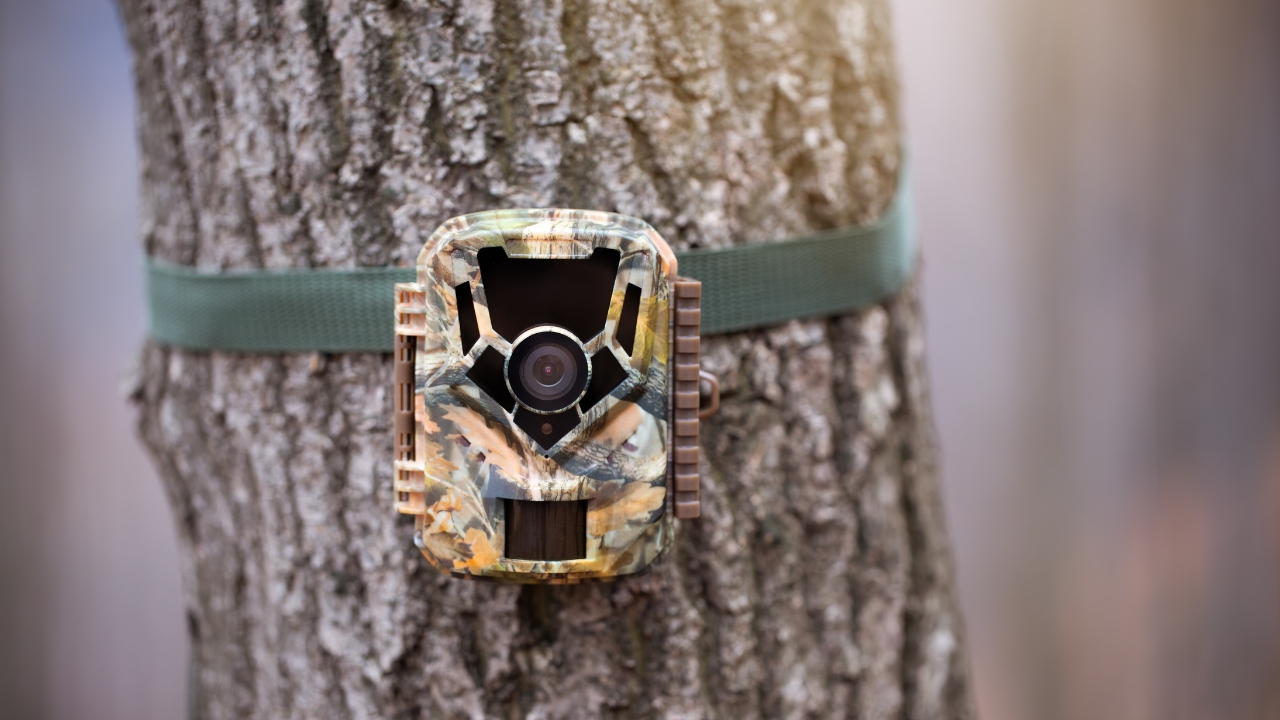
Pulling SD cards every couple of days is the fastest way to ruin a spot. Every time you walk in, you’re leaving scent and putting pressure on the area. Mature bucks don’t tolerate that.
Check cameras when you’re already hunting, or better yet, run cell cameras and stay out altogether. If you have to pull cards, do it mid-day when deer are bedded. Less pressure means better hunting.
Calling Too Much

Grunting, rattling, and bleating work, but not if you overdo it. Real deer don’t walk through the woods making noise every five minutes, and if you do, you’re going to educate more deer than you fool.
Call when the situation calls for it. A few soft grunts can turn a buck your way, but constant calling makes them suspicious. Rattling works best when bucks are actively seeking a fight, not just whenever you feel like making noise.
Hunting Food Sources at the Wrong Time

Sitting over a food plot or bait pile in the morning is a great way to spook deer off before you even get set up. They feed at night and move toward bedding at first light. If you’re in their way, they’ll pick you off and avoid that spot in daylight.
Mornings are for hunting travel corridors and bedding areas. Evenings are when you hunt food sources. Get it wrong, and you’ll push deer out of the area fast.
Tracking Too Soon

Nothing ruins a recovery like tracking too early. Even with a solid hit, a deer needs time to go down. Push too soon, and you’re chasing a wounded animal that could go for miles.
If you don’t see it drop, give it time. A double-lung or heart shot? Wait 30 minutes to an hour. Gut shot? Leave it for at least six hours, maybe more. If in doubt, back out.
Not Practicing Real-World Shots

Shooting off a bench is great for sighting in, but it won’t prepare you for the real thing. That deer won’t be standing broadside at a perfect 100 yards when you take your shot. You might be kneeling, using a tree for a rest, or dealing with brush in your way.
Practice how you hunt. Shoot from different positions, at different angles, and under a little pressure. If you can’t make the shot in the field, it doesn’t matter how tight your groups were at the range.
*This article was created with the assistance of AI.