Photo credit: WHO_TEE_WHO/YouTube
Buck fever doesn’t care what you shoot on a calm range day. When your heart is thumping and your breathing is loud in your ears, the “best” caliber on paper stops mattering fast. What matters is how easy it is to put a bullet where it belongs without getting slapped by recoil, flinching on the trigger, or losing the sight picture when you press the shot. You want a cartridge that’s forgiving—steady recoil, predictable trajectories inside real hunting distances, and enough terminal performance that you don’t feel like you’re threading a needle.
That doesn’t mean “small” is always better. Rifle weight, stock fit, muzzle brakes, and bullet choice all change the feel. But some calibers consistently help you shoot cleaner under stress because they balance recoil and performance better than most. These are the rounds that let you stay in the gun, call your shot, and get back on target fast if you need a follow-up.
.243 Winchester

The .243 Win is one of the easiest ways to shoot confidently when adrenaline hits. Recoil is mild enough that you can stay on the scope and actually see what the deer does at the shot. That alone helps you avoid rushing a second round or guessing where you hit.
With good bullets, it’s more capable than people give it credit for. You don’t lean on it for bad angles, but for broadside and slight quartering shots it does its job cleanly when you place it right. It’s also flat enough inside typical deer ranges that you’re not thinking hard about holdover. The .243 shines in lighter rifles, too, because it doesn’t punish you the way bigger rounds can. When your pulse is up, that calm recoil keeps your trigger press honest.
6.5 Creedmoor

The 6.5 Creedmoor gets recommended so much because it’s easy to shoot well, not because it’s magical. The recoil impulse is smooth, and most hunters can spot impacts through the scope if the rifle fits them. That keeps you connected to the shot instead of blinking through it.
It also has a forgiving trajectory in real-world deer ranges, so you’re not doing mental math while your brain is busy trying to process antlers and shooting lanes. With the right hunting bullet, it hits with enough authority to punch through ribs and keep driving without needing a heavy-kicking cartridge. Where it really helps under adrenaline is follow-through. You’re less likely to yank the trigger or tense up, and that’s usually what ruins shots when the moment turns real.
.257 Roberts

The .257 Roberts is one of those cartridges that doesn’t get much hype anymore, but it’s incredibly shootable. Recoil is gentle, and the report doesn’t feel like it’s trying to rip your face off. That makes it easier to stay relaxed on the gun when the buck finally steps out.
It’s also accurate in a lot of rifles, which builds trust fast. Under stress, trust matters. You’re more likely to settle the crosshairs and press cleanly if you’ve seen the round print tight groups without drama. It’s not the choice for heavy-bodied animals at steep angles, but for deer-sized game it’s effective when you do your part. The .257 Roberts has a “fast but not violent” feel that helps you stay smooth when your hands are shaking.
.25-06 Remington

The .25-06 has a reputation for being flat and deer-effective without being punishing, and that’s exactly why it’s easy to shoot well when your nerves spike. It has more snap than a .243, but most hunters still find it manageable, especially in a standard-weight rifle.
The flatter trajectory buys you margin when you’re shooting across a cut cornfield or a long sendero and don’t have time to overthink. With good bullets, it punches through lungs reliably and tends to give you quick results without needing to lean on heavy recoil. The real advantage under adrenaline is confidence. You can hold center chest on a lot of reasonable shots and focus on the trigger press. When the moment gets loud, that simplicity keeps you from doing something dumb.
.260 Remington

The .260 Rem is another “shoots like a .243, hits harder than you’d think” cartridge that makes sense for hunters who want calm recoil. It’s easy to shoot with good form and easy to shoot even when your form isn’t perfect—like when you’re twisted around a tree or kneeling in brush.
Because recoil stays manageable, you’re less likely to flinch, and you’re more likely to keep the scope steady through the shot. It also tends to be accurate, which builds confidence fast. In the deer woods, confidence beats horsepower you can’t control. With modern bullets, it carries enough penetration for clean lung shots and reasonable angles. It’s not the round you pick to break shoulders for fun, but it’s one you can place well when your brain is racing.
7mm-08 Remington

The 7mm-08 is a sweet spot cartridge for hunters who want more punch than the small bores without taking a beating. Recoil is typically mild enough that you can stay on target and keep your head in the game. That matters when you’re trying to watch the deer react instead of guessing.
It also performs well in short-action rifles, which can be lighter and handier in the field. Even then, recoil usually stays comfortable, especially with a decent pad. The 7mm-08’s practical advantage under adrenaline is how “normal” it feels. You’re not bracing for a slap, and you’re not worrying about whether the bullet will do enough. With the right load, it drives through lungs with authority. It’s a calm shooter that still hits like a deer rifle should.
.308 Winchester

The .308 Win isn’t the softest on this list, but it’s one of the easiest to shoot well because it’s so predictable. The recoil is more of a firm push than a sharp snap in many rifles, and the cartridge’s behavior is well understood. That familiarity helps when your brain is running hot.
Ammo availability matters, too. When you can practice with the same rifle and similar recoil all year, you build a trigger press you can trust. The .308 also performs reliably on deer without needing speed tricks. Put it through the lungs and it works. Under adrenaline, you want a round that doesn’t demand perfect conditions. The .308 is forgiving, and it tends to shoot accurately in a wide range of rifles. That combination calms you down when it counts.
.30-30 Winchester

A .30-30 lever gun isn’t a long-range solution, but inside its lane it’s one of the easiest setups to shoot well under stress. The recoil is modest, the rifles carry naturally, and the whole system encourages quick, confident shooting in the woods. When a deer appears suddenly, that matters more than ballistic charts.
Most .30-30 shots happen inside 100 yards, and that’s a blessing when adrenaline hits. You’re not holding over, you’re not reading wind, and you’re not trying to do math while your heart is hammering. You’re finding the shoulder, pressing the trigger, and running the lever if you need to. It’s also a cartridge that tends to do honest work on deer with good placement. A calm, fast-handling rifle often beats a harder-kicking “better” caliber you don’t shoot as well.
.300 Savage
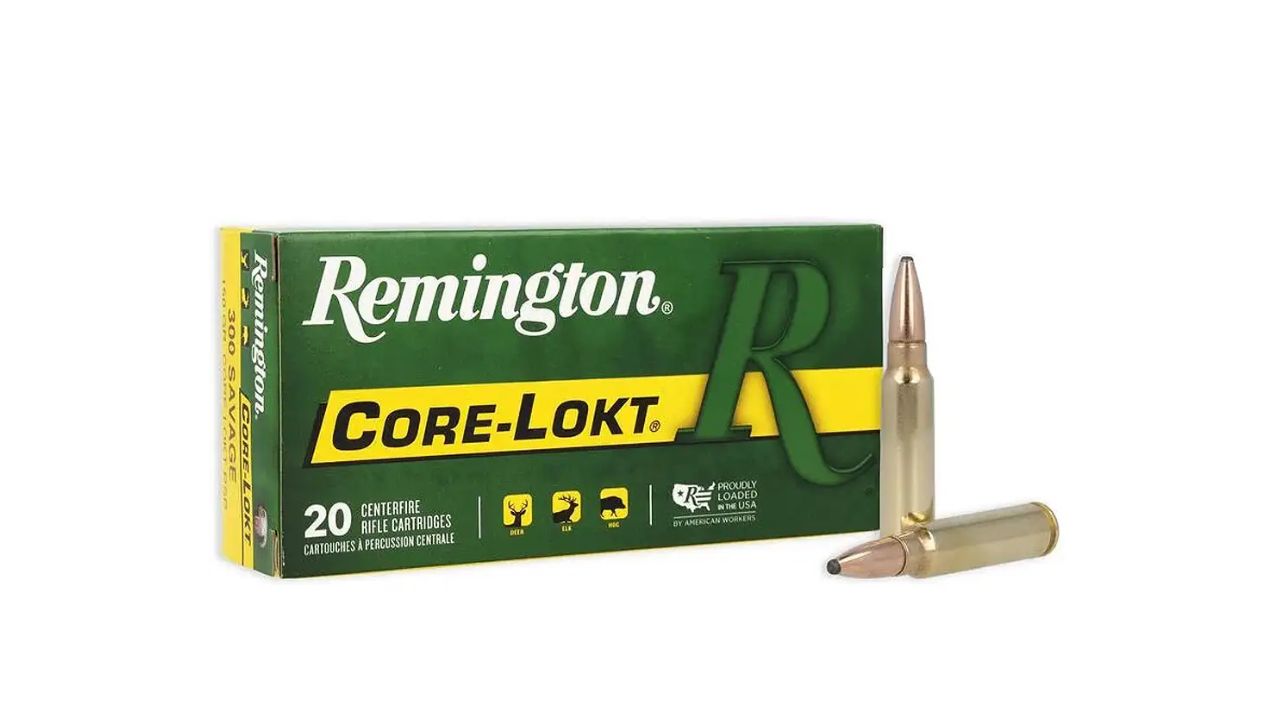
The .300 Savage is one of those classic deer rounds that hits with real authority without the recoil sting you get from many magnums. In the rifles it’s commonly found in—like older lever actions—it feels like a serious hunting round that still lets you stay in control when the moment gets hectic.
It’s not a long-range cartridge, but it doesn’t need to be for most deer hunting. Inside typical distances, it drives bullets deep enough to do clean work with good placement. Under adrenaline, the appeal is simple: it shoots like a traditional deer rifle should. You get a solid shove, not a violent snap. That helps you keep your face on the stock and your eyes open through the shot. If you’ve ever seen someone flinch on a magnum, you understand why the .300 Savage keeps earning quiet respect.
.270 Winchester
The .270 Win has stayed popular for a reason: it’s flat enough to simplify aiming and mild enough that most hunters can shoot it without building bad habits. Recoil is noticeable, but it’s usually not punishing in a standard sporter. That makes it easier to stay disciplined when adrenaline tries to wreck your form.
Trajectory is the other half of the story. On a deer at common distances, you’re not guessing much. That reduces the chance you rush a shot because you’re afraid the window will close. The .270 also has a long history of killing deer cleanly with good bullets. That matters psychologically. When you trust the cartridge, you don’t feel the need to “make up for it” by forcing a bad angle. Under stress, that trust keeps you patient and precise.
.280 Remington
The .280 Rem is a great example of a cartridge that hits like it means it without demanding a flinch. Recoil is generally manageable, and the round delivers strong downrange performance with bullet weights that make sense for deer-sized game. It’s a calm shooter compared to the magnum class, and that’s why it’s easier to shoot well when your pulse spikes.
It also carries a trajectory that’s forgiving at practical distances, so you can focus on the shot process instead of worrying about whether you’re two inches high or low. The .280’s advantage under adrenaline is balance. You’re not fighting the rifle, and you’re not questioning whether the round will do its job. That combination makes you smoother on the trigger. Smooth usually equals accurate when the woods suddenly get loud.
.350 Legend

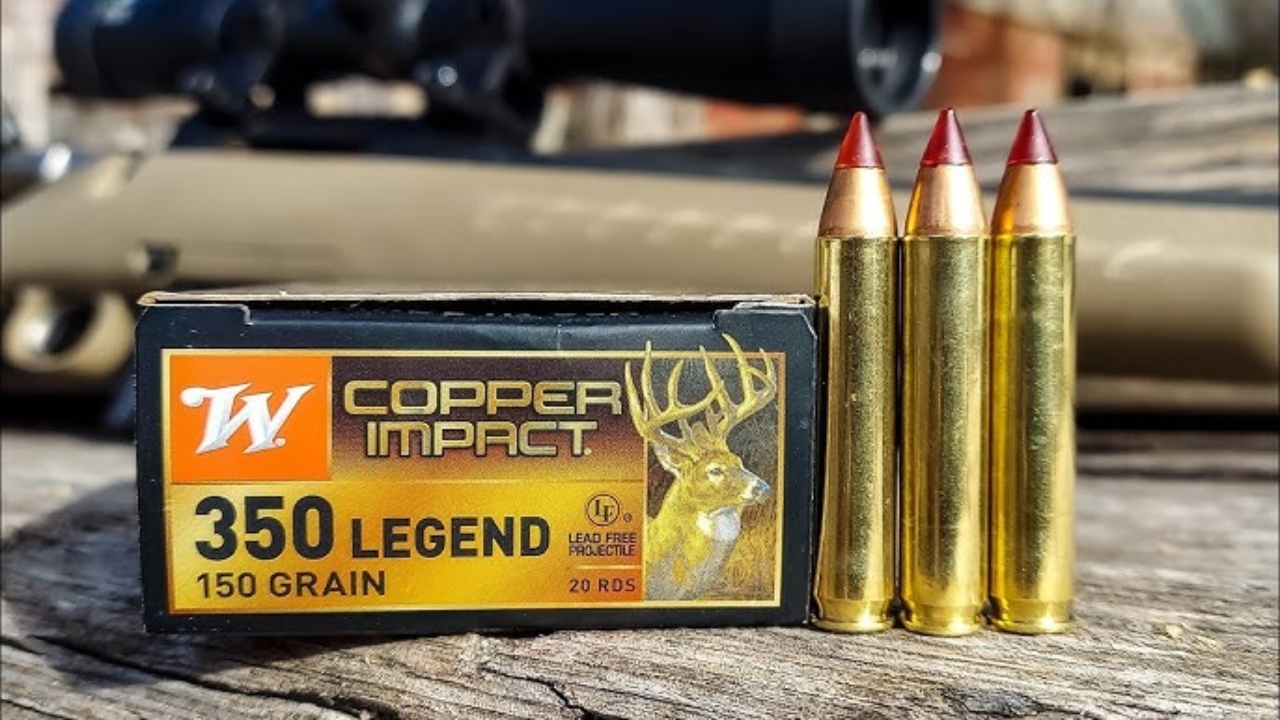
The .350 Legend is easy to shoot well because recoil is mild and the rifles are often handy, especially in states that favor straight-wall cartridges. In the deer woods, it behaves like a calm, controllable tool that doesn’t beat you up. That encourages practice, and practice is what saves you when adrenaline hits.
It’s also straightforward inside its realistic range. You’re not pretending it’s a 400-yard cartridge. You’re treating it like a woods and field-edge round that hits deer with a big enough bullet to do good work when you put it in the right place. The mild recoil helps you avoid flinching, and it makes follow-up shots faster. Under stress, the .350 Legend’s simplicity is a feature. You point, you press, and you stay in control.
.44 Magnum (in a rifle)

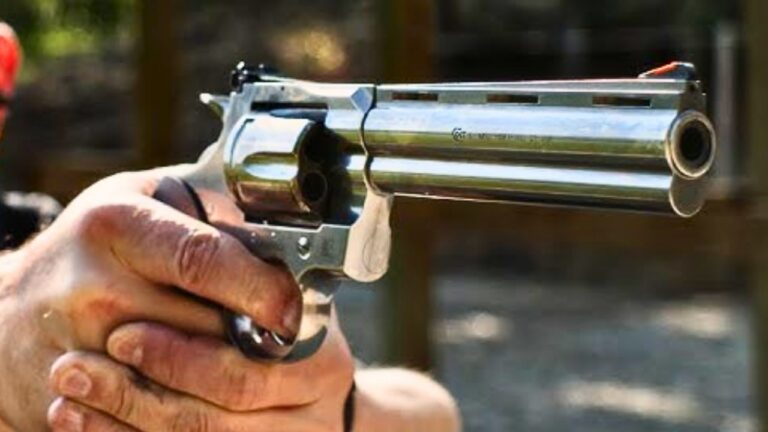
A .44 Mag lever gun or semi-auto carbine is often shockingly easy to shoot well under adrenaline because it doesn’t recoil like you expect. In a rifle, the cartridge becomes a smooth, controllable push instead of the sharp slap you feel in a revolver. That lets you stay on target and get quick follow-up shots without losing your cheek weld.
Inside typical woods ranges, it hits deer with authority. You’re not trying to stretch it across a canyon. You’re using it where it shines: 50 to 125 yards in thick cover, where shots happen fast and angles can change in a heartbeat. Under stress, the rifle-caliber debate fades and practical shooting takes over. A .44 rifle is easy to shoulder, easy to control, and easy to shoot accurately when your hands are shaking.
6mm Creedmoor
The 6mm Creedmoor is easy to shoot well because recoil stays low and accuracy is usually excellent. That combination keeps you from developing a flinch and helps you maintain a clean trigger press when adrenaline is trying to make you slap it. It also tends to let you spot impacts through the scope, which is huge for follow-up decisions.
For deer, bullet selection matters. You’re not relying on pure diameter and weight to do work. You’re relying on good construction and good placement. But when you do your job, the cartridge performs cleanly on lung shots. The advantage under stress is you can do your job more often because the rifle doesn’t punish you. A calm rifle encourages real practice. And the hunter who practices with a calm rifle is the hunter who shoots better when the buck finally appears.
6.5×55 Swedish

The 6.5×55 has been putting meat on the ground for a long time because it balances penetration and shootability in a way that makes sense. Recoil is generally moderate, and the cartridge has a smooth, steady feel that helps you keep your head in the scope. When adrenaline hits, a steady recoil impulse is easier to manage than a sharp snap.
It also tends to shoot accurately in well-made rifles, which helps build confidence. Confidence is what keeps you from rushing. With good bullets, it penetrates well and holds together through ribs and shoulder-adjacent angles better than many people assume. You’re still making smart shot choices, but you’re not undergunned for deer when you do your part. Under stress, the Swede’s “calm but capable” nature helps you stay clean on the trigger.
7×57 Mauser

The 7×57 is another old cartridge that stays relevant because it’s easy to shoot well and it works on deer with good bullets. Recoil is usually mild to moderate, and the cartridge doesn’t feel violent. That matters when you’re trying to keep your sight picture steady while your body is buzzing.
It’s also a cartridge that tends to shoot accurately in rifles that were built to hunt, not just impress. Under adrenaline, you want a round that doesn’t make you brace for impact. You want to press the trigger and stay in the gun. The 7×57 encourages that kind of shooting. It’s not a speed demon, but it doesn’t need to be. It kills by doing consistent, deep work in the chest cavity. Calm recoil and reliable performance is a winning combination when the moment is anything but calm.
.223 Remington (for varmints and predators)

For coyotes and other predators, the .223 Rem is one of the easiest cartridges to shoot well when adrenaline hits because recoil is minimal and follow-up shots are fast. When a coyote pops out at a weird angle and starts moving, you need control more than raw power. The .223 gives you that control, especially in ARs and light bolt guns.
It also lets you spot hits and misses through the scope more often than larger cartridges, which helps you correct quickly instead of guessing. The key is matching the tool to the job. This isn’t a deer recommendation in most places and situations, and you treat it like a predator and varmint round. Under stress, the .223’s big advantage is it doesn’t punish you. You can shoot it a lot, practice realistic drills, and stay calm behind the gun when it’s time to make a quick shot.
Like The Avid Outdoorsman’s content? Be sure to follow us.
Here’s more from us: