Photo credit: Virrage Images/Shutterstock.com
Deer hunting has no shortage of gear, but most of it doesn’t make you any more effective. Real success doesn’t come from stacking gadgets—it comes from using tools that quietly remove mistakes. The right gear helps you move better, see more, stay longer, and make cleaner decisions when it matters.
Experienced hunters know this. They trim their kit over time, keeping only what consistently improves odds. These aren’t flashy upgrades. They’re practical pieces that solve real problems—noise, fatigue, scent control, visibility, and timing. When you look at what consistently puts venison on the pole year after year, certain gear shows up again and again.
The right boots keep you in the hunt longer
If your feet are wet or blistered, you’re done for the day. Good boots aren’t about looks—they’re about lasting from dark to dark without limping back to the truck. Look for waterproof leather or rubber options that actually breathe a little. Insulation helps, but don’t overdo it and sweat yourself out. Break them in well before the season and figure out what socks pair best. When your feet are happy, you’ll sit longer, move quieter, and stalk better. That one upgrade alone could turn a slow season into a freezer full of meat.
Binoculars that don’t fog or fail
You don’t need fancy glass, but you do need something reliable and clear enough to make out a twitching ear at first light. A decent pair of 8x42s with good coatings can help you spot deer before they spot you. Binoculars also help you slow down and really glass the woods instead of charging through it. You’ll notice trails, beds, and quiet movement you’d otherwise miss. And when you’re tucked in a stand, they keep you sharp and focused while you wait. A good set will earn their place around your neck every time you hunt.
A grunt call you’ve actually practiced with
Grunt calls work—when you know how and when to use them. The mistake most folks make is blowing it too loud, too often, or in the wrong tone. Get a call that sounds natural and then practice enough that it feels second nature. Use short, quiet grunts during pre-rut and get a little more aggressive as things heat up. Pair it with a little movement or a soft rattle. You’re not trying to blow out the woods—you’re trying to sound like a real buck nosing around. When it’s done right, they come in curious.
A backpack that rides right
You might not think a pack makes a big difference until you try to haul gear in or meat out. A good hunting backpack carries comfortably, keeps weight close to your back, and has smart pockets you can actually reach without digging. Look for quiet zippers, padded straps, and enough room for your basics—plus a game bag if things go well. You’re going to walk, sweat, and climb, and if that pack rubs or shifts constantly, it’ll wear you down. When your gear’s easy to carry and easy to reach, you stay more focused on the hunt.
A reliable headlamp with backup batteries
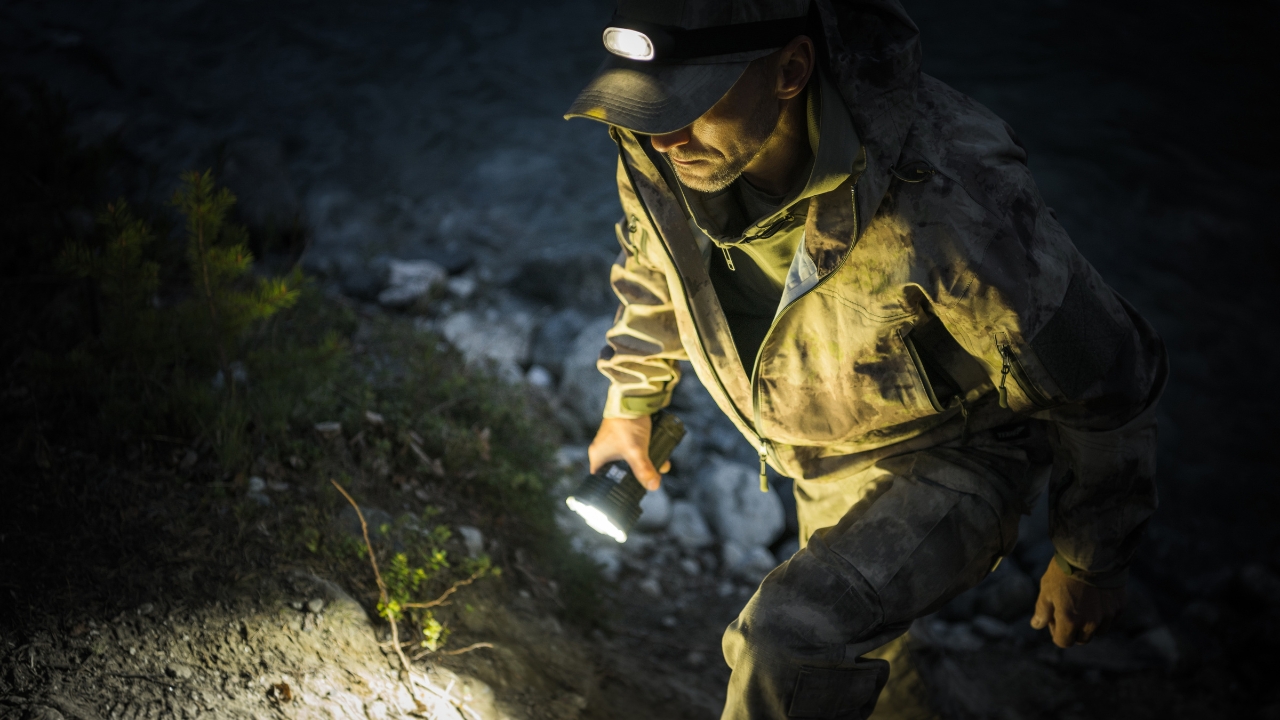
Headlamps aren’t just for walking in the dark—they’re for gutting deer after sunset, tracking a blood trail, or finding gear in your truck bed at 4 a.m. A good one should have both white and red light options, a lock mode so it doesn’t turn on in your pack, and a battery life that doesn’t leave you stranded. Keep a spare set of batteries stashed in your gear bag, always. It’s a small tool, but it saves your neck in those predawn or post-shot moments when fumbling around could cost you valuable time.
Scent control that actually works in your terrain
You can go broke chasing every scent-killer gimmick, but the basics still matter—especially if you’re hunting pressured deer. Wash your gear in scent-free detergent, store it in a tote with leaves or pine needles, and don’t put it on until you’re at the woods. Play the wind first, but having a reliable spray or ozone device as a backup doesn’t hurt. Keep your boots clean, avoid gas station snacks in your hunting clothes, and don’t overdo the cologne. If a deer gets one whiff of human funk, you’re busted before you even see them.
A solid shooting rest for the stand
It’s easy to miss from a tree if your rifle’s floating. A shooting rail or portable rest helps steady your aim, especially for longer shots or when adrenaline’s pumping. Some ladder stands come with a built-in rail, but you can add adjustable ones or clamp-on rests that don’t rattle. Even a good set of shooting sticks on the ground beats going unsupported. Sight in using whatever you’ll actually use while hunting. Practice with gloves on. When that buck steps out and your heart starts racing, a steady rest gives you the confidence to squeeze clean.
Gloves you can actually shoot with
Bulky gloves might keep your hands warm, but they’ll wreck your trigger feel. Thin gloves leave you numb by mid-morning. The trick is finding something in the middle—quiet, wind-resistant, and thin enough to let you feel the trigger and safety. Some folks prefer fingerless mitts or gloves with fold-back tips. Others carry a hand muff with warmers and shoot barehanded. Try different setups at the range and see what feels natural. Cold, stiff fingers lead to sloppy shots. Good gloves might not seem flashy, but they’ll keep your hands ready when it counts.
A knife that doesn’t quit halfway through the job
You don’t need a dozen blades, just one that stays sharp through a full field dress and then some. Fixed blades are reliable, but some of the better replaceable-blade options make cleanup easier, especially on cold, late-season days. Choose a knife with a grippy handle, decent sheath, and a profile you’ve actually used before. If it’s hard to sharpen or awkward to hold, it won’t earn a spot in your kit. Gutting and skinning is dirty work. The right knife makes it faster, cleaner, and way less frustrating when you’re racing the clock.
A rangefinder that tells you the truth
Judging distance by eye sounds cool until you miss a 40-yard shot thinking it was 25. A decent rangefinder saves you that mistake. It doesn’t need to go out to 800 yards—it needs to give accurate readings from 15 to 200 and work in low light. Some even adjust for angle if you’re in a stand. The key is to use it ahead of time. Range landmarks from your stand so you know what’s what when a deer appears. Confidence in your range makes your shot cleaner and your decisions quicker when seconds count.
A harness that doesn’t feel like a chore
If your tree stand safety harness is uncomfortable or a pain to put on, you’re less likely to use it. That’s a bad trade. Get a harness that’s lightweight, fits snug without pinching, and clips in easily even with gloves on. Practice using it in the dark. You want the tether to stay out of the way when you draw or shoulder your rifle but still catch you if you slip. It’s not gear you show off, but it’s gear that lets you walk out of the woods. Every. Single. Time.
A wind checker that’s always in your pocket
Thermals and swirling air can make or break a hunt. A little bottle of wind-check powder or a piece of string on your bow lets you read what the woods are really doing. Spray it often, especially before choosing a stand or starting a stalk. Don’t guess—watch the drift and adjust your plan. You might have the best camo and scent control in the world, but if the wind’s carrying your scent right to the deer, none of that matters. Reading the wind well is one of those quiet skills that consistently fills tags.
Like The Avid Outdoorsman’s content? Be sure to follow us.
Here’s more from us: