Photo credit: WHO_TEE_WHO/YouTube
Some rifle cartridges never stop catching heat in camp talk. They get called old, boring, outdated, or “replaced” by whatever launched last year with a slick name and a flatter chart. But hunters don’t keep carrying a cartridge for decades because they like arguing. They keep carrying it because it keeps solving the same problems in real country—shot angles that aren’t perfect, weather that turns, ranges that change, and animals that don’t read marketing copy.
When a round flat-out works, you end up defending it without meaning to. You’ve seen it do the job. You can find ammo for it. You know what it does to recoil, meat, and confidence. These are the rifle cartridges hunters defend because they still deliver where it counts.
.30-30 Winchester

The .30-30 keeps getting defended because it matches real deer hunting better than most people want to admit. In thick woods, creek bottoms, and brushy edges, the problem isn’t “reach.” The problem is getting a rifle on target fast and punching through ribs with a clean, honest hit. A lever gun in .30-30 carries close, comes up quick, and doesn’t feel like you’re dragging a fence post around.
You defend it because you’ve watched it work at normal woods ranges where most shots actually happen. It’s also easy to live with. Recoil is manageable, the rifles are handy, and the cartridge is forgiving when the moment is rushed. People love to talk like it’s outdated, then they hunt the same way their granddad did—inside 125 yards—and act surprised when the old round still stacks up.
.30-06 Springfield
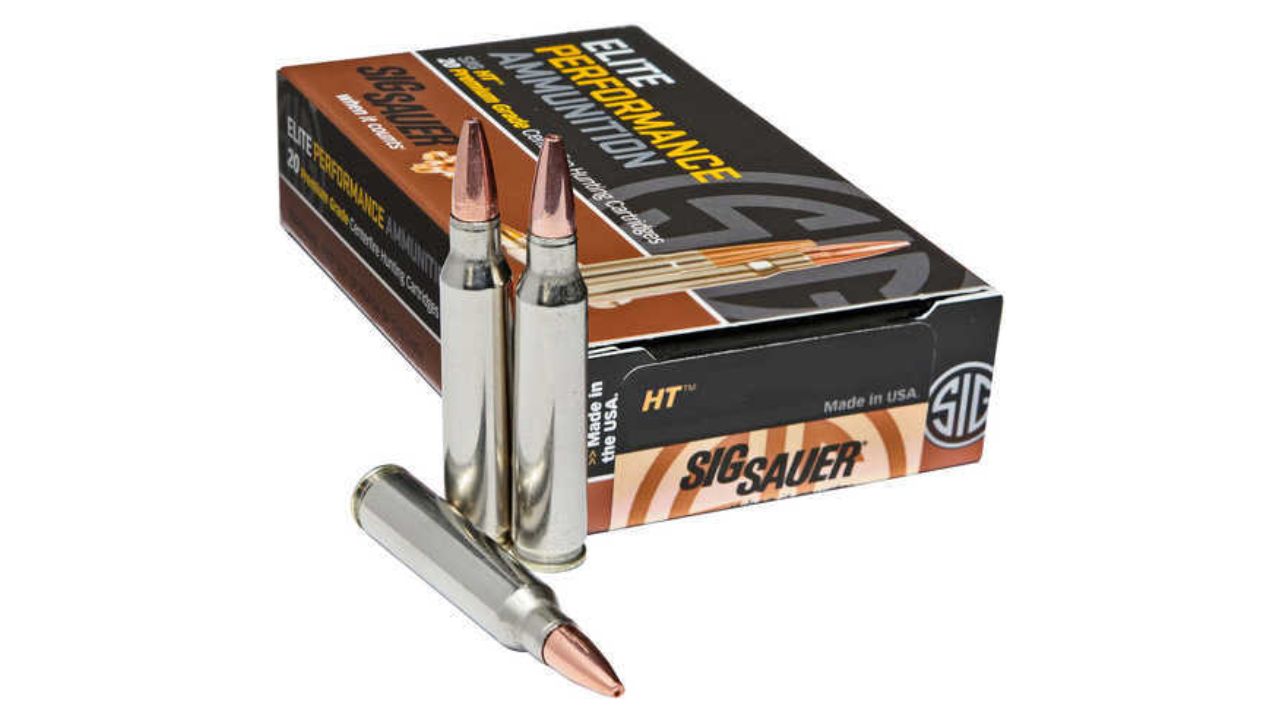
The .30-06 gets defended because it still covers more ground than most hunters truly need. It handles deer, elk, black bear, and moose with sensible bullets, and it does it without being picky or strange. You can walk into almost any shop and find something that will feed it. That kind of availability matters when you actually hunt every season and don’t want your rifle tied to a supply problem.
You also defend it because it’s honest. It doesn’t rely on trendy claims. It gives you a wide bullet-weight range and a track record that’s hard to argue with. Recoil is real, but it’s manageable for most experienced hunters, especially in a proper hunting rifle. When you compare it to cartridges that cost more, kick harder, and don’t kill any cleaner, the .30-06 ends up looking like the practical choice it has always been.
.308 Winchester
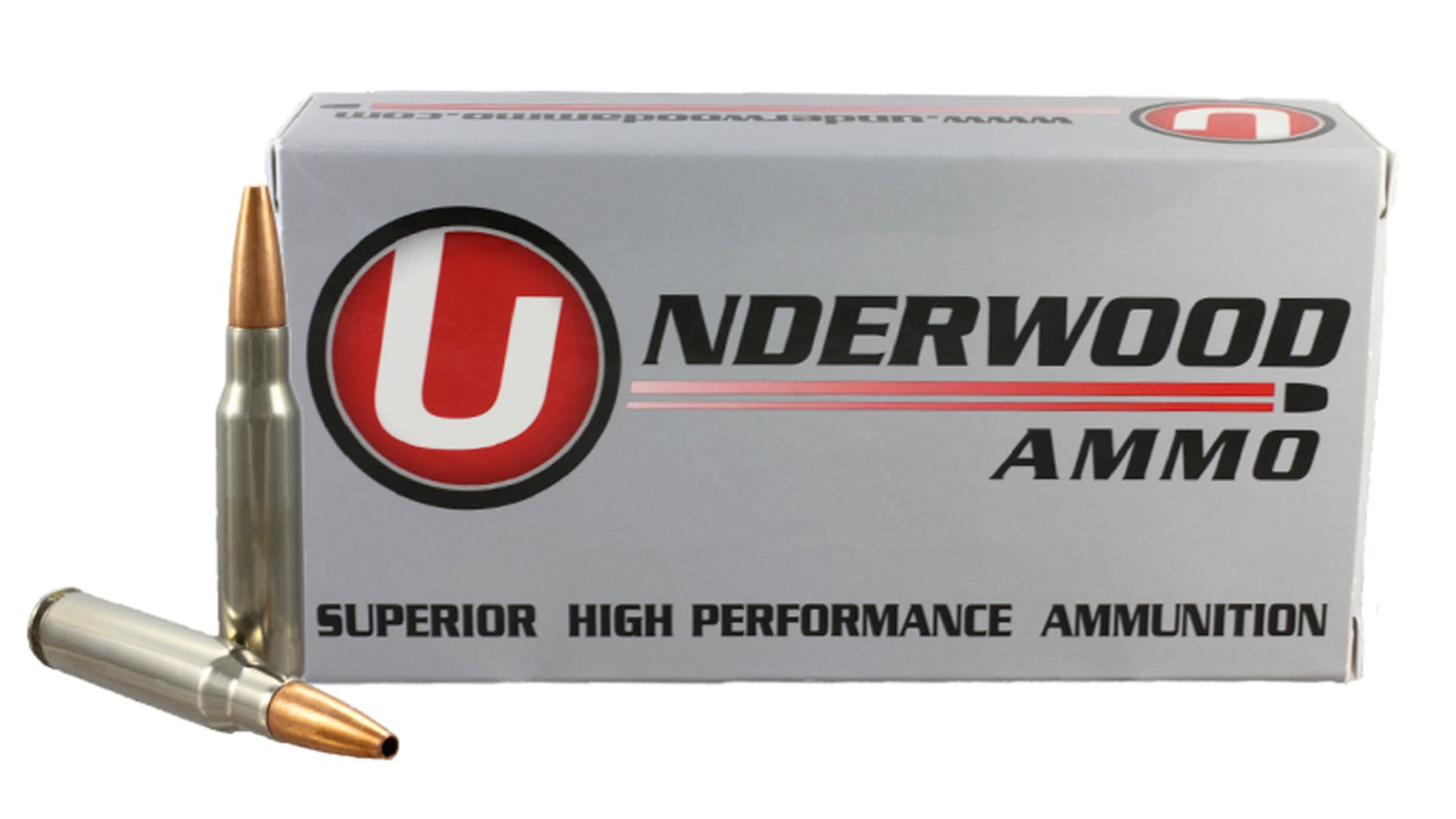
The .308 gets defended because it’s one of the most useful “real world” cartridges ever put in a short action. It’s accurate, it’s efficient, it doesn’t demand a long barrel to behave well, and it fits in rifles that carry easily. For hunters who want a compact bolt gun or a rifle that handles well in blinds and timber, the .308 keeps making sense.
You defend it because it’s easy to shoot well and easy to feed. Recoil isn’t mild, but it’s not a beating either, which means you practice more and shoot better when it matters. Ammo selection is deep, and bullets that perform on game are everywhere. People will tell you it’s not flashy, then quietly choose it because they want predictable results instead of a cartridge that looks exciting but asks for constant compromise.
.270 Winchester
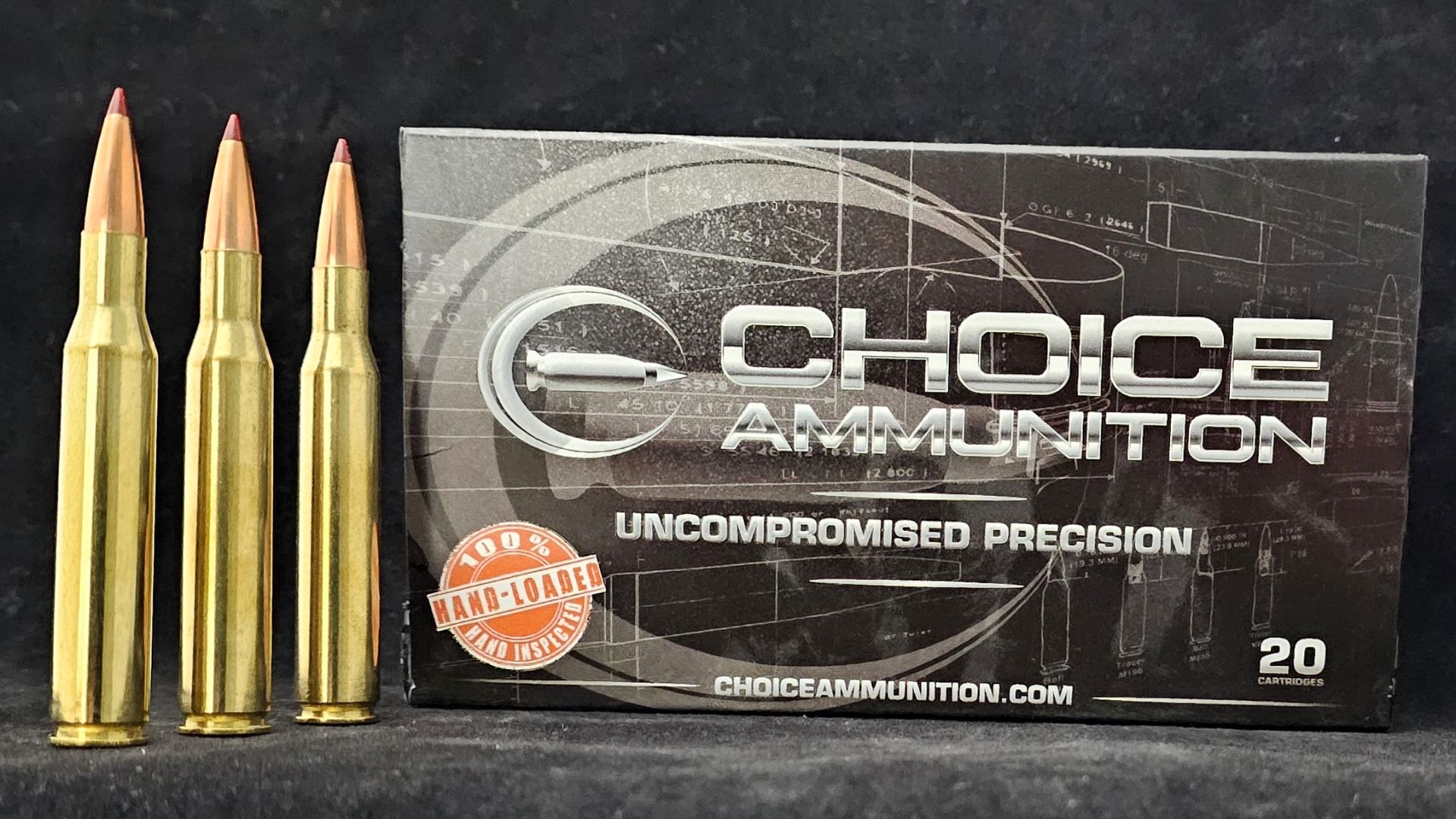
The .270 Winchester gets defended because it still does open-country hunting the way a lot of people actually hunt. It shoots flat enough to simplify holds, carries enough energy for deer and elk with good bullets, and doesn’t punish you like larger magnums. The cartridge also lives in rifles that tend to feel light, quick, and pleasant to carry in real terrain.
You defend it because it keeps proving the same point: you don’t need a magnum to get reach that matters on game. You need a cartridge you can shoot accurately, and the .270 has helped a lot of hunters do exactly that for a long time. It’s also widely available, which makes it easy to keep a rifle running season after season. When somebody calls it “old,” the only real answer is that old doesn’t mean ineffective.
7mm Remington Magnum

The 7mm Rem Mag gets defended because it gives you reach and authority without forcing you into the harshest end of magnum recoil. With the right bullets, it handles elk and big mule deer cleanly, and it stays useful when wind and distance start complicating the shot. It’s been around long enough that the ammo selection is strong and the rifle choices are endless.
You defend it because it still fills a real role for hunters who live in bigger country. It shoots flatter than many standard rounds, it carries energy well, and it doesn’t require you to chase rare ammo or boutique loads to get performance. It’s not the newest 7mm on the board, but it’s one of the most practical. When you’ve watched it do the work across ridges and basins, you stop caring what the trend crowd calls it.
.243 Winchester

The .243 gets defended because it solves the problem that ruins more hunts than people like to admit: recoil making you shoot worse. A mild cartridge that encourages practice tends to create better shot placement, and shot placement is what actually kills cleanly. With proper bullets and sensible distances, the .243 has put a mountain of deer in freezers, and it still does the job when the shooter does theirs.
You defend it because you’ve seen how well it fits newer hunters, smaller-framed adults, and anyone who simply shoots better with less kick. It’s also flexible. It handles varmints and predators with ease and still works on deer-sized game without drama. Critics love to call it “too small,” but the real truth is that most misses and bad hits come from poor shooting, not from choosing a cartridge that’s pleasant enough to train with.
.22-250 Remington

The .22-250 gets defended because it still owns its lane for predators and varmints. It’s fast, flat, and practical in the places coyote hunters actually operate—wide fields, cutovers, and windy edges where you need a cartridge that makes distance less complicated. It hits hard enough for its purpose and keeps recoil low enough that you can spot impacts and stay on the gun.
You defend it because it’s a workhorse, not a novelty. It’s common enough to keep fed, accurate enough to reward good rifles, and simple enough to run without turning into a hobby project. Newer rounds come along, and some of them are excellent, but the .22-250 is still the one many hunters trust when they want predictable results and don’t feel like experimenting. When a cartridge keeps stacking coyotes season after season, you stop apologizing for it.
.25-06 Remington

The .25-06 gets defended because it delivers speed without forcing you into magnum recoil. It’s a flat-shooting cartridge that makes pronghorn and deer hunting feel straightforward in open country, and it still carries enough authority to punch cleanly with the right bullet choice. Hunters who value trajectory but hate getting beat up tend to understand the .25-06 quickly.
You defend it because it’s a practical crossover round. It handles varmints, coyotes, and medium game without feeling clumsy, and it stays accurate enough that you can lean on it when the shot gets longer than you expected. It never needed a loud fan club to be useful. It simply kept doing what it does well. When someone calls it “forgotten,” you usually just smile, because you know it’s one of the easiest cartridges to live with if you actually hunt.
.280 Remington

The .280 Remington gets defended because it’s one of those cartridges that feels smarter the longer you hunt. It gives you excellent big-game performance without jumping into full magnum drawbacks, and it handles a wide range of bullets that make it flexible across deer and elk hunting. It sits in a sweet spot that doesn’t show up in hype cycles as often as it should.
You defend it because it’s efficient and honest. It shoots flat enough for real hunting distances, hits hard enough with proper bullets, and stays manageable in recoil so you can practice without dreading it. A lot of hunters missed it because it lived between louder names. But once you compare what matters—shootability, effectiveness, and practicality—the .280 keeps standing there like the adult in the room. It’s not flashy. It’s just consistently useful.
6.5 Creedmoor

The 6.5 Creedmoor gets defended because it made accurate shooting easier for more hunters, and that matters. Recoil is manageable, bullets are efficient, and many shooters find they shoot it well without fighting the rifle. That combination helps people place shots better, especially at longer ranges where small errors turn into big misses or worse hits.
You defend it because the cartridge does what people actually need: it helps you shoot straight without punishing you. It’s also widely supported now, which means rifles, ammo, and bullet choices are everywhere. The arguments usually come from people treating it like a miracle or treating it like a joke. The truth is simpler. It’s a practical modern hunting round that works extremely well when you use it within its intended role and pick the right bullet for the game.
.300 Winchester Magnum

The .300 Win Mag gets defended because it’s still one of the cleanest answers for hunters who want magnum reach with real authority on bigger animals. It handles elk, moose, and tough angles with more margin than standard rounds, and it carries energy well enough that wind and distance don’t shrink your options as quickly. When you need a cartridge that can cover large country and heavy game, it keeps showing up for a reason.
You defend it because it’s available, proven, and practical for what it is. Recoil is stout, but it’s not unmanageable for experienced hunters, and the ammo selection is deep. It also has decades of field history behind it, which matters more than online opinions. The .300 Win Mag isn’t for everyone, but when you compare it to trendier magnums that cost more and don’t kill any cleaner, it’s easy to see why hunters keep sticking with it.
.45-70 Government

The .45-70 gets defended because it solves close-range problems with authority. In thick timber, brushy bottoms, and places where shots are quick and animals are heavy, it gives you a short, handy rifle that hits like it means it. It’s not built for stretching the horizon, and that’s exactly why it works so well when the hunt is up close and personal.
You defend it because it does something modern rifles don’t always do: it stays simple while delivering big results in a compact package. It’s also a cartridge that makes sense for hunters who like lever guns, who hunt thick cover, or who want a rifle that carries easily in rough country. When people mock it for trajectory, they’re arguing the wrong problem. The .45-70 isn’t about distance. It’s about ending the argument quickly when the distance is short.
.35 Remington

The .35 Remington gets defended because it’s a woods cartridge that never stopped being effective in the woods. It throws a heavier bullet than the common small-bore deer rounds, tends to hit with a solid feel on game, and pairs well with handy rifles that carry naturally in brush country. It isn’t built for long-range bragging, so it doesn’t get trendy attention, but it keeps doing the work where a lot of deer are actually killed.
You defend it because you know what it does inside normal timber distances. It’s the kind of round that punches through ribs, handles quartering angles well with the right bullet, and doesn’t require you to treat every shot like a math problem. People talk about speed like it’s the only measure, then hunt in cover where speed barely matters. The .35 Remington still solves that real-world mismatch better than the critics admit.
.35 Whelen

The .35 Whelen gets defended because it gives you real bullet weight and frontal diameter without turning your rifle into a brutal magnum experience. It’s a straightforward big-game cartridge that handles elk, moose, and bear work with authority, especially at the kinds of ranges where those hunts often happen. It’s not a trend round. It’s a “get it done” round.
You defend it because it’s practical power. It doesn’t need extreme speed to work. It relies on bullet weight, penetration, and reliable performance on tough animals. That matters when you’re hunting places where angles aren’t perfect and animals don’t always stand broadside on a calm day. The Whelen also has an old-school simplicity to it—easy to understand, easy to load for, and hard to argue with once you’ve watched it do its job. It stays defended because it stays useful.
.338 Winchester Magnum

The .338 Win Mag gets defended because it still makes sense for hunters who chase big animals in big country and want more margin on impact than the standard calibers provide. It hits hard, penetrates well with the right bullets, and has a reputation for handling tough game in a way that builds confidence. It’s not a casual cartridge, but it wasn’t built for casual work.
You defend it because it’s one of those rounds that settles arguments on large animals. Recoil is real, and anyone honest will admit that, but the cartridge pays you back when the hunt is serious and the stakes are high. It’s also been around long enough that you aren’t stuck with oddball ammo choices. You can find loads, you can find rifles, and you can find hunters who have used it enough to trust it. That’s why it keeps getting defended.
.257 Roberts

The .257 Roberts gets defended by hunters who value shootability and field effectiveness over noise. It’s mild, accurate, and extremely pleasant to practice with, which is part of why it works so well in the first place. A cartridge you shoot comfortably and often tends to perform better in the field, and the Roberts has lived on that truth for a long time.
You defend it because it still handles deer and pronghorn cleanly with sensible bullets and sensible distances. It’s also one of those rounds that feels refined rather than extreme. It doesn’t beat you up, it doesn’t demand heavy rifles, and it doesn’t rely on marketing to justify itself. People who haven’t used it often assume it’s outdated. People who have used it tend to keep it. That pattern tells you everything you need to know about why the .257 Roberts still flat-out works.
7×57 Mauser
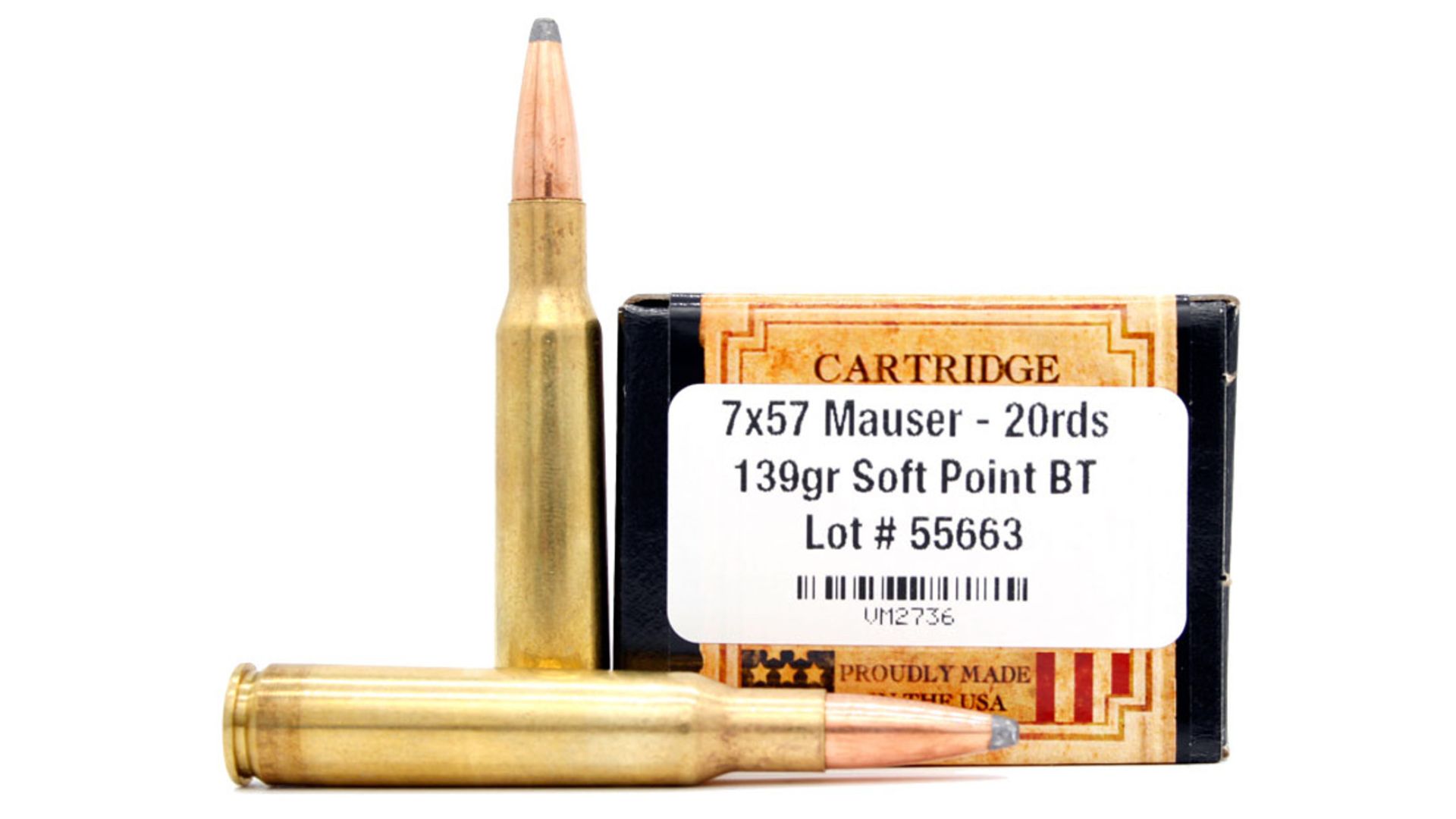
The 7×57 Mauser gets defended because it’s one of the best examples of a cartridge staying relevant through pure practicality. It has been used on big game for a very long time, and it earned a reputation for deep, efficient performance that doesn’t depend on high recoil or flashy velocity. With good bullets, it remains an effective hunting round that does more than the numbers alone suggest.
You defend it because it’s easy to shoot well and surprisingly capable on game when you use it wisely. It’s not built for the modern obsession with maximum speed, but speed isn’t the only way to kill cleanly. The 7×57 leans on efficiency and penetration, and that matters in real hunting. When someone dismisses it as “old,” they’re ignoring the obvious: it’s still in use because it still solves the hunting problems it was solving generations ago.
Like The Avid Outdoorsman’s content? Be sure to follow us.
Here’s more from us: