
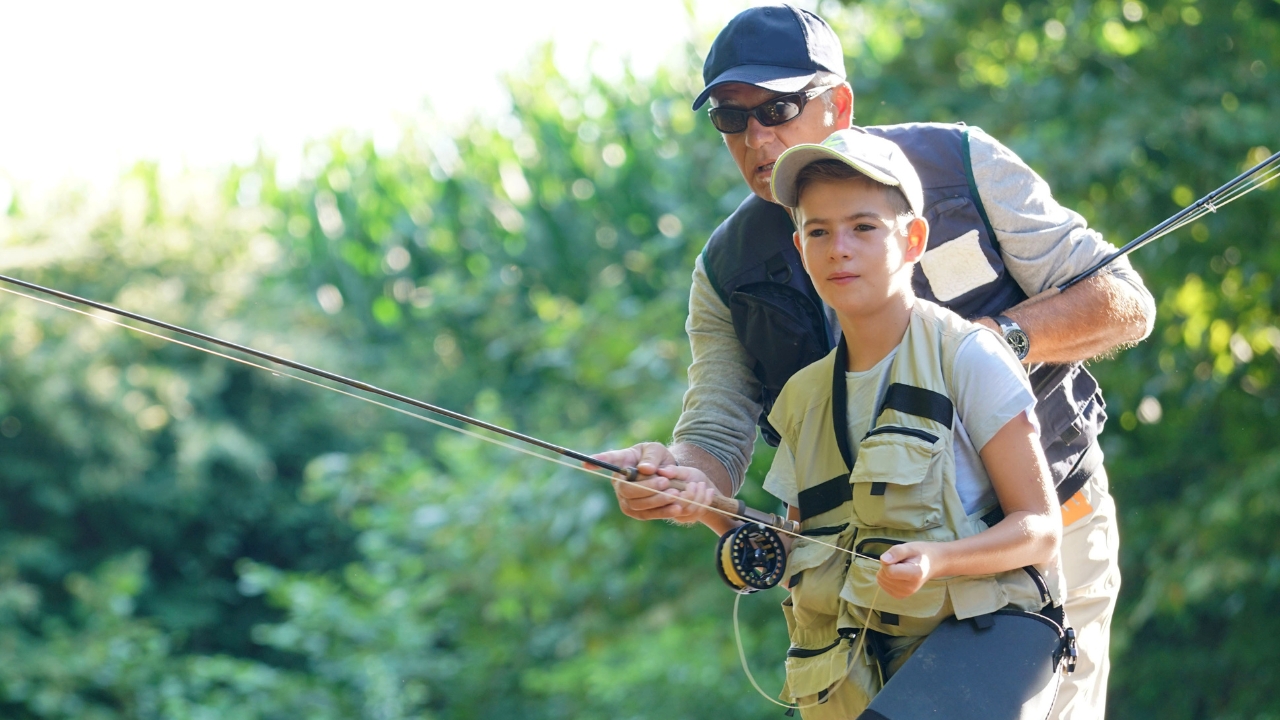
Photo credit: goodluz/Shutterstock.com
Fly fishing offers a unique mix of challenge and reward, making it one of the most immersive ways to enjoy the outdoors. For newcomers, though, it can feel like there’s a lot to figure out—everything from setting up your gear to perfecting your cast to reading the water. With a little guidance, the learning process becomes much more manageable, and every trip out can be more productive and enjoyable. These 14 tips are here to help you get started and make the most of your time on the water.
Study the Water Before Casting

Hold off on casting and take a moment to read the water. Look for rising fish, observe insect activity, and note the current’s flow. These clues will guide your approach and help you fish smarter.
Planning your first casts carefully saves time and increases your chances of success. By watching for feeding zones and underwater structures, you’ll be one step ahead.
Start Slow to Avoid Spooking Fish

Fish near the shore are quick to scatter if you stomp in. Begin by casting from the bank, targeting the edges and shallows first.
Gradually wade into the water, moving quietly to avoid alerting fish. A calm approach keeps your opportunities intact.
Keep Your Hooks Razor Sharp

A dull hook can cost you fish. Check your hooks often, especially after snagging rocks or branches, and give them a quick sharpen when needed.
Sharp hooks penetrate better, increasing your hookup rate. It’s a small detail that makes a big difference.
Master Fly Line Control
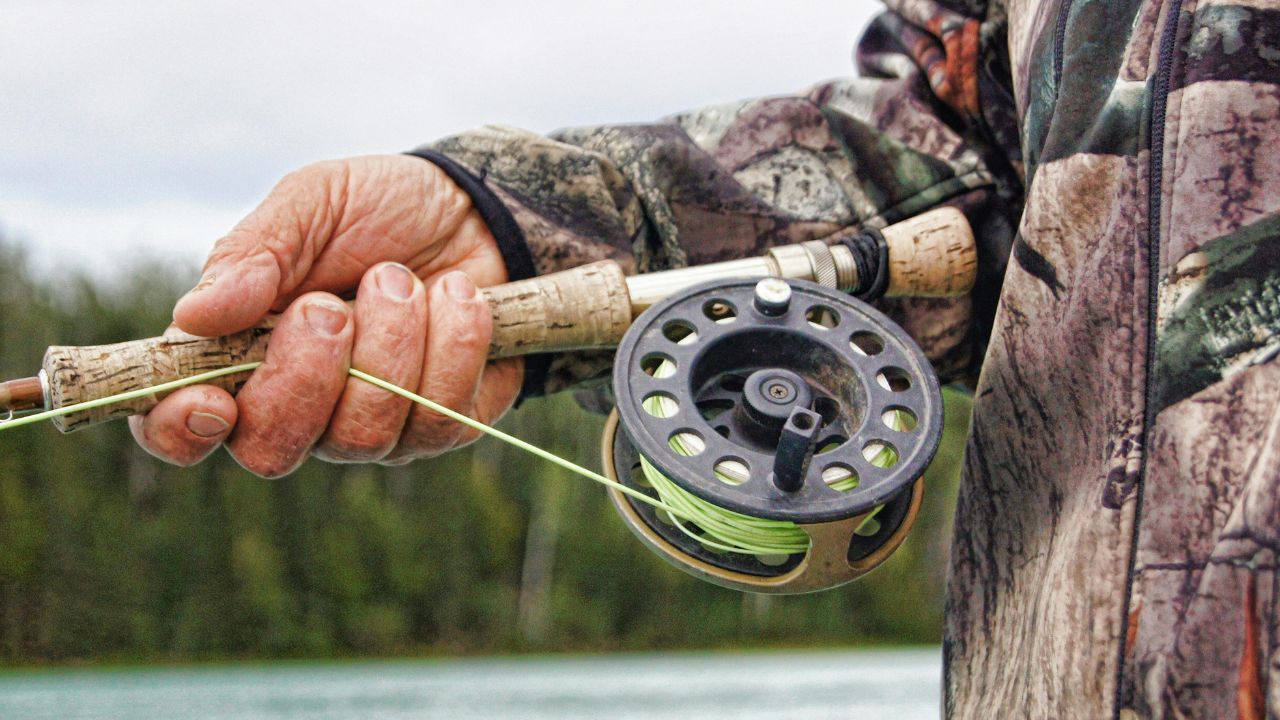
Fly fishing takes coordination. Use one hand to cast and the other to manage your line, keeping it tidy and out of trouble.
Make sure your drag is set correctly—tight enough to avoid backlash but loose enough to protect your tippet. Good line control helps you stay ready for strikes.
Learn to Shoot Line for More Distance

Shooting line lets you cast farther with less effort. Leave some slack near your reel, and as you cast, let the momentum pull the extra line through the guides.
It’s a simple trick that improves distance and presentation. Practice it, and you’ll cover more water with each cast.
Cut Down on Excessive False Casting

False casting tires your arm and increases the chance of tangles. Limit it to drying your fly or gaining distance when needed.
The more time your fly spends in the water, the better your odds of catching fish. Keep your casts efficient and purposeful.
Assemble Your Rod Carefully

Start putting your rod together from the tip section and work downward. This keeps you from accidentally holding the delicate tip, which could snap under the rod’s weight.
It’s a small adjustment to your routine that helps prevent costly damage and frustration.
Thread Your Line with Ease

Before threading your line through the guides, create a small loop at the end. This loop stops the line from slipping back if you let go.
It’s a quick trick that saves time and keeps things running smoothly, especially in windy conditions.
Secure Your Line When Moving Spots

Don’t pull your line completely into the rod tip when changing locations. Hook your fly onto a guide lower on the rod and wrap the line around your reel to keep everything secure.
This protects your rod from damage and gets you ready to fish again without unnecessary hassle.
Protect Your Reel from Dirt and Damage

Place your reel on a clean surface, like a hat or soft fabric, when setting up your gear. This keeps dirt and grit out, which can damage modern reels with tight tolerances.
Taking care of your reel in the field prevents costly repairs and keeps it performing smoothly.
Set Your Drag for Better Control

Set your drag just tight enough to avoid backlash while pulling on the line. This balance gives you more control during fights and prevents breakoffs when using lighter tippets.
A properly adjusted drag is key to handling strong fish without losing them or damaging your gear.
Wear Glasses for Safety and Visibility

Flying hooks are no joke, especially for beginners. A solid pair of glasses protects your eyes from accidents and also cuts down glare, making it easier to spot fish.
Safety and better visibility go hand in hand, so never skip this simple but crucial piece of gear.
Stay Patient and Keep a Sense of Humor

Fly fishing isn’t always smooth sailing. Snags, tangles, and missed strikes are all part of the game. Instead of getting frustrated, embrace these moments as opportunities to learn and improve.
Keeping a good attitude makes every trip more enjoyable, even when things don’t go as planned. Plus, a laugh over a messy line beats losing your cool any day.
Focus on Smooth Presentation Over Distance

Impressive long casts aren’t everything in fly fishing. A well-presented fly that lands softly on the water is far more likely to entice fish.
Prioritize technique and accuracy over distance. Even fish close to you will respond to a natural, delicate presentation.
*This article was created with the assistance of AI.


