Image Credit: Fercast/Shutterstock.com
Most people don’t think about survival skills until they need them—and by then, it’s too late. When the power’s out, the shelves are empty, and help isn’t coming, the difference between getting by and falling apart comes down to what you know. You can’t eat good intentions, and wishful thinking won’t keep you warm.
Survival isn’t about being the toughest person out there. It’s about knowing how to handle yourself when things go south. Can you find clean water? Start a fire? Patch up a wound? If not, now’s the time to learn. Because when the world flips upside down, the people who know what they’re doing are the ones who make it through.
Make and Use Rope When You Need It
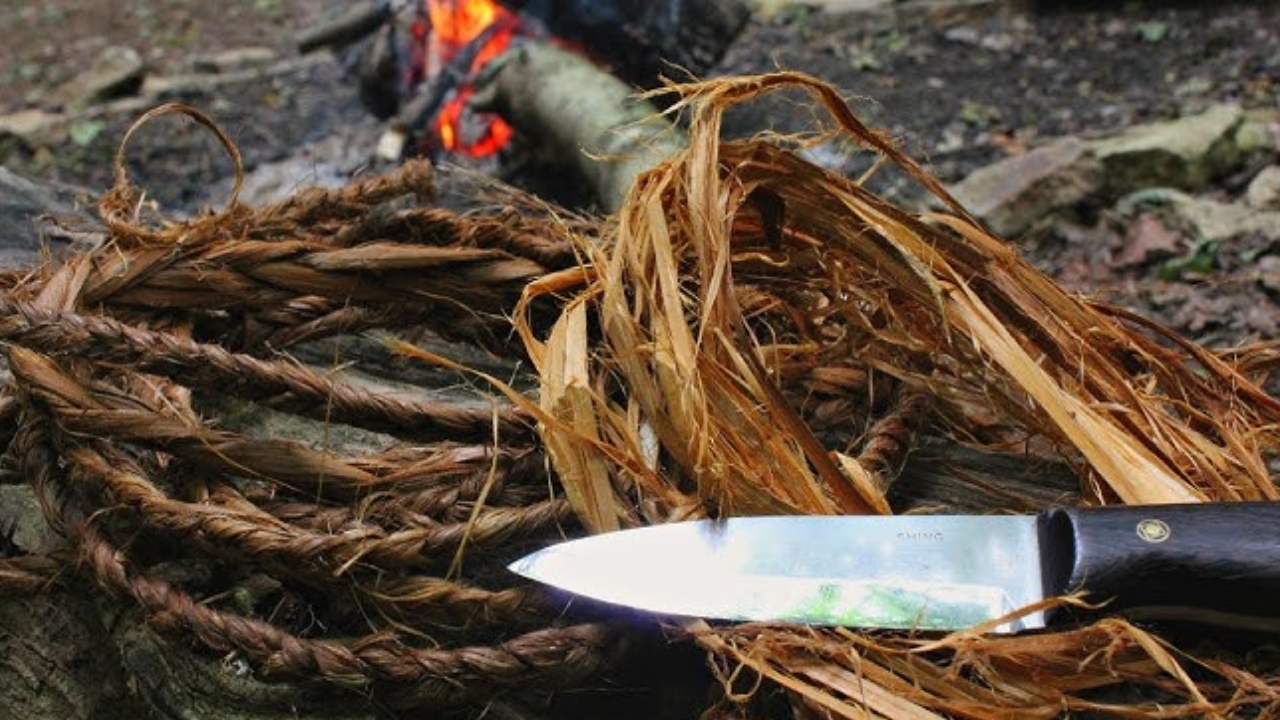
A good length of rope can save your life, but if you don’t have any, knowing how to make it is the next best thing. Strong cordage is useful for shelter-building, securing gear, trapping, and even first aid. If you’re in the wild, look for plant fibers like inner tree bark, long grasses, or vines. Twist them together tightly to create a durable rope.
Paracord is worth carrying if you’re serious about survival. It’s lightweight, strong, and can be unraveled into smaller strands for fishing lines, snares, or sewing repairs. Knots matter, too. A poorly tied knot is as bad as no rope at all, so learn the ones that hold under pressure.
Fix Things with Basic Tool Skills
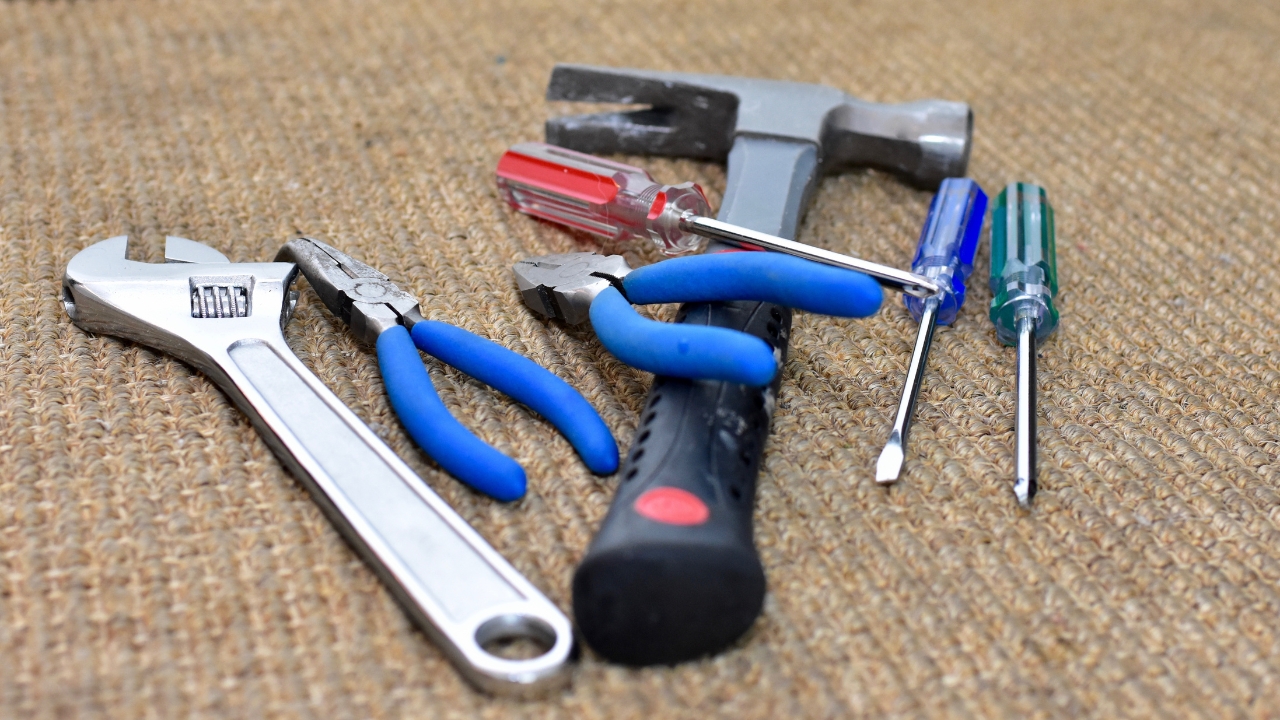
If things go sideways, knowing how to turn a wrench or patch something up will go a long way. A broken-down vehicle, busted generator, or leaky pipe can go from an inconvenience to a crisis real quick. You don’t need to be a master mechanic, but learning the basics—changing a tire, jump-starting a car, fixing a leaky faucet—can keep small problems from turning into big ones.
Hand tools matter just as much. A good knife, a sturdy hammer, and a multi-tool can cover most fixes. Learn how to use a saw, drill, and wrench set before you actually need them. If you’ve never had to rig something together with duct tape and zip ties, now’s the time to start.
Grow and Store Food for the Long Haul
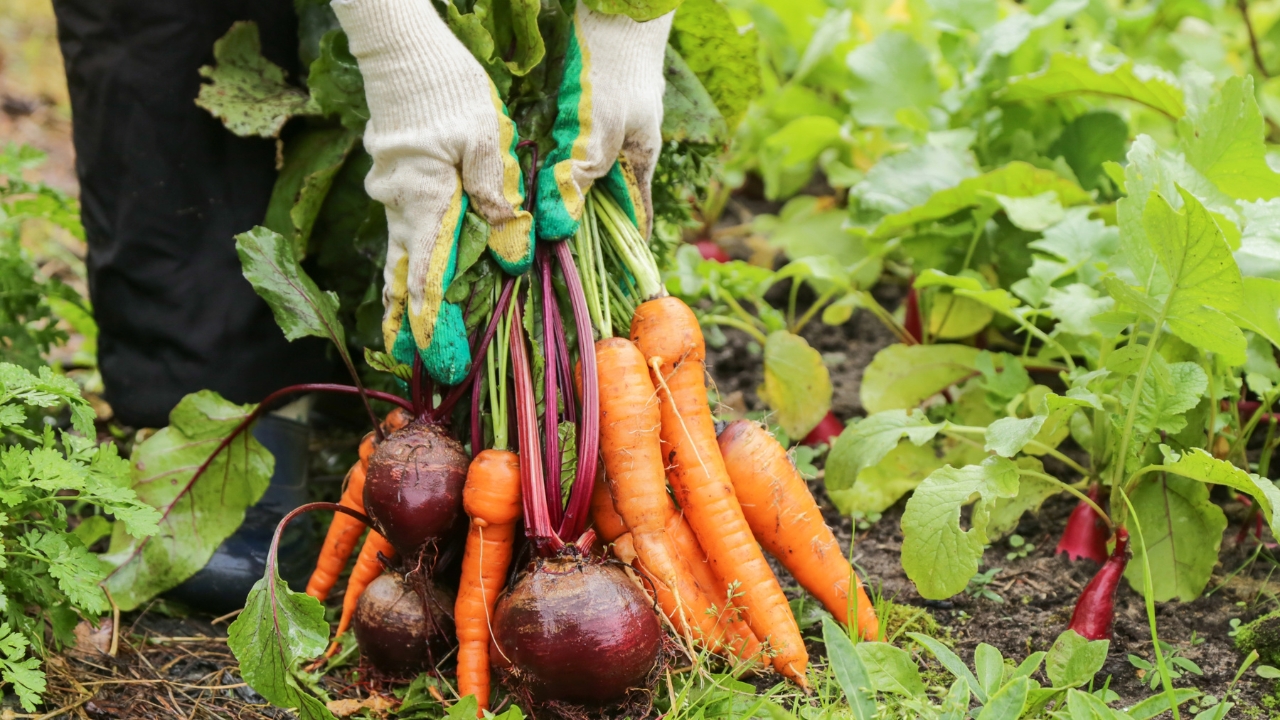
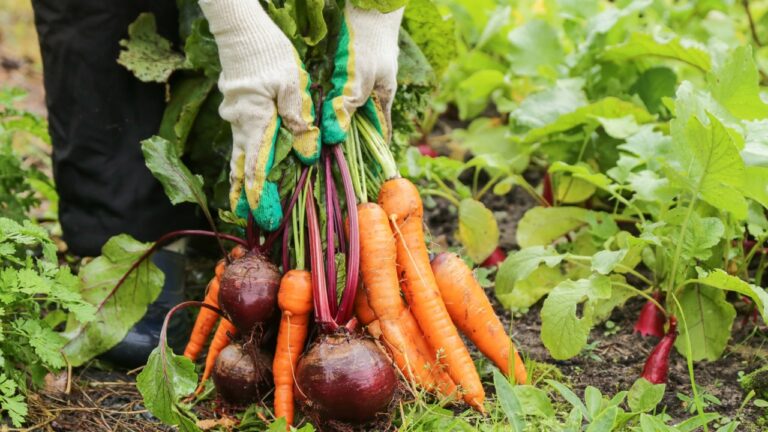
Canned goods won’t last forever, and if grocery stores shut down, knowing how to grow food is the next best option. Even a small backyard or indoor setup can produce enough to keep you going. Potatoes, beans, and squash are reliable, while herbs can add nutrients and flavor when food gets repetitive.
Once you’ve got food, storing it is just as important. Canning, dehydrating, and fermenting keep food edible for months—or even years. A root cellar, even a makeshift one, can help preserve fresh produce longer. Stockpiling food is great, but knowing how to replace it is what really matters in the long run.
Handle Firearms Safely and Smartly

If you own a gun, knowing how to use it safely is non-negotiable. In a survival situation, a firearm can help with hunting or self-defense, but only if you’re comfortable handling it. That means knowing how to load, clean, and store it properly. A gun that jams when you need it most is worse than not having one at all.
Ammunition isn’t unlimited, so don’t rely on a gun for everything. Firearms should be a last resort, not a first option. If you carry one, practice regularly. A missed shot wastes ammo and draws attention. The safest gun owner is the one who never has to fire a shot.
Use Natural Medicine When There’s No Pharmacy
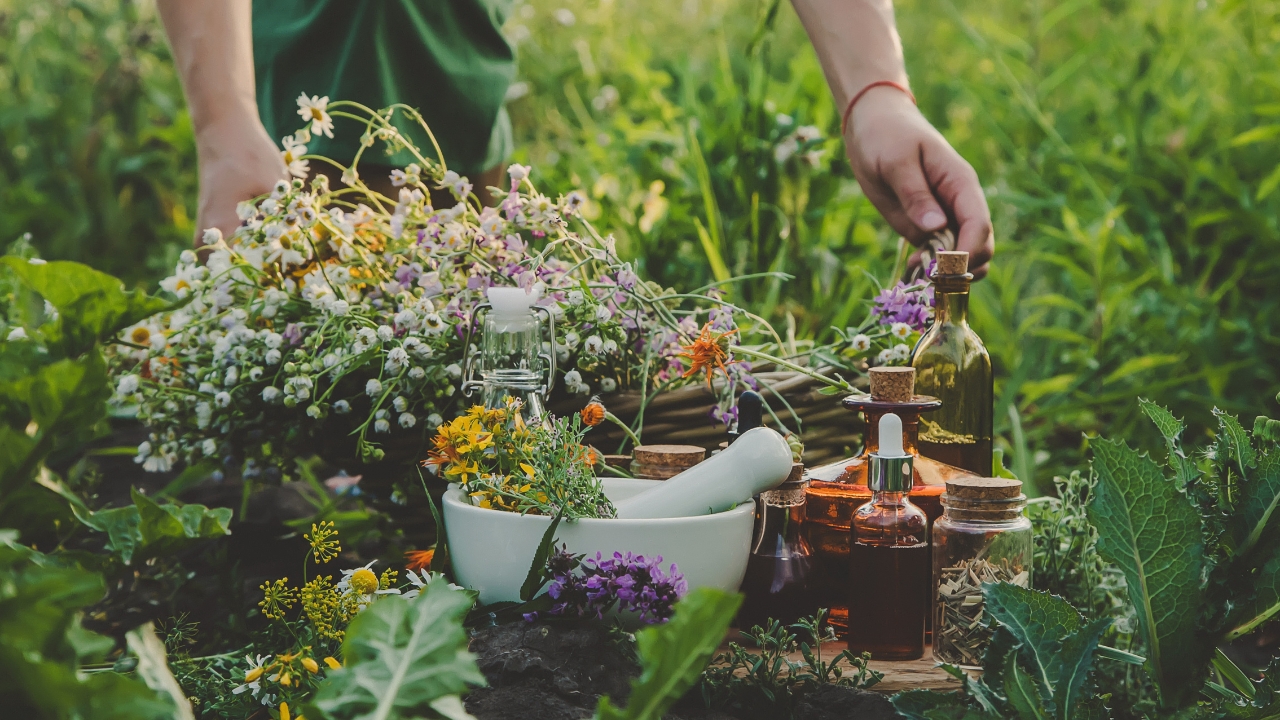
If medicine runs out or isn’t available, knowing which plants can help is a survival skill worth learning. Yarrow can stop bleeding, willow bark works like aspirin, and mint can help with digestion. But guessing can get you into trouble—some plants look alike, and eating the wrong one can make things worse.
A good field guide is worth keeping on hand. Learn how to identify medicinal plants before you need them, and test small amounts first to make sure you don’t have a reaction. Boiling plants into teas or making poultices for wounds can be the difference between healing and infection. Nature has its own medicine cabinet—you just have to know where to look.
Catching Small Game for Food

When food runs low, small game like rabbits, squirrels, and fish can make all the difference. But chasing a rabbit isn’t going to get you anywhere. Snares, deadfall traps, and fishing lines do the work for you while you handle other survival needs. Learning how to set a simple snare with wire or paracord can put food on the table without burning energy.
Hunting with a slingshot, bow, or firearm takes skill, and it’s better to practice before you’re in a survival situation. Know where animals travel—game trails, water sources, and dense brush are good bets. If you’re trapping, scent matters. Handle traps with gloves to avoid leaving human scent behind, or the animals will wise up fast.
Find Your Way Without GPS

Phones and GPS devices are great—until they’re dead. Knowing how to navigate without electronics isn’t just an old-school skill; it’s a survival must. A compass and a map are lifesavers if you know how to use them. If not, the sun and stars can point you in the right direction. The sun rises in the east and sets in the west. At night, the North Star can keep you on track in the Northern Hemisphere.
Landmarks matter too. Rivers usually lead to civilization, and ridgelines can help you spot your next move. If you’re lost, stop walking aimlessly. Figure out your direction before making things worse. When in doubt, mark where you’ve been and move slowly—getting more lost isn’t an option.
Stay Safe with Self-Defense and Awareness

Danger doesn’t always come with a warning. Whether it’s an animal looking for a meal or another person looking for trouble, being ready makes all the difference. A knife isn’t just for cutting wood—it’s a last line of defense. Firearms are even better, but only if you know how to use them safely and legally.
Situational awareness is just as important. Pay attention to your surroundings. Don’t walk into a choke point where you can be ambushed, and don’t let anyone get too close if they seem off. Trust your instincts. If something feels wrong, it probably is. The best fight is the one you never have to be in.
Build a Shelter Before It’s Too Late

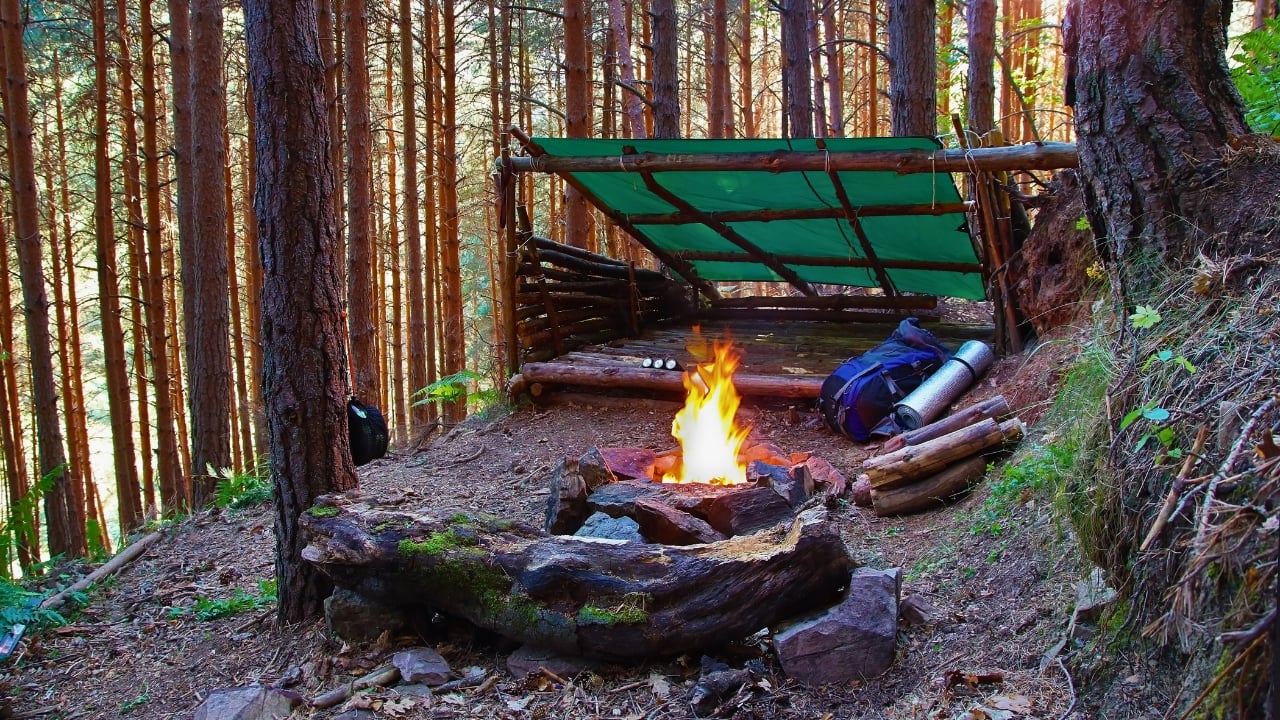
If you’re stuck outside in bad weather, the right shelter can mean the difference between surviving and freezing. Wind, rain, and cold sap your body heat fast, and hypothermia can set in even when it’s not below freezing. A simple lean-to or debris shelter can keep you dry and out of the wind.
A tarp is one of the best survival tools out there—lightweight, easy to pack, and fast to set up. If you don’t have one, natural materials work too. Pile up leaves and branches for insulation, and always build your shelter above flood lines. Staying dry is just as important as staying warm.
Find and Clean Water the Right Way

Water isn’t optional. You can last weeks without food, but only a few days without water. If the world goes sideways, clean water might not just come from the tap. Lakes, rivers, and even rainwater can work, but they’re not always safe to drink as-is. Bacteria, parasites, and chemicals can turn a sip into a hospital trip—if hospitals are even an option.
Boiling is your best bet if you’ve got a fire and a metal container. If not, water purification tablets, a portable filter, or even homemade charcoal filtration can help. Collecting rainwater with tarps or containers is another smart move. If you’re ever unsure, don’t risk it. Dirty water is worse than no water.
Start a Fire Without Lighter Fluid
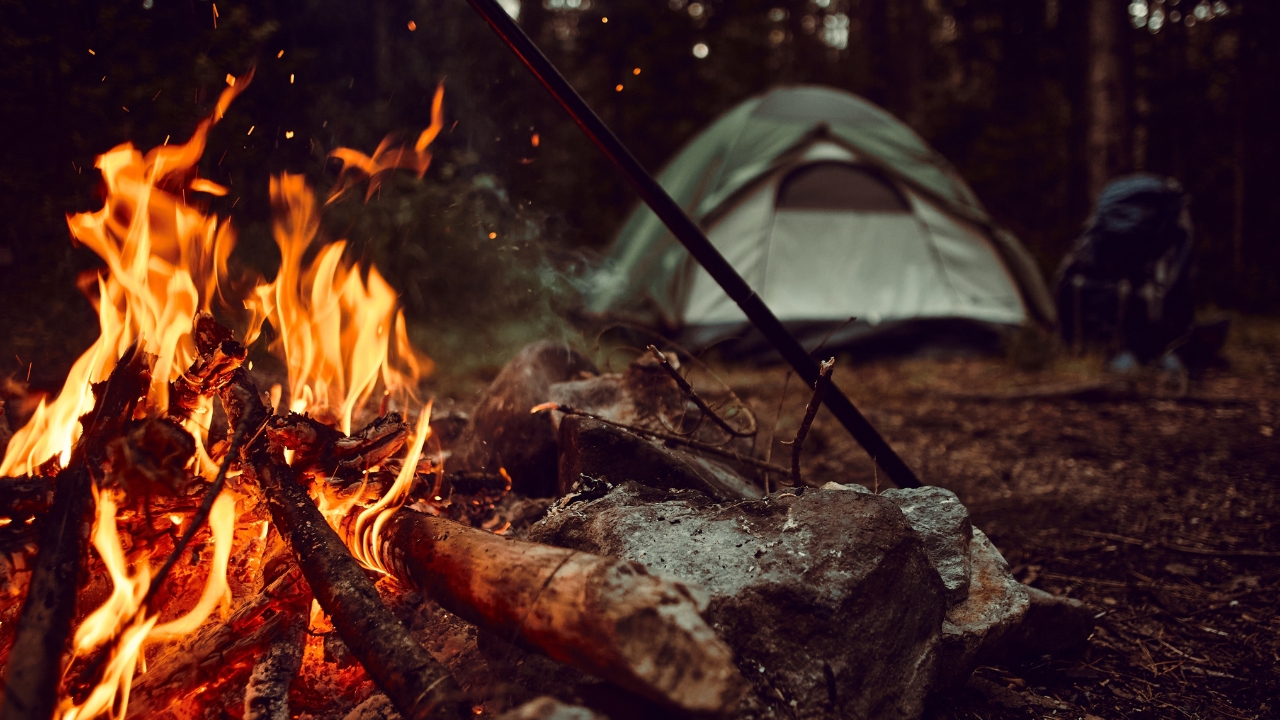
A fire isn’t just about staying warm—it’s cooking, purifying water, and keeping predators (human or otherwise) at bay. If your lighter runs out or your matches get soaked, you’ll need another way to get one going. A ferro rod is a solid investment and lasts way longer than a pack of matches. You can also use steel wool and a battery, a magnifying glass, or even friction-based methods like a bow drill if you’re feeling ambitious.
The trick is dry tinder. Cotton balls with petroleum jelly work great, but dry grass, pine needles, and even pocket lint will do in a pinch. If you’ve never tried starting a fire without a lighter, now’s the time to practice—not when you actually need it.
Know Basic First Aid Before You Need It

A cut or sprained ankle might not seem like a big deal—until there’s no doctor to help. If you don’t know how to treat wounds, burns, or broken bones, a small injury can turn serious fast. Infection is one of the biggest killers in survival situations, so keeping wounds clean is priority number one. Rinse with clean water, use antibiotic ointment, and wrap it up.
Learn how to stop bleeding, make a sling, and recognize the signs of shock or dehydration. A solid first aid kit is worth its weight in gold, but only if you know how to use it. Get familiar with it now, before you actually need it.
Eat Wild Plants Without Poisoning Yourself

If food runs low, knowing what’s safe to eat in the wild is a game-changer. The problem? A lot of plants that look harmless can make you sick—or worse. Berries, mushrooms, and even some leafy greens can be deadly if you don’t know what you’re looking at. The universal edibility test can help, but it’s not foolproof.
The best way to be sure? Learn the edible plants in your area before you need them. Dandelions, cattails, and wild onions are safe in most places. Avoid anything with white berries, umbrella-shaped flowers, or a bitter taste. When in doubt, don’t eat it. Hunger is bad, but poisoning yourself is worse.
*This article was created with the assistance of AI.