Photo credit: Skylines/Shutterstock.com
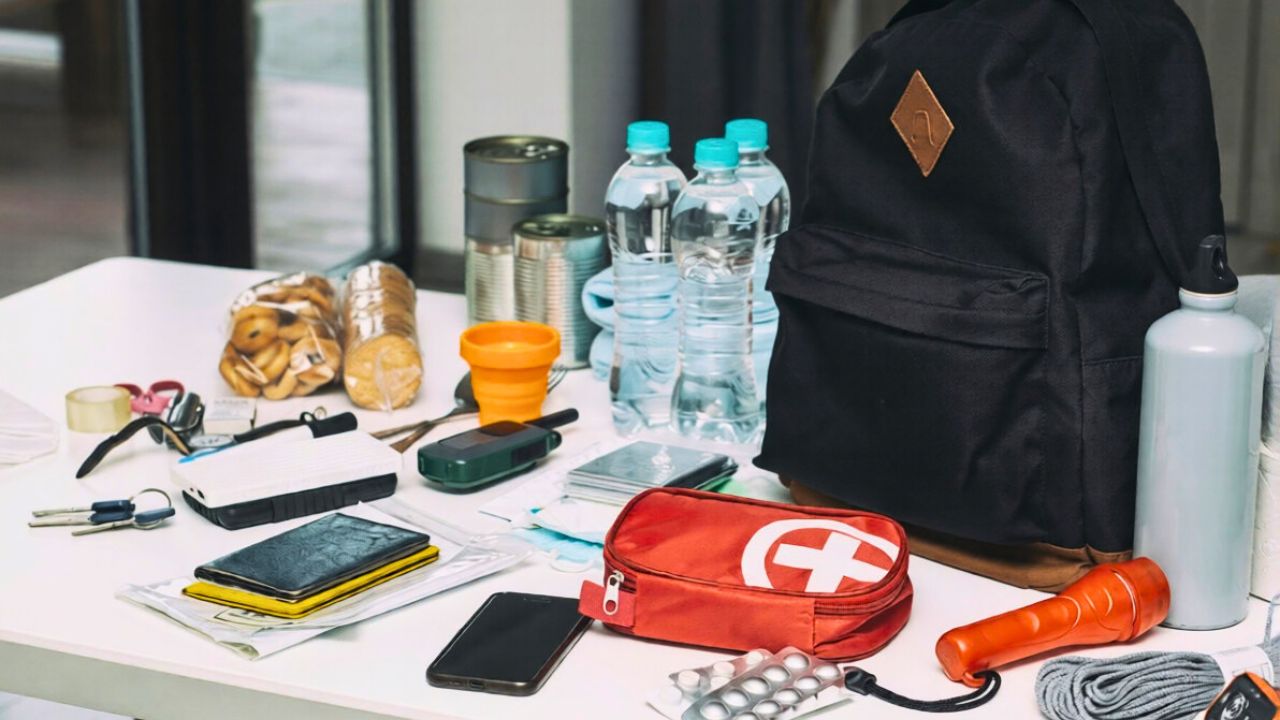
I’m not saying you can’t keep a survival kit. I’m saying most people pack one like they’re building a display. They load it up with stuff that looks “prepared” but doesn’t solve problems in the real world. Space and weight are always the limiter, even in a vehicle kit, because the more junk you cram in there, the harder it is to find the one thing you actually need when you’re stressed, cold, and irritated. A good kit is boring on purpose. It’s built around water, warmth, light, simple medical, and tools that do more than one job. If you’ve got a bunch of single-purpose “survival” items that only work in ideal conditions, you’re carrying clutter, not capability.
The fastest way to tell if a kit is packed wrong is to look for items people buy because they feel safe owning them, not because they’ve used them. If you’ve never tested it in bad weather, never practiced with it in the dark, and never had to rely on it when you’re tired, it’s not a “plan.” It’s a guess. And the bad part is those guesses take up the same space that could be used for the basics that actually keep you moving and functioning. Here are seven things I see all the time that usually need to go or get replaced with something that actually earns its spot.
Massive fixed-blade knives that belong on a wall, not in a kit
A big knife looks tough, and it sells the fantasy, but most people aren’t batonning logs and building cabins. What they’re really doing is opening packaging, cutting cordage, processing kindling, slicing food, and doing small jobs where control matters more than size. Oversized blades chew up space, add weight, and end up being a liability in tight work. If you want a fixed blade, keep it reasonable and choose one you can actually handle with gloves on. Better yet, pair a normal-sized fixed blade with a small folding saw. That combo handles real shelter and fire prep way better than some oversized “survival” knife ever will.
Cheap multi-tools that fold under pressure
The bargain-bin multi-tool is one of the biggest traps in survival kits. It feels like you packed “everything,” but when you need pliers that actually grip, a screwdriver that doesn’t twist, or a blade that doesn’t roll, you find out fast why it was cheap. If your tool fails in the moment you need it, it wasn’t a savings, it was dead weight. One solid tool that works beats five flimsy functions every time. If you’re going to carry a multi-tool, carry one that you’d trust to fix something when your hands are cold and you’re annoyed, not one that lives in a drawer.
Tinder “bricks” and gimmick fire starters you’ve never tested
Fire is one of the biggest places people buy gimmicks. Waxy blocks, fluffy “fire rope,” spark rods the size of a pencil, and tiny ferro rods that look good in a kit but are miserable to use in wind or rain. None of it matters if you haven’t practiced lighting a fire in bad conditions with cold fingers. A simple, tested setup wins: a reliable lighter, waterproof matches, and a small amount of tinder you know lights quickly. You don’t need a novelty fire starter. You need something that works when everything is damp and your patience is gone.
Tiny keychain flashlights with useless output
A keychain light is fine for finding your keys. It’s not fine for moving through dark terrain, checking an injury, or making sure you’re not stepping into a mess. People pack tiny lights because they’re cute and “compact,” but they don’t throw far, they don’t last long, and they’re hard to use with gloves. You’re better off with one dependable headlamp and a backup handheld light with common batteries. Light isn’t luxury. It’s safety. The wrong light turns into stress fast, because you can’t do anything efficiently when you can’t see what you’re doing.
Survival fishing kits unless you’ve actually fished that way
Those little survival fishing kits are a classic. They come in a tin, they look clever, and they convince people they’ve solved food. In reality, most folks have never caught anything with one, and even if they did, it’s not fast calories. Fishing takes time, conditions have to cooperate, and your energy budget matters. If you want to include fishing gear, pack it because you know how to use it, not because it sounded like a smart idea. Otherwise, you’re better off putting that space into water treatment, more calories, or better shelter options.
Paracord for everything instead of the cordage you actually need
Paracord is useful, but it gets treated like magic rope, and it’s not. People pack a huge wad of it with no plan, then realize they needed thinner line for certain jobs, or something that doesn’t stretch as much, or just a way to tie off fast. Cordage should match what you actually do: shelter tie-outs, repairs, hanging food, making a splint, securing gear. A mix usually beats one giant bundle. And if you’re carrying cordage, you should also carry a few ways to secure it quickly, because tying perfect knots with cold hands is not as easy as people imagine.
Too many “what if” gadgets and not enough basics
This is the big one. Kits get bloated with gadgets: tiny wire saws, pocket-sized stoves with no fuel plan, micro-compasses that are hard to read, “emergency” blankets with no real insulation strategy, and random add-ons that exist because the packaging promised survival. Meanwhile, the basics get skimmed: enough water capacity to actually move, enough insulation to stay warm, simple medical supplies you know how to use, and a way to keep your hands dry and functional. Every kit should be built around the most likely problems first. Most survival issues start small and get worse. The kit should stop that slide, not look impressive.
A survival kit that works isn’t the one with the most stuff. It’s the one with the fewest failures. If you want to improve yours fast, dump the gimmicks, tighten it around the basics, and test it in bad weather when you don’t feel like doing it.
Like The Avid Outdoorsman’s content? Subscribe to our newsletter so you never miss an article.
Here’s more from us: