
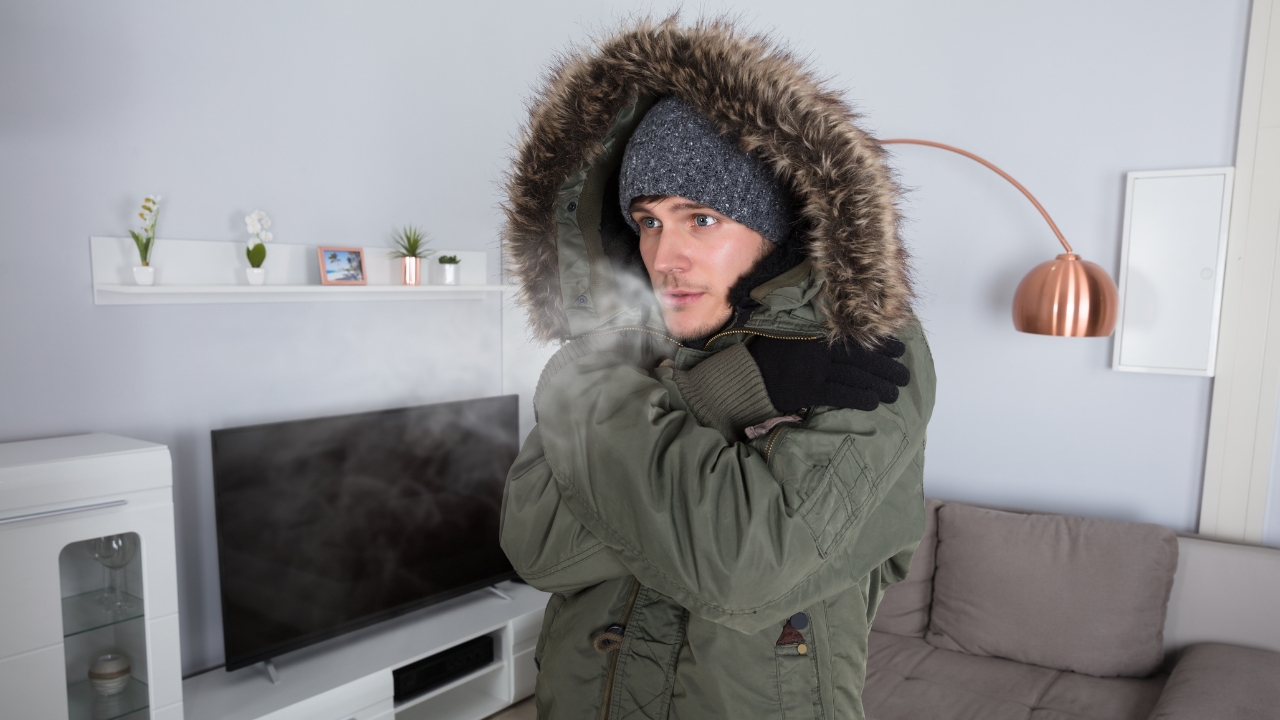
Image Credit: Andrey_Popov/Shutterstock.com
When the power goes out in freezing weather, staying warm isn’t just about comfort—it’s about survival. Cold creeps in fast, and if you’re not prepared, it can be dangerous. But you don’t need electricity to keep the heat in and the cold out. The right gear, smart layering, and a few simple tricks can make all the difference.
Survival comes down to using what you have and knowing how to make the most of it. Whether you’re stuck at home during a winter storm or out in the wild without a heat source, these strategies will help you stay warm, conserve energy, and keep your core temperature where it needs to be.
Wear Layers the Right Way

Piling on a thick coat won’t keep you nearly as warm as layering smartly. Start with a moisture-wicking base layer to keep sweat from making you colder. Add an insulating layer—wool or fleece work best—to trap heat. Top it off with a windproof outer layer to block the cold air. And don’t forget warm socks, gloves, and a hat. Your body loses heat fast through your head and hands, so covering them up makes a big difference.
Layers also let you adjust throughout the day. Too hot? Peel one off. Too cold? Add another. The trick is staying dry while keeping the warmth in. If you get sweaty, that dampness will chill you fast, so stick with breathable fabrics that help regulate body temperature.
Use Heated Rocks or Hot Water Bottles
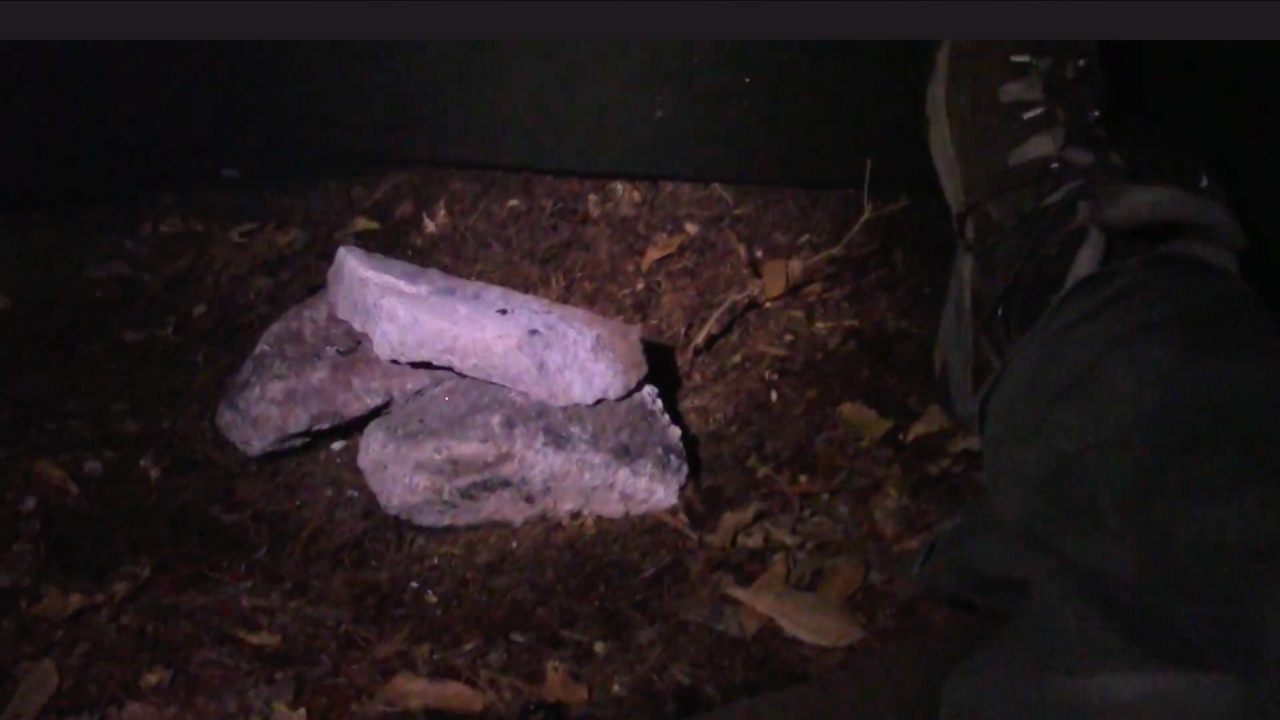
A hot water bottle tucked under the covers can make all the difference on a freezing night. If you don’t have one, heated rocks work just as well. Warm them near a fire or stove (but not too hot—you don’t want burns), then wrap them in a towel and place them near your feet. The heat will radiate for hours, keeping you toasty while you sleep.
This trick works great for warming up your hands or even your seat before bedtime. If you’re outside, heated rocks can be lifesavers—just make sure they’re dry before heating them. Wet rocks can explode when exposed to high heat, and no one wants to deal with that kind of surprise.
Block Drafts and Trap Heat Inside

Cold air loves to sneak in wherever it can, and once it’s inside, it lingers. Check doors and windows for drafts and block them with towels, blankets, or even rolled-up clothing. Thick curtains or blankets over windows help, too, especially at night when heat loss is highest.
If your home isn’t well insulated, focus on keeping warmth where you need it most. Shut doors to unused rooms so you’re only heating smaller areas. Rugs and carpets help keep floors from feeling like ice blocks, and if you’ve got a fireplace or wood stove, make the most of it by directing heat into your main living space.
Sleep in a Tent or Small Space

A big, open room loses heat fast. If your house is getting too cold, set up a tent indoors. It might sound odd, but a tent traps body heat, making it noticeably warmer inside. If you don’t have one, try gathering everyone into one room and closing off the rest of the house. More bodies in a smaller space = more warmth.
Use thick blankets, sleeping bags, or even an extra mattress on the floor to create insulation from the cold ground. If you’re layering up, avoid cotton—it holds onto moisture, making you colder. Wool or fleece is a much better bet for staying warm through the night.
Use Candles for Extra Heat

A few candles in a small space can take the edge off a cold night. They don’t put out a ton of heat, but when you’re stuck without electricity, every little bit helps. If you want to get more warmth out of them, try a DIY clay pot heater—place an upside-down terracotta pot over a few candles to trap and slowly release heat.
Just be smart about it. Never leave candles burning unattended, and keep them away from anything flammable. If you have kids or pets running around, set them up in a safe spot where they won’t get knocked over.
Eat High-Calorie, Warm Foods

Your body is basically a built-in furnace, and it runs best when it has enough fuel. Eating warm, high-calorie foods like stews, soups, and oatmeal helps generate heat from the inside out. Fat and protein take longer to digest, which means your body stays warm longer.
Even something as simple as sipping warm tea or broth can make a difference. Hot drinks don’t just warm your hands—they help regulate body temperature and keep you feeling comfortable in the cold. If you’re outside for long periods, pack calorie-dense snacks like nuts, cheese, or jerky to keep your energy up.
Keep Moving to Stay Warm

Sitting still for too long lets the cold settle in. Even light movement gets your blood pumping and warms you up fast. If you’re indoors, try squats, jumping jacks, or pacing around. Outside? Keep your fingers and toes moving to prevent them from getting stiff and cold.
If you’re trying to stay warm while sleeping, do a few quick exercises before getting under the covers. Just don’t break a sweat—damp clothes make you colder. The goal is to generate warmth without overheating, so find a balance that keeps you comfortable.
Use Blankets the Right Way

Piling on blankets works, but how you layer them matters. Wool and fleece hold heat much better than cotton, so put those closest to your body. Heavy blankets go on top to trap warmth and keep the cold air out. If you’ve got multiple people in the house, snuggling up together under shared blankets helps conserve even more heat.
For extra insulation, throw a blanket under you as well—cold air seeps up from the floor, and adding a barrier helps keep the heat where you need it. Sleeping bags work great too, especially ones designed for cold weather.
Let the Sun Warm Your Space

Sunlight is free heat, so make the most of it. Even on cold days, opening your curtains during peak sunlight hours lets warmth into your home. South-facing windows get the most sun, so focus on those. As soon as the sun starts setting, close the curtains to trap the heat inside.
If you want to take it a step further, place dark-colored blankets or rugs near windows. Dark fabrics absorb and hold heat better, helping to keep the room warmer longer. If your windows are drafty, add an extra layer like plastic sheeting or thick curtains to keep the cold air out.
Share Body Heat

Nothing warms you up faster than body heat. If you’ve got family, roommates, or pets, huddle together under blankets to conserve warmth. Sleeping close to others raises the temperature, and even a small pet curled up next to you can make a noticeable difference.
Layering blankets over multiple people helps hold in even more heat. If you’re in an emergency situation, skin-to-skin contact wrapped in blankets is the best way to fight off serious cold. It’s a survival tactic for a reason—it works.
*This article was created with the assistance of AI.


